
Coronavirus
Covid-19 Testing: Saudi Arabia, Chinese Firm Sign US$265mn Deal

Saudi Arabia has entered into a US$265 million ((Saudi Rials 995 million) deal with a Chinese firm to ramp up coronavirus (Covid-19) testing.
The Kingdom, which eased its 24-hour curfew, excluding hotspots such as the Holy City of Mecca, said in a statement that the agreement with China’s Beijing Genome Institute (BGI) will provide for nine million COVID-19 tests, which would be conducted by “500 experts, specialists, and technicians” to be brought in from China.
As part of the agreement, six large regional laboratories will also be set up in the kingdom. This will include a “mobile laboratory with a production capacity of 10,000 tests daily”, the government statement added.
With the highest number of infections in the Arab world, Saudi Arabia is struggling to contain the virus with the deaths from Covid-19 on Sunday rising to 139 and confirmed infections to 17,522. Recoveries reported are 2,357.
Though according to the Saudi Press Agency, a nationwide curfew has been relaxed between 9 am and 5 pm, with malls and retailers allowed to reopen until May 13, Mecca and other areas still remain under complete lockdown. The highest number of infections have been recorded in Mecca despite the city being completely cordoned off.
Saudi Arabia suspended the year-round ‘umrah’ pilgrimage and is yet to announce if they will allow Haj pilgrimage to go ahead as scheduled.

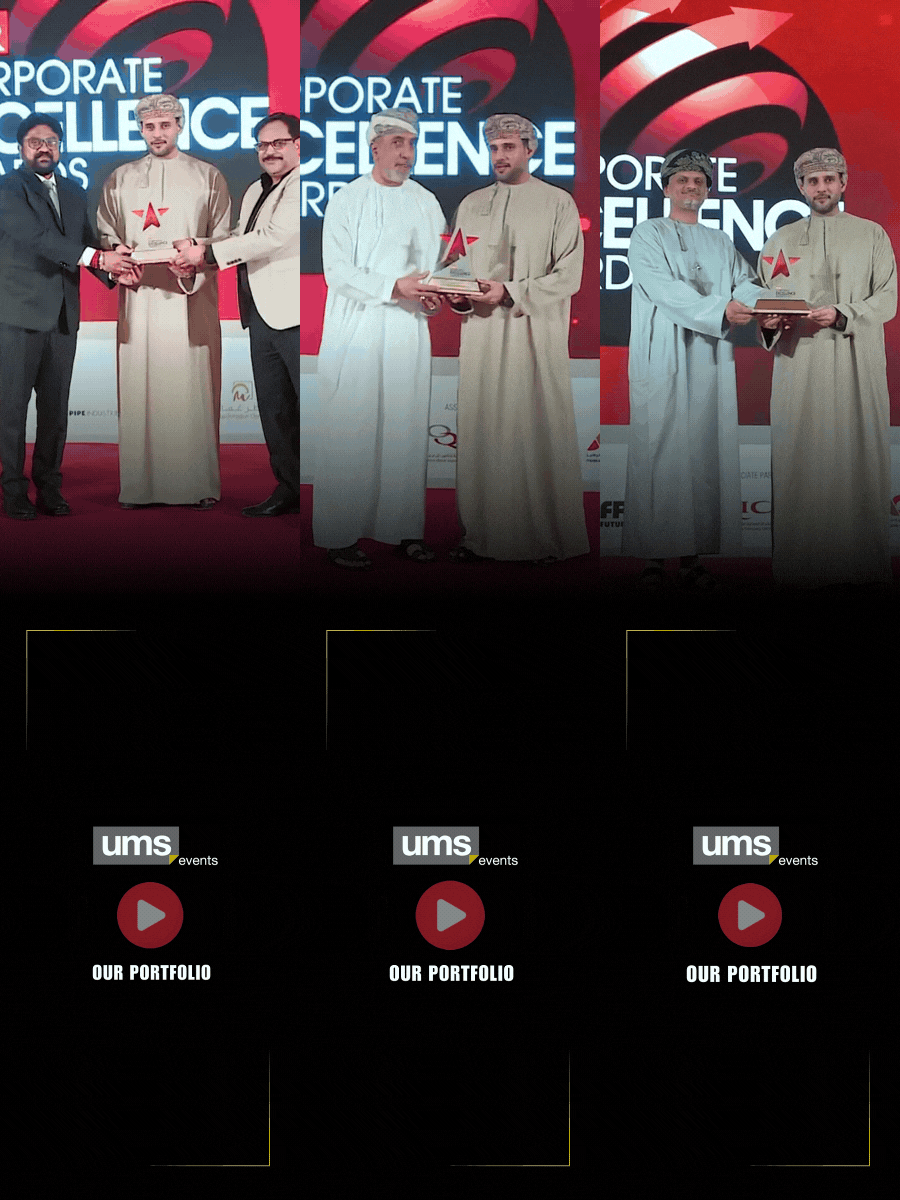

IHE and Eicher Trucks and Buses promote school bus safety awareness among students

India’s rising edge in oil, gas and construction projects is enabling Middle East’s growth

The Financial Services Authority organises the National Health Insurance Platform Forum ‘Dhamani’

Is India’s accelerating export engine driving manufacturing towards global scale?

SAH wins double honours at Dossier Construction Awards & Summit 2026

VIDEO: Hitesh Akarte on Khimji Ramdas Infrastructure’s Role in Oman Vision 2040

Alam Al-Iktisaad Magazine September 2026 Edition

A decade of investing: Tech portfolio returned 1,342% versus Nasdaq-100’s 636%

His Majesty the Sultan arrives in Kazakhstan

Oman’s trade surplus reaches RO5.5 billion in July 2026

Power And Beyond: The Path To A Low-carbon Future

Al Mouj Muscat unveils Ghadeer Villas

Time to Buy Saudi Stocks? Some Investors Look at Dubai Instead

Hospitality Industry in Oman Estimated 90% Growth in 2022

Renewables are booming, but not fast enough to cap greenhouse emissions

Retail Abu Dhabi’s ‘Unbox Amazing’ generates sales of more than AED 2 billion in participating stores

Saudis Sign Deals From Energy to Metals in Bid to Salvage Forum

Saudi Arabia’s Gold Miner Plans to Be a Global Top-20 Supplier

Technology to drive Sultanate’s downstream industry

Digitization and Logistics Service Providers Can Help SMEs Make the Most of Peak Season Retail Trends
VIDEO: Hitesh Akarte on Khimji Ramdas Infrastructure’s Role in Oman Vision 2040

Oman’s Hospitality Sector Enters a New Phase of Growth: Sadiq Al Matwani Al Lawati

Amr Baabood: Oman Climate Week Is About Moving From Climate Ambition to Climate Action

Mayan Al Asfoor on Leadership, Legacy and Empowering Omani Talent

LEADERSPEAK: Dhofar Insurance CEO Sunil Kohli on Oman’s Insurance Sector, Reinsurance & Market Outlook

VIDEO: Robert MacLean on how NHI is Shaping Oman’s Next Generation of Hospitality Leaders

The Future of Oman: Decoding The Sultanate of Oman’s Strategic Promotional Nation Brand

EXCLUSIVE: AI, Robotics & Wearable Sensors are Changing the Lives of Dementia Patients

EXCLUSIVE: Talking Renewable Projects & Sustainability in Oman and Beyond with Vipul Tuli

VIDEO: Eng. Salim Al Thuhli, CEO, Khazaen Economic City on Investment Opportunities
-
 Artificial Intelligence4 weeks ago
Top 5 Interesting Things AI Did This Month – September 2026 Edition
-
 Fashion2 weeks ago
Luxury Watches That Could Appreciate Over the Next Decade [2026 Auction Buyer Guide]
-

 Highlights2 months ago
OERLive: Top 10 Mathematical Problems AI Has Solved or Transformed
-
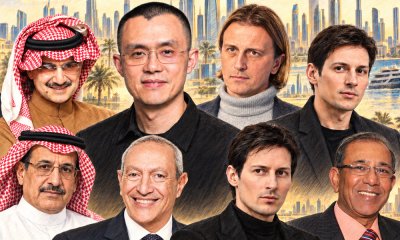
 Banking & Finance1 month ago
The GCC’s 10 Richest Billionaires: Inside US$253.5 Billion of Wealth
-
 Magazines2 months ago
OER Magazine July Edition 2026
-
 Magazines2 months ago
Al Mar’a Magazine July 2026
-
 Alamaliktistaad Magazines2 months ago
Alam Al-Iktisaad Magazine July 2026 Edition
-
 Economy2 weeks ago
OER Magazine September Edition 2026