
Economy
Oman’s inflation rate rises by 2.8 percent
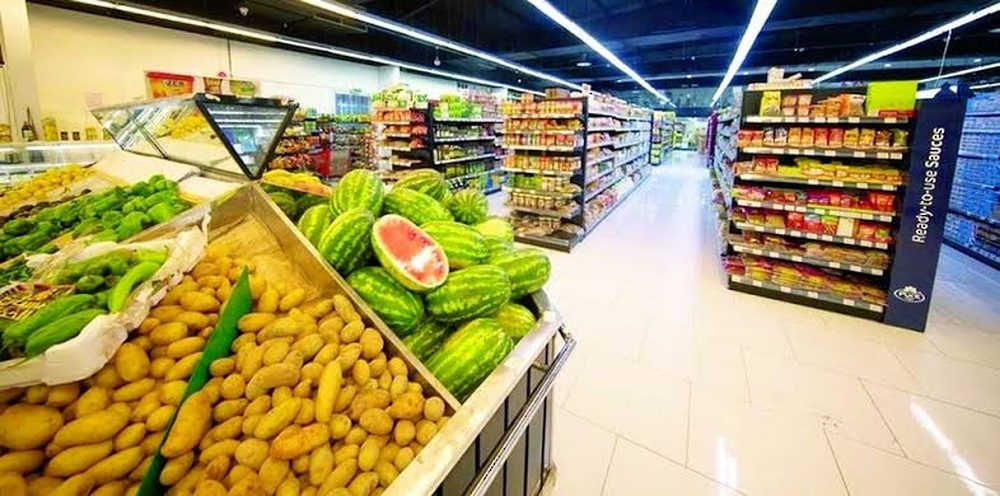
The inflation rate in the Sultanate of Oman reached 2.8 percent for June 2026 compared to the same month in 2025, according to data from the Consumer Price Index issued by the National Centre for Statistics and Information, while the average inflation rate during the period from January to June 2026 was 2.8 percent.
The data showed that the food and non-alcoholic beverages recorded the highest rate of increase among the main groups at 6.1 percent year-on-year, followed by miscellaneous personal goods and services at 5.7 percent, transport costs increased by 5.5 percent, restaurants and hotels by 4.6 percent, furniture, furnishings, household equipment and routine maintenance stood at 3.1 percent, while prices of the education group rose by 2.2 percent, and health by 1.8 percent.
Prices for the culture and entertainment group rose by 0.3 percent, while prices for the communications, tobacco, clothing and footwear groups remained unchanged compared to June of last year, while prices for the housing, water, electricity, gas and other fuels group recorded a decrease of 0.6 percent.
At the governorate level, Al Dhahirah Governorate recorded the highest inflation rate in the Sultanate of Oman during June 2026, at 3.5 percent, followed by Muscat Governorate at 3.2 percent, then Al Dakhiliyah Governorate at 3.1 percent, Al Wusta Governorate at 3.0 percent, and Al Buraimi Governorate at 2.9 percent.
The inflation rate reached 2.4 percent in both Musandam and South Al Batinah governorates, followed by Dhofar governorate at 2.2 percent, then North Al Batinah and South Al Sharqiyah governorates at 2.1 percent each, while North Al Sharqiyah governorate recorded the lowest inflation rate among the governorates of the Sultanate of Oman at 1.9 percent.
Regarding the food and non-alcoholic beverages group, the data showed an increase in the prices of a number of subgroups compared to June 2025, as the prices of vegetables increased by 23.6 percent, fruits by 9.9 percent, meat by 7.3 percent, non-alcoholic beverages by 3.6 percent, and milk, cheese and eggs by 2.9 percent.
Prices for sugar, jam, honey and sweets rose by 2.2 percent, food products not classified under another category by 2 percent, bread and cereals by 0.9 percent, and oils and fats by 0.5 percent, while fish prices fell by 1.7 percent compared to the same month in 2025.
The rise in prices is expected to impact discretionary spending of consumers in the short run.



The Economics of Khareef in Dhofar: What Is Two Months of Rain Worth in OMR?

OPINION: The Sultan Haitham City Residency Rule Most Buyers Don’t Know About

Global & Regional Leaders Open Oman Climate Week 2026

HORECA Oman Opens Its Fifth Edition, Bringing the Hospitality Industry Together

Oman Participates in Gastech 2026 Conference and Exhibition in Thailand

Gulf Financial Markets Post US$618B in Trading Volume

The Top 10 Things Oman Exports to India – And How CEPA Could Reshape the US$11.2bn Trade Corridor

Sohar International Expands Global Footprint with Hong Kong Office

INVESTIGATION: What If You Bought Apple Stock Every Time You Bought an iPhone?

OPINION: Apple’s AED 8,499 iPhone Duo Puts UAE Consumers’ Appetite for Premium Devices to the Test

Power And Beyond: The Path To A Low-carbon Future

Al Mouj Muscat unveils Ghadeer Villas

Time to Buy Saudi Stocks? Some Investors Look at Dubai Instead

Hospitality Industry in Oman Estimated 90% Growth in 2022

Renewables are booming, but not fast enough to cap greenhouse emissions

Retail Abu Dhabi’s ‘Unbox Amazing’ generates sales of more than AED 2 billion in participating stores

Saudis Sign Deals From Energy to Metals in Bid to Salvage Forum

Saudi Arabia’s Gold Miner Plans to Be a Global Top-20 Supplier

Technology to drive Sultanate’s downstream industry

Digitization and Logistics Service Providers Can Help SMEs Make the Most of Peak Season Retail Trends

Amr Baabood: Oman Climate Week Is About Moving From Climate Ambition to Climate Action

Mayan Al Asfoor on Leadership, Legacy and Empowering Omani Talent

LEADERSPEAK: Dhofar Insurance CEO Sunil Kohli on Oman’s Insurance Sector, Reinsurance & Market Outlook

VIDEO: Robert MacLean on how NHI is Shaping Oman’s Next Generation of Hospitality Leaders

The Future of Oman: Decoding The Sultanate of Oman’s Strategic Promotional Nation Brand

EXCLUSIVE: AI, Robotics & Wearable Sensors are Changing the Lives of Dementia Patients

EXCLUSIVE: Talking Renewable Projects & Sustainability in Oman and Beyond with Vipul Tuli

VIDEO: Eng. Salim Al Thuhli, CEO, Khazaen Economic City on Investment Opportunities

H.E. Salim Al Aufi, Minister of Energy & Minerals talks about Oman’s Green Hydrogen Goals

VIDEO: Talking Latest Developments in Aircraft Ground Guidance & More at Oman Airports
-

 Highlights4 weeks ago
OERLive: Top 10 Mathematical Problems AI Has Solved or Transformed
-

 Magazines3 weeks ago
OER Magazine July Edition 2026
-

 Magazines3 weeks ago
Al Mar’a Magazine July 2026
-

 Banking & Finance2 months ago
Oman Housing Bank launches digital waiting list for housing loans
-

 Alamaliktistaad Magazines3 weeks ago
Alam Al-Iktisaad Magazine July 2026 Edition
-

 Banking & Finance1 month ago
Oman Arab Bank CEO Sulaiman Al Harthi Retires as Ali Al Mani Is Named Successor
-

 Banking & Finance1 month ago
OERLive ANALYSIS: The Coldcard Hack Shows Why Bitcoin Self-Custody Remains Difficult for Ordinary Users
-

 News1 month ago
Made by Google 2026: Top 10 Biggest Launches You Need to Know – From the New Pixel 11 to a Life-Saving AI Watch