
Economy
The Booming Business of Free Zones
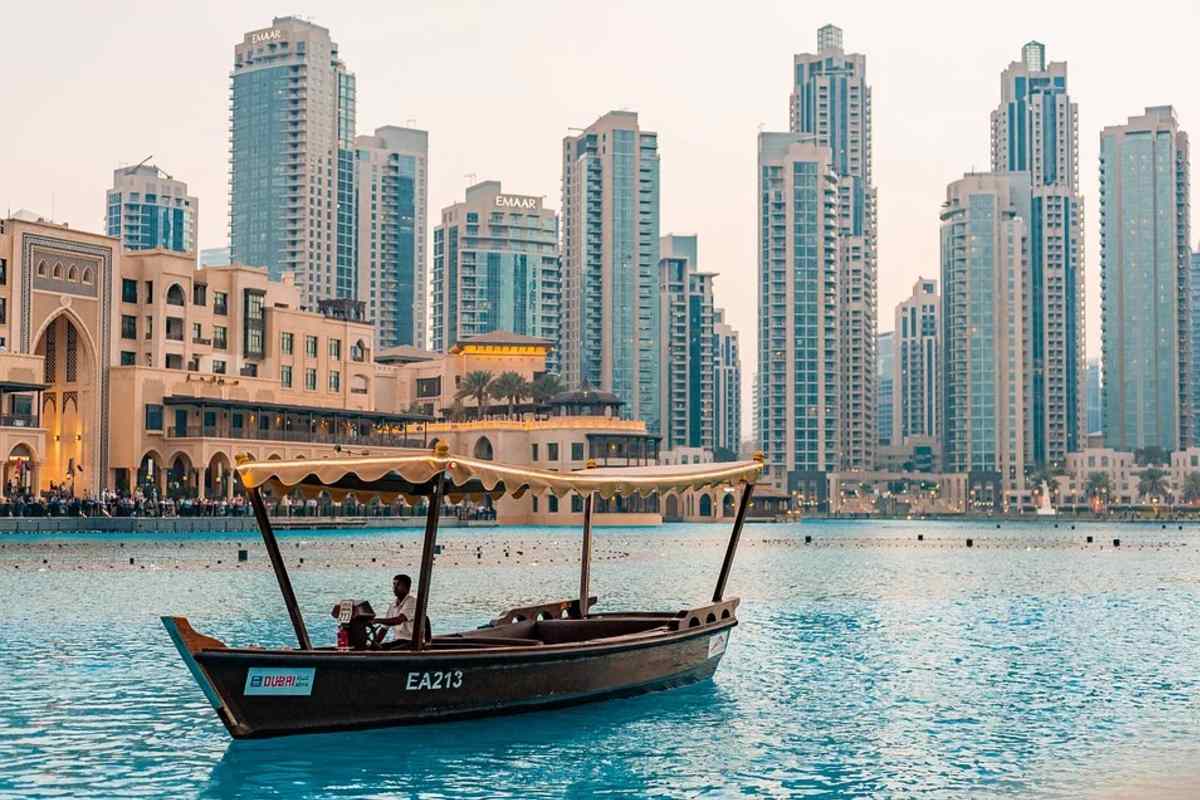
Ease of doing business is one of the key indexes that will guide world economies in the next decade. FTZs and SEZs have emerged as critical hubs guiding investments, creating jobs, leading innovation and contributing to national economic development. Free zones offer businesses simple setup procedures, affordable rates, and favourable trading location, creating an environment hard to beat.
Over time, FTZs and SEZs have emerged as necessary platforms a country creates to attract investment. Low costs – both for the establishing agency/economy and the businesses/tenants setting up – is a key rationale.
United Nations Conference on Trade and Development, in its 2019 report on Special Economic Zones, say policy makers tends to focus on three dimensions of free zones:
(i) Strategic focus
(ii) Regulatory framework and governance, and
(iii) Design of the value proposition or the package of benefits for investors.
“In today’s global business and investment climate, the strategic focus, the regulatory and governance models, and the incentives package offered remain the key ingredients of a successful SEZ policy framework,” it adds.
Today, there are more than 5400 free zones in over 140 countries, employing 90 to 100 million people directly. And at least 500 more free zones are in the pipeline.
Free zones are expected to help ease economic pressures, especially in these times of global slowdown. The FTZs will be in regions that can capitalise on existing initiatives or are in need of greater development. According to the United Nations COMTRADE database on international trade, United Arab Emirates exports to free zones was US$5.18 billion and imports was US$3.25 Billion in 2016.
Free Zones have also been successful in generating employment, and diversity and volumes exports. Globally, zones employ some 0.21 per cent of the workforce, says Organisation for Economic Co-operation and Development (OECD) in its 2018 report. In UAE, zones account for more than 25% of employment.
Asian Zones account for some 85% of total zone workers worldwide, with China alone employing 40 million workers, according to International Labour Organisation (2014).
Read BusinessLive Middle East’s Free Trade Zones & Special Economic Zones Special Report 2019-20
INTRODUCTION: Free-trade Zones & Special Economic Zones
CHAPTER 1: Booming Business of Free Zones
CHAPTER 2: Finding Value in Free Trade Zones
CHAPTER 3: Future of Free Zones
CHAPTER 4: Challenges Faced by Investors in Free Trade Zones
CHAPTER 5: Special Feature – Ras Al Khaimah Economic Zone at a Glance



The Hidden Price of Convenience: What People in Oman Spend on Food Delivery, Coffee & Subscriptions

VIDEO: Oman Cables Breaks Ground on OMR 10 Million-Plus Plant to Power Oman’s Industrial Future

Liva Insurance Recognised for Leadership in Insurance Innovation and Digital Transformation at OERLive DX Oman

Oman Air Launches Winter Schedule with Additional Frequencies, Expanded Capacity & New Codeshare Destinations

IHE and Eicher Trucks and Buses promote school bus safety awareness among students

India’s rising edge in oil, gas and construction projects is enabling Middle East’s growth

The Financial Services Authority organises the National Health Insurance Platform Forum ‘Dhamani’

Is India’s accelerating export engine driving manufacturing towards global scale?

SAH wins double honours at Dossier Construction Awards & Summit 2026

VIDEO: Hitesh Akarte on Khimji Ramdas Infrastructure’s Role in Oman Vision 2040

Power And Beyond: The Path To A Low-carbon Future

Al Mouj Muscat unveils Ghadeer Villas

Time to Buy Saudi Stocks? Some Investors Look at Dubai Instead

Hospitality Industry in Oman Estimated 90% Growth in 2022

Renewables are booming, but not fast enough to cap greenhouse emissions

Retail Abu Dhabi’s ‘Unbox Amazing’ generates sales of more than AED 2 billion in participating stores

Saudis Sign Deals From Energy to Metals in Bid to Salvage Forum

Saudi Arabia’s Gold Miner Plans to Be a Global Top-20 Supplier

Technology to drive Sultanate’s downstream industry

Digitization and Logistics Service Providers Can Help SMEs Make the Most of Peak Season Retail Trends
VIDEO: Oman Cables Breaks Ground on OMR 10 Million-Plus Plant to Power Oman’s Industrial Future
VIDEO: Hitesh Akarte on Khimji Ramdas Infrastructure’s Role in Oman Vision 2040

Oman’s Hospitality Sector Enters a New Phase of Growth: Sadiq Al Matwani Al Lawati

Amr Baabood: Oman Climate Week Is About Moving From Climate Ambition to Climate Action

Mayan Al Asfoor on Leadership, Legacy and Empowering Omani Talent

LEADERSPEAK: Dhofar Insurance CEO Sunil Kohli on Oman’s Insurance Sector, Reinsurance & Market Outlook

VIDEO: Robert MacLean on how NHI is Shaping Oman’s Next Generation of Hospitality Leaders

The Future of Oman: Decoding The Sultanate of Oman’s Strategic Promotional Nation Brand

EXCLUSIVE: AI, Robotics & Wearable Sensors are Changing the Lives of Dementia Patients

EXCLUSIVE: Talking Renewable Projects & Sustainability in Oman and Beyond with Vipul Tuli
-

 Artificial Intelligence4 weeks ago
Top 5 Interesting Things AI Did This Month – September 2026 Edition
-

 Fashion3 weeks ago
Luxury Watches That Could Appreciate Over the Next Decade [2026 Auction Buyer Guide]
-

 Highlights2 months ago
OERLive: Top 10 Mathematical Problems AI Has Solved or Transformed
-

 Banking & Finance1 month ago
The GCC’s 10 Richest Billionaires: Inside US$253.5 Billion of Wealth
-

 Economy2 weeks ago
OER Magazine September Edition 2026
-

 Magazines2 months ago
OER Magazine July Edition 2026
-

 Magazines2 months ago
Al Mar’a Magazine July 2026
-
 Alamaliktistaad Magazines2 months ago
Alam Al-Iktisaad Magazine July 2026 Edition