
Oman
REVIEW: WHOOP and the Rise of Performance Luxury
Backed by elite athletes, celebrities and investors, the screenless wearable – Whoop – is turning personal data into a discreet symbol of modern wellbeing, writes Signature Editor, Alvin Thomas
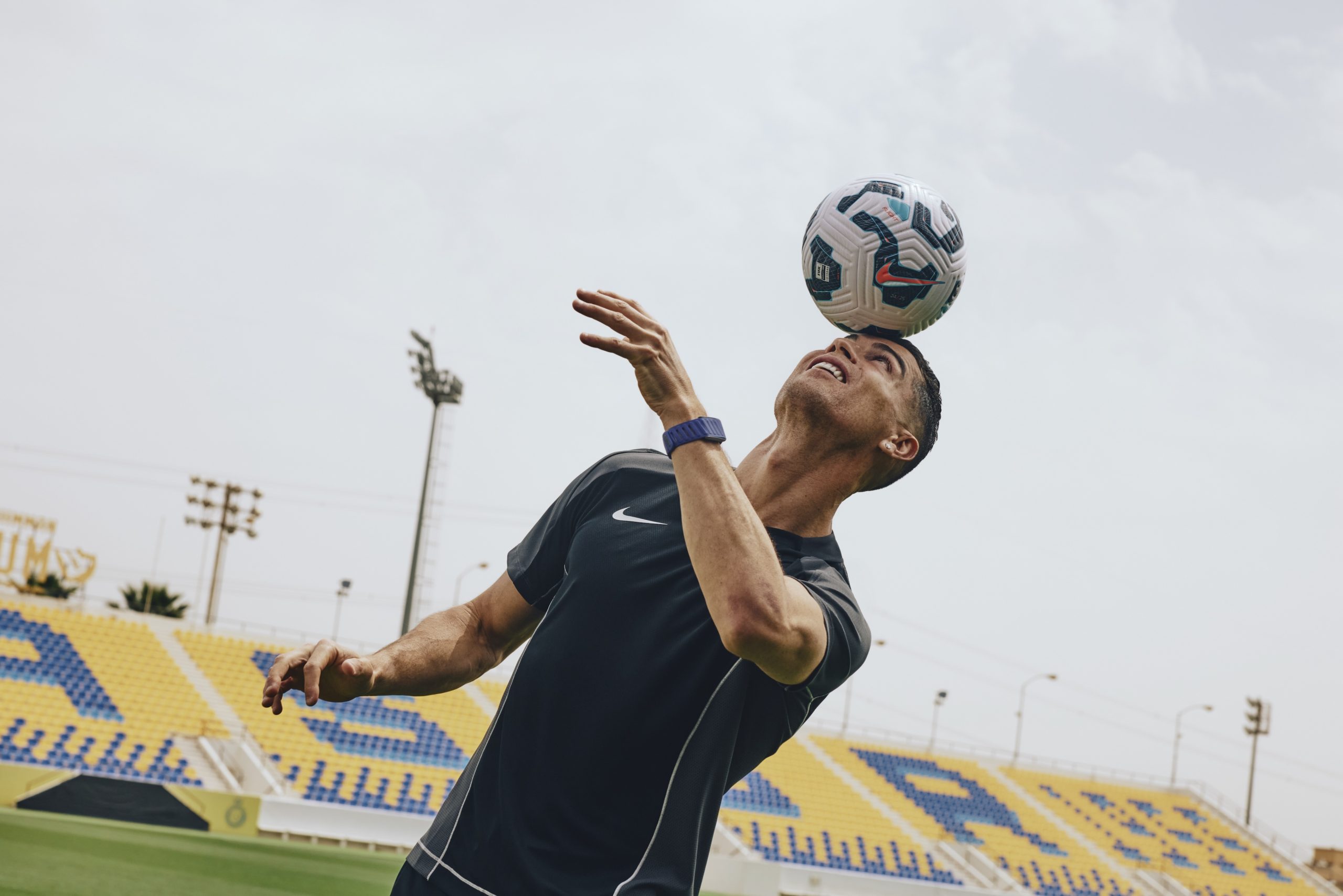
Backed by elite athletes, celebrities and investors, the screenless wearable – Whoop – is turning personal data into a discreet symbol of modern wellbeing, writes OERLive Editor, Alvin Thomas.
The wearable market is crowded with screens, notifications and lifestyle features. WHOOP has chosen a quieter route; it does not try to replace the phone. It does not flash notifications, show messages, display maps, or compete with the traditional watch on the wrist. In fact, its defining feature may be what it does not have: a screen.
That absence has become its identity. WHOOP is not a gadget that asks to be looked at but rather is a wearable designed to be forgotten during the day and studied later through data. It sits quietly on the wrist, bicep, or within specialised apparel, collecting physiological signals around the clock and translating them into insights around sleep, strain, recovery, stress, cardiovascular load and, increasingly, long-term health.
The brand’s rise has been particularly notable because it has moved beyond the gym-tech category. WHOOP is now part of a wider lifestyle conversation around longevity, elite performance, travel recovery, executive stamina and the daily discipline of high achievers.
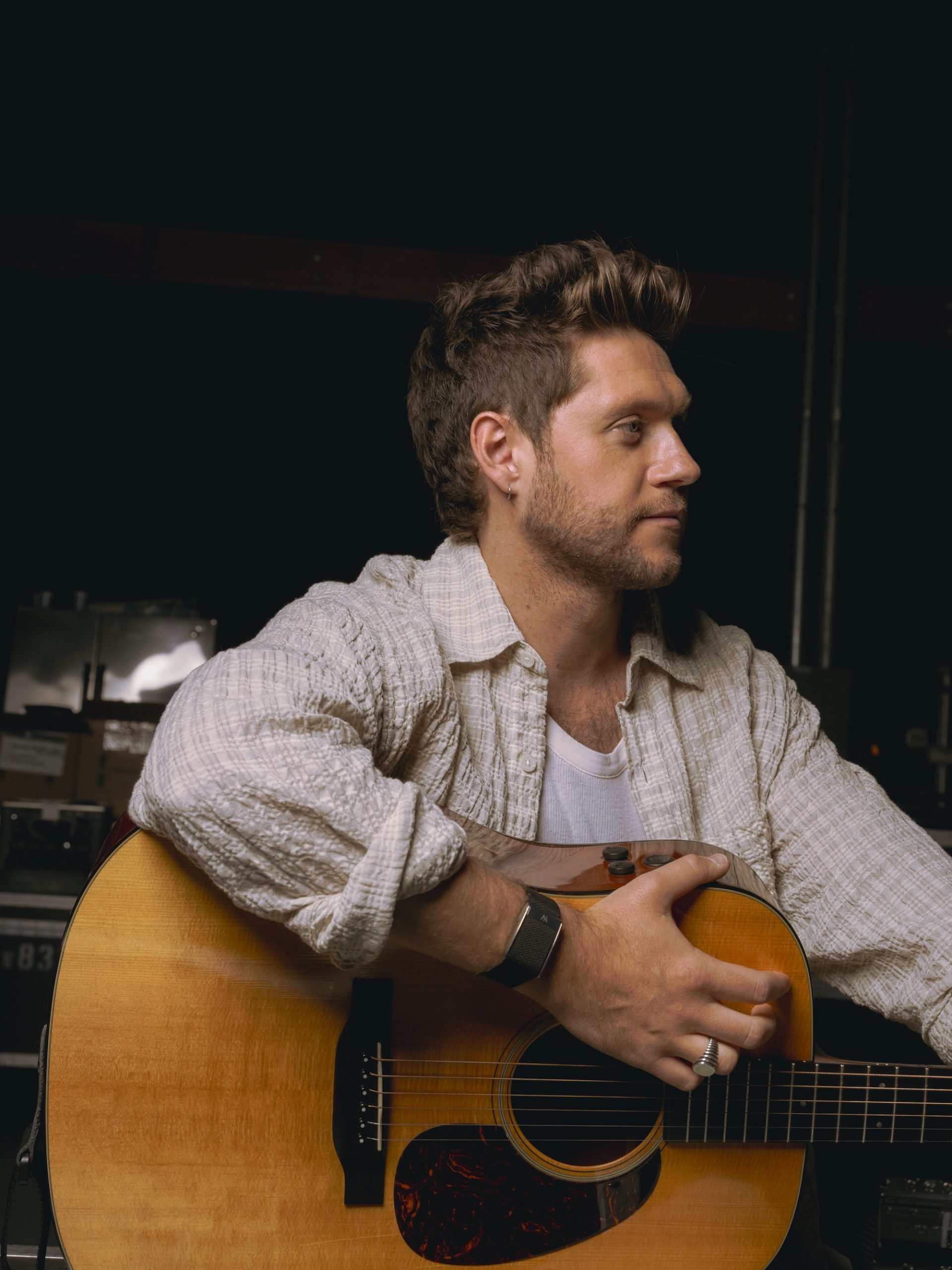
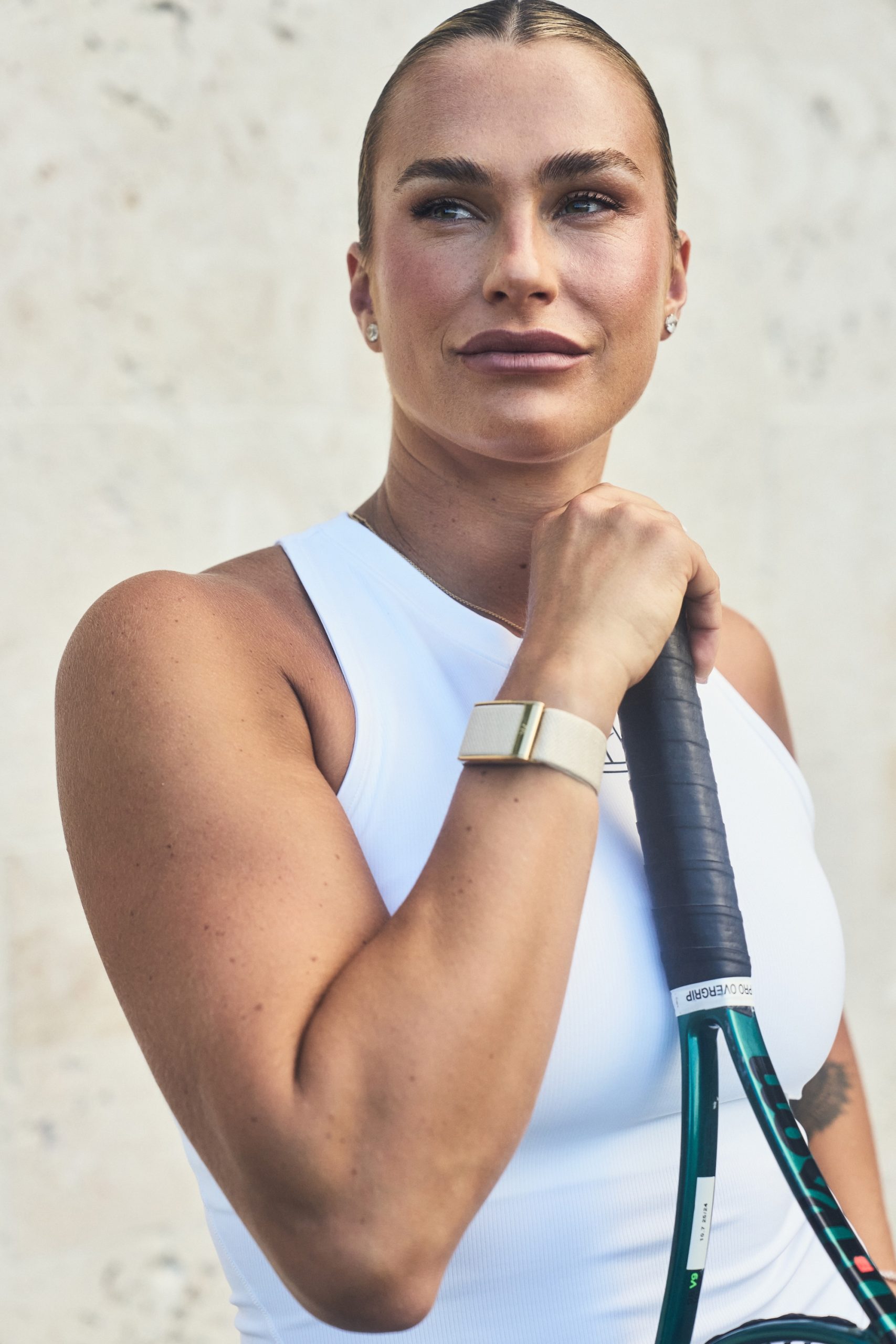
It is worn or publicly associated with names from sport, entertainment and public life, including Cristiano Ronaldo, Patrick Mahomes, Michael Phelps, Rory McIlroy, Aryna Sabalenka, Niall Horan and Prince William. Ronaldo joined WHOOP as a global ambassador and investor in 2024, with the company stating that he had already been a WHOOP member for several years before the formal partnership.
The company’s positioning is clear. WHOOP is not trying to be a mass-market smartwatch in the traditional sense. It is attempting to become a personal performance platform. In 2026, that ambition became much larger. WHOOP announced a USD 575 million Series G funding round at a USD 10.1 billion valuation, with participation from institutional investors including Qatar Investment Authority, Mubadala Investment Company, Abbott and Mayo Clinic, alongside individual investors such as Cristiano Ronaldo, LeBron James, Rory McIlroy, Niall Horan, Virgil van Dijk, Mathieu van der Poel and Shane Lowry. The company also said it had more than 2.5 million members globally and that 2025 bookings grew 103 percent year-on-year.
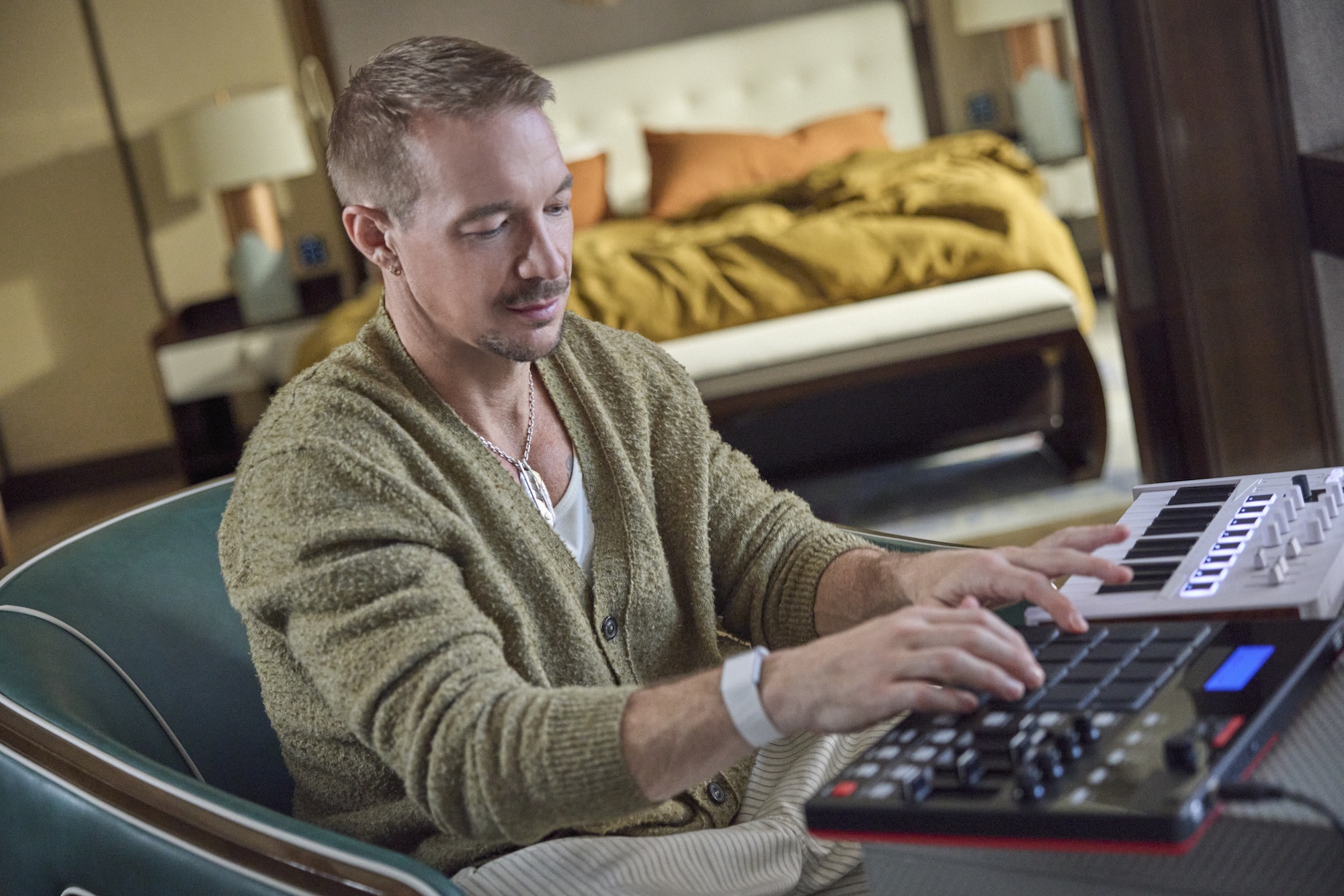
The figure is significant not only because of its scale, but because of what it says about the direction of the wellness market. Wearables are no longer simply about counting steps. The new frontier is interpretation. WHOOP’s core promise is that it can take continuous biometric data and make it understandable enough to influence behaviour: sleep earlier, train harder, rest today, hydrate better, avoid overreaching, manage stress, or recognise when the body is under strain.
At its centre are three main ideas: strain, recovery and sleep. Strain measures cardiovascular load across the day, including exercise and general physical effort. Recovery uses signals such as resting heart rate, heart-rate variability and sleep performance to estimate how prepared the body may be for exertion. Sleep tracking then feeds into recommendations on how much rest is needed, how well the body recovered, and how lifestyle factors may be affecting performance.
This is where WHOOP differs from many consumer wearables. Apple Watch, Garmin, Samsung and others often combine fitness features with notifications, apps, displays and lifestyle tools. WHOOP narrows the focus. It is less about multitasking and more about coaching. The product is built around a membership model, where the hardware and analytics are tied to subscription tiers rather than a one-time device purchase. With the launch of WHOOP 5.0 and WHOOP MG in 2025, the company introduced new devices with over 14 days of claimed battery life, along with membership tiers branded WHOOP One, WHOOP Peak and WHOOP Life.
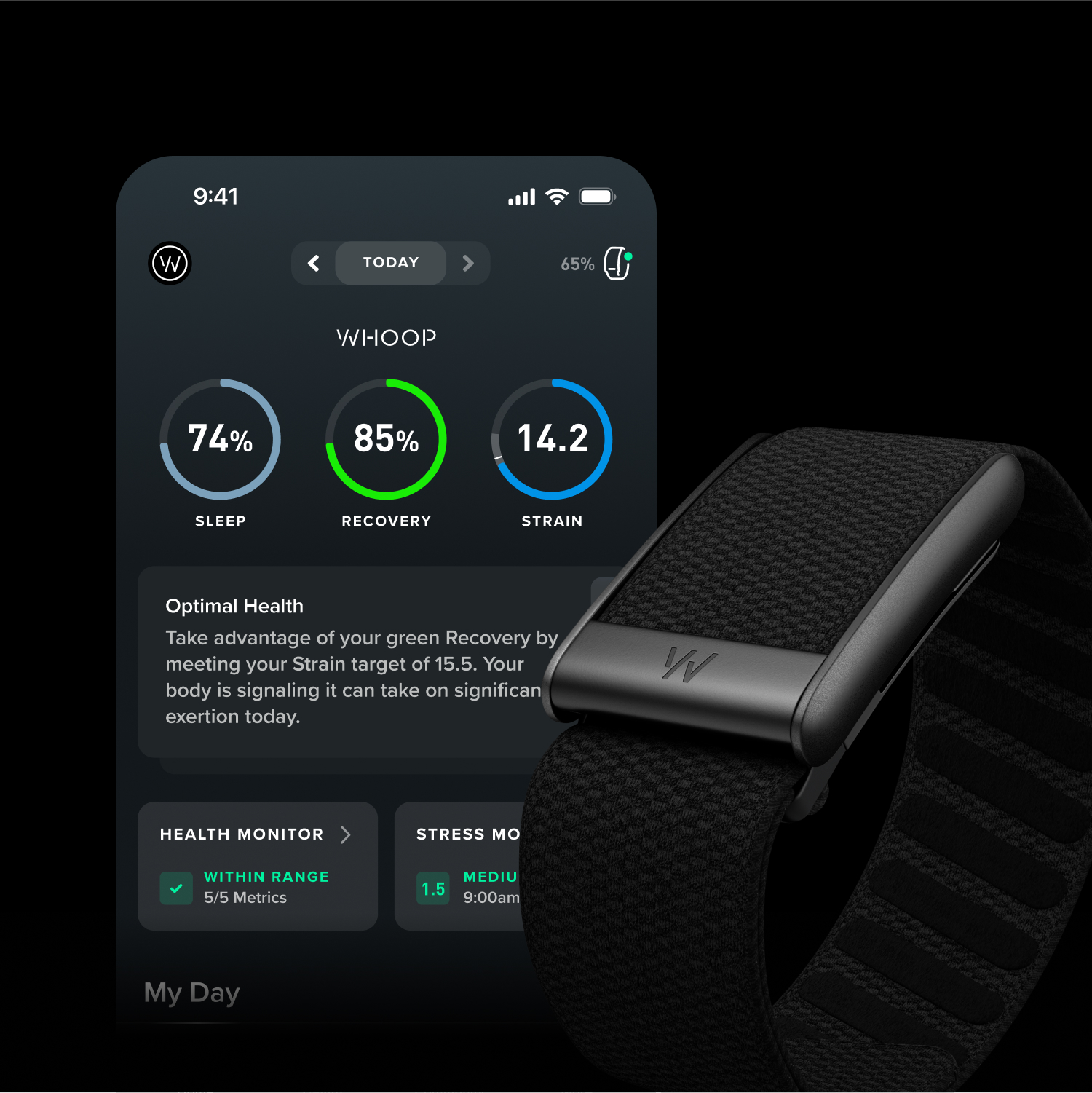
The WHOOP MG represents the company’s most ambitious push into the health category. According to WHOOP, the MG offers ECG capabilities and blood pressure insights, while WHOOP 5.0 focuses on advanced fitness and health sensing in a smaller, more efficient package. The company has also introduced concepts such as Healthspan, WHOOP Age and Pace of Aging, which aim to position the device not just as a training tracker, but as a longevity companion.
That longevity framing is important. The global luxury consumer has changed. There remains demand for watches, cars, fashion, jewellery and travel, but another form of prestige has entered the conversation: disciplined living. Sleep has become a status symbol. Recovery has become a performance asset. Longevity clinics, cold plunges, tailored nutrition, biological-age testing and continuous glucose monitors have entered the vocabulary of affluent, health-conscious consumers. WHOOP fits neatly into this world because it does not present itself as a toy but rather as a system.
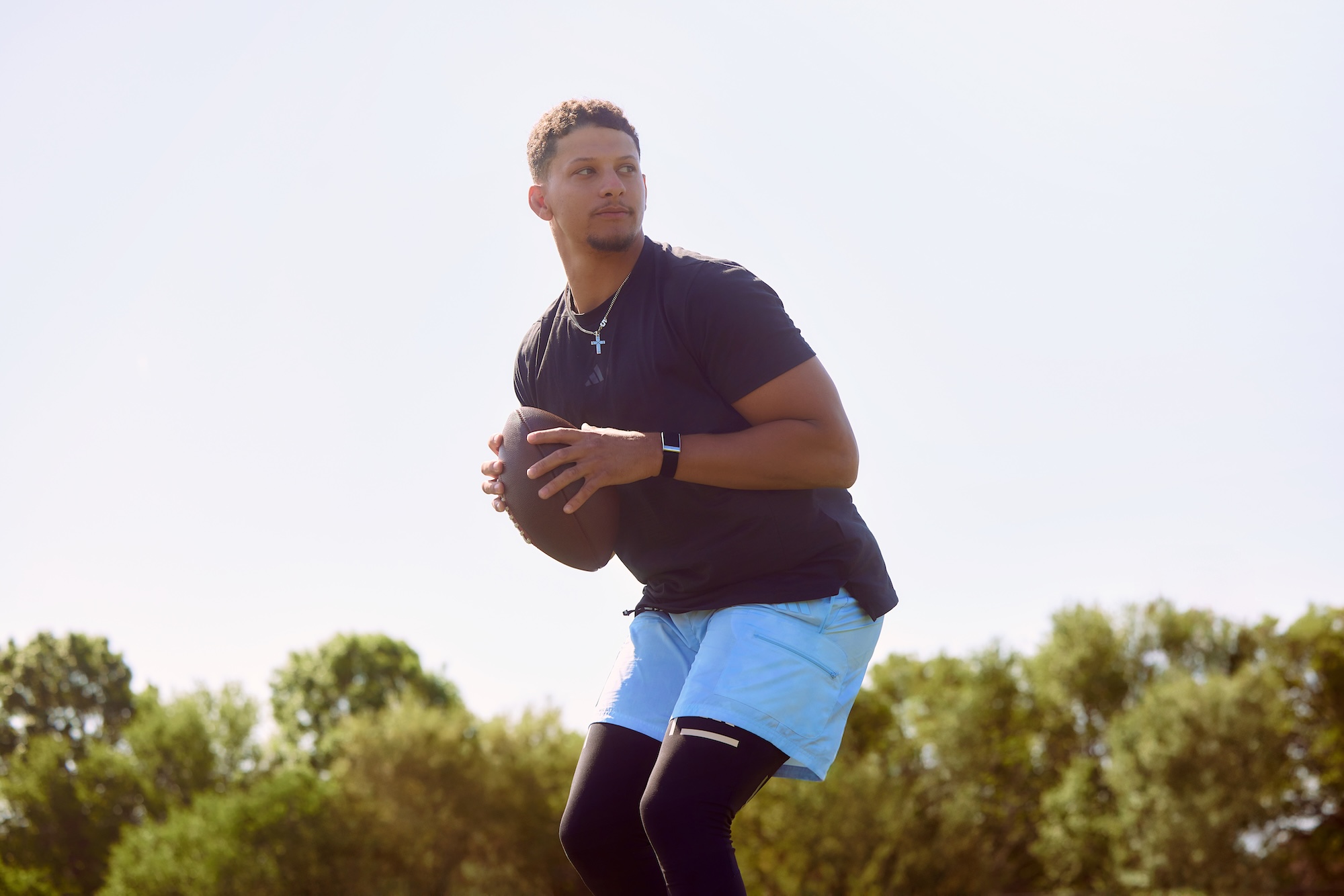
Its cultural credibility has been built partly through sport. Ronaldo’s association gives the brand unmatched global recognition, especially across football markets. Patrick Mahomes brings American football authority. Michael Phelps adds Olympic credibility. Rory McIlroy connects it with golf, where marginal gains and recovery are central to elite performance. Aryna Sabalenka, Carlos Alcaraz and Jannik Sinner have also been drawn into the WHOOP conversation in tennis, particularly after reports around wearable tracker restrictions at the 2026 Australian Open, where players were asked to remove devices despite their use at many tour events. Reuters reported that Sabalenka criticised the ban and that devices such as WHOOP were commonly used to monitor health and performance.
Outside sport, the brand has begun to broaden its appeal. Niall Horan joined WHOOP as an investor and brand partner in 2025, with the company positioning his demanding performance and travel schedule as another form of high-performance lifestyle. WHOOP said Horan had been a member for years and would collaborate on content and campaigns around recovery, sleep and wellbeing. Prince William has also been photographed wearing a WHOOP device, reinforcing the brand’s crossover into the public lifestyle sphere rather than remaining confined to professional athletes.
WHOOP’s most symbolic move in 2026 may be its partnership with Scuderia Ferrari HP. The company became the Official Health and Fitness Wearable Partner and Team Partner of Ferrari’s Formula 1 team, with WHOOP to be provided across the organisation and the logo appearing on cars and drivers from the 2026 season. The partnership is not being positioned merely as branding; WHOOP said its Performance Science team would work with Ferrari’s medical team on physical efficiency, recovery and human optimisation.
Still, the WHOOP story is not without questions. Its subscription model can be polarising. Unlike a conventional smartwatch, where the customer buys the product outright and may use many features without recurring fees, WHOOP’s value is tied to ongoing membership. For committed users, this may feel justified because the product improves through insights, coaching and continuous tracking. For casual users, the cost can become a barrier, especially if they do not engage deeply with the data.
There are also broader questions around accuracy, interpretation and health anxiety. Continuous data can empower users, but it can also encourage over-analysis. A low recovery score may help someone rest wisely; it may also make someone feel limited before the day has begun. As wearables move closer to medical-adjacent territory, the line between wellness guidance and health advice becomes increasingly important. WHOOP has already faced scrutiny around its blood pressure insights, with reports noting that the US Food and Drug Administration raised concerns over whether the feature required authorisation for medical use. WHOOP has maintained that the feature is wellness-oriented rather than diagnostic.
That tension may define the next phase of the category. Wearables are becoming more powerful, but the expectations around them are also rising. Consumers want accuracy, privacy, actionable guidance and elegant design. Regulators want clarity. Athletes want access to their own data. Health systems are watching the preventive-care opportunity. Investors are betting that continuous biometric intelligence could become a major pillar of future healthcare.
For Oman’s audience, the relevance of WHOOP lies not only in the device itself, but in what it represents. The Gulf’s wellness landscape is evolving rapidly. Executive health, premium fitness, performance nutrition, luxury hospitality wellness programmes and longevity-led services are becoming more visible across the region. WHOOP’s 2026 funding round specifically cited future expansion across Europe, the GCC, Latin America and Asia, indicating that the Gulf is part of the company’s growth map.
In Oman, where lifestyle, sport, endurance activity, golf, football, motorsport, hiking and executive wellness are all gaining visibility, WHOOP sits at an interesting intersection. It is not jewellery, but it has status. It is not a watch, but it competes for wrist space. It is not a doctor, but it speaks the language of health. It is not luxury in the traditional sense, but it belongs to the modern luxury mindset: discreet, intelligent, personal and performance-led.
Ultimately, WHOOP’s appeal comes from a simple but powerful shift. The old wearable asked, “How many steps did you take?” WHOOP asks, “How ready are you for tomorrow?” That is why WHOOP has become more than a band. It is a signal of how luxury is changing. The future of aspiration may not only be what one wears, drives or owns. Increasingly, it may be how well one sleeps, recovers, performs and ages.



The Hidden Price of Convenience: What People in Oman Spend on Food Delivery, Coffee & Subscriptions

VIDEO: Oman Cables Breaks Ground on OMR 10 Million-Plus Plant to Power Oman’s Industrial Future

Liva Insurance Recognised for Leadership in Insurance Innovation and Digital Transformation at OERLive DX Oman

Oman Air Launches Winter Schedule with Additional Frequencies, Expanded Capacity & New Codeshare Destinations

IHE and Eicher Trucks and Buses promote school bus safety awareness among students

India’s rising edge in oil, gas and construction projects is enabling Middle East’s growth

The Financial Services Authority organises the National Health Insurance Platform Forum ‘Dhamani’

Is India’s accelerating export engine driving manufacturing towards global scale?

SAH wins double honours at Dossier Construction Awards & Summit 2026

VIDEO: Hitesh Akarte on Khimji Ramdas Infrastructure’s Role in Oman Vision 2040

Power And Beyond: The Path To A Low-carbon Future

Al Mouj Muscat unveils Ghadeer Villas

Time to Buy Saudi Stocks? Some Investors Look at Dubai Instead

Hospitality Industry in Oman Estimated 90% Growth in 2022

Renewables are booming, but not fast enough to cap greenhouse emissions

Retail Abu Dhabi’s ‘Unbox Amazing’ generates sales of more than AED 2 billion in participating stores

Saudis Sign Deals From Energy to Metals in Bid to Salvage Forum

Saudi Arabia’s Gold Miner Plans to Be a Global Top-20 Supplier

Technology to drive Sultanate’s downstream industry

Digitization and Logistics Service Providers Can Help SMEs Make the Most of Peak Season Retail Trends
VIDEO: Oman Cables Breaks Ground on OMR 10 Million-Plus Plant to Power Oman’s Industrial Future
VIDEO: Hitesh Akarte on Khimji Ramdas Infrastructure’s Role in Oman Vision 2040

Oman’s Hospitality Sector Enters a New Phase of Growth: Sadiq Al Matwani Al Lawati

Amr Baabood: Oman Climate Week Is About Moving From Climate Ambition to Climate Action

Mayan Al Asfoor on Leadership, Legacy and Empowering Omani Talent

LEADERSPEAK: Dhofar Insurance CEO Sunil Kohli on Oman’s Insurance Sector, Reinsurance & Market Outlook

VIDEO: Robert MacLean on how NHI is Shaping Oman’s Next Generation of Hospitality Leaders

The Future of Oman: Decoding The Sultanate of Oman’s Strategic Promotional Nation Brand

EXCLUSIVE: AI, Robotics & Wearable Sensors are Changing the Lives of Dementia Patients

EXCLUSIVE: Talking Renewable Projects & Sustainability in Oman and Beyond with Vipul Tuli
-

 Artificial Intelligence1 month ago
Top 5 Interesting Things AI Did This Month – September 2026 Edition
-
 Fashion3 weeks ago
Luxury Watches That Could Appreciate Over the Next Decade [2026 Auction Buyer Guide]
-

 Economy2 weeks ago
OER Magazine September Edition 2026
-
 Banking & Finance1 month ago
The GCC’s 10 Richest Billionaires: Inside US$253.5 Billion of Wealth
-
 Magazines2 months ago
OER Magazine July Edition 2026
-

 Magazines2 months ago
Al Mar’a Magazine July 2026
-
 Alamaliktistaad Magazines2 months ago
Alam Al-Iktisaad Magazine July 2026 Edition
-
 Banking & Finance1 month ago
INVESTIGATION: What If You Bought Apple Stock Every Time You Bought an iPhone?