
Oil & Gas
Middle East escalation threatens global oil refining sector’s recovery
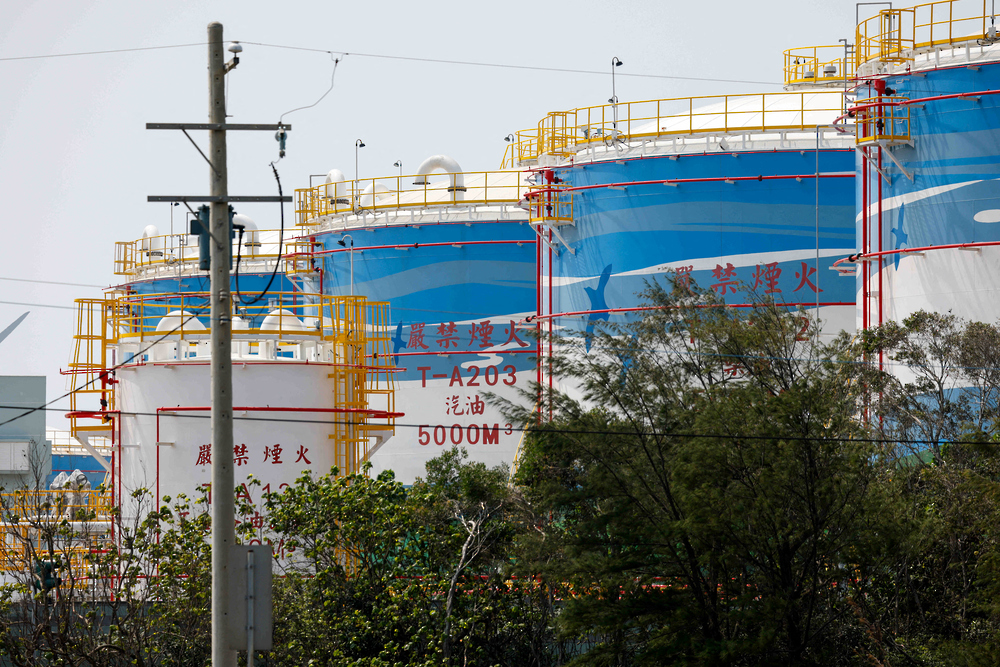
The escalating trade war between the United States and Iran has affected Asian oil refiners’ plans to increase production in August, which could keep global fuel stocks limited and raise prices for a longer period unless China fills the gap.
Asian refiners, counting on more stable oil supplies and a recovery in global fuel production during the current quarter, were expected to lead the way, but tit-for-tat attacks between the United States and Iran have once again disrupted crude oil exports from the Gulf via the region’s main shipping lane, through which a fifth of the world’s oil supply passed before the war.
This has led Asian refineries that had booked crude oil supplies for August to prepare for delays in shipments from the Middle East, while refineries in the United States and Europe are already operating at near-maximum capacity.
At the same time, Russia is banning diesel exports because of Ukrainian drone attacks on its refineries, meaning that the global supply of petroleum products will remain limited and that gasoline, diesel and jet fuel prices will rise. High fuel prices have pushed refiners’ profit margins to record highs in the United States and Europe, and to their highest level in two months in Asia.
For diesel and jet fuel, Asian refiners’ profit margins jumped to more than $65 a barrel, up from just over $20 before the war. Globally, forecasts released by the International Energy Agency on July 10 indicate that refineries will operate at a capacity of 81.6 million barrels per day in the third quarter, an increase of more than four percent compared to the second quarter, driven by the recovery in Asia, but this level is still four percent lower than the same period of the previous year.
In Asia, economic analysts predicted that the refining rate would reach 30.37 million barrels per day in August, up from about 28 million barrels per day in May and June. A Chinese refining executive predicted some delays in shipments in July and August, which would make it difficult to increase production. Chinese refinery operating rates fell to just 58 percent of capacity in June.
China has the greatest flexibility to increase production, and it is less dependent than other countries on imported crude oil, as it has a large stockpile that it can use. Chinese refineries maintained low production levels amid weak domestic demand and restrictions on fuel exports. Beijing eased export restrictions for July, but it remains unclear whether this policy will continue in August.
Analysts suggested that US and European refiners could maximise their output in the third quarter to take advantage of record profit margins, but they do not have much room to increase production.



F5 Puts Spotlight on AI Security Innovation in Oman

bp’s New Programmes Set to Benefit Communities Across Oman

The Gulf Salary Equation: The Real Cost of Living in Muscat and Dubai

Al Mouj Muscat Hands Over Completed Buildings of Al Mouj Business Park

OER Magazine August Edition 2026

What the World’s Top 10 Tech CEOs Really Earn

Executive Regulations Issued for Special Economic Zones & Free Zones Law in Oman

UAE Moves 6G ‘Golden Band’ Closer to Commercial Reality

Can You Earn 4.5% on Your Savings in Oman? The Truth About Money Market Funds

Top 5 Interesting Things AI Did This Month – September 2026 Edition

Power And Beyond: The Path To A Low-carbon Future

Al Mouj Muscat unveils Ghadeer Villas

Time to Buy Saudi Stocks? Some Investors Look at Dubai Instead

Hospitality Industry in Oman Estimated 90% Growth in 2022

Renewables are booming, but not fast enough to cap greenhouse emissions

Retail Abu Dhabi’s ‘Unbox Amazing’ generates sales of more than AED 2 billion in participating stores

Saudis Sign Deals From Energy to Metals in Bid to Salvage Forum

Saudi Arabia’s Gold Miner Plans to Be a Global Top-20 Supplier

Technology to drive Sultanate’s downstream industry

Digitization and Logistics Service Providers Can Help SMEs Make the Most of Peak Season Retail Trends

Amr Baabood: Oman Climate Week Is About Moving From Climate Ambition to Climate Action

Mayan Al Asfoor on Leadership, Legacy and Empowering Omani Talent

LEADERSPEAK: Dhofar Insurance CEO Sunil Kohli on Oman’s Insurance Sector, Reinsurance & Market Outlook

VIDEO: Robert MacLean on how NHI is Shaping Oman’s Next Generation of Hospitality Leaders

The Future of Oman: Decoding The Sultanate of Oman’s Strategic Promotional Nation Brand

EXCLUSIVE: AI, Robotics & Wearable Sensors are Changing the Lives of Dementia Patients

EXCLUSIVE: Talking Renewable Projects & Sustainability in Oman and Beyond with Vipul Tuli

VIDEO: Eng. Salim Al Thuhli, CEO, Khazaen Economic City on Investment Opportunities

H.E. Salim Al Aufi, Minister of Energy & Minerals talks about Oman’s Green Hydrogen Goals

VIDEO: Talking Latest Developments in Aircraft Ground Guidance & More at Oman Airports
-
 Artificial Intelligence1 week ago
Top 5 Interesting Things AI Did This Month – September 2026 Edition
-

 Highlights1 month ago
OERLive: Top 10 Mathematical Problems AI Has Solved or Transformed
-

 Magazines1 month ago
OER Magazine July Edition 2026
-

 Magazines1 month ago
Al Mar’a Magazine July 2026
-

 Alamaliktistaad Magazines1 month ago
Alam Al-Iktisaad Magazine July 2026 Edition
-

 Magazines2 months ago
OER Magazine – June 2026 Edition
-

 Banking & Finance2 months ago
Oman Arab Bank CEO Sulaiman Al Harthi Retires as Ali Al Mani Is Named Successor
-

 Banking & Finance2 months ago
OERLive ANALYSIS: The Coldcard Hack Shows Why Bitcoin Self-Custody Remains Difficult for Ordinary Users