
Economy
ANALYSIS: Oil Near Seven-Month Highs Amid US, Iran Tensions
Oil prices hovered near seven-month highs on Wednesday as mounting geopolitical tensions between the United States and Iran stoked fears of supply disruptions, even as both sides prepared for another round of high-stakes diplomatic talks later this week.

Oil prices hovered near seven-month highs on Wednesday as mounting geopolitical tensions between the United States and Iran stoked fears of supply disruptions, even as both sides prepared for another round of high-stakes diplomatic talks later this week.
Brent crude futures were trading at about $71.22 per barrel, up 45 cents or 0.64%, while U.S. West Texas Intermediate (WTI) futures rose 42 cents, or 0.64%, to $66.05. The gains keep both benchmarks close to levels not seen since mid-2025, underscoring the market’s heightened sensitivity to developments in the Middle East.
The rally has been driven primarily by the growing risk of military confrontation, which traders fear could disrupt oil exports from one of the world’s most critical energy corridors. The Persian Gulf – particularly the Strait of Hormuz – handles roughly a fifth of global oil consumption, making any instability in the region a major threat to global supply chains.
Brent prices reached their highest since July 31, 2025, last week, while WTI climbed to levels not seen since early August 2025. Analysts say a “geopolitical risk premium” has been priced into crude markets as investors hedge against worst-case scenarios.
The tensions come amid reports of a significant U.S. military buildup in the region and warnings from Washington that failure in nuclear negotiations could lead to stronger action against Tehran. Oil markets have historically reacted sharply to such signals, as Iran is a major producer and any disruption could ripple across global energy flows.
Adding to concerns, Iran’s position near the Strait of Hormuz gives it the ability to influence a chokepoint through which more than 20 million barrels of oil and fuel pass each day. Even the perception of risk in this corridor can trigger sharp price movements.
However, diplomatic efforts continue. U.S. and Iranian officials are scheduled to meet in Geneva on Thursday for another round of negotiations, offering a potential pathway to de-escalation. Markets remain highly reactive to any signals emerging from these talks, with previous developments causing swings of several dollars per barrel within days.
On the supply side, OPEC+ dynamics are also influencing prices. The producer group is reportedly considering a modest production increase starting in April to meet anticipated summer demand and to offset potential supply disruptions. Saudi Arabia, the world’s largest oil exporter, has also prepared contingency plans to boost output if conflict reduces regional exports.
Despite the current rally, some analysts caution that the underlying fundamentals of the oil market remain relatively balanced, with inventories not critically low and global supply still adequate. Without geopolitical tensions, Brent crude would likely be trading significantly lower, potentially in the $60–$65 range, according to market observers.



Hussain Al Maimani Joins MHD Infotech as Senior General Manager

Liva Insurance to Launch ‘Know Your Numbers’ Health Check-up Campaign as a Community Welfare Initiative for World Health Day

Vodafone Oman Marks Fourth Anniversary With Approximately 17% Market Share

Sohar International Contributes OMR100,000 to Support Those Affected by Al Masarrat Weather Conditions

Liva Insurance Announces New CSR Initiative to Renovate Children’s Cancer Ward at Sultan Qaboos University Hospital

Real Estate Price Index in Oman Grows By 13.9%

Oil Surges More Than 2% as Supply Disruptions Mount

Ibri Industrial City Localises Two Projects Worth RO2M in 2025

VIDEO: Al Khamayil Oman Scales Up Production with New Rusail Facility

Cadillac Enhances Ramadan Ownership Value With Premium Benefits Package

Power And Beyond: The Path To A Low-carbon Future

Al Mouj Muscat unveils Ghadeer Villas

Time to Buy Saudi Stocks? Some Investors Look at Dubai Instead

Hospitality Industry in Oman Estimated 90% Growth in 2022

Renewables are booming, but not fast enough to cap greenhouse emissions

Retail Abu Dhabi’s ‘Unbox Amazing’ generates sales of more than AED 2 billion in participating stores

Saudis Sign Deals From Energy to Metals in Bid to Salvage Forum

Saudi Arabia’s Gold Miner Plans to Be a Global Top-20 Supplier

Technology to drive Sultanate’s downstream industry

Digitization and Logistics Service Providers Can Help SMEs Make the Most of Peak Season Retail Trends

VIDEO: Robert MacLean on how NHI is Shaping Oman’s Next Generation of Hospitality Leaders

The Future of Oman: Decoding The Sultanate of Oman’s Strategic Promotional Nation Brand

EXCLUSIVE: AI, Robotics & Wearable Sensors are Changing the Lives of Dementia Patients

EXCLUSIVE: Talking Renewable Projects & Sustainability in Oman and Beyond with Vipul Tuli

VIDEO: Eng. Salim Al Thuhli, CEO, Khazaen Economic City on Investment Opportunities

H.E. Salim Al Aufi, Minister of Energy & Minerals talks about Oman’s Green Hydrogen Goals

VIDEO: Talking Latest Developments in Aircraft Ground Guidance & More at Oman Airports

VIDEO: Dr. Firas Al-Abduwani Discusses Green Hydrogen, Potential Regions for Development & Creating a Green Ecosystem

VIDEO: Discussing The Future of Green Hydrogen in Oman with H.E. Salim Al Aufi

Celebrating Infoline’s Remarkable 20-Year Journey
-

 Dossier2 months ago
Dossier, 2026
-

 OER Magazines1 month ago
OER, February 26
-
 Banking & Finance2 months ago
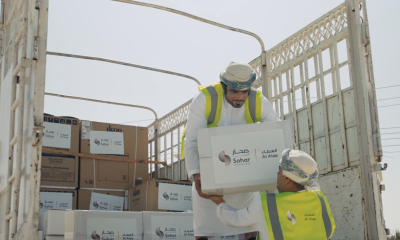
Sohar International and Sohar Islamic Supports Over 100 Families in Al Wusta Governorate Through Its ‘Sohar Al Attaa’ Initiative
-

 Banking & Finance2 months ago
National Finance Unveils Exclusive Ramadan Offers on Auto Financing
-
 Economy1 month ago
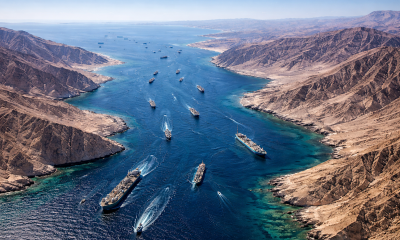
Middle East Tensions Heighten Risks to Strait of Hormuz, Raising Uncertainty for Global Oil Markets
-

 Economy2 months ago
Analysis: Oman-India CEPA Opens Path to Deeper Trade Investment and Growth
-

 Education2 months ago
Jebel View International School to Launch in Muscat in September 2026 & Now Open to Visit
-

 Economy2 months ago
New Regulations Issued for Buy Now, Pay Later Services in Oman