
Auto
Top Nissan Executive to Abruptly Leave for Japanese Electric Motor Maker
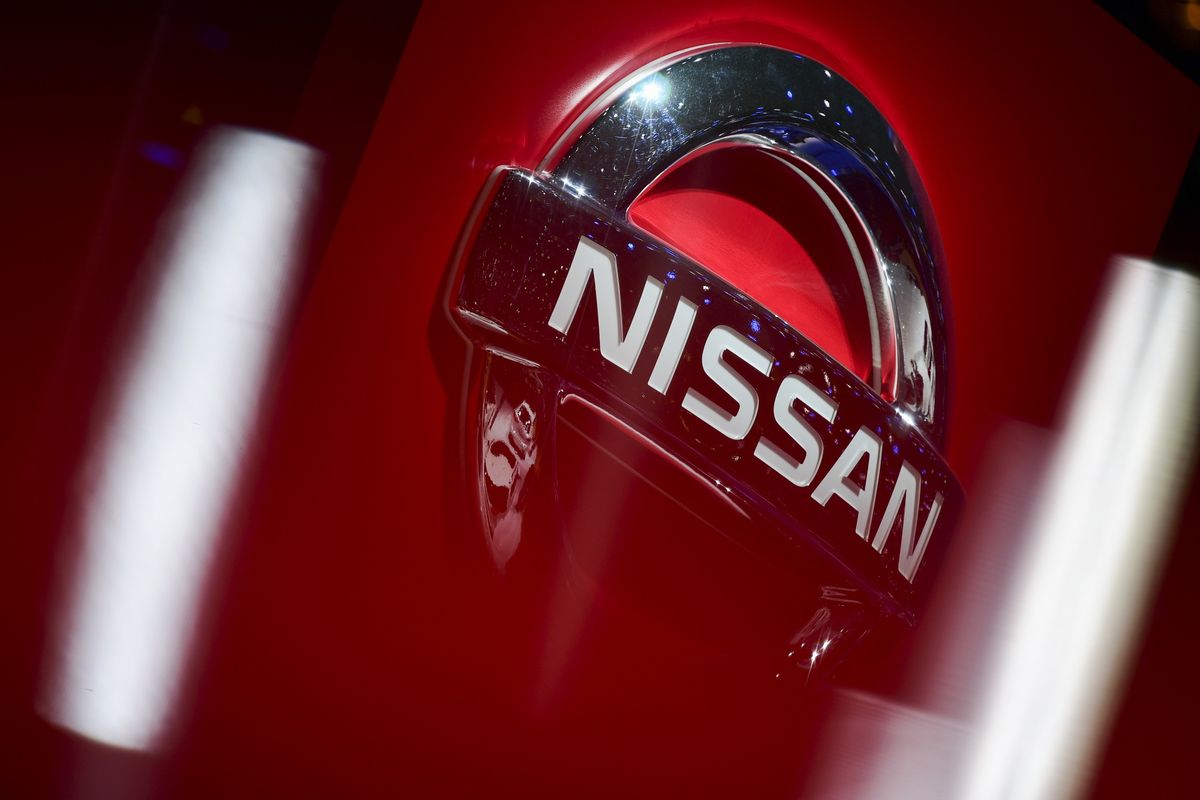
(Bloomberg) –Nissan Motor Co.’s third-highest-ranked executive is planning to leave the company to join a leading electric-motor company, an abrupt move that deals yet another blow to the scandal-plagued Japanese carmaker. The shares fell to their lowest in 8 years.
Jun Seki, the vice chief operating officer in charge of Nissan’s performance recovery, plans to join Japanese manufacturer Nidec Corp. as president and COO. The 58-year-old, who confirmed the move to Bloomberg News, was among the contenders to be Nissan’s chief executive officer in October, but missed out to Makoto Uchida, most recently the company’s China chief. Seki only took up his current position in December.
Nissan has seen its share of executive departures since last year’s shock arrest of former longtime chief Carlos Ghosn, but Seki’s exit stands out because he was part of a triumvirate set up to disperse leadership responsibilities at the automaker, Japan’s third largest by output. The defection marks yet another distraction for Nissan, which is struggling to recover from the chaos unleashed by Ghosn’s arrest and an industry downturn, with profits at a decade-low and relations tense with French partner Renault SA.
The departure of Seki, who spent most of his career in engineering and manufacturing at Nissan, comes at a precarious time for the company and the auto sector, with established carmakers seeking scale through consolidation as a way of splitting the billions of dollars in investments needed to keep up with the shift toward electric and self-driving cars.
The company’s shares fell 3.1% to 633 yen, the lowest since 2011, as of the close Wednesday in Tokyo. The shares have slid 28% this year, compared with a 19% gain in the Nikkei 225 Stock Average. Nidec climbed 0.3%.
Nissan has accepted Seki’s decision to leave the company, the carmaker said Wednesday in a statement, adding it will continue to focus on key areas including business transformation under the new management. Shiro Ikushima, a spokesman for Kyoto-based Nidec, declined to comment.
Seki will be joining a company that makes about an eighth of Nissan’s sales, but has a market value that’s more than 60% higher at about 4.5 trillion yen ($41 billion). Known for its precision products, Nidec is the world’s No. 1 supplier of hard-drive motors. The manufacturer is seeking to become a top supplier for electric vehicles, home appliances and industrial and commercial equipment, with the goal of reaching 10 trillion yen in annual sales by fiscal 2030.
Shigenobu Nagamori, Nidec’s billionaire CEO, founded the company in 1973 in a shack next to his family’s farmhouse. The outspoken chairman had appointed Hiroyuki Yoshimoto, another Nissan veteran, as COO in 2018. Nagamori, 75, is known as a dealmaker, having bought scores of companies under his tenure, and for his hard-charging management style.
Nissan’s management has been on shaky ground since Ghosn was arrested for financial crimes in November 2018. Hiroto Saikawa, Ghosn’s successor-turned-accuser, stepped down as CEO earlier this year amid a scandal over excess compensation.
Seki joined the Yokohama-based automaker in 1986, meaning new CEO Uchida and COO Ashwani Gupta will now have to fill a void left by the departure of the member of their team with the most experience within Nissan.



IHE and Eicher Trucks and Buses promote school bus safety awareness among students

India’s rising edge in oil, gas and construction projects is enabling Middle East’s growth

The Financial Services Authority organises the National Health Insurance Platform Forum ‘Dhamani’

Is India’s accelerating export engine driving manufacturing towards global scale?

SAH wins double honours at Dossier Construction Awards & Summit 2026

VIDEO: Hitesh Akarte on Khimji Ramdas Infrastructure’s Role in Oman Vision 2040

Alam Al-Iktisaad Magazine September 2026 Edition

A decade of investing: Tech portfolio returned 1,342% versus Nasdaq-100’s 636%

His Majesty the Sultan arrives in Kazakhstan

Oman’s trade surplus reaches RO5.5 billion in July 2026

Power And Beyond: The Path To A Low-carbon Future

Al Mouj Muscat unveils Ghadeer Villas

Time to Buy Saudi Stocks? Some Investors Look at Dubai Instead

Hospitality Industry in Oman Estimated 90% Growth in 2022

Renewables are booming, but not fast enough to cap greenhouse emissions

Retail Abu Dhabi’s ‘Unbox Amazing’ generates sales of more than AED 2 billion in participating stores

Saudis Sign Deals From Energy to Metals in Bid to Salvage Forum

Saudi Arabia’s Gold Miner Plans to Be a Global Top-20 Supplier

Technology to drive Sultanate’s downstream industry

Digitization and Logistics Service Providers Can Help SMEs Make the Most of Peak Season Retail Trends
VIDEO: Hitesh Akarte on Khimji Ramdas Infrastructure’s Role in Oman Vision 2040

Oman’s Hospitality Sector Enters a New Phase of Growth: Sadiq Al Matwani Al Lawati

Amr Baabood: Oman Climate Week Is About Moving From Climate Ambition to Climate Action

Mayan Al Asfoor on Leadership, Legacy and Empowering Omani Talent

LEADERSPEAK: Dhofar Insurance CEO Sunil Kohli on Oman’s Insurance Sector, Reinsurance & Market Outlook

VIDEO: Robert MacLean on how NHI is Shaping Oman’s Next Generation of Hospitality Leaders

The Future of Oman: Decoding The Sultanate of Oman’s Strategic Promotional Nation Brand

EXCLUSIVE: AI, Robotics & Wearable Sensors are Changing the Lives of Dementia Patients

EXCLUSIVE: Talking Renewable Projects & Sustainability in Oman and Beyond with Vipul Tuli

VIDEO: Eng. Salim Al Thuhli, CEO, Khazaen Economic City on Investment Opportunities
-

 Artificial Intelligence4 weeks ago
Top 5 Interesting Things AI Did This Month – September 2026 Edition
-

 Fashion2 weeks ago
Luxury Watches That Could Appreciate Over the Next Decade [2026 Auction Buyer Guide]
-

 Highlights2 months ago
OERLive: Top 10 Mathematical Problems AI Has Solved or Transformed
-

 Banking & Finance1 month ago
The GCC’s 10 Richest Billionaires: Inside US$253.5 Billion of Wealth
-
 Magazines2 months ago
OER Magazine July Edition 2026
-

 Magazines2 months ago
Al Mar’a Magazine July 2026
-

 Alamaliktistaad Magazines2 months ago
Alam Al-Iktisaad Magazine July 2026 Edition
-

 Economy2 weeks ago
OER Magazine September Edition 2026