
Banking & Finance
INVESTIGATION: Top 20 Jobs to Watch in Oman by 2030 – and What You Could Earn

From semiconductor designers and cybersecurity specialists to wind-turbine technicians and industrial maintenance professionals, these 20 roles connect the country’s investment priorities with practical career opportunities, indicative salaries and the qualifications needed to pursue them.
As Oman builds the industries that will support its economy through the next decade, the question facing students, graduates and professionals considering a career change is becoming increasingly specific: which skills will be needed to turn national investment into businesses, operating infrastructure and sustained economic growth?
The answer is taking shape across the country’s technology programmes, expanding logistics networks, renewable-energy developments and industrial transformation initiatives, where investment decisions offer a more useful guide to future employment than (fashionable) job titles alone.
The launch of the second phase of the National Digital Economy Programme on 22 October 2026 provides one of the clearest signals. Covering 2026-2030, the programme targets OMR300 million in technology investment and 3,000 direct jobs annually through digital-economy initiatives, with priorities spanning artificial intelligence, cybersecurity, financial technology, digital infrastructure and the digitalisation of economic sectors. But that employment target belongs specifically to the digital programme; the wider economy’s requirements extend considerably further.
Under the Eleventh Five-Year Development Plan, manufacturing and the digital economy sit alongside tourism as core growth sectors, supported by renewable energy, transport and logistics, mining and other activities. The plan targets growth of 10.8 per cent in the digital economy, 5.9 per cent in manufacturing and an average of 7 per cent in transport and logistics services, establishing a policy direction that connects technological capability with physical production and international trade.
For the labour market, these priorities suggest demand for people who can connect several disciplines: engineers who understand software, finance professionals who can assess infrastructure projects, logistics specialists who can interpret data, and technicians who can maintain increasingly sophisticated equipment. Some opportunities will involve emerging specialisations, while others will require established professions to develop additional capabilities.
How did we Select the Jobs – and What the Salaries Mean

The following selection is an editorial assessment of 20 roles with a strong connection to Oman’s investment priorities, operating assets and announced developments, grouped by sector rather than ranked by projected vacancy numbers. It identifies strategically important careers within these industries, rather than claiming to reproduce an official list of the country’s largest occupations or verified labour shortages.
Semiconductor design, for example, could become valuable through a relatively small specialist workforce, while maintenance and logistics skills can serve a much wider range of employers.
The salary bands are rounded estimates of current monthly pay in Omani Rials, based on public Oman salary observations and, where necessary, comparable occupations. They provide orientation for qualified professionals with relevant experience, with upper figures generally more applicable to experienced hires; they are not forecasts of 2030 salaries. Published sources also vary in their treatment of allowances, making package composition an important consideration.
Because public salary evidence remains uneven, estimates for newer specialisations are explicitly identified as using related occupations. Even established roles can have small reporting samples: the salary pages reviewed included 10 submissions for data engineers, 15 for automation engineers and four for senior solar engineers. The figures should therefore be read as broad guides rather than nationally representative pay scales.
Artificial Intelligence, Cybersecurity & Digital Infrastructure

1. Artificial Intelligence and Machine-Learning Engineer
With Oman’s national AI programme focused on adoption across economic and developmental sectors, the strongest opportunities are likely to involve applying AI to practical organisational problems. These could include improving demand forecasts, identifying unusual transactions, interpreting documents, supporting Arabic-language services and anticipating equipment failures. The policy emphasis on localising technologies and governing their use strengthens the case for engineers who can build, evaluate and maintain systems in real operating environments.
A degree in computer science, mathematics, statistics or a related engineering discipline provides a useful foundation, supported by Python, SQL, machine learning and software-development skills. Candidates should be able to demonstrate how a model performs on unfamiliar data, how errors are measured and how the system can be monitored after deployment.
Approximate monthly pay: OMR800 to 2,000, using Oman data-engineering and experienced software-engineering salaries as reference points; this is a related-role estimate rather than a validated national AI salary band.
2. Data Engineer
As government entities and businesses connect more services, the ability to organise reliable information becomes essential to almost every digital investment. Oman’s September 2026 policy on integrating government electronic systems emphasises secure data exchange and operational integration, reinforcing the need for professionals who can move information between systems while maintaining consistency and traceability. Data engineers provide the underlying infrastructure that allows analytics, automation and AI applications to function effectively.
Candidates typically enter through computer science, information systems or engineering, developing competence in databases, SQL, Python, data pipelines and cloud-based storage. A useful portfolio would demonstrate the ability to combine several imperfect datasets, identify errors and produce a dependable information source for business users.
Approximate monthly pay: OMR700 to 1,800, with progression influenced by experience in production systems, architecture and responsibility for critical organisational data.
3. Cybersecurity Specialist
As Oman expands digital services, cybersecurity is being developed as an economic sector in its own right, creating opportunities across specialist providers and the organisations buying their services. The Hadatha programme’s 2026-2030 phase prioritises national capabilities, locally developed solutions, company growth and investment, while MTCIT identifies security operations centres and cybersecurity services among its investment opportunities. This supports a career path extending from monitoring and investigation to security engineering and consulting.
A degree in cybersecurity, computer science or information technology can support entry, although practical understanding of networks, operating systems, identity management and incident investigation is equally valuable. Recognised certifications can strengthen an application when accompanied by evidence of hands-on work, such as a security laboratory or documented incident-analysis exercises.
Approximate monthly pay: OMR800 to 1,800 for specialist positions, with junior monitoring roles potentially paying less and experienced consulting or leadership roles commanding higher packages.
4. Operational Technology Cybersecurity Engineer
As industrial facilities introduce connected machinery, remote monitoring and automated controls, protecting the systems that keep production running becomes a distinct requirement. Oman’s smart-manufacturing initiatives make this particularly relevant to factories and industrial service providers, while the same capabilities can support utilities and energy assets. Operational technology specialists assess industrial networks, manage secure access and help organisations reduce cyber risk without compromising the availability of essential equipment.
An electrical, instrumentation, automation or computing background can lead into this field, especially when combined with practical experience in industrial environments. Training aligned with the ISA/IEC 62443 standards can help professionals develop the additional security knowledge required for industrial automation and control systems.
Approximate monthly pay: OMR1,000 to 2,200, using cybersecurity consulting salaries as a reference; Oman-specific pay evidence for this precise specialisation remains limited.
5. Cloud and Platform Engineer
Oman’s updated Cloud First Policy gives cloud capability a direct connection to public-sector transformation, requiring covered government entities to prioritise cloud solutions while addressing cybersecurity, data protection and risk management. As organisations migrate applications and establish new digital services, they need engineers who can configure infrastructure, automate deployments, manage access and keep systems available. Opportunities can arise within service providers, technology integrators and the organisations operating the applications themselves.
A computing degree or a strong technical diploma, combined with networking, Linux, scripting and infrastructure-management skills, provides a practical route into the profession. Platform-specific certification is most useful when supported by experience deploying an application, configuring monitoring and demonstrating recovery after a failure.
Approximate monthly pay: OMR600 to 1,800, drawing on cloud and DevOps roles, with the upper portion more relevant to experienced engineers handling automation and complex production environments.
6. Data-Centre Facilities Engineer
Behind the expansion of cloud computing and AI lies a physical requirement for reliable electricity, cooling and continuously monitored facilities, creating a career opportunity that extends beyond software. MTCIT has outlined plans for AI data centres with capacity of up to 500 megawatts, although that figure represents planned development rather than commissioned capacity. Such projects strengthen the case for engineers who understand the electrical and mechanical infrastructure supporting computing equipment.
Electrical or mechanical engineering is the usual foundation for facilities-engineering roles, supported by experience with power distribution, cooling systems, backup equipment and building-management controls. Employers also value structured maintenance, operating procedures and the ability to investigate faults in environments where interruptions carry significant consequences.
Approximate monthly pay: OMR700 to 1,800, using Oman data-centre and electrical-engineering observations as reference points; facilities technicians and engineering managers occupy different salary levels.
7. Semiconductor Design and Verification Engineer
Oman’s semiconductor ambitions have a practical foundation in chip design, where local capability can develop without waiting for every proposed manufacturing investment to materialise. Cadence’s partnership with GSME supports design activity and workforce development, while MTCIT separately identifies integrated-circuit design and testing as investment opportunities. These developments make design and verification a credible specialist career path, although the market is likely to remain smaller than general software or IT employment.
An electronics or microelectronics degree provides the clearest starting point, followed by digital logic, circuit design, hardware-description languages and electronic-design automation tools. A postgraduate qualification can help with advanced specialisations, while internships and supervised design projects build practical competence.
Approximate monthly reference band: OMR600 to 1,500, based on related electronics and electrical-engineering roles; this is a provisional comparison band because robust public Oman-specific chip-design salary data is unavailable.
Logistics, Supply Chains and International Trade

8. Supply-Chain Analyst
As Oman strengthens its position in international trade, businesses need greater visibility over how goods move, where delays occur and how much capital is tied up in inventory. The framework agreement between Asyad Group and CMA CGM for a proposed US$400 million multipurpose logistics terminal in Suhar illustrates the investment direction, linking port development with integrated logistics and supply-chain services. Analysts help translate that infrastructure into better purchasing, inventory and distribution decisions.
Degrees in logistics, business analytics, economics or industrial engineering can provide suitable foundations, with strong spreadsheet skills, SQL and familiarity with enterprise systems adding practical value. Candidates should understand how delivery performance, stock availability and inventory costs affect a business, and be able to explain their findings to operational teams.
Approximate monthly pay: OMR500 to 1,200, using analyst and supply-chain specialist observations, with stronger analytical and systems capability supporting progression.
9. Logistics Operations Manager
With port and distribution infrastructure expanding, Oman will continue to need experienced professionals who can coordinate people, equipment and customer commitments across complex operations. The Port of Salalah’s terminal expansion increased its stated annual capacity from 4.5 million to 6.5 million twenty-foot equivalent units, demonstrating the scale at which operational capability matters. Managers in terminals, warehouses and logistics businesses must convert capacity into reliable service through effective scheduling, resource allocation and performance management.
A logistics or business qualification can support progression, but management responsibility usually follows several years of operational and supervisory experience. Familiarity with warehouse or transport-management systems, budgeting, safety procedures and customer-service measures is particularly useful.
Approximate monthly pay: OMR800 to 1,800, with the scope of responsibility making a substantial difference; managing a single warehouse and overseeing several facilities are materially different jobs.
10. Customs and Trade-Compliance Specialist
As Oman develops its ports, industrial zones and international trading relationships, the ability to move goods through the correct procedures becomes an important business capability. Oman Customs’ Bayan electronic single-window system places digital processes at the centre of customs activity, making familiarity with documentation and electronic submissions valuable to importers, exporters and logistics providers. Trade-compliance specialists help businesses maintain accurate records and resolve the procedural issues that can interrupt shipments.
A diploma or degree in logistics, business or international trade can provide an entry route, supported by supervised experience with shipment documentation, tariff classification, origin requirements and Bayan processes. Attention to detail and the ability to coordinate with customers, freight providers and authorities are central to performance.
Approximate monthly pay: OMR400 to 900, using customs-clearance and broader compliance roles as reference points, with experienced specialists handling more complex trade responsibilities potentially earning more.
Finance, Payments and Investment

11. Fintech and Payments Software Engineer
Oman’s financial-sector digitalisation creates demand for developers who understand how money and data move through regulated systems, particularly as open banking develops. A published Central Bank of Oman specification for a Technical Open Finance Specialist already identifies requirements covering APIs, security, integration, interoperability and resilient infrastructure. Although that is a senior specialist position, it provides a concrete indication of the technical capabilities needed across the wider banking and payments ecosystem.
A computer-science or software-engineering degree, supported by backend development, databases, secure authentication and automated testing, offers a practical foundation. Experience with payment reconciliation, customer consent and dependable transaction processing can help a developer specialise beyond general application development.
Approximate monthly pay: OMR700 to 2,000, using software-engineering roles as the salary reference rather than implying that every fintech employer offers a separate premium.
12. Financial-Crime and AML Compliance Specialist
As financial services become faster and more connected, institutions require professionals who can evaluate customer risk, investigate suspicious activity and maintain effective controls. The Financial Services Authority (FSA)’s February 2026 review of AML/CFT supervision highlighted risk assessment, due diligence, data quality and the qualification of compliance officers across insurance and capital-market entities. These requirements support a career path that extends beyond banks into other regulated financial businesses.
Degrees in finance, accounting, law or business can lead into the profession, particularly when combined with specialist anti-money-laundering training and experience in customer review or transaction monitoring. Analytical judgement and clear documentation are essential, while data skills can help specialists identify patterns and improve monitoring processes.
Approximate monthly pay: OMR700 to 1,800, using broader compliance-officer observations; junior processing positions and senior compliance leadership roles can fall outside this range.
13. Project-Finance Analyst
Oman’s infrastructure and energy ambitions depend on professionals who can determine whether a project’s expected income can support its financing and operating commitments. The financial close of the Ibri III solar and battery-storage project in January 2026, involving international lenders and development partners, demonstrates the connection between technical investment and financial structuring. Project-finance analysts assess construction costs, revenue assumptions, debt repayment and the consequences of delays or weaker performance.
Finance, accounting, economics and engineering graduates can enter this field if they develop strong financial-modelling and analytical skills. Understanding project contracts, commercial assumptions and sensitivity analysis is particularly valuable because small changes can materially alter a project’s financial position.
Approximate monthly pay: OMR900 to 2,200, using financial and senior financial-analyst roles as reference points; this remains a related-role estimate rather than a dedicated Oman project-finance salary survey.
Renewable Energy and the Electricity Grid System
14. Solar Photovoltaic Engineer
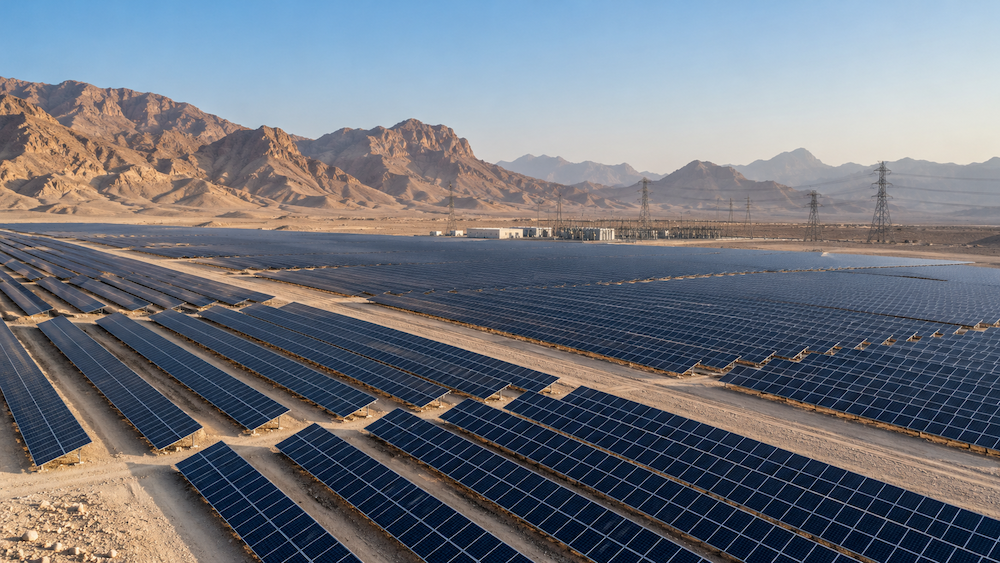
With operating solar assets at Ibri and Manah and additional projects progressing through development, solar engineering has an established connection to Oman’s electricity sector. The Ministry of Energy and Minerals’ expansion plans identify further solar capacity across several locations, supporting requirements for design, construction, commissioning and operational performance. For engineers, the opportunity extends across project developers, contractors, equipment suppliers and companies responsible for maintaining assets after commissioning.
Electrical engineering or a closely related energy discipline provides a strong foundation, supplemented by photovoltaic-system design, performance modelling and site experience. Engineers who understand how heat, dust, equipment selection and maintenance affect output can contribute throughout a plant’s operating life.
Approximate monthly pay: OMR500 to 1,500, spanning general solar-engineering work and more experienced responsibilities, based on published Oman solar and senior solar salary observations.
15. Wind-Turbine Technician

As Oman develops wind generation alongside solar power, maintaining turbines creates an opportunity for technically trained professionals who prefer practical work. The renewable-energy pipeline includes wind developments across several governorates, while OQ’s Riyah projects add further evidence of investment in this technology. Once turbines enter service, regular inspection, fault diagnosis and maintenance become recurring requirements, giving this occupation a different employment profile from construction work alone.
A diploma or vocational qualification in electrical, mechanical or mechatronics engineering can provide the starting point, followed by supervised technical training and instruction relevant to the turbine equipment. Global Wind Organisation safety and technical training may be requested by employers or site operators.
Approximate monthly pay: OMR400 to 1,000, using Oman electrical and mechanical maintenance-technician salaries as proxies; a reliable public Oman wind-technician salary sample is not yet available.
16. Power-Systems and Battery-Storage Engineer
As renewable generation expands, Oman’s electricity system needs engineers who can integrate new assets while maintaining dependable power delivery. Ibri III provides a concrete example, combining a 500-megawatt solar plant with a 100-megawatt-hour battery energy-storage system. This creates technical requirements around grid connection, protection, controls and storage performance, extending the career opportunity from individual generating plants to the wider electricity network.
An electrical-engineering degree with a focus on power systems offers the most direct route, supported by experience in network modelling, protection systems and commissioning. Battery-related work adds requirements involving power electronics, control systems and the relationship between operating patterns and equipment performance.
Approximate monthly pay: OMR800 to 1,800, using electrical and senior electrical-engineering salaries as reference points because battery-specific local salary evidence remains limited.
17. Hydrogen and Ammonia Process Engineer
Oman’s hydrogen programme creates a potential career pathway for engineers who can connect renewable electricity, water treatment, gas processing and industrial production. Hydrom’s project portfolio and the ACME development at Duqm establish a tangible project basis, although employment will depend on individual developments progressing through financing, construction and commissioning. Process engineers are relevant throughout that sequence, helping translate production objectives into equipment specifications, operating procedures and performance requirements.
Chemical or process engineering provides the strongest academic foundation, while experience in gas processing, petrochemicals, utilities or other continuous-process industries can support a transition. Additional knowledge of electrolysis, hydrogen handling, ammonia production and process safety would strengthen a candidate’s suitability.
Approximate monthly pay: OMR900 to 2,200, based on existing process-engineering roles in Oman rather than an assumed hydrogen-sector premium.
Advanced Manufacturing and Industrial Operations

18. Industrial Automation and Controls Engineer
Oman’s smart-manufacturing programme is moving towards translating factory assessments into practical implementation projects, strengthening the case for engineers who can improve production through controls and automation. In October 2026, the Ministry of Commerce, Industry and Investment Promotion highlighted the need to connect factories with technology providers and industrial expertise. Automation engineers serve this requirement by integrating sensors, controllers, drives and monitoring systems into processes that can be operated reliably.
Electrical, instrumentation or mechatronics engineering offers a suitable foundation, supported by programming industrial controllers, working with supervisory systems and commissioning equipment. Candidates who can diagnose a production problem and demonstrate a measurable improvement will have a stronger proposition than those familiar only with software interfaces.
Approximate monthly pay: OMR600 to 1,500, broadly reflecting published automation-engineering observations, with specialist senior positions potentially exceeding that range.
19. Manufacturing Quality Engineer
As Oman expands industrial production and develops more sophisticated products, quality engineering becomes central to winning customer approval and maintaining export competitiveness. Oman Cables Industry’s investment exceeding OMR10 million in Plant 3 at Rusayl illustrates the connection between manufacturing expansion, advanced technology and the development of local capabilities. Quality engineers support such environments by controlling variation, investigating defects and ensuring that materials and finished products meet specified requirements.
Also Watch: Oman Cables Breaks Ground on OMR 10 Million-Plus Plant to Power Oman’s Industrial Future
A degree in mechanical, industrial, electrical or materials engineering can provide an appropriate starting point, depending on the product being manufactured. Statistical process control, measurement techniques, root-cause analysis and quality-system auditing are valuable additions, particularly when supported by experience on a production line.
Approximate monthly pay: OMR500 to 1,200, using quality and supplier-quality engineering observations, with senior technical or management responsibilities supporting further progression.
20. Industrial Maintenance and Mechatronics Technician
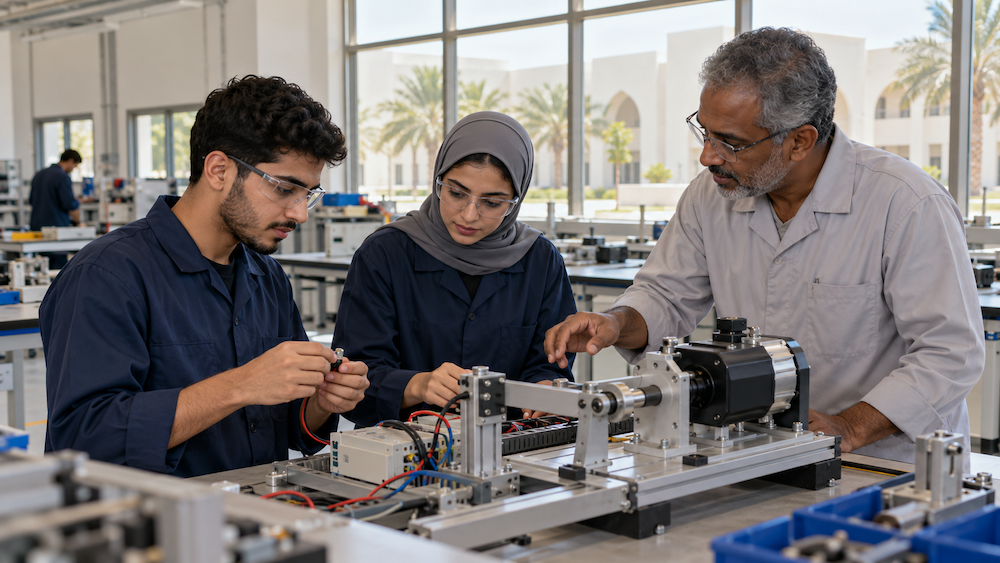
As factories adopt more automated equipment, maintaining production depends on technicians who can work across mechanical, electrical and control systems. This role connects directly to the practical requirements of industrial modernisation: motors, sensors, drives and production machinery need inspection, adjustment and repair throughout their operating lives. Oman’s clean-energy labour outlook also highlights the importance of vocational roles in long-term operations and maintenance, reinforcing the relevance of technical training beyond the initial construction phase.
A vocational qualification or diploma in industrial maintenance, electrical technology, mechanical engineering or mechatronics can offer a direct pathway, particularly when combined with an apprenticeship or substantial workshop experience. Reading technical drawings, diagnosing faults and documenting maintenance work are important capabilities.
Approximate monthly pay: OMR350 to 800, drawing on electrical and mechanical maintenance-technician observations, with supervision and specialist equipment expertise offering routes to higher responsibility.
Why the Timing of Investment Matters
Although these roles share a connection to Oman’s economic direction, their employment timelines will differ according to the maturity of the industries and projects involved. Cloud services, financial systems, logistics operations and existing industrial assets already provide settings in which many of these skills can be applied, while parts of the semiconductor, hydrogen and battery-storage markets will develop through more specialised and project-dependent opportunities.
The distinction between constructing an asset and operating it is especially important for students and training institutions making decisions today. The Majan Council’s Oman Clean Energy Labour Outlook explains that employment can peak during project development and construction before settling into longer-term operating and maintenance requirements, where vocational occupations play a prominent role. Its findings also indicate that many green-sector capabilities can be developed by extending existing engineering, IT and management skills.
For professionals already working in Oman, this creates practical transition routes that build on experience they have accumulated. An instrumentation engineer can develop automation or industrial cybersecurity expertise; an electrical technician can train for renewable-energy equipment; a software developer can specialise in payments; and a finance professional can add project-modelling capability. Each transition is strongest when supported by exposure to actual equipment, systems or commercial decisions.
What Will Make a Candidate Valuable by 2030?

For students choosing qualifications, the investment picture suggests that a strong foundation followed by relevant specialisation offers considerable flexibility. Computing, electrical engineering, chemical engineering, logistics, accounting and vocational technical programmes can each connect to several of the roles identified here, particularly when education includes internships, supervised projects and access to the tools used by employers.
For jobseekers, demonstrable competence will help make those qualifications meaningful: a functioning data pipeline, a well-tested application, a documented maintenance improvement or a financial model that withstands scrutiny can explain what a candidate is capable of contributing. Communication also matters across these occupations, because technical specialists must work with customers, managers, regulators and colleagues whose expertise differs from their own.
As Oman’s investment priorities move through implementation, the professionals best positioned to contribute will be those who can connect their expertise to a clear operating need—keeping a payment service reliable, improving a factory’s output, maintaining a wind turbine or moving cargo efficiently. Building that capability would allow the country’s digital and industrial ambitions to support both stronger businesses and more durable careers.



INVESTIGATION: Top 20 Jobs to Watch in Oman by 2030 – and What You Could Earn

National Finance & Dar Al Atta’a Renew Partnership to Empower Omani Women Through Tamkeen Beekeeping Program

VIDEO: DEEPAL Unveils New Flagship Model S09 in Oman

Win OMR 3,000: ROP & Bank Muscat Launch Cyber Fraud Awareness Short Film Competition

EXCLUSIVE INTERVIEW: Yango’s Big Vision for Oman

Leadership, Transformation Forum Reviews Inspiring Women’s Experiences

OPINION: GCC Navigates Global Macro Volatility as Worldwide Growth Moderates to 2.6%

City Centre Muscat Celebrates 25 Years of Great Moments as Mall of Oman Marks Its Fifth Anniversary

HM The Sultan Accorded Official Reception Ceremony at Windsor Castle

61.7% of Middle Eastern Families Involve the Next Generation As Business Successors or Consultants

Power And Beyond: The Path To A Low-carbon Future

Al Mouj Muscat unveils Ghadeer Villas

Time to Buy Saudi Stocks? Some Investors Look at Dubai Instead

Hospitality Industry in Oman Estimated 90% Growth in 2022

Renewables are booming, but not fast enough to cap greenhouse emissions

Retail Abu Dhabi’s ‘Unbox Amazing’ generates sales of more than AED 2 billion in participating stores

Saudis Sign Deals From Energy to Metals in Bid to Salvage Forum

Saudi Arabia’s Gold Miner Plans to Be a Global Top-20 Supplier

Technology to drive Sultanate’s downstream industry

Digitization and Logistics Service Providers Can Help SMEs Make the Most of Peak Season Retail Trends

VIDEO: Building Oman’s Future – SAH’s Vision for Infrastructure, Innovation and Growth

VIDEO: Oman Cables Breaks Ground on OMR 10 Million-Plus Plant to Power Oman’s Industrial Future

VIDEO: Hitesh Akarte on Khimji Ramdas Infrastructure’s Role in Oman Vision 2040

Oman’s Hospitality Sector Enters a New Phase of Growth: Sadiq Al Matwani Al Lawati

Amr Baabood: Oman Climate Week Is About Moving From Climate Ambition to Climate Action

Mayan Al Asfoor on Leadership, Legacy and Empowering Omani Talent

LEADERSPEAK: Dhofar Insurance CEO Sunil Kohli on Oman’s Insurance Sector, Reinsurance & Market Outlook

VIDEO: Robert MacLean on how NHI is Shaping Oman’s Next Generation of Hospitality Leaders

The Future of Oman: Decoding The Sultanate of Oman’s Strategic Promotional Nation Brand

EXCLUSIVE: AI, Robotics & Wearable Sensors are Changing the Lives of Dementia Patients
-

 Artificial Intelligence1 month ago
Top 5 Interesting Things AI Did This Month – September 2026 Edition
-

 Economy4 weeks ago
OER Magazine September Edition 2026
-

 Fashion4 weeks ago
Luxury Watches That Could Appreciate Over the Next Decade [2026 Auction Buyer Guide]
-

 Banking & Finance2 months ago
The GCC’s 10 Richest Billionaires: Inside US$253.5 Billion of Wealth
-
 Alamaliktistaad Magazines3 weeks ago
Alam Al-Iktisaad Magazine September 2026 Edition
-

 Banking & Finance2 months ago
INVESTIGATION: What If You Bought Apple Stock Every Time You Bought an iPhone?
-

 News2 months ago
OPEC+ Holds Output Steady for October as Focus Shifts to 2027 Quotas
-

 Artificial Intelligence1 month ago
What the World’s Top 10 Tech CEOs Really Earn