
News
Nakheel Chairman Ali Lootah to Leave After 10 Years In Role
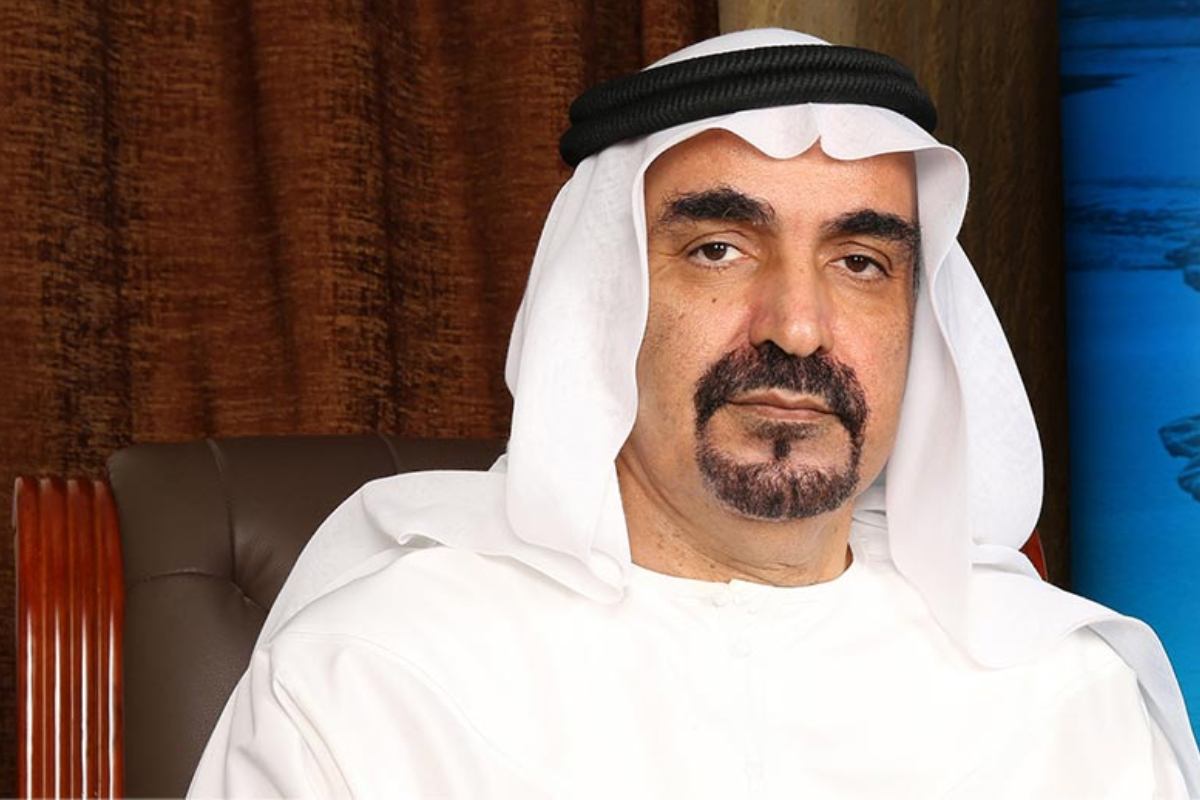
(Bloomberg) –Nakheel PJSC Chairman Ali Lootah, who steered the Dubai state-owned developer through a $10.5 billion debt restructuring, is leaving after 10 years in the role, according to people with knowledge of the matter.
Lootah was hired as head of the developer of the palm-shaped islands in 2010, replacing Sultan Ahmed Bin Sulayem. The people asked not to be identified because the matter isn’t public.
A spokeswoman for Nakheel declined to comment.
Nakheel was at the center of Dubai’s debt crisis in 2009 that pushed the emirate to the brink of a default. After receiving support from the government, it now has billions of dirhams of projects and infrastructure development underway.
Still, Nakheel is among developers coming under pressure as Dubai’s property market’s long decline since a peak in October 2014 defies all predictions of a rebound. The company in March dismissed about 300 employees as part of its plans to consolidate its operations, people with knowledge of the matter said at the time.
Dubai is taking steps to help the market recover. In September, the government set up a committee to manage the supply and demand of properties.
Nakheel reported a profit of 4.38 billion dirhams ($1.2 billion) in 2018, down from 5.67 billion a year earlier.



What Is This Wind-Powered Giant That Just Arrived in Oman?

GALLERY: HM The Sultan Inaugurates New Headquarters of Internal Security Service in Dhofar

OPINION: Space Stocks Gain Momentum as Investors Search for the Right Price

The Sultanate of Oman & Republic of Rwanda Sign Two Agreements, Six MoUs

Amr Baabood: Oman Climate Week Is About Moving From Climate Ambition to Climate Action

Electric vs Petrol: Which Is Actually Cheaper to Run in Oman?

How Much Will It Cost to Charge an Electric Car in Oman?

HM The Sultan Receives President of Rwanda

Oman’s Mwasalat To Get New Hyundai Hydrogen-Powered & Smart Buses

The GCC’s 10 Richest Billionaires: Inside US$253.5 Billion of Wealth

Power And Beyond: The Path To A Low-carbon Future

Al Mouj Muscat unveils Ghadeer Villas

Time to Buy Saudi Stocks? Some Investors Look at Dubai Instead

Hospitality Industry in Oman Estimated 90% Growth in 2022

Renewables are booming, but not fast enough to cap greenhouse emissions

Retail Abu Dhabi’s ‘Unbox Amazing’ generates sales of more than AED 2 billion in participating stores

Saudis Sign Deals From Energy to Metals in Bid to Salvage Forum

Saudi Arabia’s Gold Miner Plans to Be a Global Top-20 Supplier

Technology to drive Sultanate’s downstream industry

Digitization and Logistics Service Providers Can Help SMEs Make the Most of Peak Season Retail Trends
Amr Baabood: Oman Climate Week Is About Moving From Climate Ambition to Climate Action

Mayan Al Asfoor on Leadership, Legacy and Empowering Omani Talent

LEADERSPEAK: Dhofar Insurance CEO Sunil Kohli on Oman’s Insurance Sector, Reinsurance & Market Outlook

VIDEO: Robert MacLean on how NHI is Shaping Oman’s Next Generation of Hospitality Leaders

The Future of Oman: Decoding The Sultanate of Oman’s Strategic Promotional Nation Brand

EXCLUSIVE: AI, Robotics & Wearable Sensors are Changing the Lives of Dementia Patients

EXCLUSIVE: Talking Renewable Projects & Sustainability in Oman and Beyond with Vipul Tuli

VIDEO: Eng. Salim Al Thuhli, CEO, Khazaen Economic City on Investment Opportunities

H.E. Salim Al Aufi, Minister of Energy & Minerals talks about Oman’s Green Hydrogen Goals

VIDEO: Talking Latest Developments in Aircraft Ground Guidance & More at Oman Airports
-
 Banking & Finance2 months ago
Bank Muscat posts net profit of RO137.49 million in H1 2026
-
 Magazines3 weeks ago
OER Magazine July Edition 2026
-

 Highlights3 weeks ago
OERLive: Top 10 Mathematical Problems AI Has Solved or Transformed
-

 Banking & Finance1 month ago
Oman Housing Bank launches digital waiting list for housing loans
-

 Magazines3 weeks ago
Al Mar’a Magazine July 2026
-

 News4 weeks ago
Made by Google 2026: Top 10 Biggest Launches You Need to Know – From the New Pixel 11 to a Life-Saving AI Watch
-
 Alamaliktistaad Magazines3 weeks ago
Alam Al-Iktisaad Magazine July 2026 Edition
-

 Banking & Finance1 month ago
OERLive ANALYSIS: The Coldcard Hack Shows Why Bitcoin Self-Custody Remains Difficult for Ordinary Users