
Technology
Why Disruption is not Disruptive Anymore
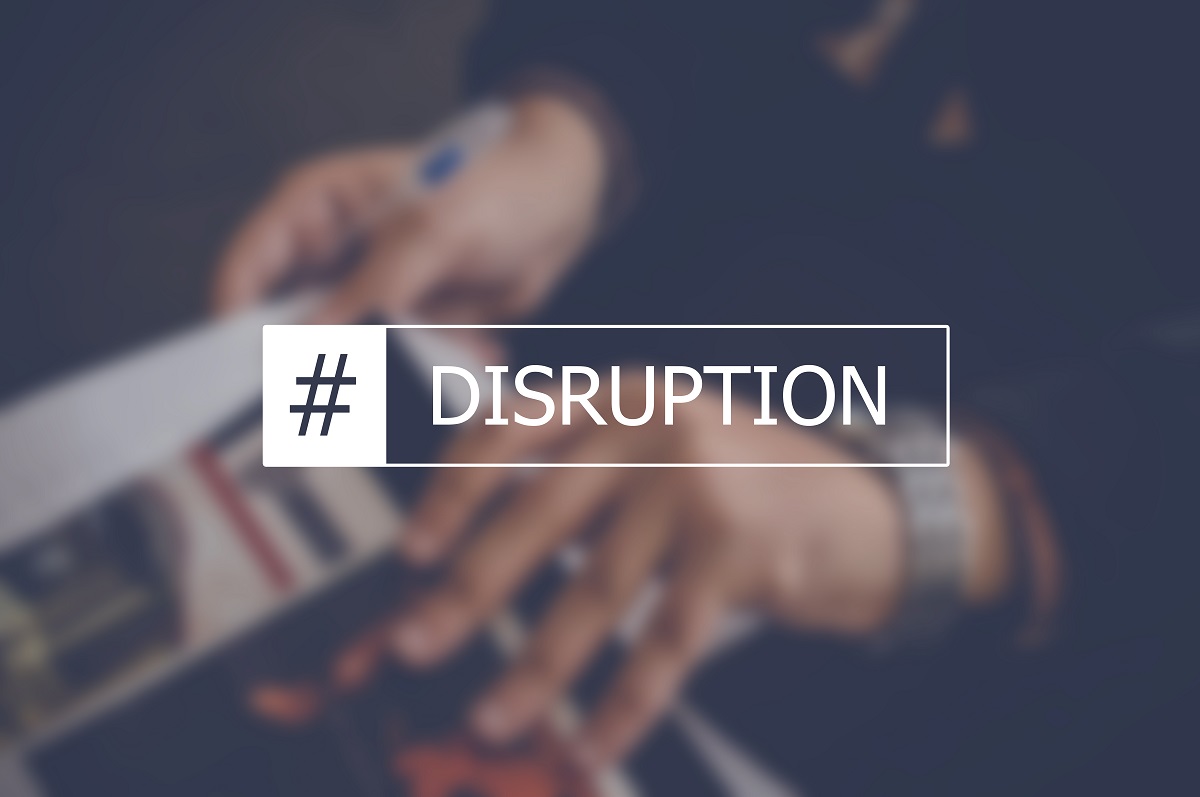
In the past decade, disruption was the in-thing. You’d see this word in every pitch deck, in meetings with entrepreneurs or even in boardrooms with an investors.
Do we need a reality check when it comes to using this word?
First, let’s understand what disruption is
The word disruption first made its way into the business glossary in the year 1997 when Clatyon Christensen published his book – The Innovator’s Dilemma. He stated in his book that companies which take care of their customers’ future needs, rather than just the current ones, will be the real game changers or disrupt the way business is done by the established players.
The disruptors create markets when there aren’t any. They create demand even when the customers don’t know whether they are ready for it.
Sadly, every startup or business has used and abused the term over the years to call every innovation as ‘disruption.’
Let’s explain with an example
The big picture of Netflix
Netflix is a prime example of disruption because it has truly changed the way we watch TV in our living rooms. The company saw the future of blazing internet speeds, and the ways in which it would transform the entertainment industry.
Therefore, from being just a platform that delivers movies on demand by mail, Netflix became a subscription-based streaming service with rich, original content. No wonder, the company is worth billions today.
The iPhone began ringing in 2008
The iPhone was disruptive because it changed the way we touched, viewed and used our phones. Plus, it changed the face of manufacturing and assembling phones forever. Today, The QWERTY keypad phones are almost extinct.
In both the examples, there was no market that existed until these disruptors came in and created on.
This then brings us to the next point:
Uber is not disruptive
Yes, many experts might not agree. Technically speaking, for disruption to take place a market must be non-existent, which is not the case for Uber, which already had an existing market for taxis. What it did was tap into the market with a superior product, technology and experience.
The bottomline
Every innovation is not a disruption and businesses need to know when and how to use it. At the same time rather than just innovating, companies need to understand their customers and be proactive in adapting. And the last but not the least, technology is a part of innovation. Businesses have to change their core products and services with or without technology.



Sohar International Launches Expatriate Banking Proposition with Housing Loans, Cashback, Insurance & Digital Remittance Solutions

INVESTIGATION: What Happens to Oman’s Economy at $60, $80, $100 and $120 Oil?

From Liverpool to Sultana: Testimonies to Centuries-Old Omani-British Friendship

What is El Nino – And How Is It Expected To Affect Oman’s Weather & Economy?

VIDEO: Building Oman’s Future – SAH’s Vision for Infrastructure, Innovation and Growth

The Hidden Price of Convenience: What People in Oman Spend on Food Delivery, Coffee & Subscriptions

VIDEO: Oman Cables Breaks Ground on OMR 10 Million-Plus Plant to Power Oman’s Industrial Future

Liva Insurance Recognised for Leadership in Insurance Innovation and Digital Transformation at OERLive DX Oman

Oman Air Launches Winter Schedule with Additional Frequencies, Expanded Capacity & New Codeshare Destinations

IHE and Eicher Trucks and Buses promote school bus safety awareness among students

Power And Beyond: The Path To A Low-carbon Future

Al Mouj Muscat unveils Ghadeer Villas

Time to Buy Saudi Stocks? Some Investors Look at Dubai Instead

Hospitality Industry in Oman Estimated 90% Growth in 2022

Renewables are booming, but not fast enough to cap greenhouse emissions

Retail Abu Dhabi’s ‘Unbox Amazing’ generates sales of more than AED 2 billion in participating stores

Saudis Sign Deals From Energy to Metals in Bid to Salvage Forum

Saudi Arabia’s Gold Miner Plans to Be a Global Top-20 Supplier

Technology to drive Sultanate’s downstream industry

Digitization and Logistics Service Providers Can Help SMEs Make the Most of Peak Season Retail Trends
VIDEO: Building Oman’s Future – SAH’s Vision for Infrastructure, Innovation and Growth
VIDEO: Oman Cables Breaks Ground on OMR 10 Million-Plus Plant to Power Oman’s Industrial Future

VIDEO: Hitesh Akarte on Khimji Ramdas Infrastructure’s Role in Oman Vision 2040

Oman’s Hospitality Sector Enters a New Phase of Growth: Sadiq Al Matwani Al Lawati

Amr Baabood: Oman Climate Week Is About Moving From Climate Ambition to Climate Action

Mayan Al Asfoor on Leadership, Legacy and Empowering Omani Talent

LEADERSPEAK: Dhofar Insurance CEO Sunil Kohli on Oman’s Insurance Sector, Reinsurance & Market Outlook

VIDEO: Robert MacLean on how NHI is Shaping Oman’s Next Generation of Hospitality Leaders

The Future of Oman: Decoding The Sultanate of Oman’s Strategic Promotional Nation Brand

EXCLUSIVE: AI, Robotics & Wearable Sensors are Changing the Lives of Dementia Patients
-

 Artificial Intelligence1 month ago
Top 5 Interesting Things AI Did This Month – September 2026 Edition
-
 Fashion3 weeks ago
Luxury Watches That Could Appreciate Over the Next Decade [2026 Auction Buyer Guide]
-

 Economy3 weeks ago
OER Magazine September Edition 2026
-

 Banking & Finance1 month ago
The GCC’s 10 Richest Billionaires: Inside US$253.5 Billion of Wealth
-
 Magazines2 months ago
OER Magazine July Edition 2026
-

 Magazines2 months ago
Al Mar’a Magazine July 2026
-
 Banking & Finance1 month ago
INVESTIGATION: What If You Bought Apple Stock Every Time You Bought an iPhone?
-
 Alamaliktistaad Magazines2 months ago
Alam Al-Iktisaad Magazine July 2026 Edition
You must be logged in to post a comment Login