
News
New Invention Harvests Lithium From Salt Water – Here’s Why This Is Important
A revolutionary leap in sustainable technology is here – scientists from the University of California, Berkeley, and Nanjing University have designed a solar-powered device that can extract lithium from salty water with minimal environmental impact.
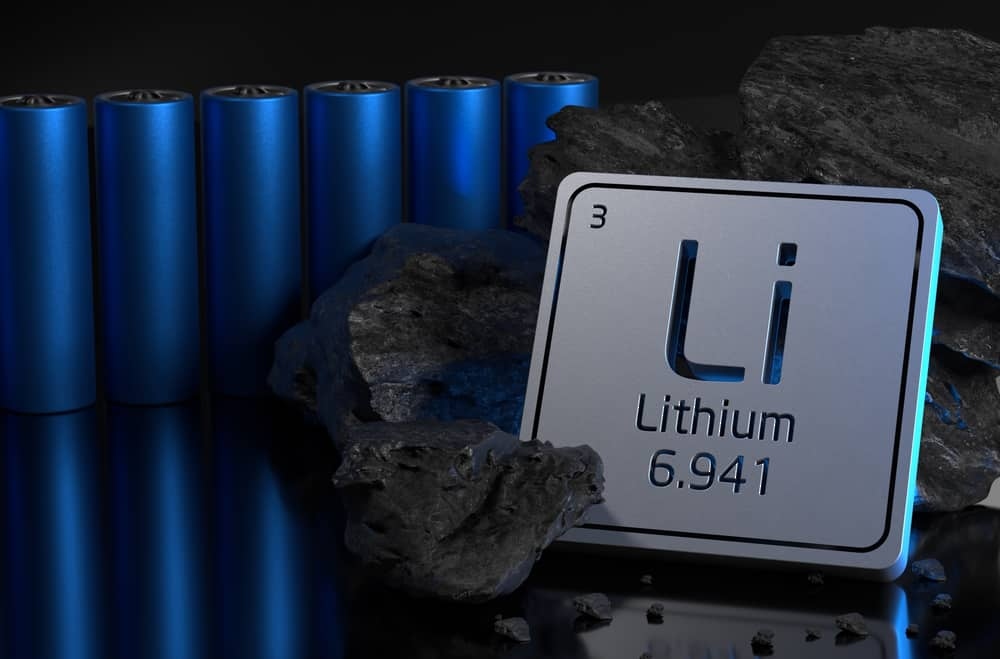
A revolutionary leap in sustainable technology is here – scientists from the University of California, Berkeley, and Nanjing University have designed a solar-powered device that can extract lithium from salty water with minimal environmental impact.
This innovation is set to transform lithium mining, offering a greener path to fuel the world’s surging demand for rechargeable batteries in electric vehicles, electronics, and renewable energy systems.
How It Works
The device uses a solar transpiration-powered process inspired by plants that absorb ions from salty environments. It incorporates a hierarchically structured membrane system with layers dedicated to evaporation, nanofiltration, and lithium storage.
By relying solely on sunlight, it eliminates the need for external energy sources, making it a carbon-neutral solution. The device captures lithium ions selectively, separating them from brines containing as little as three milligrams of lithium per litre. Under ambient conditions, each module can extract approximately 33.2 milligrams of lithium per square meter daily. Arrays of these devices can float on existing brine ponds used in lithium mining.
Why This Matters
- Environmental Impact: Traditional lithium mining is resource-intensive and environmentally damaging, often involving substantial land use and greenhouse gas emissions. This solar-powered alternative could dramatically reduce the environmental footprint by avoiding fossil fuel dependence and minimising waste.
- Growing Lithium Demand: With global lithium demand projected to triple by 2030 due to the EV boom and battery storage needs, sustainable extraction methods are vital. Current reserves may not meet this demand without innovative technologies.
- Scalability and Accessibility: The device is scalable, making it feasible for use in diverse saline environments such as seawater or brine lakes like the Dead Sea. This approach broadens the spectrum of extractable lithium sources.
- Economic Viability: The passive design significantly lowers operational costs compared to conventional extraction methods, which require intensive energy inputs. Researchers emphasise the potential for further efficiency improvements as membrane technology evolves.
Lithium’s Strategic Importance
Lithium is a linchpin for decarbonisation efforts. It underpins energy storage technologies vital for transitioning to renewable energy grids and electrified transport systems. The World Bank – as per a recently published report – estimates a 500% increase in mineral demand for clean energy technologies by 2050, with lithium leading the charge.
Future Outlook
While this technology is a step forward, challenges remain in optimising membrane efficiency and scaling up production to compete with established methods. A comprehensive techno-economic analysis is needed to validate its practicality for large-scale deployment.
However, the innovation does highlight the potential for harmonising industrial needs with environmental sustainability, paving the way for a greener lithium supply chain.



The Hidden Price of Convenience: What People in Oman Spend on Food Delivery, Coffee & Subscriptions

VIDEO: Oman Cables Breaks Ground on OMR 10 Million-Plus Plant to Power Oman’s Industrial Future

Liva Insurance Recognised for Leadership in Insurance Innovation and Digital Transformation at OERLive DX Oman

Oman Air Launches Winter Schedule with Additional Frequencies, Expanded Capacity & New Codeshare Destinations

IHE and Eicher Trucks and Buses promote school bus safety awareness among students

India’s rising edge in oil, gas and construction projects is enabling Middle East’s growth

The Financial Services Authority organises the National Health Insurance Platform Forum ‘Dhamani’

Is India’s accelerating export engine driving manufacturing towards global scale?

SAH wins double honours at Dossier Construction Awards & Summit 2026

VIDEO: Hitesh Akarte on Khimji Ramdas Infrastructure’s Role in Oman Vision 2040

Power And Beyond: The Path To A Low-carbon Future

Al Mouj Muscat unveils Ghadeer Villas

Time to Buy Saudi Stocks? Some Investors Look at Dubai Instead

Hospitality Industry in Oman Estimated 90% Growth in 2022

Renewables are booming, but not fast enough to cap greenhouse emissions

Retail Abu Dhabi’s ‘Unbox Amazing’ generates sales of more than AED 2 billion in participating stores

Saudis Sign Deals From Energy to Metals in Bid to Salvage Forum

Saudi Arabia’s Gold Miner Plans to Be a Global Top-20 Supplier

Technology to drive Sultanate’s downstream industry

Digitization and Logistics Service Providers Can Help SMEs Make the Most of Peak Season Retail Trends
VIDEO: Oman Cables Breaks Ground on OMR 10 Million-Plus Plant to Power Oman’s Industrial Future
VIDEO: Hitesh Akarte on Khimji Ramdas Infrastructure’s Role in Oman Vision 2040

Oman’s Hospitality Sector Enters a New Phase of Growth: Sadiq Al Matwani Al Lawati

Amr Baabood: Oman Climate Week Is About Moving From Climate Ambition to Climate Action

Mayan Al Asfoor on Leadership, Legacy and Empowering Omani Talent

LEADERSPEAK: Dhofar Insurance CEO Sunil Kohli on Oman’s Insurance Sector, Reinsurance & Market Outlook

VIDEO: Robert MacLean on how NHI is Shaping Oman’s Next Generation of Hospitality Leaders

The Future of Oman: Decoding The Sultanate of Oman’s Strategic Promotional Nation Brand

EXCLUSIVE: AI, Robotics & Wearable Sensors are Changing the Lives of Dementia Patients

EXCLUSIVE: Talking Renewable Projects & Sustainability in Oman and Beyond with Vipul Tuli
-

 Artificial Intelligence1 month ago
Top 5 Interesting Things AI Did This Month – September 2026 Edition
-

 Fashion3 weeks ago
Luxury Watches That Could Appreciate Over the Next Decade [2026 Auction Buyer Guide]
-

 Economy3 weeks ago
OER Magazine September Edition 2026
-

 Banking & Finance1 month ago
The GCC’s 10 Richest Billionaires: Inside US$253.5 Billion of Wealth
-

 Magazines2 months ago
OER Magazine July Edition 2026
-

 Magazines2 months ago
Al Mar’a Magazine July 2026
-

 Banking & Finance1 month ago
INVESTIGATION: What If You Bought Apple Stock Every Time You Bought an iPhone?
-

 Alamaliktistaad Magazines2 months ago
Alam Al-Iktisaad Magazine July 2026 Edition