
Economy
Saudi Arabia Said to Review Expat Fees as Economy Feels Sting
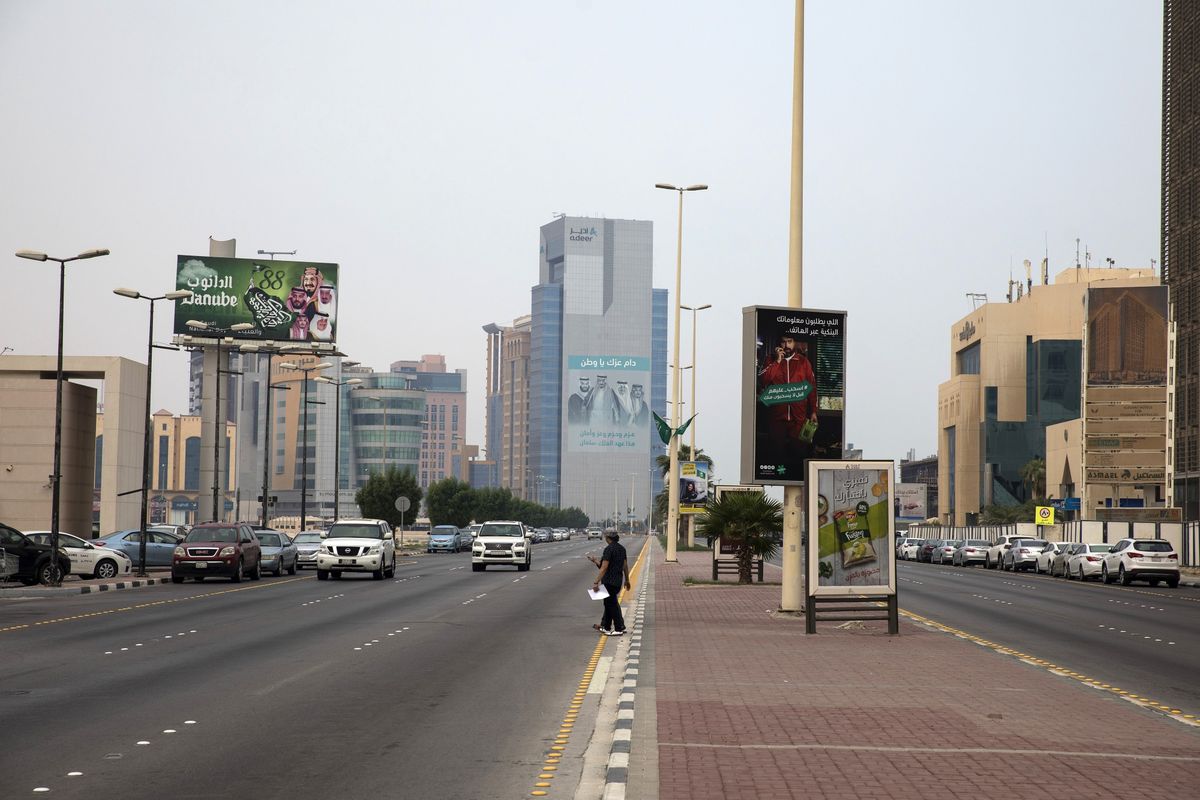
Saudi Arabia is reviewing its policy of imposing fees on expatriate workers after rising costs inflicted economic pain and contributed to an exodus of foreigners, according to four people familiar with the matter.
While it’s unlikely the fees will be canceled altogether, a ministerial committee is looking at modifying or restructuring them, one of the people said. A decision is expected within weeks, two of the people said. They all spoke on condition of anonymity because the information isn’t public yet.
Announced in 2016 as part of a drive to increase non-oil government revenue — a key goal of Crown Prince Mohammed bin Salman’s economic transformation plan — the fees have been unpopular with business owners in a country accustomed to cheaper foreign labor. Partly as a result, hundreds of thousands of foreigners have left the kingdom, hitting the already-struggling economy but failing to make much of a dent in Saudi unemployment.
The aim of the review is to reconcile the government’s fiscal needs with the ability of the private sector to hire and grow, one of the people said.
The Labor Ministry and the government’s Center for International Communication didn’t immediately respond to requests for comment.
After the kingdom’s economy contracted 0.9 percent last year, officials are keen to stimulate the private sector, which has had difficulty adapting to some of the crown prince’s rapid policy changes.
A Bloomberg survey of analysts showed gross domestic product is expected to expand 2.2 percent this year, still modest compared to growth rates before the oil-price rout of 2014 spurred Prince Mohammed’s overhaul plan, dubbed “Vision 2030.”
Two types of so-called expat fees are currently in force. The first, charged for each familial dependent of a foreign worker, was implemented in July 2017. It started at 100 riyals ($27) a month per dependent and is scheduled to increase by 100 riyals each year. The second kind of fee was introduced in January and is borne by businesses that employ foreigners, partly to encourage them to hire Saudis.
As the charges came into effect, many foreigners decided to send their families home or left altogether. That’s affected a wide range of the businesses that served them, from restaurants to telecommunication companies. Meanwhile, despite the departures, Saudi unemployment has inched up to 12.9 percent, its highest level in more than a decade.



The Financial Services Authority organises the National Health Insurance Platform Forum ‘Dhamani’

Is India’s accelerating export engine driving manufacturing towards global scale?

SAH wins double honours at Dossier Construction Awards & Summit 2026

VIDEO: Hitesh Akarte on Khimji Ramdas Infrastructure’s Role in Oman Vision 2040

Alam Al-Iktisaad Magazine September 2026 Edition

A decade of investing: Tech portfolio returned 1,342% versus Nasdaq-100’s 636%

His Majesty the Sultan arrives in Kazakhstan

Oman’s trade surplus reaches RO5.5 billion in July 2026

Agreements worth over RO1 billion signed at Urban October 2026

Workers’ Remittances from GCC Countries Record Highest Value Globally

Power And Beyond: The Path To A Low-carbon Future

Al Mouj Muscat unveils Ghadeer Villas

Time to Buy Saudi Stocks? Some Investors Look at Dubai Instead

Hospitality Industry in Oman Estimated 90% Growth in 2022

Renewables are booming, but not fast enough to cap greenhouse emissions

Retail Abu Dhabi’s ‘Unbox Amazing’ generates sales of more than AED 2 billion in participating stores

Saudis Sign Deals From Energy to Metals in Bid to Salvage Forum

Saudi Arabia’s Gold Miner Plans to Be a Global Top-20 Supplier

Technology to drive Sultanate’s downstream industry

Digitization and Logistics Service Providers Can Help SMEs Make the Most of Peak Season Retail Trends
VIDEO: Hitesh Akarte on Khimji Ramdas Infrastructure’s Role in Oman Vision 2040

Oman’s Hospitality Sector Enters a New Phase of Growth: Sadiq Al Matwani Al Lawati

Amr Baabood: Oman Climate Week Is About Moving From Climate Ambition to Climate Action

Mayan Al Asfoor on Leadership, Legacy and Empowering Omani Talent

LEADERSPEAK: Dhofar Insurance CEO Sunil Kohli on Oman’s Insurance Sector, Reinsurance & Market Outlook

VIDEO: Robert MacLean on how NHI is Shaping Oman’s Next Generation of Hospitality Leaders

The Future of Oman: Decoding The Sultanate of Oman’s Strategic Promotional Nation Brand

EXCLUSIVE: AI, Robotics & Wearable Sensors are Changing the Lives of Dementia Patients

EXCLUSIVE: Talking Renewable Projects & Sustainability in Oman and Beyond with Vipul Tuli

VIDEO: Eng. Salim Al Thuhli, CEO, Khazaen Economic City on Investment Opportunities
-

 Artificial Intelligence3 weeks ago
Top 5 Interesting Things AI Did This Month – September 2026 Edition
-

 Fashion2 weeks ago
Luxury Watches That Could Appreciate Over the Next Decade [2026 Auction Buyer Guide]
-

 Highlights2 months ago
OERLive: Top 10 Mathematical Problems AI Has Solved or Transformed
-
 Magazines2 months ago
OER Magazine July Edition 2026
-

 Banking & Finance1 month ago
The GCC’s 10 Richest Billionaires: Inside US$253.5 Billion of Wealth
-

 Magazines2 months ago
Al Mar’a Magazine July 2026
-

 Alamaliktistaad Magazines2 months ago
Alam Al-Iktisaad Magazine July 2026 Edition
-

 Magazines2 months ago
OER Magazine – June 2026 Edition
You must be logged in to post a comment Login