
Economy
Oil Below Zero, Remittance Risk, Beijing Pays Price: Eco Day

(Bloomberg) — Welcome to Tuesday, Asia. Here’s the latest news and analysis from Bloomberg Economics to help you start the day:
- Oil went negative for the first time on concerns the world is running out of places to store crude. Traders were willing to pay $40 a barrel just to get somebody to take crude off their hands
- For millions of Filipinos, money sent home by a relative working overseas can make the difference between hunger and survival. This year, those funds may not arrive
- China’s authorities are paying the price for their slow pace of economic reform, complicating efforts to finance stimulus
- The 10-year U.S. breakeven rate plunged back below 1% accompanied by a historic slump in crude oil prices. Here’s an explanation of why deflation is poison for virus-plagued economies
- China’s overall back-to-work rate was between 90-95% in the week ended April 17, writes David Qu, while noting efforts to resume work are running into constraints from a downturn in external demand
- New Zealand’s central bank is proposing to remove mortgage loan-to-value restrictions to allow banks more freedom to keep lending as the nation faces a severe economic downturn
- India’s central bank has a number of policy options to draw upon to cushion the economic blow from the coronavirus pandemic
- Fitch Ratings downgraded Hong Kong as an issuer of long-term, foreign currency debt saying that the city is facing a “second major shock” from the coronavirus after prolonged social unrest last year
- Spain’s economy could contract this year by more than 12% in a worst-case-scenario forecast by the country’s central bank
- The Bank of England’s policy space to heal scars on the economy from the coronavirus is $486 billion, writes Dan Hanson
- A video call between EU leaders on Thursday may fall short of giving investors clarity over how it will finance recovery efforts, risking keeping borrowing costs high across peripheral euro-area countries
- The temporary suspension of certain tariff payments in the U.S. is aimed at helping industries that are facing liquidity issues because of the coronavirus, White House economic adviser Larry Kudlow said
- One of the Arab world’s most isolated economies is fast succumbing to the coronavirus pandemic and the crash in oil prices
- The Covid-19 crisis has spawned new calls for self-reliance and a repatriation of supply chains from China, driven by a fear that an authoritarian government in Beijing might use its control of medical supply chains to hasten its rise, writes Shawn Donnan
- The virus recession might see record severity and record brevity, writes Carl Riccadonna

Continue Reading


News5 days ago
Hussain Al Maimani Joins MHD Infotech as Senior General Manager

Insurance5 days ago
Liva Insurance to Launch ‘Know Your Numbers’ Health Check-up Campaign as a Community Welfare Initiative for World Health Day

Telecommunication6 days ago
Vodafone Oman Marks Fourth Anniversary With Approximately 17% Market Share

Banking & Finance2 weeks ago
Sohar International Contributes OMR100,000 to Support Those Affected by Al Masarrat Weather Conditions

Insurance2 weeks ago
Liva Insurance Announces New CSR Initiative to Renovate Children’s Cancer Ward at Sultan Qaboos University Hospital

News4 weeks ago
Real Estate Price Index in Oman Grows By 13.9%

Economy4 weeks ago
Oil Surges More Than 2% as Supply Disruptions Mount

Economy1 month ago
Ibri Industrial City Localises Two Projects Worth RO2M in 2025

News1 month ago
VIDEO: Al Khamayil Oman Scales Up Production with New Rusail Facility

Automotive1 month ago
Cadillac Enhances Ramadan Ownership Value With Premium Benefits Package

Experts9 years ago
Power And Beyond: The Path To A Low-carbon Future

Real Estate7 years ago
Al Mouj Muscat unveils Ghadeer Villas

Economy7 years ago
Time to Buy Saudi Stocks? Some Investors Look at Dubai Instead

Oman4 years ago
Hospitality Industry in Oman Estimated 90% Growth in 2022

Environment6 years ago
Renewables are booming, but not fast enough to cap greenhouse emissions

Highlights6 years ago
Retail Abu Dhabi’s ‘Unbox Amazing’ generates sales of more than AED 2 billion in participating stores

Featured7 years ago
Saudis Sign Deals From Energy to Metals in Bid to Salvage Forum

Featured7 years ago
Saudi Arabia’s Gold Miner Plans to Be a Global Top-20 Supplier

Oil & Gas7 years ago
Technology to drive Sultanate’s downstream industry

Retail6 years ago
Digitization and Logistics Service Providers Can Help SMEs Make the Most of Peak Season Retail Trends

Leaders Speak8 months ago
VIDEO: Robert MacLean on how NHI is Shaping Oman’s Next Generation of Hospitality Leaders

Exclusive1 year ago
The Future of Oman: Decoding The Sultanate of Oman’s Strategic Promotional Nation Brand

Featured1 year ago
EXCLUSIVE: AI, Robotics & Wearable Sensors are Changing the Lives of Dementia Patients

Economy1 year ago
EXCLUSIVE: Talking Renewable Projects & Sustainability in Oman and Beyond with Vipul Tuli

Economy1 year ago
VIDEO: Eng. Salim Al Thuhli, CEO, Khazaen Economic City on Investment Opportunities

OERLive TV2 years ago
H.E. Salim Al Aufi, Minister of Energy & Minerals talks about Oman’s Green Hydrogen Goals

Interviews2 years ago
VIDEO: Talking Latest Developments in Aircraft Ground Guidance & More at Oman Airports

Energy2 years ago
VIDEO: Dr. Firas Al-Abduwani Discusses Green Hydrogen, Potential Regions for Development & Creating a Green Ecosystem

Leaders Speak2 years ago
VIDEO: Discussing The Future of Green Hydrogen in Oman with H.E. Salim Al Aufi

Technology2 years ago
Celebrating Infoline’s Remarkable 20-Year Journey
-

 Dossier2 months ago
Dossier, 2026
-

 OER Magazines2 months ago
OER, February 26
-
 Banking & Finance2 months ago
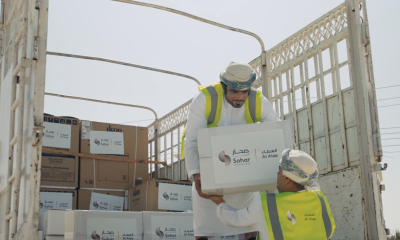
Sohar International and Sohar Islamic Supports Over 100 Families in Al Wusta Governorate Through Its ‘Sohar Al Attaa’ Initiative
-

 Banking & Finance2 months ago
National Finance Unveils Exclusive Ramadan Offers on Auto Financing
-
 Economy1 month ago
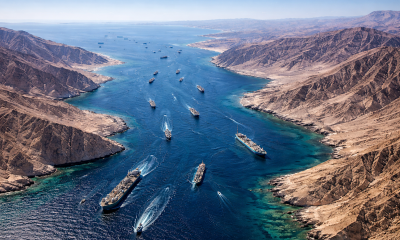
Middle East Tensions Heighten Risks to Strait of Hormuz, Raising Uncertainty for Global Oil Markets
-

 Economy2 months ago
Analysis: Oman-India CEPA Opens Path to Deeper Trade Investment and Growth
-

 Economy2 months ago
ANALYSIS: Oil Near Seven-Month Highs Amid US, Iran Tensions
-

 Alamaliktistaad Magazines2 months ago
Al-iktisaad, February 26