
Economy
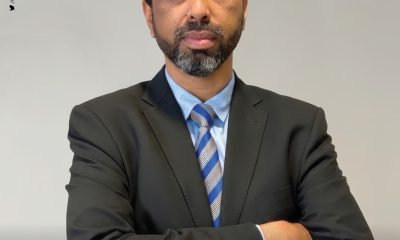
Exclusive: Inside Oman’s Evolving MSME Finance Ecosystem – An Interview with Hussain Al Lawati, CEO, Development Bank
Digital tools are helping Omani entrepreneurs reach customers, scale faster and operate more efficiently and that’s changing what they need from finance says Hussain Al Lawati, CEO, Development Bank.
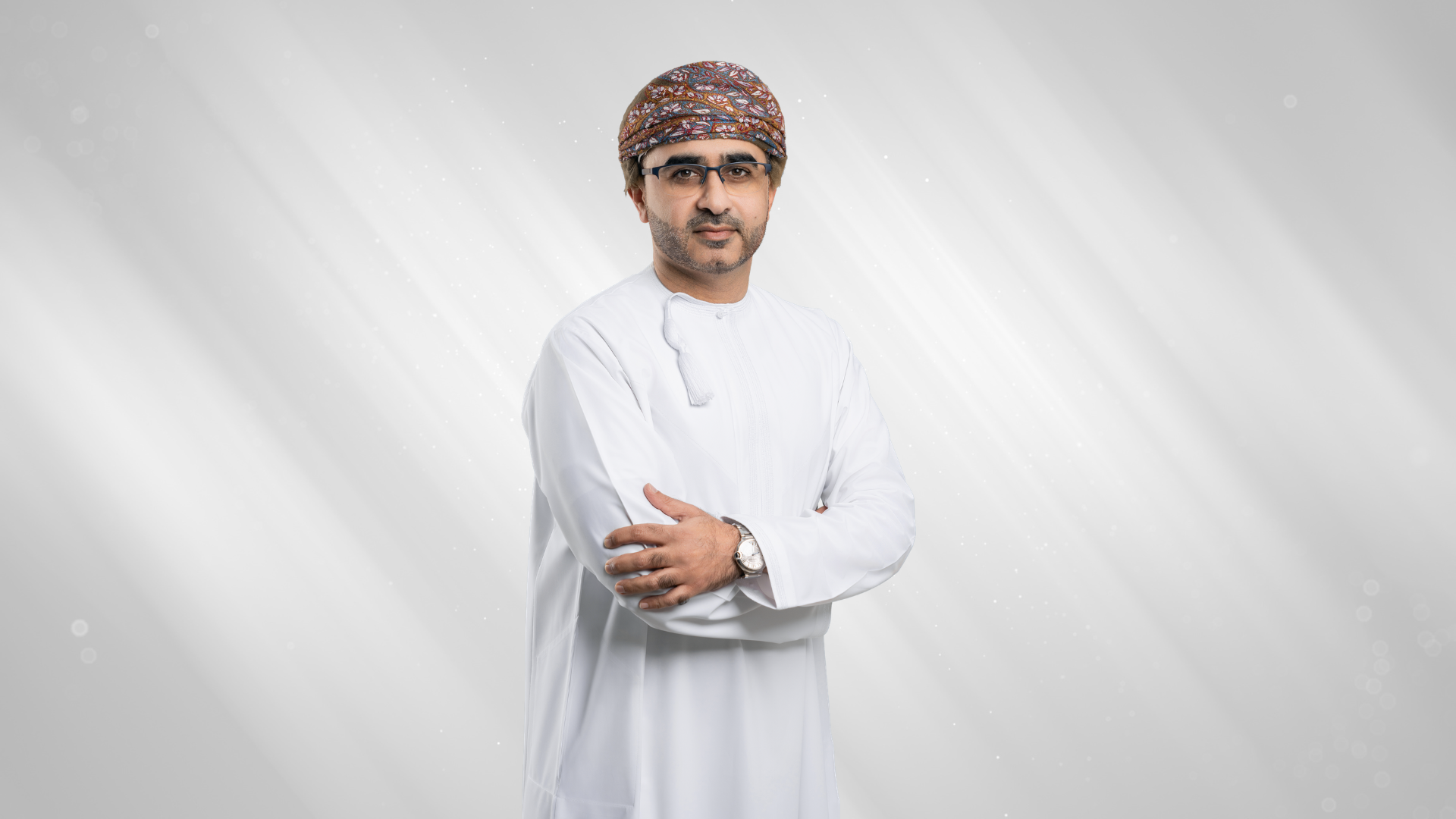
Digital tools are helping Omani entrepreneurs reach customers, scale faster and operate more efficiently and that’s changing what they need from finance says Hussain Al Lawati, CEO, Development Bank.
For micro, small and medium-sized enterprise (MSMEs) everywhere, often the hardest part of growth isn’t winning work it’s surviving the waiting – waiting to be paid, waiting for approvals, waiting for cash to catch up with commitments. When payment terms stretch, even solid businesses can be forced into caution, turning down orders, postponing hires and delaying upgrades.
Hussain Al Lawati, CEO, Development Bank explains how lenders assess real-world risk, why viable businesses can still struggle to qualify and what kinds of products and partnerships can help companies bridge the gap between work completed and money received with a focus on the needs of MSMEs in Oman. Excerpts from an interview:
When you talk to MSME owners what is the real finance problem they describe?
It is almost never a dramatic story about ‘no one will lend to me’. It is timing and what timing does to everything else. A customer pays late, but payroll is due Wednesday, suppliers are due today and office rent due this week. You might be busy and delivering good work but if the cash arrives later than expected you’re managing stress rather than growth. That is why I keep coming back to cashflow. And it’s not a small segment we’re talking about. NCSI’s latest bulletin shows micro enterprises make up 87.5% of active private businesses with small firms another 11.5%. They also account for roughly two-thirds of private-enterprise jobs – 35.5% in micro firms and 31.3% in small companies. So, when payment cycles stretch it quickly becomes an economy-wide issue. Payment cycles, working capital needs and the cost of money shape whether a MSME can fulfil orders, keep good people and grow without constantly firefighting.
What is happening on the ground right now? Is the MSME scene actually getting stronger?
Absolutely, and one of the most encouraging trends is how wide the momentum is becoming. Our teams aren’t seeing activity concentrated only in the larger cities anymore. Lending is spreading across governorates which tells you entrepreneurship isn’t confined to one area. You can see it in the numbers our frontline microfinance colleagues have highlighted – strong growth in places like Dhofar and Al Wusta, for example. And you can see it in what people are borrowing for – equipment, hiring, small expansions, upgrading how they work. That matters because it means finance is being used productively, not passively. It’s supporting people to build and scale, not simply to get by.
Where do viable MSMEs get stuck in the underwriting conversation?
Often, it is because a perfectly good small business does not fit the usual checklist. A company can be selling well and still be turned down because it doesn’t have the right collateral or it hasn’t been formally documented for long enough. But the proof a lender needs is often already there in the day-to-day running of the business. Not fancy data just the paperwork and patterns that show real trading – invoices, money coming in and going out, customers who keep coming back and regular payments being made on time. When that flow of money is clear and steady, a lender can base working capital on what the business is actually doing, not only on what it owns. And it’s worth remembering these smaller firms contribute real value too. NCSI estimates micro and small enterprises generated about RO1.6 billion (US$4.21bn) in value added in 3Q 2025. That’s why getting the assessment right matters. That makes the decision feel fairer and it helps the business understand the logic which builds trust.
What does success look like in MSME finance?
I do not think success is a single loan that looks good on paper. A first facility is often achievable if everyone works hard to make it happen. The bigger test is whether a business can borrow again and do it on better terms. That repeatability tells you the company is building stronger systems and improving cash discipline. It tells you the lender is gaining confidence and can price risk more fairly. In a healthy system, good behaviour is recognized and rewarded.
Over time, the uncertainty premium shrinks and MSMEs feel that change in real life – faster decisions, clearer terms, better pricing. That is what we want to see more of not one-off wins but a credible path where MSMEs become easier to serve because they’re becoming stronger and more predictable.
Let us talk working capital. What are you seeing in demand?
Working capital is where the story becomes very clear, very quickly. If you want a simple signal of what MSMEs need most, it’s working capital. Last year we approved 926 working-capital loans valued at RO55.1 million (US$143.3m) which represented 25.8% of our loan book. That tells you MSMEs are borrowing to bridge the operational reality between invoices and obligations. And when working capital is structured properly, it supports trading rather than burdening it. The facility matches the cycle. That’s healthier than forcing a business into a structure that doesn’t reflect how it actually runs day to day.
How does MSME finance drive inclusive growth and competitiveness?
It is a good question because MSME finance shows up in very practical ways. You see it in everyday improvements – a farmer upgrading irrigation, a fisherman investing in safer equipment, a small workshop buying a new piece of kit to increase output. These steps might not sound headline-grabbing, yet together they build a stronger economic base, create jobs and keep more money circulating locally. That’s inclusive finance in action – not just capital moving, it is capability growing. There is another dimension too. MSME finance is also about competitiveness, especially in sectors like agriculture and fisheries where expectations are rising fast. Producers are upgrading quality, traceability and sustainability to meet what buyers demand today.
When finance enables that kind of upgrading it helps businesses compete and grow rather than simply carry on as they are.
What about women and young entrepreneurs, is that growing or is it just a talking point?
It’s real. What our teams are seeing on the ground is growing participation from women borrowers and the range of ventures is impressive – from creative studios to tech-enabled services and agribusiness. What I find especially encouraging is how many entrepreneurs are progressing from testing an idea to building something more structured – formalizing their activity, registering the business, hiring staff, investing in tools and developing a steady customer base. Finance can play a constructive role in that journey if it’s designed to meet people where they are, not where you wish they were.
Have digital tools changed the MSME finance picture?
Definitely. Digital tools are helping Omani entrepreneurs reach customers, scale faster and operate more efficiently and that’s changing what they need from finance. Access matters too. When applications move online, the barrier drops for clients who used to travel long distances just to apply. Our branches have seen that change show up clearly in regional lending growth after digitization. We are also moving towards even simpler access through mobile channels because if you want MSMEs to move quickly the process can’t feel heavy.
Are we addressing freelancers as part of MSME finance?
We have to. The economy is changing and independent, skills-led work is becoming more mainstream. But traditional finance doesn’t always fit freelancing models. No fixed salary, no collateral, no chance. That is a real barrier people run into. That is why we launched Maseera earlier this year, aimed at full-time freelancers – designers, coders, translators – offering up to RO15,000 (US$39,000) at 0% interest so they can invest in equipment, tools or training and take on bigger opportunities. And we’re not pretending freelancers are one group. We also offer micro loans to part-time freelancers at 3%. The point is simple, if people are building livelihoods through independent work then the finance system should have products that recognize that reality.
What is changing now that could make a practical difference for MSMEs ready to grow?
One of the most practical tools is a guarantee structure that shares risk in a disciplined way. That’s why we’ve built our Loan Guarantee Scheme with partner banks to help creditworthy Omani businesses access bank finance through a risk-sharing mechanism. With Sohar Islamic Bank our guarantees start at 50% of qualifying financing and can reach up to 80% on a case-by-case basis, depending on the project and its potential. And it’s important to mention this is our second agreement under the scheme, following the first partnership signed with Bank Nizwa in November last year. What matters most is that businesses can access funding when they’re ready to invest, hire and compete. By sharing part of the risk with partner banks, we can support more lending to companies so they can take products and services into new markets. Widening access to Sharia-compliant finance matters too, because choice matters and access shouldn’t depend on one channel alone.
If you could change one thing in the market over the next 12 to 18 months, what would it be?
I would improve cash flow visibility and payment predictability. If a lender can see how money moves, it can decide faster and price risk more accurately. That’s when MSMEs start feeling a difference, not just approval or decline but speed, clarity and terms that reward good behaviour. And honestly, that’s the outcome I care about most – more businesses borrowing again on better terms because they’ve become stronger and more predictable. That’s when you know you’re not just financing today’s needs. You’re building a healthier market for tomorrow.



Liva Insurance Announces New CSR Initiative to Renovate Children’s Cancer Ward at Sultan Qaboos University Hospital

Real Estate Price Index in Oman Grows By 13.9%

Oil Surges More Than 2% as Supply Disruptions Mount

Ibri Industrial City Localises Two Projects Worth RO2M in 2025

VIDEO: Al Khamayil Oman Scales Up Production with New Rusail Facility

Cadillac Enhances Ramadan Ownership Value With Premium Benefits Package

CONNECT and OCEC Partnership Strengthens Oman’s Position as a Global Events Destination

Exclusive: Inside Oman’s Evolving MSME Finance Ecosystem – An Interview with Hussain Al Lawati, CEO, Development Bank

Middle East Tensions Heighten Risks to Strait of Hormuz, Raising Uncertainty for Global Oil Markets

Air India Express Announces ‘Payday Sale’; Offers Lowest Fares Across Domestic & International Network

Power And Beyond: The Path To A Low-carbon Future

Al Mouj Muscat unveils Ghadeer Villas

Time to Buy Saudi Stocks? Some Investors Look at Dubai Instead

Renewables are booming, but not fast enough to cap greenhouse emissions

Hospitality Industry in Oman Estimated 90% Growth in 2022

Retail Abu Dhabi’s ‘Unbox Amazing’ generates sales of more than AED 2 billion in participating stores

Saudis Sign Deals From Energy to Metals in Bid to Salvage Forum

Saudi Arabia’s Gold Miner Plans to Be a Global Top-20 Supplier

Technology to drive Sultanate’s downstream industry

Digitization and Logistics Service Providers Can Help SMEs Make the Most of Peak Season Retail Trends

VIDEO: Robert MacLean on how NHI is Shaping Oman’s Next Generation of Hospitality Leaders

The Future of Oman: Decoding The Sultanate of Oman’s Strategic Promotional Nation Brand

EXCLUSIVE: AI, Robotics & Wearable Sensors are Changing the Lives of Dementia Patients

EXCLUSIVE: Talking Renewable Projects & Sustainability in Oman and Beyond with Vipul Tuli

VIDEO: Eng. Salim Al Thuhli, CEO, Khazaen Economic City on Investment Opportunities

H.E. Salim Al Aufi, Minister of Energy & Minerals talks about Oman’s Green Hydrogen Goals

VIDEO: Talking Latest Developments in Aircraft Ground Guidance & More at Oman Airports

VIDEO: Dr. Firas Al-Abduwani Discusses Green Hydrogen, Potential Regions for Development & Creating a Green Ecosystem

VIDEO: Discussing The Future of Green Hydrogen in Oman with H.E. Salim Al Aufi

Celebrating Infoline’s Remarkable 20-Year Journey
-
 Dossier1 month ago
Dossier, 2026
-
 Banking & Finance1 month ago
Sohar International and Sohar Islamic Supports Over 100 Families in Al Wusta Governorate Through Its ‘Sohar Al Attaa’ Initiative
-
 Banking & Finance1 month ago
National Finance Unveils Exclusive Ramadan Offers on Auto Financing
-
 OER Magazines1 month ago
OER, February 26
-
 Economy1 month ago
Analysis: Oman-India CEPA Opens Path to Deeper Trade Investment and Growth
-

 Economy1 month ago
New Regulations Issued for Buy Now, Pay Later Services in Oman
-

 Economy1 month ago
ANALYSIS: Oil Near Seven-Month Highs Amid US, Iran Tensions
-
 Economy4 weeks ago
Middle East Tensions Heighten Risks to Strait of Hormuz, Raising Uncertainty for Global Oil Markets