
Economy
Egypt Inflation at Slowest in Three Years After Food Costs Fall
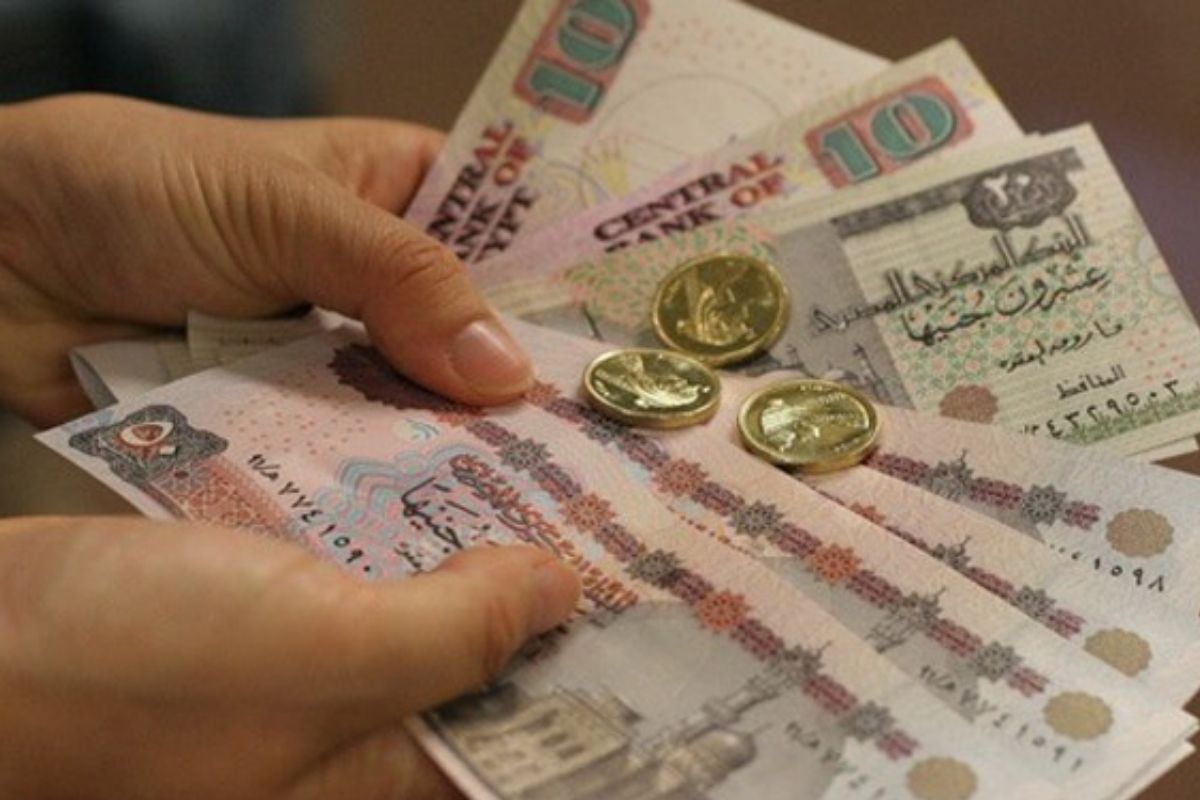
(Bloomberg) — Egyptian inflation eased unexpectedly to its lowest rate in more than three years, with some analysts predicting a greater chance of the central bank cutting interest rates in the coming months.
Consumer prices in urban parts of Egypt rose by an annual 9.4% in June, compared with 14.1% in May, the state-run statistics agency, CAPMAS, said Wednesday. On a monthly basis, food prices declined 2.2%. Although the extent of the deceleration was a surprise to many economists, concerns about the potential inflationary impact of fuel subsidy cuts enacted earlier in the month could give the central bank pause before it can resume an easing cycle.
“Falling inflation, coupled with the dovish shift among central banks around the globe, increases the chances of an interest-rate cut,” Jason Tuvey, senior emerging markets economist at Capital Economics in London, said in a report. “But we think that the central bank will want to assess the impact of electricity and fuel price hikes that took effect this month.”
A key consideration before the central bank’s meeting on Thursday will be the subsidy reductions, the fourth to be enacted since the government launched an International Monetary Fund-backed economic program in November 2016. Increases in fuel prices, which ranged from 16% to 30%, are expected to ripple through the economy, affecting everything from food to transportation, and further squeezing a nation of nearly 100 million where around half live near or below the poverty line.
Food Relief
The deceleration in prices last month appeared linked mostly to a slowdown in the cost of food and beverages, as well as a high base effect. Annual core inflation, the gauge used by the central bank and that strips out volatile and regulated items, came in at 6.4% in June, its lowest since October 2015, according to data compiled by Bloomberg.
“We expect monthly inflation to accelerate to 3.5% in July, and the annual readings are likely to accelerate to 10%-11% in July and August,” said Mohamed Abu Basha, head of macroeconomic analysis at Cairo-based investment bank EFG-Hermes.
Despite the surprising drop, the central bank is likely to stay the course until the fourth quarter, after lowering rates just once in over a year. Inflation is within its target range of 9%, plus or minus 3 percentage points, which policy makers set for end-2020.
“We could see inflation dip to just below 10% in the period up to December due to the positive base effect,” said independent economist Reham El Desoki. “In December the tide turns and the base effect leads to a jump in annual headline inflation to an average of 13% in the first half of 2020.”
But Naeem Holding’s director of research, Allen Sandeep, said the bigger-than-forecast deceleration has created a real interest rate of almost 6 percentage points, making possible a cut of 100 basis points in the benchmark when the central bank meets this week.



IHE and Eicher Trucks and Buses promote school bus safety awareness among students

India’s rising edge in oil, gas and construction projects is enabling Middle East’s growth

The Financial Services Authority organises the National Health Insurance Platform Forum ‘Dhamani’

Is India’s accelerating export engine driving manufacturing towards global scale?

SAH wins double honours at Dossier Construction Awards & Summit 2026

VIDEO: Hitesh Akarte on Khimji Ramdas Infrastructure’s Role in Oman Vision 2040

Alam Al-Iktisaad Magazine September 2026 Edition

A decade of investing: Tech portfolio returned 1,342% versus Nasdaq-100’s 636%

His Majesty the Sultan arrives in Kazakhstan

Oman’s trade surplus reaches RO5.5 billion in July 2026

Power And Beyond: The Path To A Low-carbon Future

Al Mouj Muscat unveils Ghadeer Villas

Time to Buy Saudi Stocks? Some Investors Look at Dubai Instead

Hospitality Industry in Oman Estimated 90% Growth in 2022

Renewables are booming, but not fast enough to cap greenhouse emissions

Retail Abu Dhabi’s ‘Unbox Amazing’ generates sales of more than AED 2 billion in participating stores

Saudis Sign Deals From Energy to Metals in Bid to Salvage Forum

Saudi Arabia’s Gold Miner Plans to Be a Global Top-20 Supplier

Technology to drive Sultanate’s downstream industry

Digitization and Logistics Service Providers Can Help SMEs Make the Most of Peak Season Retail Trends
VIDEO: Hitesh Akarte on Khimji Ramdas Infrastructure’s Role in Oman Vision 2040

Oman’s Hospitality Sector Enters a New Phase of Growth: Sadiq Al Matwani Al Lawati

Amr Baabood: Oman Climate Week Is About Moving From Climate Ambition to Climate Action

Mayan Al Asfoor on Leadership, Legacy and Empowering Omani Talent

LEADERSPEAK: Dhofar Insurance CEO Sunil Kohli on Oman’s Insurance Sector, Reinsurance & Market Outlook

VIDEO: Robert MacLean on how NHI is Shaping Oman’s Next Generation of Hospitality Leaders

The Future of Oman: Decoding The Sultanate of Oman’s Strategic Promotional Nation Brand

EXCLUSIVE: AI, Robotics & Wearable Sensors are Changing the Lives of Dementia Patients

EXCLUSIVE: Talking Renewable Projects & Sustainability in Oman and Beyond with Vipul Tuli

VIDEO: Eng. Salim Al Thuhli, CEO, Khazaen Economic City on Investment Opportunities
-

 Artificial Intelligence4 weeks ago
Top 5 Interesting Things AI Did This Month – September 2026 Edition
-

 Fashion2 weeks ago
Luxury Watches That Could Appreciate Over the Next Decade [2026 Auction Buyer Guide]
-

 Highlights2 months ago
OERLive: Top 10 Mathematical Problems AI Has Solved or Transformed
-

 Banking & Finance1 month ago
The GCC’s 10 Richest Billionaires: Inside US$253.5 Billion of Wealth
-

 Magazines2 months ago
OER Magazine July Edition 2026
-

 Magazines2 months ago
Al Mar’a Magazine July 2026
-

 Alamaliktistaad Magazines2 months ago
Alam Al-Iktisaad Magazine July 2026 Edition
-

 Banking & Finance1 month ago
INVESTIGATION: What If You Bought Apple Stock Every Time You Bought an iPhone?
You must be logged in to post a comment Login