
Economy
Kuwait’s Budget to Stay in Red After Half Decade of Deficits
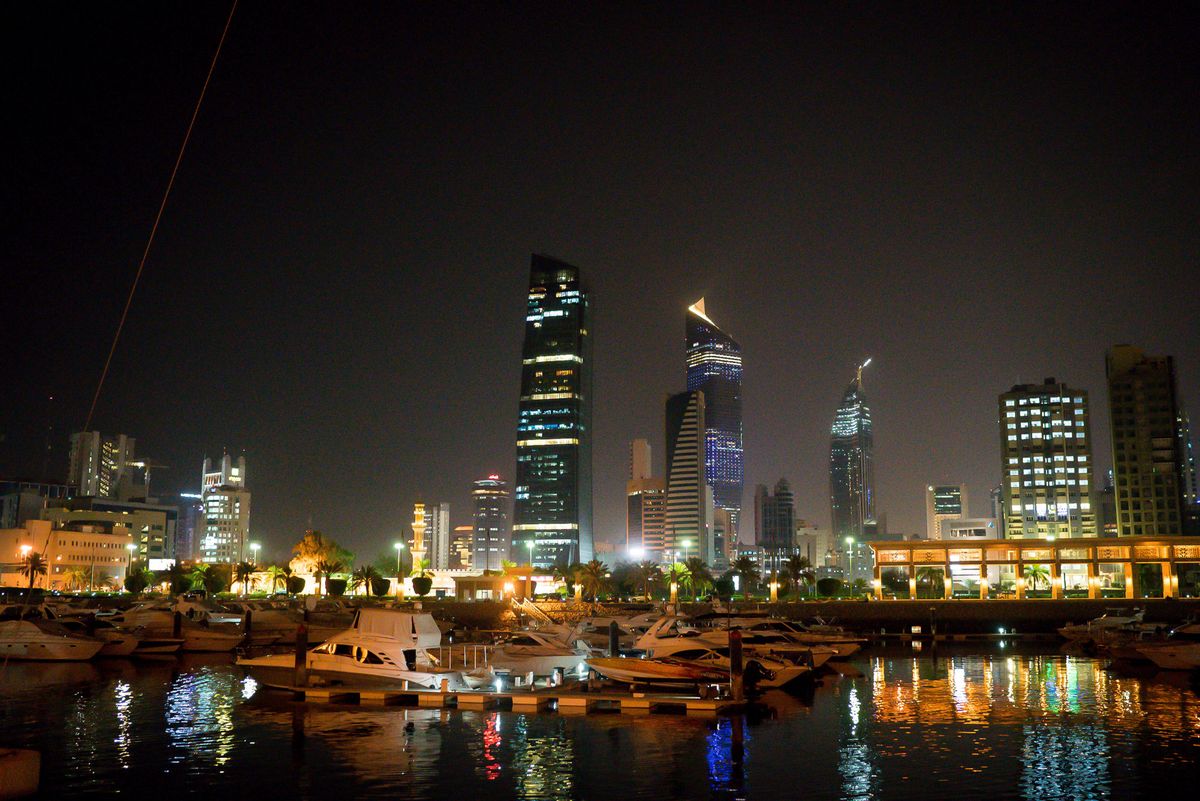
(Bloomberg) –Kuwait unveiled budget proposals that forecast a wider deficit for the year starting April 1, outlining fiscal plans that include a drop of more than 6% in revenue while keeping spending unchanged.
The deficit is projected at 9.2 billion dinars ($30.3 billion), above the current year’s estimate of 8.3 billion dinars, Finance Minister Mariam Al-Aqeel said on Tuesday. That’s after the transfer of 10% of total revenue to the Future Generations Fund, which invests abroad and is managed by Kuwait Investment Authority, the country’s sovereign wealth fund.
The sixth straight budget shortfall will be financed by withdrawals from the Treasury or the country’s General Reserve Fund, according to Al-Aqeel, who was appointed last month and is the Gulf region’s first female finance minister.
Other highlights from the budget plan:
- Spending in 2020/2021 is estimated at 22.5 billion dinars, unchanged from the current year’s forecast
- Revenue seen at 14.8 billion dinars, compared with 15.8 billion dinars in the current budget
- Oil income is expected to reach 12.9 billion dinars, down from the current year’s estimate of 13.9 billion dinars
- Non-oil revenue set to be at 1.9 billion dinars, an increase from 1.3 billion dinars this year
- Calculations based on oil at $55 a barrel, the same as in the current year
- Deemed the “slowest reformer” among Gulf Arab economies, OPEC’s fourth-largest producer has lagged behind its neighbors in better managing subsidies and introducing taxes in the years since the slump in oil prices pushed its budget in the red. Kuwait’s efforts haven’t got off the ground amid domestic political opposition and as the price of crude stabilized.
The lack of a new public-debt law has made it impossible for the government to finance its deficit by borrowing, forcing it to rely on the GRF’s assets instead. Parliamentary authorization to sell or refinance debt expired in 2017.
By keeping expenditure in check, Kuwait may be able to avoid withdrawing money from the GRF next year, according to Al-Aqeel. The Finance Ministry considers the public-debt law to be among the “important” reforms that “we see as necessary to be implemented,” she said.
‘Government Will Fight’
“The debt law is in parliament, and it will help the government face the expenses,” the minister said. “The government will fight for getting this law approved since the cost of borrowing is less than the cost of withdrawing from the reserves.”
At current oil prices, Kuwait only has two fiscal years’ worth of liquid assets in its Treasury before it will need to tap its Future Generations Fund or bond markets. Either move would require parliament’s approval.
The prospect of new levies such as value-added tax might be even more remote this year as lawmakers gear up for parliamentary elections, with popular issues at the forefront. Tumultuous relations between the legislative and the executive, appointed by the country’s hereditary emir, have resulted in eight administrations in as many years.
“Rising financing requirements will further deplete easily available reserves without measures to increase revenue or cut spending, even if debt issuance resumes in fiscal year 2020/2021,” Krisjanis Krustins, a Hong Kong-based director at Fitch Ratings, said in a December report.



EXCLUSIVE: Five Innovations Developed in Oman That Deserve Attention

Oman Advances 8 Places in Innovation Inputs Pillar of Global Innovation Index 2026

OER Magazine September Edition 2026

Oman’s Hospitality Sector Enters a New Phase of Growth: Sadiq Al Matwani Al Lawati

ROHM Opens Landmark 15th Anniversary Season with its Acclaimed Production of Zeffirelli’s Rigoletto

Luxury Watches That Could Appreciate Over the Next Decade [2026 Auction Buyer Guide]

How Much Are People in Oman Saving Every Month – And What Could It Become if Invested in the MSX?

Liva Insurance Secures Three Major Honours at the Alam Al-Iktisaad Awards 2026

F5 Puts Spotlight on AI Security Innovation in Oman

bp’s New Programmes Set to Benefit Communities Across Oman

Power And Beyond: The Path To A Low-carbon Future

Al Mouj Muscat unveils Ghadeer Villas

Time to Buy Saudi Stocks? Some Investors Look at Dubai Instead

Hospitality Industry in Oman Estimated 90% Growth in 2022

Renewables are booming, but not fast enough to cap greenhouse emissions

Retail Abu Dhabi’s ‘Unbox Amazing’ generates sales of more than AED 2 billion in participating stores

Saudis Sign Deals From Energy to Metals in Bid to Salvage Forum

Saudi Arabia’s Gold Miner Plans to Be a Global Top-20 Supplier

Technology to drive Sultanate’s downstream industry

Digitization and Logistics Service Providers Can Help SMEs Make the Most of Peak Season Retail Trends
Oman’s Hospitality Sector Enters a New Phase of Growth: Sadiq Al Matwani Al Lawati

Amr Baabood: Oman Climate Week Is About Moving From Climate Ambition to Climate Action

Mayan Al Asfoor on Leadership, Legacy and Empowering Omani Talent

LEADERSPEAK: Dhofar Insurance CEO Sunil Kohli on Oman’s Insurance Sector, Reinsurance & Market Outlook

VIDEO: Robert MacLean on how NHI is Shaping Oman’s Next Generation of Hospitality Leaders

The Future of Oman: Decoding The Sultanate of Oman’s Strategic Promotional Nation Brand

EXCLUSIVE: AI, Robotics & Wearable Sensors are Changing the Lives of Dementia Patients

EXCLUSIVE: Talking Renewable Projects & Sustainability in Oman and Beyond with Vipul Tuli

VIDEO: Eng. Salim Al Thuhli, CEO, Khazaen Economic City on Investment Opportunities

H.E. Salim Al Aufi, Minister of Energy & Minerals talks about Oman’s Green Hydrogen Goals
-

 Artificial Intelligence3 weeks ago
Top 5 Interesting Things AI Did This Month – September 2026 Edition
-
 Fashion1 week ago
Luxury Watches That Could Appreciate Over the Next Decade [2026 Auction Buyer Guide]
-

 Highlights2 months ago
OERLive: Top 10 Mathematical Problems AI Has Solved or Transformed
-
 Magazines1 month ago
OER Magazine July Edition 2026
-

 Banking & Finance4 weeks ago
The GCC’s 10 Richest Billionaires: Inside US$253.5 Billion of Wealth
-

 Magazines1 month ago
Al Mar’a Magazine July 2026
-

 Alamaliktistaad Magazines1 month ago
Alam Al-Iktisaad Magazine July 2026 Edition
-

 Magazines2 months ago
OER Magazine – June 2026 Edition