
Energy
The Middle East’s Once-Hot LNG Market Faces a Decade-Long Slump
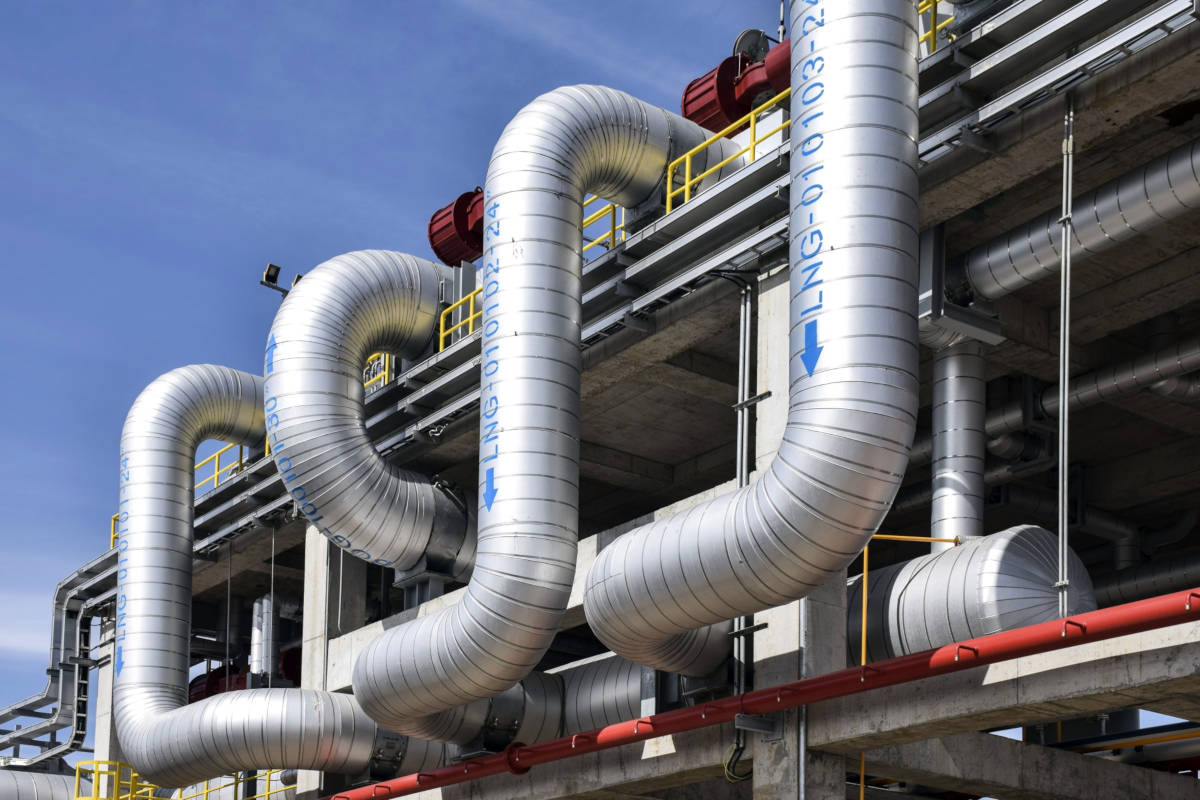
The Middle East was a bright spot for global liquefied natural gas (LNG) demand in 2015. Now imports have plummeted so much that it could take a decade to recover.
Last year’s 37 percent slump and the prolonged negative outlook is in contrast to the region’s two-year LNG demand surge that outpaced global growth, according to BloombergNEF and ship-broker Poten & Partners Inc. data. The Middle East is now expected to make up less than 4 percent of global imports for at least eight years.
There are only five importers — Egypt, Kuwait, Jordan, the United Arab Emirates and Israel — of LNG in the Middle East. Bahrain is expected to join the group this year.
Why are LNG imports falling?

Gas finds in Egypt and the U.A.E. reduced the need for the liquefied fuel, and Jordan increased cheaper pipeline imports. “Domestic gas resources have been the main reason for LNG imports being subdued,” said Fauziah Marzuki, a senior associate at BNEF. Locally produced “gas will always be preferred over imports, within certain cost parameters of course.”
Which countries are leading the decline?

Egypt, the region’s biggest LNG importer in 2016 and 2017, will halt purchases this year and may resume exports thanks to surging domestic supplies from the giant Zohr field. Jordan will rely more on pipeline imports from Egypt, trimming its need for LNG. Bahrain, the only country that will add import capabilities in 2019, isn’t expected to reach meaningful volumes until 2022, according to BNEF forecasts.
What does this mean for Qatari exports?

Qatar, the world’s biggest LNG exporter, has boosted its position in the Middle East’s shrinking market since 2016. The exit of Egypt from the scene will likely erode that status. Almost half of Egypt’s imports came from Qatar last year. Still, the region isn’t a major market for Qatar and growth in Asia will more than offset declines in the Middle East.
How will this impact global markets?

Imports of LNG in the Middle East are dwarfed by Asia. Supply of the fuel — driven by the U.S., Qatar and Australia — is expected to rise almost 18 percent by 2030, and demand will grow more than double that rate. Even Kuwait, the region’s biggest importer, barely registers in global terms. Its imports are even less than the smaller markets in Asia such as Thailand, Bangladesh and Pakistan.



Win OMR 3,000: ROP & Bank Muscat Launch Cyber Fraud Awareness Short Film Competition

EXCLUSIVE INTERVIEW: Yango’s Big Vision for Oman

Leadership, Transformation Forum Reviews Inspiring Women’s Experiences

OPINION: GCC Navigates Global Macro Volatility as Worldwide Growth Moderates to 2.6%

City Centre Muscat Celebrates 25 Years of Great Moments as Mall of Oman Marks Its Fifth Anniversary

HM The Sultan Accorded Official Reception Ceremony at Windsor Castle

61.7% of Middle Eastern Families Involve the Next Generation As Business Successors or Consultants

Future Fund Oman’s $5.2B Outlook: Where Will the Sultanate’s Next Big Businesses Come From?

Oman and the UK: From Historical Legacy of Over 220 Years to Future Partnership

Sohar International Launches Expatriate Banking Proposition with Housing Loans, Cashback, Insurance & Digital Remittance Solutions

Power And Beyond: The Path To A Low-carbon Future

Al Mouj Muscat unveils Ghadeer Villas

Time to Buy Saudi Stocks? Some Investors Look at Dubai Instead

Hospitality Industry in Oman Estimated 90% Growth in 2022

Renewables are booming, but not fast enough to cap greenhouse emissions

Retail Abu Dhabi’s ‘Unbox Amazing’ generates sales of more than AED 2 billion in participating stores

Saudis Sign Deals From Energy to Metals in Bid to Salvage Forum

Saudi Arabia’s Gold Miner Plans to Be a Global Top-20 Supplier

Technology to drive Sultanate’s downstream industry

Digitization and Logistics Service Providers Can Help SMEs Make the Most of Peak Season Retail Trends

VIDEO: Building Oman’s Future – SAH’s Vision for Infrastructure, Innovation and Growth

VIDEO: Oman Cables Breaks Ground on OMR 10 Million-Plus Plant to Power Oman’s Industrial Future

VIDEO: Hitesh Akarte on Khimji Ramdas Infrastructure’s Role in Oman Vision 2040

Oman’s Hospitality Sector Enters a New Phase of Growth: Sadiq Al Matwani Al Lawati

Amr Baabood: Oman Climate Week Is About Moving From Climate Ambition to Climate Action

Mayan Al Asfoor on Leadership, Legacy and Empowering Omani Talent

LEADERSPEAK: Dhofar Insurance CEO Sunil Kohli on Oman’s Insurance Sector, Reinsurance & Market Outlook

VIDEO: Robert MacLean on how NHI is Shaping Oman’s Next Generation of Hospitality Leaders

The Future of Oman: Decoding The Sultanate of Oman’s Strategic Promotional Nation Brand

EXCLUSIVE: AI, Robotics & Wearable Sensors are Changing the Lives of Dementia Patients
-

 Artificial Intelligence1 month ago
Top 5 Interesting Things AI Did This Month – September 2026 Edition
-

 Economy4 weeks ago
OER Magazine September Edition 2026
-

 Fashion4 weeks ago
Luxury Watches That Could Appreciate Over the Next Decade [2026 Auction Buyer Guide]
-

 Banking & Finance2 months ago
The GCC’s 10 Richest Billionaires: Inside US$253.5 Billion of Wealth
-

 Alamaliktistaad Magazines3 weeks ago
Alam Al-Iktisaad Magazine September 2026 Edition
-

 Banking & Finance2 months ago
INVESTIGATION: What If You Bought Apple Stock Every Time You Bought an iPhone?
-

 News2 months ago
OPEC+ Holds Output Steady for October as Focus Shifts to 2027 Quotas
-

 Artificial Intelligence1 month ago
What the World’s Top 10 Tech CEOs Really Earn
You must be logged in to post a comment Login