
Digital
Russia’s Digital Frontier: An Inside Look with Alexey Goreslavsky of IRI
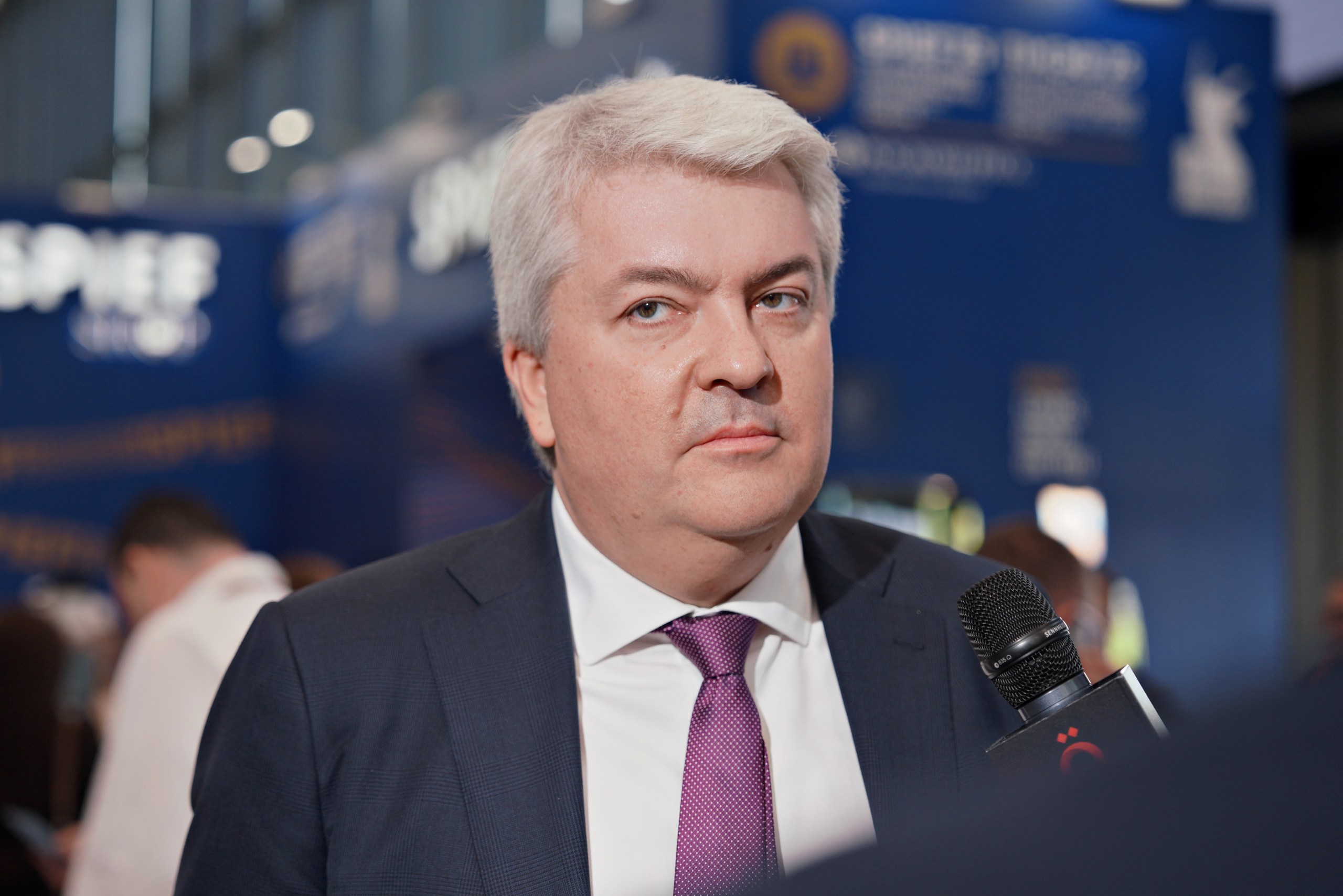
The digital landscape is evolving at an unprecedented pace, with content creation and artificial intelligence leading the charge. At the forefront of Russia’s engagement with these global trends is the Internet Development Institute (IRI), led by its insightful General Director, Alexey Goreslavsky. In a recent discussion with OERLive.com Goreslavsky offered a comprehensive overview of Russia’s position in the digital world, addressing everything from technological leadership to societal digital dependence and cultural content preferences.
Leading the charge in content and AI
When questioned about Russia’s role in the global technological race, Goreslavsky was unequivocal. “The foremost global trend currently revolves around internet content creation, with a particular emphasis on advancements in computer graphics and artificial intelligence (AI),” he stated. Far from merely reacting to global shifts, Russia is actively shaping them. “In these specific domains, Russia is indeed emerging as a leader. Our domestic AI systems significantly empower digital creators, enabling them to execute their work with remarkable efficacy.” This suggests a proactive stance, where Russian innovation is contributing meaningfully to the global digital lexicon.
Navigating the waters of digital dependence
The pervasive nature of digital technology raises critical questions about its impact on daily life. Goreslavsky candidly addressed the growing concern of digital dependence. “Regrettably, we must acknowledge the reality of digital dependence,” he admitted. The statistics he shared were striking: “In Russia, adults spend approximately six hours daily engaging with the internet, a figure that escalates considerably among children and teenagers, often reaching seven to seven and a half hours per day.” This extensive engagement spans across various devices, from smartphones to smart TVs. Furthermore, Russia’s high ranking among the top three nations globally for time spent on online gaming underscores the depth of this immersion.
However, Goreslavsky views this not just as a challenge but also as a profound opportunity. “While this presents a challenge, it simultaneously offers a significant opportunity: the ability to create engaging and meaningful content for our consumers, including serious games,” he explained. This pervasive digital consumption, he noted, also provides a crucial avenue for state support of creative industries. “This is, in fact, the core mission of the Internet Development Institute (IRI), which I lead. Our fundamental role is to secure funding and provide essential support to our digital creators.”
Cultural resonance
Understanding audience preferences is paramount in the world of content. Goreslavsky shed light on the distinct tastes of the contemporary Russian audience. “The Russian audience exhibits a distinct preference for content rooted in traditional values,” he elaborated. This preference directly influences content development. “This preference fundamentally shapes the content we produce, encompassing themes such as family, children, history, geography, travel, and patriotic narratives.” He highlighted that this cultural orientation often sets Russian content consumption patterns apart from those in some Eastern and Western nations, where different cultural and societal values might drive content choices.
Forging international digital alliances
Looking to the future of digitalization, the IRI is not confined by national borders. Goreslavsky emphasized the institute’s commitment to international collaboration. “We actively pursue international cooperation, recognizing the common narratives that bind nations through shared history and contemporary interactions,” he stated. He believes that genuine connections fostered through mutual visits and product exchange between people from different countries lay a robust foundation for compelling content creation. “I firmly believe that from these shared experiences, we can develop truly impactful and resonant digital content.” This vision underscores a strategy where shared human experiences become the bedrock for global digital collaboration.
Goreslavsky also underscored the practical application and commercial viability of the technologies that IRI supports. “We have readily available products,” he affirmed. He provided concrete examples of these successful integrations: “For instance, Positive Technologies provided their products during the Sochi Olympics and the FIFA World Cup. Aquarius supplies technology to Russian Ministries and ambulance services. Similarly, Pragmacore delivers cloud-based management solutions.” These examples highlight how the innovation fostered by IRI translates into tangible, impactful solutions across various sectors.


HM The Sultan Accorded Official Reception Ceremony at Windsor Castle

61.7% of Middle Eastern Families Involve the Next Generation As Business Successors or Consultants

Future Fund Oman’s $5.2B Outlook: Where Will the Sultanate’s Next Big Businesses Come From?

Oman and the UK: From Historical Legacy of Over 220 Years to Future Partnership

Sohar International Launches Expatriate Banking Proposition with Housing Loans, Cashback, Insurance & Digital Remittance Solutions

INVESTIGATION: What Happens to Oman’s Economy at $60, $80, $100 and $120 Oil?

From Liverpool to Sultana: Testimonies to Centuries-Old Omani-British Friendship

What is El Nino – And How Is It Expected To Affect Oman’s Weather & Economy?

VIDEO: Building Oman’s Future – SAH’s Vision for Infrastructure, Innovation and Growth

The Hidden Price of Convenience: What People in Oman Spend on Food Delivery, Coffee & Subscriptions

Power And Beyond: The Path To A Low-carbon Future

Al Mouj Muscat unveils Ghadeer Villas

Time to Buy Saudi Stocks? Some Investors Look at Dubai Instead

Hospitality Industry in Oman Estimated 90% Growth in 2022

Renewables are booming, but not fast enough to cap greenhouse emissions

Retail Abu Dhabi’s ‘Unbox Amazing’ generates sales of more than AED 2 billion in participating stores

Saudis Sign Deals From Energy to Metals in Bid to Salvage Forum

Saudi Arabia’s Gold Miner Plans to Be a Global Top-20 Supplier

Technology to drive Sultanate’s downstream industry

Digitization and Logistics Service Providers Can Help SMEs Make the Most of Peak Season Retail Trends
VIDEO: Building Oman’s Future – SAH’s Vision for Infrastructure, Innovation and Growth

VIDEO: Oman Cables Breaks Ground on OMR 10 Million-Plus Plant to Power Oman’s Industrial Future

VIDEO: Hitesh Akarte on Khimji Ramdas Infrastructure’s Role in Oman Vision 2040

Oman’s Hospitality Sector Enters a New Phase of Growth: Sadiq Al Matwani Al Lawati

Amr Baabood: Oman Climate Week Is About Moving From Climate Ambition to Climate Action

Mayan Al Asfoor on Leadership, Legacy and Empowering Omani Talent

LEADERSPEAK: Dhofar Insurance CEO Sunil Kohli on Oman’s Insurance Sector, Reinsurance & Market Outlook

VIDEO: Robert MacLean on how NHI is Shaping Oman’s Next Generation of Hospitality Leaders

The Future of Oman: Decoding The Sultanate of Oman’s Strategic Promotional Nation Brand

EXCLUSIVE: AI, Robotics & Wearable Sensors are Changing the Lives of Dementia Patients
-

 Artificial Intelligence1 month ago
Top 5 Interesting Things AI Did This Month – September 2026 Edition
-

 Fashion3 weeks ago
Luxury Watches That Could Appreciate Over the Next Decade [2026 Auction Buyer Guide]
-

 Economy3 weeks ago
OER Magazine September Edition 2026
-
 Banking & Finance1 month ago
The GCC’s 10 Richest Billionaires: Inside US$253.5 Billion of Wealth
-
 Magazines2 months ago
OER Magazine July Edition 2026
-

 Magazines2 months ago
Al Mar’a Magazine July 2026
-
 Banking & Finance1 month ago
INVESTIGATION: What If You Bought Apple Stock Every Time You Bought an iPhone?
-
 Alamaliktistaad Magazines2 months ago
Alam Al-Iktisaad Magazine July 2026 Edition