
Technology
6 Ways to Guard Against Identity Theft
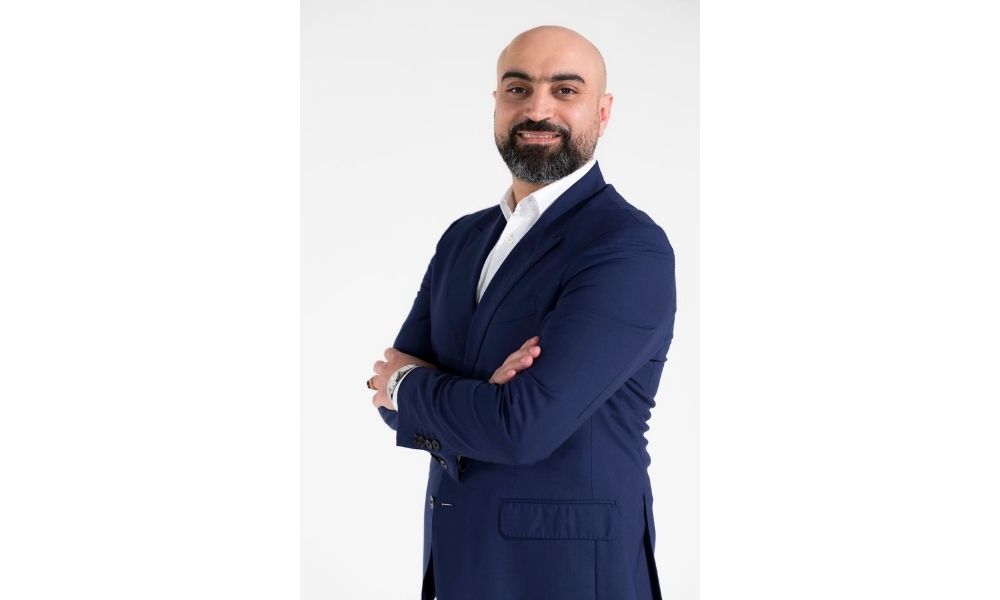

Mohammed Abukhater, Vice President, Middle East, Turkey & Africa, F5
Everyone is fair (and likely) game when it comes to identity theft. Statistically, most cybercriminals tend to avoid “important” and high-value targets. It’s the vast numbers of easy targets that are most prominently in their crosshairs. That is true at the best of times, but the COVID-19 pandemic has only intensified and emboldened their hunt for the susceptible and vulnerable.
The following suggestions are best practices for anyone that wants to proactively guard against identity theft:
Use a password manager
The average person has around 70 to 80 passwords, which inevitably results in hand-written notes. A password manager is your friend here, helping to create strong, unique passwords for each account. It also encrypts and stores them in a secure password vault – you only need to remember one master password.
Practice password hygiene.
Those still unconvinced about password managers should, at the very least, start creating unique passphrases that use the maximum number of characters allowed, and remember to reset a password immediately if an account is breached. As a general rule don’t allow your browser to memorize passwords for accounts, and never use your credentials from one site to create an account or sign in to other (third-party) sites.
Use multifactor authentication.
Get over being annoyed by the “inconvenience” of multifactor authentication, which requires you to enter a code sent via text message after supplying a username and password. It’s an effective, additional layer of security that should be used for every account that makes it available to you.
Stop oversharing online.
Rethink how and what you share online. Nothing makes you an easier target for identity thieves than a wealth of voluntarily shared personal information. Combine that digital bounty with all the “quiet” data that’s been piling up behind the scenes, and there are criminals that can assume your identity in minutes.
Protect your privacy at home.
Secure your home wireless network (try these tips from Norton), only use IoT devices that let you change the password and manage security settings, and securely dispose of old phones, laptops, and storage devices.
Protect your privacy in public.
It’s hard to believe anyone needs this reminder, but public Wi-Fi is incredibly susceptible to eavesdropping. Never use it for online banking, shopping (any activity that involves a credit card), or medical- and health-related services. Do not share private information (such as credit card numbers, date of birth, social security number, or any membership numbers) on voice calls when in public places. You should also protect PINs, membership numbers, and other identifiers when using point-of-sale systems. Pay attention when you swipe a card (beware of hard-to-spot skimmers!) and, remember, cash still works in most places.
Avoid Being an Easy Target
Scammers don’t like obstacles, so the more stumbling blocks you put in their way, the better. The key is to avoid becoming an easy target. Know what you need to do (within your realm of possibility) and remain vigilant about doing it. Nowadays, doing nothing is not an option.



Hussain Al Maimani Joins MHD Infotech as Senior General Manager

Liva Insurance to Launch ‘Know Your Numbers’ Health Check-up Campaign as a Community Welfare Initiative for World Health Day

Vodafone Oman Marks Fourth Anniversary With Approximately 17% Market Share

Sohar International Contributes OMR100,000 to Support Those Affected by Al Masarrat Weather Conditions

Liva Insurance Announces New CSR Initiative to Renovate Children’s Cancer Ward at Sultan Qaboos University Hospital

Real Estate Price Index in Oman Grows By 13.9%

Oil Surges More Than 2% as Supply Disruptions Mount

Ibri Industrial City Localises Two Projects Worth RO2M in 2025

VIDEO: Al Khamayil Oman Scales Up Production with New Rusail Facility

Cadillac Enhances Ramadan Ownership Value With Premium Benefits Package

Power And Beyond: The Path To A Low-carbon Future

Al Mouj Muscat unveils Ghadeer Villas

Time to Buy Saudi Stocks? Some Investors Look at Dubai Instead

Renewables are booming, but not fast enough to cap greenhouse emissions

Hospitality Industry in Oman Estimated 90% Growth in 2022

Retail Abu Dhabi’s ‘Unbox Amazing’ generates sales of more than AED 2 billion in participating stores

Saudis Sign Deals From Energy to Metals in Bid to Salvage Forum

Saudi Arabia’s Gold Miner Plans to Be a Global Top-20 Supplier

Technology to drive Sultanate’s downstream industry

Digitization and Logistics Service Providers Can Help SMEs Make the Most of Peak Season Retail Trends

VIDEO: Robert MacLean on how NHI is Shaping Oman’s Next Generation of Hospitality Leaders

The Future of Oman: Decoding The Sultanate of Oman’s Strategic Promotional Nation Brand

EXCLUSIVE: AI, Robotics & Wearable Sensors are Changing the Lives of Dementia Patients

EXCLUSIVE: Talking Renewable Projects & Sustainability in Oman and Beyond with Vipul Tuli

VIDEO: Eng. Salim Al Thuhli, CEO, Khazaen Economic City on Investment Opportunities

H.E. Salim Al Aufi, Minister of Energy & Minerals talks about Oman’s Green Hydrogen Goals

VIDEO: Talking Latest Developments in Aircraft Ground Guidance & More at Oman Airports

VIDEO: Dr. Firas Al-Abduwani Discusses Green Hydrogen, Potential Regions for Development & Creating a Green Ecosystem

VIDEO: Discussing The Future of Green Hydrogen in Oman with H.E. Salim Al Aufi

Celebrating Infoline’s Remarkable 20-Year Journey
-

 Dossier2 months ago
Dossier, 2026
-

 OER Magazines1 month ago
OER, February 26
-

 Banking & Finance2 months ago
Sohar International and Sohar Islamic Supports Over 100 Families in Al Wusta Governorate Through Its ‘Sohar Al Attaa’ Initiative
-

 Banking & Finance2 months ago
National Finance Unveils Exclusive Ramadan Offers on Auto Financing
-

 Economy1 month ago
Middle East Tensions Heighten Risks to Strait of Hormuz, Raising Uncertainty for Global Oil Markets
-

 Economy1 month ago
Analysis: Oman-India CEPA Opens Path to Deeper Trade Investment and Growth
-

 Economy1 month ago
ANALYSIS: Oil Near Seven-Month Highs Amid US, Iran Tensions
-

 Education2 months ago
Jebel View International School to Launch in Muscat in September 2026 & Now Open to Visit