
Entertainment
Seven Perfumes That Capture Oman’s High-Perfumery Identity
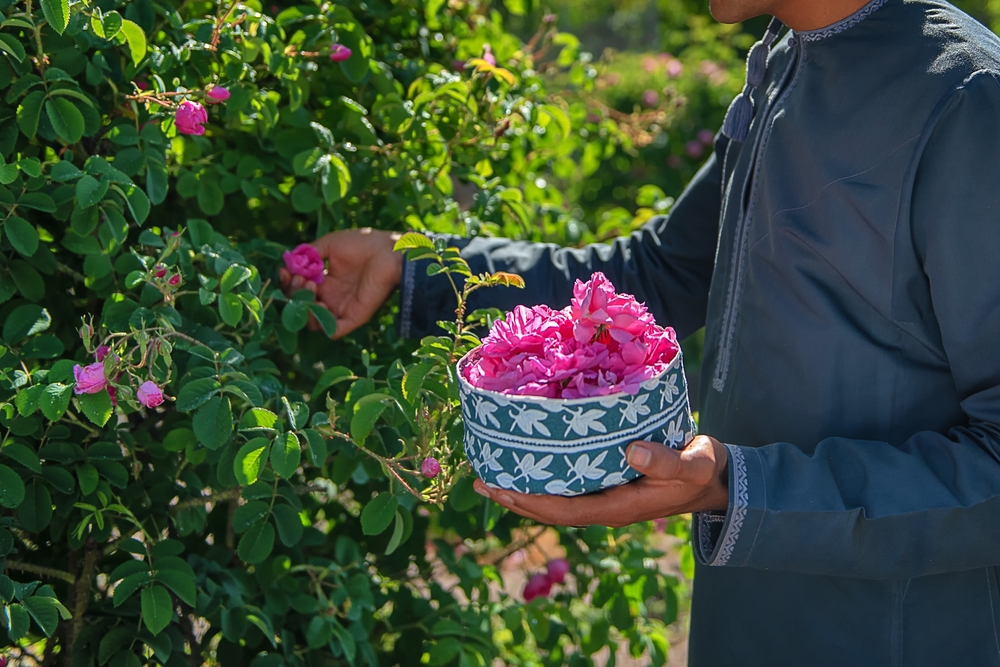
The following seven fragrances offer different interpretations of contemporary Omani perfumery, ranging from concentrated extracts created by an internationally established luxury house to incense-driven compositions from locally founded manufacturers.
The selection is deliberately unranked, with each perfume chosen for the way it reflects craftsmanship, creative direction or the wider evolution of Oman’s fragrance industry.
Amouage Interlude 53 Man – The Art of Time and Concentration
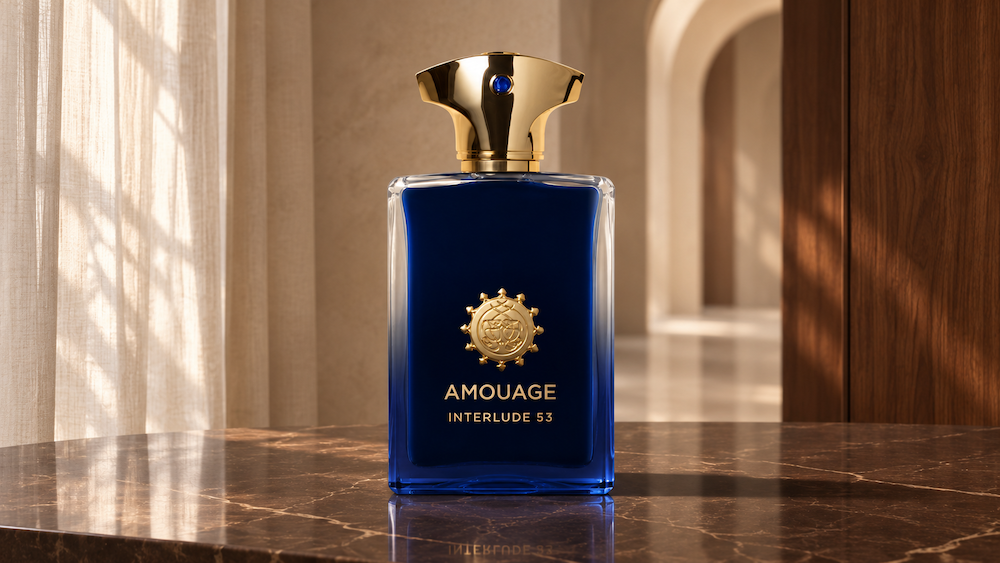
Among the clearest examples of the technical ambition associated with contemporary Omani high perfumery, Amouage’s Interlude 53 Man takes the established character of the Interlude fragrance and develops it through an exceptionally concentrated formulation.
The extrait contains 53 per cent perfume concentration and undergoes a 24-week ageing process at the company’s Muscat factory, comprising 16 weeks of maceration followed by eight weeks of maturation. This emphasis on concentration and time illustrates the extent to which premium perfumery can involve processes more elaborate than conventional fragrance blending.
The composition brings together bergamot, oregano and pimento berry at the opening, followed by amber, frankincense, cistus and opoponax, with leather, agarwood, patchouli and sandalwood contributing to its deeper structure. Rather than presenting incense as an isolated heritage ingredient, Interlude 53 Man places it within a complex woody and spicy composition, demonstrating how a traditionally familiar Omani aromatic signature can be incorporated into a modern luxury fragrance.
Amouage Guidance 46 – A Contemporary Expression of Omani Luxury
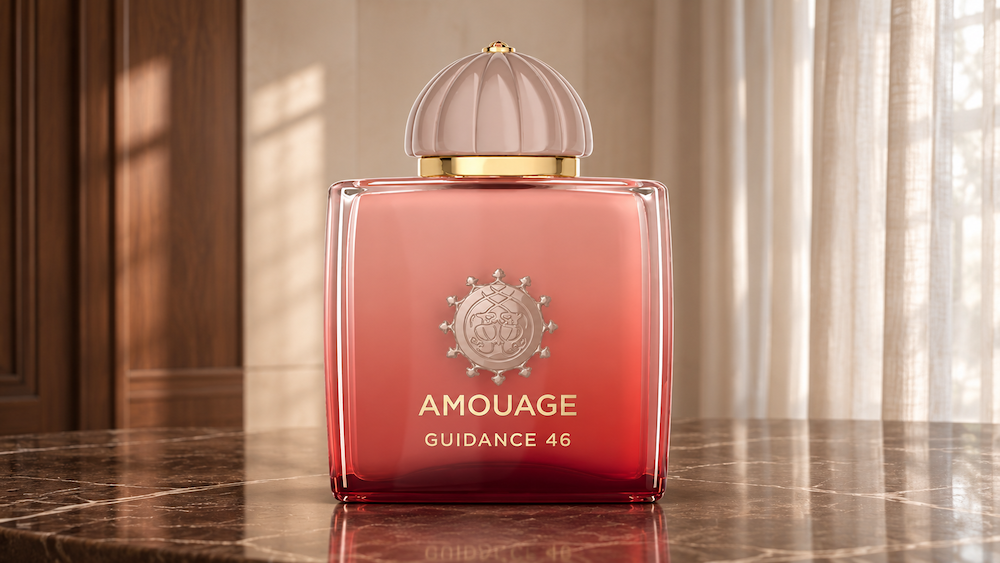
Representing a different creative direction within the Amouage portfolio, Guidance 46 demonstrates the flexibility of a perfume house whose identity is rooted in Omani heritage but whose international appeal depends on innovation rather than repetition. Created by perfumer Quentin Bisch under the creative direction of Renaud Salmon, the fragrance contains 46 per cent perfume concentration and develops the floral, amber and incense themes associated with the original Guidance into a richer extrait.
The published composition combines pear, frankincense, hazelnut, rose water and bitter almond with a heart featuring saffron, rose, jasmine sambac and osmanthus, while sandalwood, vanilla, cistus and other woody and amber elements contribute to its foundation.
The contrast between its softer gourmand qualities and the traditional richness of frankincense makes Guidance 46 an example of how an Omani perfume house can develop a distinctive fragrance identity without relying exclusively on conventional interpretations of oud and incense.
Omanluxury Royal Incense – Reinterpreting a National Signature
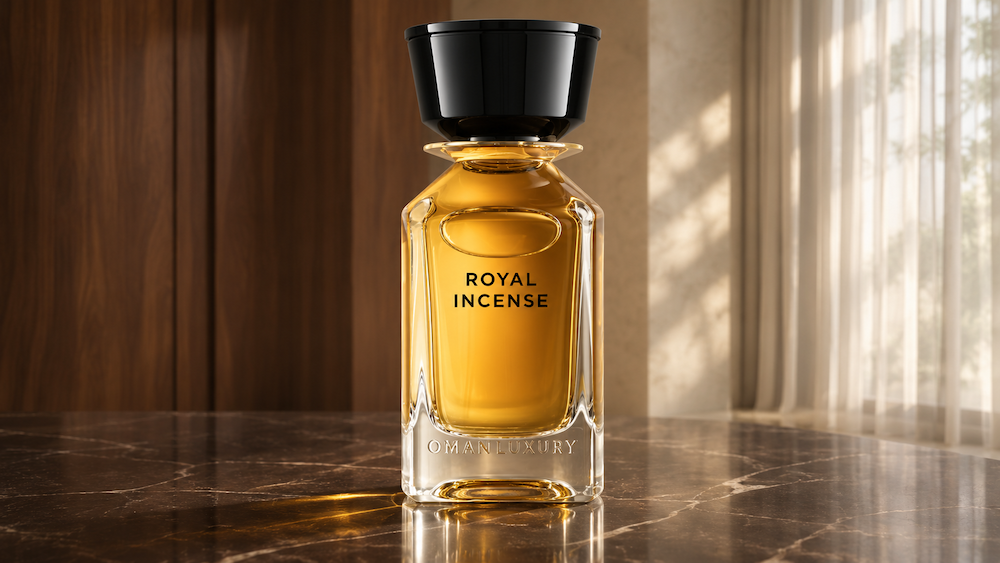
Few ingredients are as closely associated with Oman’s sensory identity as frankincense, and Omanluxury’s Royal Incense approaches that heritage through a composition designed to reinterpret the atmosphere of traditional incense within a contemporary fragrance.
Created by perfumer Philippine Courtière, the perfume opens with pink pepper before introducing lily and geranium, eventually developing into a richer base of incense, amber, honey, vetiver, leather, cedarwood and musk.
The combination of floral elements, spice and warmer resinous materials reflects the creative possibilities associated with frankincense, particularly its capacity to complement both lighter aromatic ingredients and deeper, more persistent notes. Royal Incense also illustrates the commercial value of a clear cultural association, translating a familiar element of Omani life into a finished luxury product intended for customers who may have little direct experience with traditional frankincense burning.
Omanluxury Dejan – The Fragrance of Jabal Akhdar’s Roses
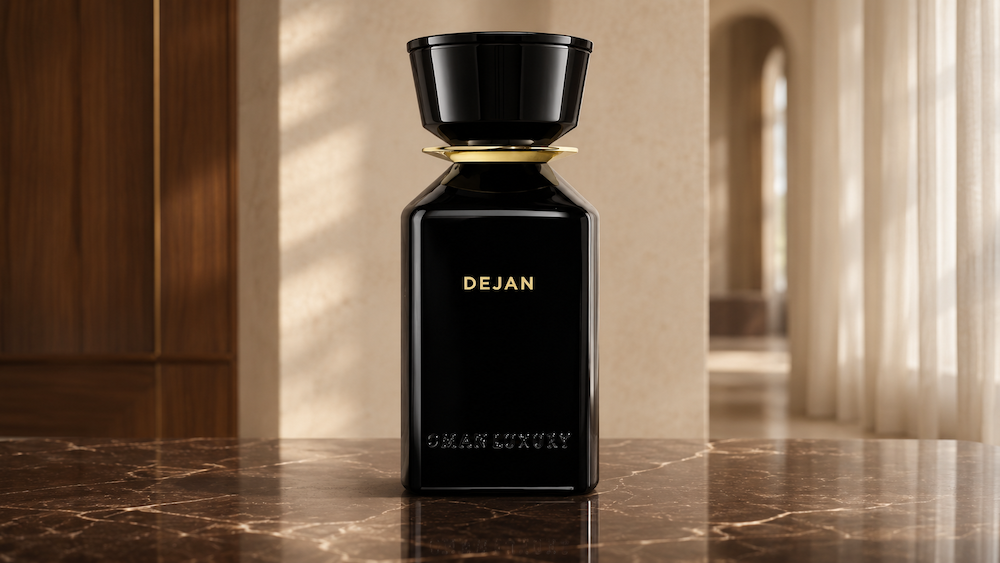
While frankincense dominates much of the international narrative surrounding Omani aromatics, the Sultanate of Oman possesses other distinctive botanical traditions that can provide inspiration for luxury perfumery. The roses cultivated in Jabal Akhdar, where generations of growers have maintained practices associated with rose-water production, offer an alternative cultural reference that is both recognisably Omani and capable of supporting more contemporary interpretations of floral fragrance.
Omanluxury’s Dejan, created by master perfumer Dominique Ropion, draws on that heritage through a Jabal Akhdar rose-water accord accompanied by cypriol, cistus and labdanum, with musk, amber and oud forming the base. The resulting creative direction moves away from a conventional delicate rose composition towards a darker, woodier and more resinous structure.
It is important to distinguish the fragrance’s geographical inspiration from a verified claim about ingredient sourcing: the published note is described as a rose-water accord, which does not independently establish that the material was distilled from roses cultivated in Oman.
Omanluxury Zafar – A Tribute to the Land of Frankincense
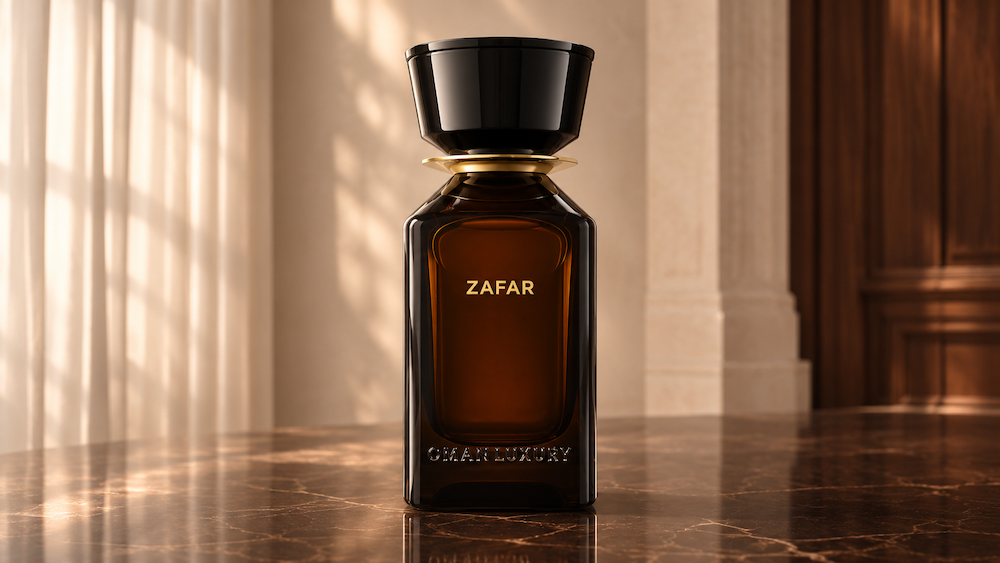
Drawing its inspiration from the historical identity of Dhofar as a centre of the frankincense trade, Omanluxury’s Zafar offers a composition that brings together several ingredients associated with traditional Arabian perfumery. Created by Pierre-Constantin Guéros, the fragrance combines an opening of bergamot, pink pepper and rose with a more elaborate heart of jasmine, olibanum, orris, orange blossom, cinnamon and lily of the valley.
The deeper structure incorporates vanilla, tonka, sandalwood, musk, patchouli, amber, vetiver and oud, creating a layered interpretation of the warm, spicy and resinous qualities traditionally associated with eastern perfumery. Zafar is significant within the wider Omani fragrance landscape because it uses Dhofar’s historical identity as a creative foundation while applying the formulation methods and ingredient combinations of contemporary international perfumery.
Raydan Al Luban – Frankincense at the Centre of the Composition
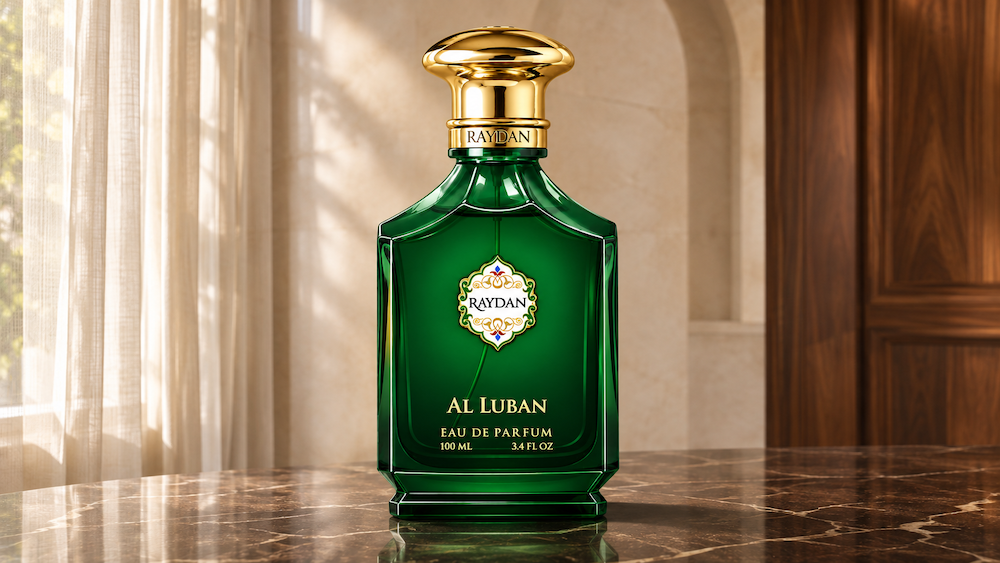
Where many premium perfumes use frankincense as one component within a broader arrangement of flowers, woods and spices, Raydan’s Al Luban places the ingredient at the centre of its identity. Produced by House of Raydan, the Omani fragrance business established in 2008, the perfume is presented as a tribute to the familiar aromatic character of luban, emphasising the connection between the brand’s products and one of the country’s most recognisable natural treasures.
Raydan’s international product description presents frankincense across the fragrance’s top, heart and base note structure, reinforcing its role as the defining theme rather than a secondary aromatic reference. The significance of Al Luban therefore lies not in an attempt to make frankincense appear unfamiliar, but in presenting an ingredient deeply embedded in Omani cultural life as a standalone proposition within a commercially distributed perfume collection.
Raydan Royal Opera – Arabian Fragrance with International Ambitions
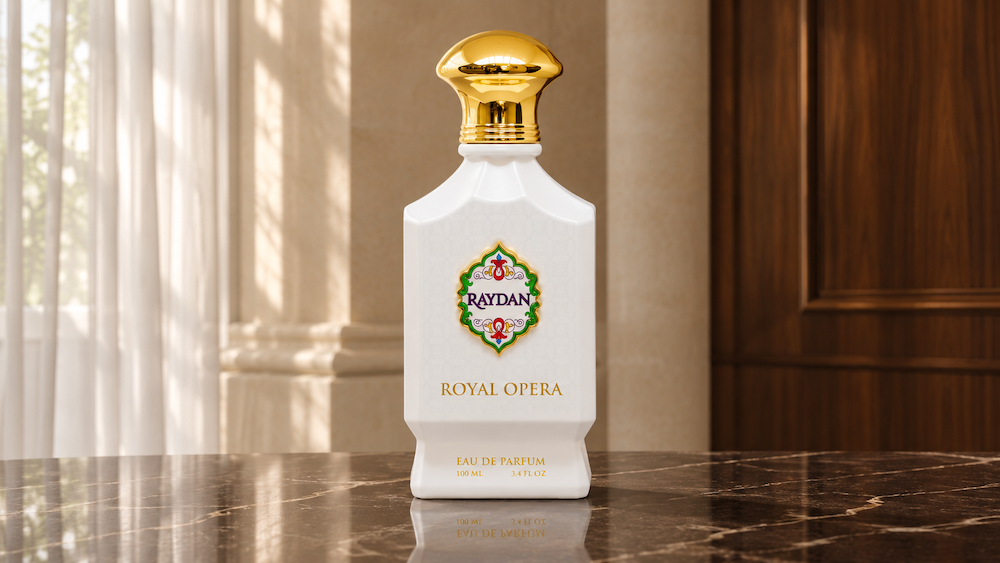
Reflecting the broader appeal of traditional Arabian ingredients in contemporary luxury fragrances, Raydan’s Royal Opera combines oud, saffron, patchouli, amber, frankincense and musk into a composition positioned around warmth, richness and a recognisably regional aromatic character. The brand’s published note structure places oud at the opening, saffron and patchouli at the heart, and amber, luban and musk in the base.
Royal Opera also demonstrates how Omani fragrance houses are reaching beyond their domestic market through international retail and distribution channels. Raydan’s overseas retail presence shows how locally manufactured fragrances can be presented to audiences who increasingly recognise oud and frankincense as ingredients associated with premium perfumery, even when those customers have no direct connection to the traditions from which the fragrances draw their inspiration.



Seven Perfumes That Capture Oman’s High-Perfumery Identity

Ubhar Capital Hosts Investment Dialogue in Muscat with Ominvest as Strategic Partner

OPINION: Why Oman’s ESG Reporting is Being Tested Where Resilience, Carbon & Capital Meet

The Rise of Oman in the World of High Perfumery

HH Sayyid Bilarab Bin Haitham Presides Over Official Unveiling of Al Yazan ITC in Wilayat Muttrah

Seven of the Most Expensive Homes Advertised in Oman

OER Magazine October Edition 2026

Apple’s Latest Earnings Highlight Strong iPhone Demand & Future Challenges

ahlibank Achieves Robust Q3 Results, Strengthening Market Position & Growth Outlook

Energy Oman Opens Category I Subscriptions for Sukuk Series 2

Power And Beyond: The Path To A Low-carbon Future

Al Mouj Muscat unveils Ghadeer Villas

Time to Buy Saudi Stocks? Some Investors Look at Dubai Instead

Hospitality Industry in Oman Estimated 90% Growth in 2022

Renewables are booming, but not fast enough to cap greenhouse emissions

Retail Abu Dhabi’s ‘Unbox Amazing’ generates sales of more than AED 2 billion in participating stores

Saudis Sign Deals From Energy to Metals in Bid to Salvage Forum

Saudi Arabia’s Gold Miner Plans to Be a Global Top-20 Supplier

Technology to drive Sultanate’s downstream industry

Digitization and Logistics Service Providers Can Help SMEs Make the Most of Peak Season Retail Trends

VIDEO: Building Oman’s Future – SAH’s Vision for Infrastructure, Innovation and Growth

VIDEO: Oman Cables Breaks Ground on OMR 10 Million-Plus Plant to Power Oman’s Industrial Future

VIDEO: Hitesh Akarte on Khimji Ramdas Infrastructure’s Role in Oman Vision 2040

Oman’s Hospitality Sector Enters a New Phase of Growth: Sadiq Al Matwani Al Lawati

Amr Baabood: Oman Climate Week Is About Moving From Climate Ambition to Climate Action

Mayan Al Asfoor on Leadership, Legacy and Empowering Omani Talent

LEADERSPEAK: Dhofar Insurance CEO Sunil Kohli on Oman’s Insurance Sector, Reinsurance & Market Outlook

VIDEO: Robert MacLean on how NHI is Shaping Oman’s Next Generation of Hospitality Leaders

The Future of Oman: Decoding The Sultanate of Oman’s Strategic Promotional Nation Brand

EXCLUSIVE: AI, Robotics & Wearable Sensors are Changing the Lives of Dementia Patients
-

 Artificial Intelligence2 months ago
Top 5 Interesting Things AI Did This Month – September 2026 Edition
-

 Economy1 month ago
OER Magazine September Edition 2026
-
 Fashion2 months ago
Luxury Watches That Could Appreciate Over the Next Decade [2026 Auction Buyer Guide]
-

 Alamaliktistaad Magazines1 month ago
Alam Al-Iktisaad Magazine September 2026 Edition
-

 Artificial Intelligence2 months ago
What the World’s Top 10 Tech CEOs Really Earn
-

 Construction1 month ago
SAH wins double honours at Dossier Construction Awards & Summit 2026
-

 Featured2 months ago
OPINION: The Sultan Haitham City Residency Rule Most Buyers Don’t Know About
-
 Magazines2 months ago
OER Magazine August Edition 2026