
Investment
Top 1% EM Money Manager Says Couldn’t Ask for Better Bond Market
(Bloomberg) — The steep decline in developing-nation debt earlier this year has created an opening for investors to scoop up notes with low default risk on the cheap, according to a top Vanguard Group Inc. money manager.
Dan Shaykevich, the firm’s co-head of emerging-market and sovereign bonds, has bought into a rebound in those securities since March, when the intensifying Covid-19 outbreak spurred the worst selloff since the 2008 financial crisis.
“For an active manager, you cannot ask for a better market because there have been so many opportunities,” Shaykevich said in an interview. “You had some very high-quality assets trading at some very distressed levels.”
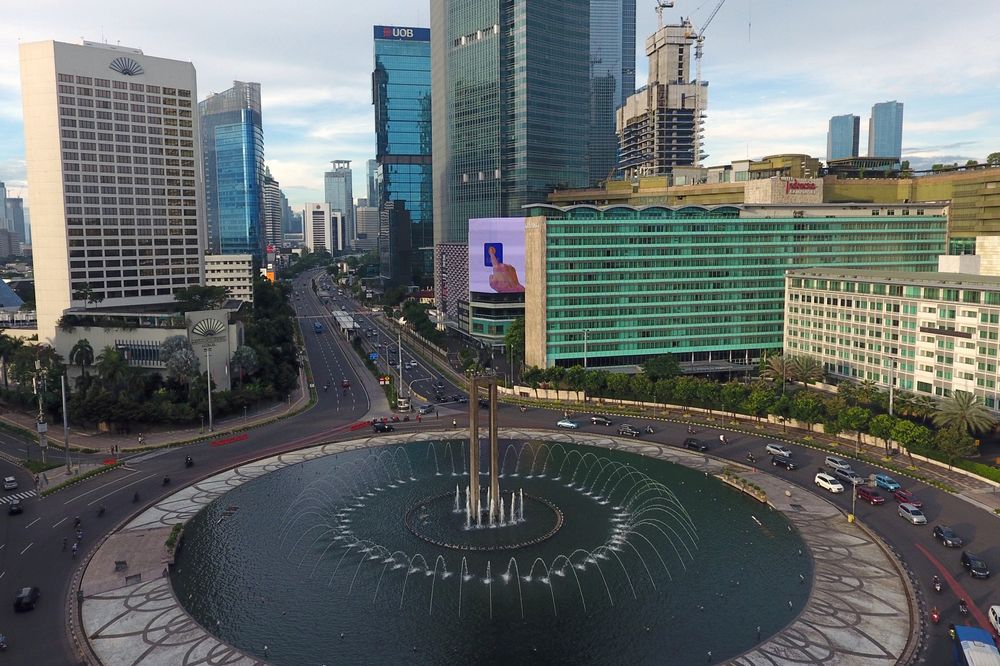
The Malvern, Pennsylvania-based firm is shifting its stance toward relative value and is particularly keen on Ukraine, Indonesia and Panama, where Shaykevich says the bonds got beaten down too far. He also snapped up debt from Ecuador and Sri Lanka, betting the nations will avoid defaults and offer higher recovery values. Their dollar notes have returned about 47% and 16% respectively in the second-quarter, trouncing the emerging-market benchmark bond index, according to data compiled by Bloomberg.
The $597 million Vanguard Emerging Markets Bond Fund, which Shaykevich helps oversee, has topped 99% of peers over the past three years with an annualized return of 8.5%, the data show. It also ranks in the 93rd percentile in 2020 with a total return of 4.2%, even as most portfolios suffer losses and as some competitors pile more cash into money-market funds.
DoubleLine Trims Argentina Bet as Fund Builds Up Cash Buffers
While Shaykevich doesn’t expect assets to recover to pre-Covid levels anytime soon, he said there’s room for some notes to rebound further. For instance, bonds from emerging-market exporters and paper-and-pulp companies, which benefit from increased demand for packaging materials, also look attractive, he said. His firm also bought new bonds from higher-rated developing nations including Abu Dhabi and Israel.
“The level of financing needs for emerging-market governments remains very high,” Shaykevich said. “That is going to ultimately benefit investors in emerging markets because countries will have to continue to offer concessions in order to access the markets to fund these gaps.”



Vodafone Oman Marks Fourth Anniversary With Approximately 17% Market Share

Sohar International Contributes OMR100,000 to Support Those Affected by Al Masarrat Weather Conditions

Liva Insurance Announces New CSR Initiative to Renovate Children’s Cancer Ward at Sultan Qaboos University Hospital

Real Estate Price Index in Oman Grows By 13.9%

Oil Surges More Than 2% as Supply Disruptions Mount

Ibri Industrial City Localises Two Projects Worth RO2M in 2025

VIDEO: Al Khamayil Oman Scales Up Production with New Rusail Facility

Cadillac Enhances Ramadan Ownership Value With Premium Benefits Package

CONNECT and OCEC Partnership Strengthens Oman’s Position as a Global Events Destination

Exclusive: Inside Oman’s Evolving MSME Finance Ecosystem – An Interview with Hussain Al Lawati, CEO, Development Bank

Power And Beyond: The Path To A Low-carbon Future

Al Mouj Muscat unveils Ghadeer Villas

Time to Buy Saudi Stocks? Some Investors Look at Dubai Instead

Renewables are booming, but not fast enough to cap greenhouse emissions

Hospitality Industry in Oman Estimated 90% Growth in 2022

Retail Abu Dhabi’s ‘Unbox Amazing’ generates sales of more than AED 2 billion in participating stores

Saudis Sign Deals From Energy to Metals in Bid to Salvage Forum

Saudi Arabia’s Gold Miner Plans to Be a Global Top-20 Supplier

Technology to drive Sultanate’s downstream industry

Digitization and Logistics Service Providers Can Help SMEs Make the Most of Peak Season Retail Trends

VIDEO: Robert MacLean on how NHI is Shaping Oman’s Next Generation of Hospitality Leaders

The Future of Oman: Decoding The Sultanate of Oman’s Strategic Promotional Nation Brand

EXCLUSIVE: AI, Robotics & Wearable Sensors are Changing the Lives of Dementia Patients

EXCLUSIVE: Talking Renewable Projects & Sustainability in Oman and Beyond with Vipul Tuli

VIDEO: Eng. Salim Al Thuhli, CEO, Khazaen Economic City on Investment Opportunities

H.E. Salim Al Aufi, Minister of Energy & Minerals talks about Oman’s Green Hydrogen Goals

VIDEO: Talking Latest Developments in Aircraft Ground Guidance & More at Oman Airports

VIDEO: Dr. Firas Al-Abduwani Discusses Green Hydrogen, Potential Regions for Development & Creating a Green Ecosystem

VIDEO: Discussing The Future of Green Hydrogen in Oman with H.E. Salim Al Aufi

Celebrating Infoline’s Remarkable 20-Year Journey
-
 Dossier1 month ago
Dossier, 2026
-
 OER Magazines1 month ago
OER, February 26
-
 Banking & Finance1 month ago
Sohar International and Sohar Islamic Supports Over 100 Families in Al Wusta Governorate Through Its ‘Sohar Al Attaa’ Initiative
-

 Banking & Finance1 month ago
National Finance Unveils Exclusive Ramadan Offers on Auto Financing
-

 Economy1 month ago
Middle East Tensions Heighten Risks to Strait of Hormuz, Raising Uncertainty for Global Oil Markets
-

 Economy1 month ago
Analysis: Oman-India CEPA Opens Path to Deeper Trade Investment and Growth
-

 Economy1 month ago
ANALYSIS: Oil Near Seven-Month Highs Amid US, Iran Tensions
-

 Education2 months ago
Jebel View International School to Launch in Muscat in September 2026 & Now Open to Visit