
International
Export pipeline needed to catalyze East African oil production boom: GlobalData
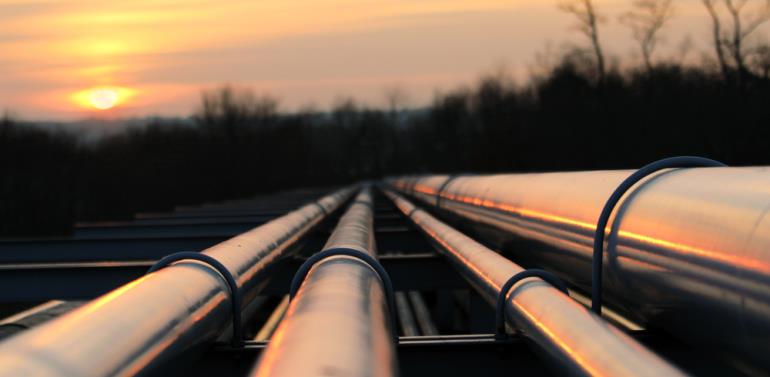
The recoverable oil reserve estimates of approximately 750 and 600 million barrels (mmbbl) in Uganda and Kenya respectively, and the government share of the reserves expected to be about 30–50 per cent, signify that the potential impact on economic development in these countries could be great. However, new infrastructure, including an export pipeline, is required to enable commercialization of these discoveries, says an analyst with research and consulting firm GlobalData.
Overall oil production in Uganda is forecast to peak at about 200,000 barrels per day (bd) by 2023, while Kenya’s production is estimated to reach approximately 85,000 bd by 2027, provided the export pipeline is in place.
According to Jonathan Markham, GlobalData’s Upstream Oil & Gas Analyst, while a range of possible pipeline routes to ports in Lamu, Mombasa or Tanga have been proposed, upstream development in the region has stalled due to a lack of progress in developing an export route for these inland discoveries.
“Operators have been lobbying for an export pipeline since the discoveries were made to enable development of the area. Tullow Oil and Africa Oil have cautiously welcomed progress made in agreeing to a pipeline route from Uganda through northern Kenya to Lamu, but Total prefers routes further south, citing security concerns in northern Kenya,” explains Markham.
The analyst adds that the development of an export pipeline would also be a driver for upstream exploration in the region. Governments in central and eastern Africa have already licensed some blocks, but the remote locations have dampened interest from major oil companies.
“Current license holders view new basin exploration as an area with high growth potential, with South Sudan, Ethiopia, Tanzania, Rwanda and the Democratic Republic of the Congo all possible beneficiaries of new pipeline routes. Discoveries in Kenya and Uganda have favourable subsurface characteristics and relatively low exploration and appraisal costs compared with the deep water dominated exploration in West Africa. Estimated full-cycle capital expenditure per barrel for these upstream developments is about US$8–12, which is increasingly enticing, as the oil and gas industry cuts back on costs. However, without an economical export route, the inland discoveries will remain commercially unviable at current oil prices,” states Markham.



The Hidden Price of Convenience: What People in Oman Spend on Food Delivery, Coffee & Subscriptions

VIDEO: Oman Cables Breaks Ground on OMR 10 Million-Plus Plant to Power Oman’s Industrial Future

Liva Insurance Recognised for Leadership in Insurance Innovation and Digital Transformation at OERLive DX Oman

Oman Air Launches Winter Schedule with Additional Frequencies, Expanded Capacity & New Codeshare Destinations

IHE and Eicher Trucks and Buses promote school bus safety awareness among students

India’s rising edge in oil, gas and construction projects is enabling Middle East’s growth

The Financial Services Authority organises the National Health Insurance Platform Forum ‘Dhamani’

Is India’s accelerating export engine driving manufacturing towards global scale?

SAH wins double honours at Dossier Construction Awards & Summit 2026

VIDEO: Hitesh Akarte on Khimji Ramdas Infrastructure’s Role in Oman Vision 2040

Power And Beyond: The Path To A Low-carbon Future

Al Mouj Muscat unveils Ghadeer Villas

Time to Buy Saudi Stocks? Some Investors Look at Dubai Instead

Hospitality Industry in Oman Estimated 90% Growth in 2022

Renewables are booming, but not fast enough to cap greenhouse emissions

Retail Abu Dhabi’s ‘Unbox Amazing’ generates sales of more than AED 2 billion in participating stores

Saudis Sign Deals From Energy to Metals in Bid to Salvage Forum

Saudi Arabia’s Gold Miner Plans to Be a Global Top-20 Supplier

Technology to drive Sultanate’s downstream industry

Digitization and Logistics Service Providers Can Help SMEs Make the Most of Peak Season Retail Trends
VIDEO: Oman Cables Breaks Ground on OMR 10 Million-Plus Plant to Power Oman’s Industrial Future
VIDEO: Hitesh Akarte on Khimji Ramdas Infrastructure’s Role in Oman Vision 2040

Oman’s Hospitality Sector Enters a New Phase of Growth: Sadiq Al Matwani Al Lawati

Amr Baabood: Oman Climate Week Is About Moving From Climate Ambition to Climate Action

Mayan Al Asfoor on Leadership, Legacy and Empowering Omani Talent

LEADERSPEAK: Dhofar Insurance CEO Sunil Kohli on Oman’s Insurance Sector, Reinsurance & Market Outlook

VIDEO: Robert MacLean on how NHI is Shaping Oman’s Next Generation of Hospitality Leaders

The Future of Oman: Decoding The Sultanate of Oman’s Strategic Promotional Nation Brand

EXCLUSIVE: AI, Robotics & Wearable Sensors are Changing the Lives of Dementia Patients

EXCLUSIVE: Talking Renewable Projects & Sustainability in Oman and Beyond with Vipul Tuli
-

 Artificial Intelligence4 weeks ago
Top 5 Interesting Things AI Did This Month – September 2026 Edition
-

 Fashion3 weeks ago
Luxury Watches That Could Appreciate Over the Next Decade [2026 Auction Buyer Guide]
-

 Highlights2 months ago
OERLive: Top 10 Mathematical Problems AI Has Solved or Transformed
-

 Banking & Finance1 month ago
The GCC’s 10 Richest Billionaires: Inside US$253.5 Billion of Wealth
-

 Economy2 weeks ago
OER Magazine September Edition 2026
-

 Magazines2 months ago
OER Magazine July Edition 2026
-

 Magazines2 months ago
Al Mar’a Magazine July 2026
-

 Alamaliktistaad Magazines2 months ago
Alam Al-Iktisaad Magazine July 2026 Edition
You must be logged in to post a comment Login