
Hospitality
Economic diversification and a focus on tourism is the way for GCC
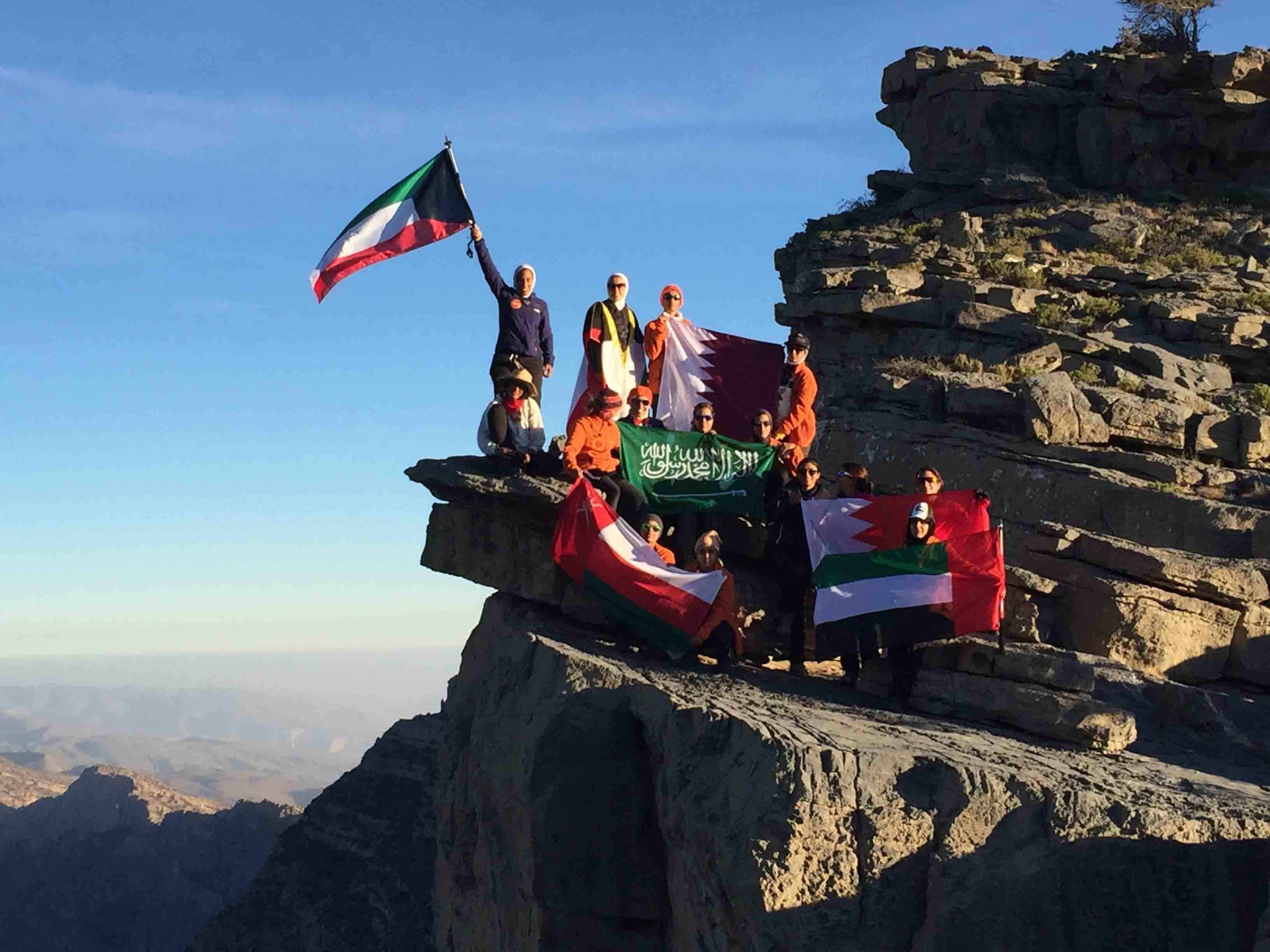
GCC will experience a 125% growth in Russian visitors by 2023, as predicted by Colliers International.
A boost to the economy contributed by diversifying and focussing on alternate segments is what is augmenting the growth in Middle East. Infrastructure projects, SME investments, promoting tourism are some of the key measures undertaken by Middle East economies to reduce the dependency on the oil and energy sector.
The government led projects are focussing on developing an environment that encourages fresh entrepreneurs, start-ups and foreign investments. Optimum use of resources, business agility and relaxed visa rules are attracting great investments and reforming the existing business models. Huge investments in technology and analytics are altering the way the industries operate in the region.
Travel and tourism GDP growth is expected to surge continuously and create wealth and employment opportunities. While businesses are developing innovative strategies to attract global companies, travel and tourism remains at the forefront of the economic diversification plans across the GCC.
A recent statistics from Colliers International predicts the increase in the number of tourists from Russia. New airline routes, relaxed visa rules for Russian nationals, the oil price recovery and stabling of value of the Russian rouble has enabled the Russian travellers to explore GCC as a tourist destination. And Middle East right now, has numerous leisure and retail attractions to offer. The luxury hotels, resorts and theme parks are in abundant and attracting tourists from all over the world.
According to the Arabian Travel Market the number of Russian tourists travelling to the GCC is expected to increase 125%, from 933,000 in 2018 to 2.1 million in 2023. The drop in the oil prices and the instability in the financial and energy market had affected the influx of tourists in the region, particularly the Russians. But as the energy and financial sector are gaining momentum, there is a huge drift in the travel sector.
UAE is a favourite travel destination for Russians and is one of the top 10 source markets for the UAE. The number of visitors from Russia has drastically increased after UAE’s introduction of visas on arrival for Russian tourists in 2017.
The recent reforms and relaxation of visa regulations has helped Saudi Arabia. It is capitalising on these factors to nurture a vibrant leisure and entertainment sector, supported by a new league of hotels and resorts. This and a higher Russian visitor numbers will help support investment opportunities and economic diversification in the region. Saudi Arabia plans to target 30 million visitors annually by 2030.
Despite the UAE and Saudi Arabia leading comparative growth, Oman witnessed an increase of 11 per cent tourists between 2013 and 2018, while Kuwait experienced an aggregate growth rate of 7 per cent.
A robust infrastructure planning, technology implementation in the hospitality industry coupled with resourcing talent that can cater to a wide variety of audience are sure to help create a global tourist hub and enable GCC to emerge as a leading tourism and travel destination in the days to come.


Oman and the UK: From Historical Legacy of Over 220 Years to Future Partnership

Sohar International Launches Expatriate Banking Proposition with Housing Loans, Cashback, Insurance & Digital Remittance Solutions

INVESTIGATION: What Happens to Oman’s Economy at $60, $80, $100 and $120 Oil?

From Liverpool to Sultana: Testimonies to Centuries-Old Omani-British Friendship

What is El Nino – And How Is It Expected To Affect Oman’s Weather & Economy?

VIDEO: Building Oman’s Future – SAH’s Vision for Infrastructure, Innovation and Growth

The Hidden Price of Convenience: What People in Oman Spend on Food Delivery, Coffee & Subscriptions

VIDEO: Oman Cables Breaks Ground on OMR 10 Million-Plus Plant to Power Oman’s Industrial Future

Liva Insurance Recognised for Leadership in Insurance Innovation and Digital Transformation at OERLive DX Oman

Oman Air Launches Winter Schedule with Additional Frequencies, Expanded Capacity & New Codeshare Destinations

Power And Beyond: The Path To A Low-carbon Future

Al Mouj Muscat unveils Ghadeer Villas

Time to Buy Saudi Stocks? Some Investors Look at Dubai Instead

Hospitality Industry in Oman Estimated 90% Growth in 2022

Renewables are booming, but not fast enough to cap greenhouse emissions

Retail Abu Dhabi’s ‘Unbox Amazing’ generates sales of more than AED 2 billion in participating stores

Saudis Sign Deals From Energy to Metals in Bid to Salvage Forum

Saudi Arabia’s Gold Miner Plans to Be a Global Top-20 Supplier

Technology to drive Sultanate’s downstream industry

Digitization and Logistics Service Providers Can Help SMEs Make the Most of Peak Season Retail Trends
VIDEO: Building Oman’s Future – SAH’s Vision for Infrastructure, Innovation and Growth
VIDEO: Oman Cables Breaks Ground on OMR 10 Million-Plus Plant to Power Oman’s Industrial Future

VIDEO: Hitesh Akarte on Khimji Ramdas Infrastructure’s Role in Oman Vision 2040

Oman’s Hospitality Sector Enters a New Phase of Growth: Sadiq Al Matwani Al Lawati

Amr Baabood: Oman Climate Week Is About Moving From Climate Ambition to Climate Action

Mayan Al Asfoor on Leadership, Legacy and Empowering Omani Talent

LEADERSPEAK: Dhofar Insurance CEO Sunil Kohli on Oman’s Insurance Sector, Reinsurance & Market Outlook

VIDEO: Robert MacLean on how NHI is Shaping Oman’s Next Generation of Hospitality Leaders

The Future of Oman: Decoding The Sultanate of Oman’s Strategic Promotional Nation Brand

EXCLUSIVE: AI, Robotics & Wearable Sensors are Changing the Lives of Dementia Patients
-

 Artificial Intelligence1 month ago
Top 5 Interesting Things AI Did This Month – September 2026 Edition
-

 Fashion3 weeks ago
Luxury Watches That Could Appreciate Over the Next Decade [2026 Auction Buyer Guide]
-

 Economy3 weeks ago
OER Magazine September Edition 2026
-
 Banking & Finance1 month ago
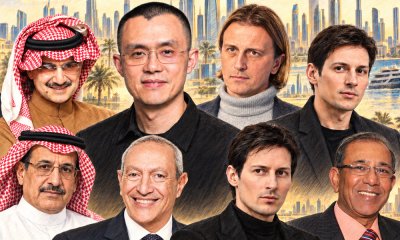
The GCC’s 10 Richest Billionaires: Inside US$253.5 Billion of Wealth
-
 Magazines2 months ago
OER Magazine July Edition 2026
-
 Magazines2 months ago
Al Mar’a Magazine July 2026
-
 Banking & Finance1 month ago
INVESTIGATION: What If You Bought Apple Stock Every Time You Bought an iPhone?
-
 Alamaliktistaad Magazines2 months ago
Alam Al-Iktisaad Magazine July 2026 Edition
You must be logged in to post a comment Login