
Energy
Saudis Pledge Even Deeper Oil Cuts in February Under OPEC+ Deal

Saudi Arabia expects to reduce oil output once again in February and pump for six months at levels “well below” the production limit it accepted under OPEC’s oil-cuts accord, Energy Minister Khalid Al-Falih said.
The world’s biggest exporter targeted production of 10.2 million barrels a day in January and is aiming to pump about 10.1 million in February, he said. Saudi Arabia’s voluntary limit under the December cuts deal with Russia and other producers was 10.33 million barrels a day.
“Saudi Arabia will be well below the voluntary cap that we agreed to” and will pump beneath its ceiling “for the full six months” of the December cuts accord, he said in a Bloomberg Television interview in Riyadh.
The Organization of Petroleum Exporting Countries and allies including Russia agreed to pare production starting this month in an effort to buttress sagging crude prices. Benchmark Brent has gained this year as Saudi Arabia leads the way in curbing output amid a surge in U.S. shale-oil supplies.
“Demand will start picking up at the end of the first quarter and into the second quarter,” Al-Falih said. The impact of OPEC+ output reductions “will trickle down into the global markets over the next few weeks.”
U.S. Oversupply
The U.S. is currently “way oversupplied” with its own output and with oil from other Western hemisphere producers, Al-Falih said.
“So, as we look at the oil market, and we see it in the price differentials, it’s really not rewarding us to export a lot of oil to the U.S. And as a result, as we make adjustments, it makes commercial sense that that’s the market that gets the majority of our cuts.”
Saudi Arabia and like-minded countries are determined to drive inventories below the five-year historical average, he said. “We’re going to do it by ensuring that supply is below demand for 2019.”
It’s still unclear what effect political turmoil in Venezuela will have on crude markets, Al-Falih said. Output from the South American OPEC member has languished amid escalating tensions between forces loyal to President Nicolas Maduro and those supporting opposition National Assembly leader Juan Guaido.



Win OMR 3,000: ROP & Bank Muscat Launch Cyber Fraud Awareness Short Film Competition

EXCLUSIVE INTERVIEW: Yango’s Big Vision for Oman

Leadership, Transformation Forum Reviews Inspiring Women’s Experiences

OPINION: GCC Navigates Global Macro Volatility as Worldwide Growth Moderates to 2.6%

City Centre Muscat Celebrates 25 Years of Great Moments as Mall of Oman Marks Its Fifth Anniversary

HM The Sultan Accorded Official Reception Ceremony at Windsor Castle

61.7% of Middle Eastern Families Involve the Next Generation As Business Successors or Consultants

Future Fund Oman’s $5.2B Outlook: Where Will the Sultanate’s Next Big Businesses Come From?

Oman and the UK: From Historical Legacy of Over 220 Years to Future Partnership

Sohar International Launches Expatriate Banking Proposition with Housing Loans, Cashback, Insurance & Digital Remittance Solutions

Power And Beyond: The Path To A Low-carbon Future

Al Mouj Muscat unveils Ghadeer Villas

Time to Buy Saudi Stocks? Some Investors Look at Dubai Instead

Hospitality Industry in Oman Estimated 90% Growth in 2022

Renewables are booming, but not fast enough to cap greenhouse emissions

Retail Abu Dhabi’s ‘Unbox Amazing’ generates sales of more than AED 2 billion in participating stores

Saudis Sign Deals From Energy to Metals in Bid to Salvage Forum

Saudi Arabia’s Gold Miner Plans to Be a Global Top-20 Supplier

Technology to drive Sultanate’s downstream industry

Digitization and Logistics Service Providers Can Help SMEs Make the Most of Peak Season Retail Trends

VIDEO: Building Oman’s Future – SAH’s Vision for Infrastructure, Innovation and Growth

VIDEO: Oman Cables Breaks Ground on OMR 10 Million-Plus Plant to Power Oman’s Industrial Future

VIDEO: Hitesh Akarte on Khimji Ramdas Infrastructure’s Role in Oman Vision 2040

Oman’s Hospitality Sector Enters a New Phase of Growth: Sadiq Al Matwani Al Lawati

Amr Baabood: Oman Climate Week Is About Moving From Climate Ambition to Climate Action

Mayan Al Asfoor on Leadership, Legacy and Empowering Omani Talent

LEADERSPEAK: Dhofar Insurance CEO Sunil Kohli on Oman’s Insurance Sector, Reinsurance & Market Outlook

VIDEO: Robert MacLean on how NHI is Shaping Oman’s Next Generation of Hospitality Leaders

The Future of Oman: Decoding The Sultanate of Oman’s Strategic Promotional Nation Brand

EXCLUSIVE: AI, Robotics & Wearable Sensors are Changing the Lives of Dementia Patients
-

 Artificial Intelligence1 month ago
Top 5 Interesting Things AI Did This Month – September 2026 Edition
-

 Economy4 weeks ago
OER Magazine September Edition 2026
-

 Fashion4 weeks ago
Luxury Watches That Could Appreciate Over the Next Decade [2026 Auction Buyer Guide]
-

 Banking & Finance2 months ago
The GCC’s 10 Richest Billionaires: Inside US$253.5 Billion of Wealth
-
 Alamaliktistaad Magazines3 weeks ago
Alam Al-Iktisaad Magazine September 2026 Edition
-

 Banking & Finance2 months ago
INVESTIGATION: What If You Bought Apple Stock Every Time You Bought an iPhone?
-

 News2 months ago
OPEC+ Holds Output Steady for October as Focus Shifts to 2027 Quotas
-
 Artificial Intelligence1 month ago
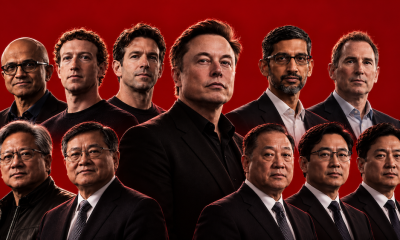
What the World’s Top 10 Tech CEOs Really Earn
You must be logged in to post a comment Login