
Economy
UAE Won’t Be `Baited’ Into Iran Crisis as Tensions Mount
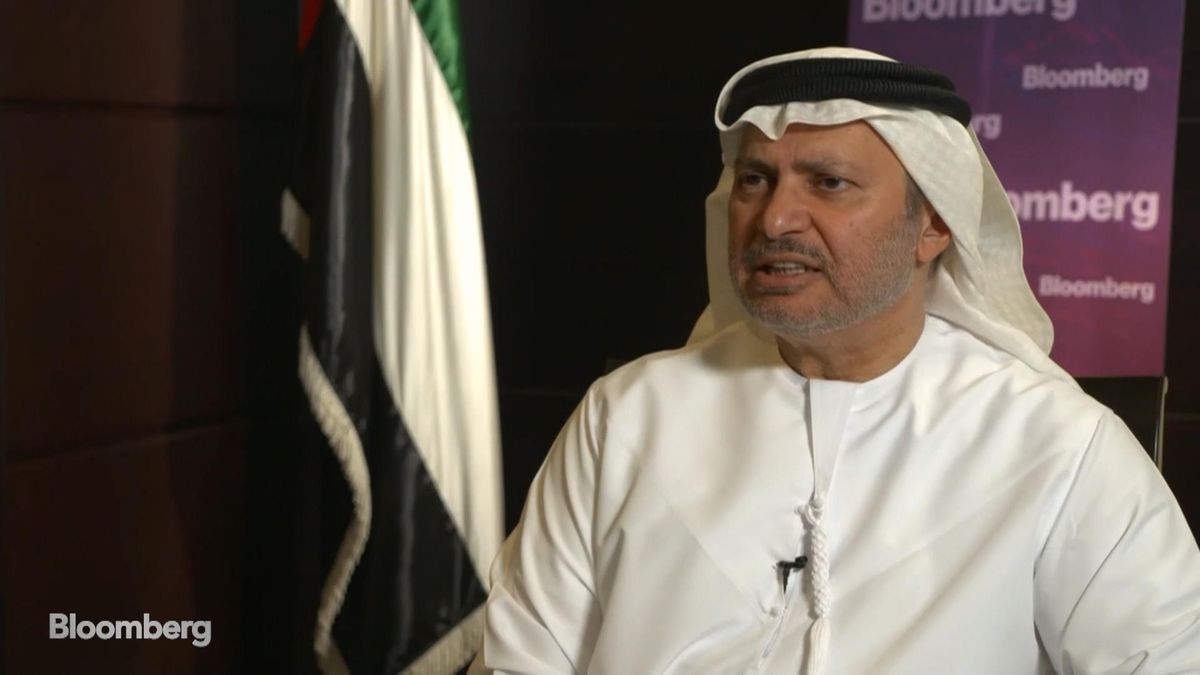
(Bloomberg) — The United Arab Emirates “won’t jump the gun” and accuse Iran of sabotaging ships off its coast, a senior government official said, as rising tensions in the Gulf stoke concerns the region is teetering on the brink of another war.
In an hour-long briefing, the UAE’s minister of state for foreign affairs, Anwar Gargash, struck a cautious tone, stressing his country is “very committed to deescalation” and would exercise “caution and prudence” in a “brittle, difficult” situation. He said an investigation of the attack on the four ships, which includes Saudi and Norwegian vessels, was being assisted by American and French investigators and should wind up within days.
“We need to address Iran’s behavior clearly, but at the same time not to be baited into crisis,” Gargash said in an interview with Bloomberg Television late on Wednesday. “This is the region we live in and it’s important for us that we manage this crisis.”
There has been no claim of responsibility for the attack, and neither the UAE nor Saudi Arabia have identified suspected culprits. Gargash dismissed an anonymous U.S. official’s claim blaming Iran, saying the UAE is closer to the investigation.
Tensions have been rising in the Gulf since the U.S. stopped granting waivers last month to buyers of Iranian oil, tightening the crippling sanctions imposed on the Islamic Republic after President Donald Trump pulled the U.S. out of the 2015 nuclear deal.
The U.S., citing unspecified threats from Iran, has accelerated the movement of a carrier battle group to the region and dispatched bombers and a Patriot anti-missile battery. On Wednesday, citing an “increased threat stream,” it ordered its non-emergency government staff to leave Iraq.
Iran has responded to the accelerated U.S. military movement by threatening to abandon limits on uranium enrichment enshrined in the nuclear deal unless the remaining signatories find a way to let it access the economic benefits it expected to reap under the accord. The U.S. pullout from the agreement has made European companies and banks shy from doing business with Iran for fear of falling afoul of the American sanctions.
Yemen’s Iran-backed Houthi rebels escalated the frictions in the region with drone attacks on Saudi oil facilities on Tuesday. A Saudi Arabia-led coalition that’s been fighting the Houthis for the past four years hit rebel targets on Thursday in retaliation, and a Saudi prince accused Iran of ordering the drone attacks.
“We will also retaliate and retaliate hard when we see the Houthis hit civilian targets within Saudi Arabia,” Gargash told reporters in a separate briefing on Wednesday evening.



Hussain Al Maimani Joins MHD Infotech as Senior General Manager

Liva Insurance to Launch ‘Know Your Numbers’ Health Check-up Campaign as a Community Welfare Initiative for World Health Day

Vodafone Oman Marks Fourth Anniversary With Approximately 17% Market Share

Sohar International Contributes OMR100,000 to Support Those Affected by Al Masarrat Weather Conditions

Liva Insurance Announces New CSR Initiative to Renovate Children’s Cancer Ward at Sultan Qaboos University Hospital

Real Estate Price Index in Oman Grows By 13.9%

Oil Surges More Than 2% as Supply Disruptions Mount

Ibri Industrial City Localises Two Projects Worth RO2M in 2025

VIDEO: Al Khamayil Oman Scales Up Production with New Rusail Facility

Cadillac Enhances Ramadan Ownership Value With Premium Benefits Package

Power And Beyond: The Path To A Low-carbon Future

Al Mouj Muscat unveils Ghadeer Villas

Time to Buy Saudi Stocks? Some Investors Look at Dubai Instead

Hospitality Industry in Oman Estimated 90% Growth in 2022

Renewables are booming, but not fast enough to cap greenhouse emissions

Retail Abu Dhabi’s ‘Unbox Amazing’ generates sales of more than AED 2 billion in participating stores

Saudis Sign Deals From Energy to Metals in Bid to Salvage Forum

Saudi Arabia’s Gold Miner Plans to Be a Global Top-20 Supplier

Technology to drive Sultanate’s downstream industry

Digitization and Logistics Service Providers Can Help SMEs Make the Most of Peak Season Retail Trends

VIDEO: Robert MacLean on how NHI is Shaping Oman’s Next Generation of Hospitality Leaders

The Future of Oman: Decoding The Sultanate of Oman’s Strategic Promotional Nation Brand

EXCLUSIVE: AI, Robotics & Wearable Sensors are Changing the Lives of Dementia Patients

EXCLUSIVE: Talking Renewable Projects & Sustainability in Oman and Beyond with Vipul Tuli

VIDEO: Eng. Salim Al Thuhli, CEO, Khazaen Economic City on Investment Opportunities

H.E. Salim Al Aufi, Minister of Energy & Minerals talks about Oman’s Green Hydrogen Goals

VIDEO: Talking Latest Developments in Aircraft Ground Guidance & More at Oman Airports

VIDEO: Dr. Firas Al-Abduwani Discusses Green Hydrogen, Potential Regions for Development & Creating a Green Ecosystem

VIDEO: Discussing The Future of Green Hydrogen in Oman with H.E. Salim Al Aufi

Celebrating Infoline’s Remarkable 20-Year Journey
-

 Dossier2 months ago
Dossier, 2026
-
 OER Magazines1 month ago
OER, February 26
-
 Banking & Finance2 months ago
Sohar International and Sohar Islamic Supports Over 100 Families in Al Wusta Governorate Through Its ‘Sohar Al Attaa’ Initiative
-

 Banking & Finance2 months ago
National Finance Unveils Exclusive Ramadan Offers on Auto Financing
-
 Economy1 month ago
Middle East Tensions Heighten Risks to Strait of Hormuz, Raising Uncertainty for Global Oil Markets
-

 Economy2 months ago
Analysis: Oman-India CEPA Opens Path to Deeper Trade Investment and Growth
-

 Economy2 months ago
ANALYSIS: Oil Near Seven-Month Highs Amid US, Iran Tensions
-

 Alamaliktistaad Magazines2 months ago
Al-iktisaad, February 26
You must be logged in to post a comment Login