
Economy
Oman Records RO1.1B Budget Surplus By September 2022

Oman’s budget achieved a surplus of RO1.123bn by the end of September 2022 when compared with a deficit of RO1.030bn over the same period in 2021, according to the Fiscal Performance Monthly Bulletin published by the Ministry of Finance.
Oman’s public revenues stood at RO10.567bn by the end of September 2022, up by 43.4 per cent compared with RO7.368bn registered over the same period in 2021. This is mainly due to an increase in oil prices and ramped-up production.
By the end of September 2022, hydrocarbon revenues increased to RO8.102bn, up by 51.9 per cent compared to RO5.331bn registered over the same period in 2021. This increase is supported by a higher average oil price of US$94 per barrel, as well as an increase in oil crude production to 1,056,000 barrels per day.
Current revenue increased by 22.3 per cent to stand at RO2.45bn by the end of September 2022 compared to RO2.004bn over the same period in 2021.
Meanwhile, public spending increased by 12.5 per cent to RO9.444bn by the end of September 2022, which is up by RO1.046bn when compared to the same period in 2021.
The development expenditure of ministries and civil units amounted to RO657mn, representing 60 per cent of total development spending, i.e. RO1.100bn, allocated for 2022.

Meanwhile, current expenditure until the end of September 2022 increased by 10.1 per cent to stand at RO7.070bn when compared to the figures registered over the same period in 2021.
Total contributions and other expenses increased to RO1.434bn compared to RO578mn registered over the same period in 2021. By the end of September 2022, oil products and food commodities subsidies amounted to RO563mn and RO18mn, respectively.
Additionally, an amount of RO150mn was allocated for the future debt obligations budget item.
At the end of the third quarter of 2022, the Ministry of Finance paid the private sector an amount of RO827mn. This reflects the payment vouchers received through the e-financial system, and which have completed the documentary cycle.
The bulletin also indicated that the National Assets Register is an integrated central system that takes full account of government assets and helps to draft a strategy to ensure centralised management of the assets, as well as to maximise their efficiency and returns.
This can be achieved through the optimal use of such assets in a way that generates more financial resources for the State budget.
The first phase of the National Assets Register’s tasks includes counting and listing of government assets of the Ministry of Finance, Ministry of Health and Muscat Municipality.
The next phase includes launching the electronic system of the National Assets Register.



Vodafone Oman Marks Fourth Anniversary With Approximately 17% Market Share

Sohar International Contributes OMR100,000 to Support Those Affected by Al Masarrat Weather Conditions

Liva Insurance Announces New CSR Initiative to Renovate Children’s Cancer Ward at Sultan Qaboos University Hospital

Real Estate Price Index in Oman Grows By 13.9%

Oil Surges More Than 2% as Supply Disruptions Mount

Ibri Industrial City Localises Two Projects Worth RO2M in 2025

VIDEO: Al Khamayil Oman Scales Up Production with New Rusail Facility

Cadillac Enhances Ramadan Ownership Value With Premium Benefits Package

CONNECT and OCEC Partnership Strengthens Oman’s Position as a Global Events Destination

Exclusive: Inside Oman’s Evolving MSME Finance Ecosystem – An Interview with Hussain Al Lawati, CEO, Development Bank

Power And Beyond: The Path To A Low-carbon Future

Al Mouj Muscat unveils Ghadeer Villas

Time to Buy Saudi Stocks? Some Investors Look at Dubai Instead

Renewables are booming, but not fast enough to cap greenhouse emissions

Hospitality Industry in Oman Estimated 90% Growth in 2022

Retail Abu Dhabi’s ‘Unbox Amazing’ generates sales of more than AED 2 billion in participating stores

Saudis Sign Deals From Energy to Metals in Bid to Salvage Forum

Saudi Arabia’s Gold Miner Plans to Be a Global Top-20 Supplier

Technology to drive Sultanate’s downstream industry

Digitization and Logistics Service Providers Can Help SMEs Make the Most of Peak Season Retail Trends

VIDEO: Robert MacLean on how NHI is Shaping Oman’s Next Generation of Hospitality Leaders

The Future of Oman: Decoding The Sultanate of Oman’s Strategic Promotional Nation Brand

EXCLUSIVE: AI, Robotics & Wearable Sensors are Changing the Lives of Dementia Patients

EXCLUSIVE: Talking Renewable Projects & Sustainability in Oman and Beyond with Vipul Tuli

VIDEO: Eng. Salim Al Thuhli, CEO, Khazaen Economic City on Investment Opportunities

H.E. Salim Al Aufi, Minister of Energy & Minerals talks about Oman’s Green Hydrogen Goals

VIDEO: Talking Latest Developments in Aircraft Ground Guidance & More at Oman Airports

VIDEO: Dr. Firas Al-Abduwani Discusses Green Hydrogen, Potential Regions for Development & Creating a Green Ecosystem

VIDEO: Discussing The Future of Green Hydrogen in Oman with H.E. Salim Al Aufi

Celebrating Infoline’s Remarkable 20-Year Journey
-

 Dossier1 month ago
Dossier, 2026
-

 OER Magazines1 month ago
OER, February 26
-
 Banking & Finance1 month ago
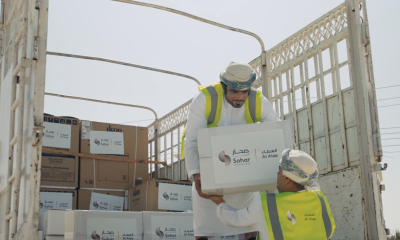
Sohar International and Sohar Islamic Supports Over 100 Families in Al Wusta Governorate Through Its ‘Sohar Al Attaa’ Initiative
-
 Banking & Finance1 month ago
National Finance Unveils Exclusive Ramadan Offers on Auto Financing
-
 Economy1 month ago
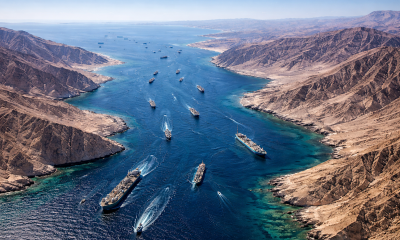
Middle East Tensions Heighten Risks to Strait of Hormuz, Raising Uncertainty for Global Oil Markets
-

 Economy1 month ago
Analysis: Oman-India CEPA Opens Path to Deeper Trade Investment and Growth
-

 Economy1 month ago
ANALYSIS: Oil Near Seven-Month Highs Amid US, Iran Tensions
-

 Education2 months ago
Jebel View International School to Launch in Muscat in September 2026 & Now Open to Visit