
Economy
Expat Levy, Handouts, Defense Cutbacks: What’s in Saudi Budget
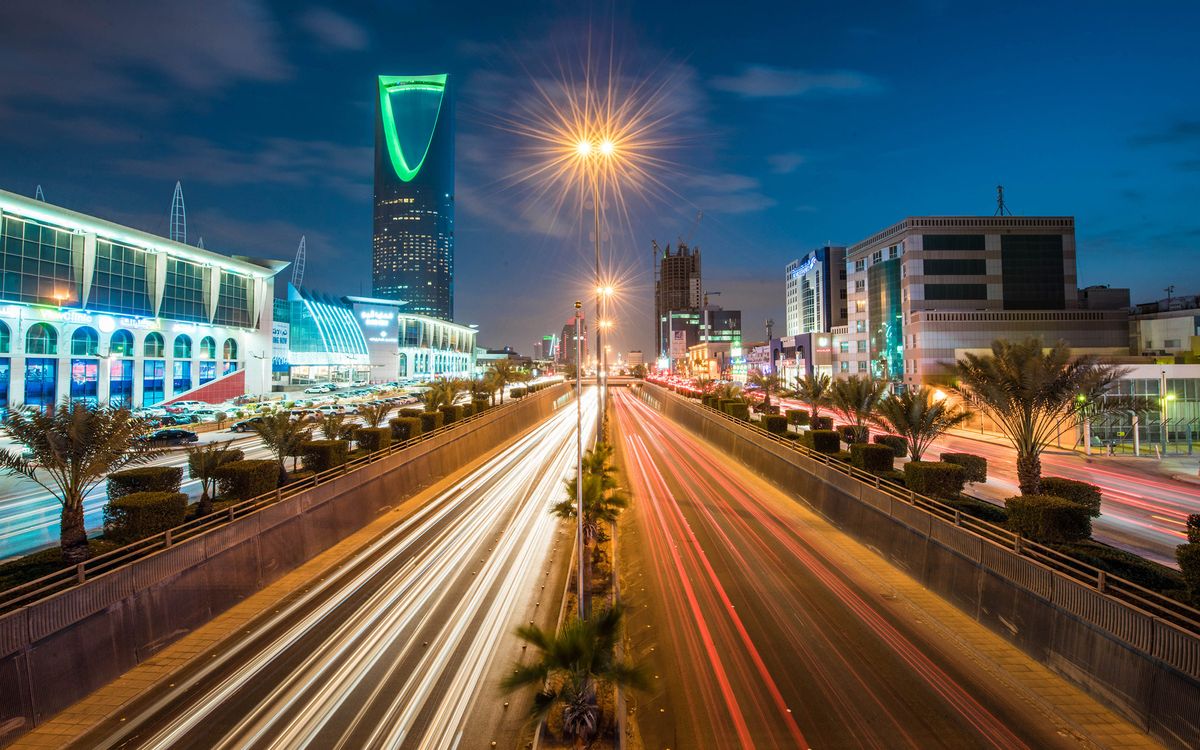
Saudi Arabia wants to keep the fiscal taps open without blowing a bigger hole in the budget as the world’s biggest oil exporter reshapes its priorities and looks to jump-start economic growth.
The Saudi budget, unveiled late on Tuesday, outlines plans to raise expenditure by over 7 percent next year from 2018 while scaling back outlays on the military and extending handout payments worth billions of dollars to citizens for another year.
The deficit in 2019 is projected at 131 billion riyals ($34.9 billion), or 4.2 percent of gross domestic product, according to the Finance Ministry. That compares with a shortfall of 4.6 percent in 2018. The key figures were largely in line with pre-budget data released for the first time this year as the government seeks to make its public accounts more transparent.
Following are other the highlights from the Saudi budget:
Revenue
2019 revenue estimated at 975 billion riyals versus 895 billion riyals in 2018 Revenue from oil is projected at 662 billion riyals in 2019, compared with 607 billion riyals in 2018 Taxes are projected to add 183 billion riyals to the budget in 2019, up from 166 billion riyals in 2018 The 2018 revenue figure includes 50 billion riyals collected from settlements as part of the government’s declared anti-corruption probe, Finance Minister Mohammed Al-Jadaan said
VAT & Excise Tax
VAT is projected to generate 47 billion riyals in 2019 from 45.6 billion riyals in 2018, its first year of implementation Excise tax estimated to generate 10 billion riyals in 2019 versus 12 billion riyals in 2018 Expat levy revenue expected at 56.4 billion riyals in 2019 compared with 28 billion riyals in 2018
Spending
Total spending expected at 1.106 trillion riyals in 2019 versus 1.030 trillion riyals in 2018 Wage bill spending seen at 456 billion riyals in 2019 compared with 474 billion riyals in 2018 Capital spending to surge to 246 billion riyals in 2019 versus 205 billion riyals in 2018 Military spending is set to decline 12 percent in 2019 to 191 billion riyals
GDP
Economic growth is estimated at 2.6 percent in 2019 compared with 2.3 percent the previous year Non-oil GDP growth is expected to accelerate to 2.5 percent in 2019 from 2.3 percent in 2018 “The government appears to have struck a fine balance between focusing on stimulus to drive economic growth on the one hand, with fiscal prudence in accordance to its medium-term to balance the budget by its terminal date of 2023 on the other hand,” said Ehsan Khoman, head of Middle East and North Africa research and strategy at MUFG Bank Ltd. in Dubai.
Oil
Saudi Arabia would need Brent crude to trade above $95 a barrel for the year for the kingdom to balance its books, according to Bloomberg economist Ziad Daoud Budget implies average oil price of about $80 a barrel in 2019, Bloomberg Economics estimates “The authorities are no doubt hoping that the recent OPEC agreement to cut oil output from the start of next year will provide a lift to prices,” Jason Tuvey, senior emerging markets economist at Capital Economics, wrote in a note. “But we think that this optimism is misplaced and our forecast is that Brent will fall further to $55 per barrel by the end of 2019.



What is El Nino – And How Is It Expected To Affect Oman’s Weather & Economy?

VIDEO: Building Oman’s Future – SAH’s Vision for Infrastructure, Innovation and Growth

The Hidden Price of Convenience: What People in Oman Spend on Food Delivery, Coffee & Subscriptions

VIDEO: Oman Cables Breaks Ground on OMR 10 Million-Plus Plant to Power Oman’s Industrial Future

Liva Insurance Recognised for Leadership in Insurance Innovation and Digital Transformation at OERLive DX Oman

Oman Air Launches Winter Schedule with Additional Frequencies, Expanded Capacity & New Codeshare Destinations

IHE and Eicher Trucks and Buses promote school bus safety awareness among students

India’s rising edge in oil, gas and construction projects is enabling Middle East’s growth

The Financial Services Authority organises the National Health Insurance Platform Forum ‘Dhamani’

Is India’s accelerating export engine driving manufacturing towards global scale?

Power And Beyond: The Path To A Low-carbon Future

Al Mouj Muscat unveils Ghadeer Villas

Time to Buy Saudi Stocks? Some Investors Look at Dubai Instead

Hospitality Industry in Oman Estimated 90% Growth in 2022

Renewables are booming, but not fast enough to cap greenhouse emissions

Retail Abu Dhabi’s ‘Unbox Amazing’ generates sales of more than AED 2 billion in participating stores

Saudis Sign Deals From Energy to Metals in Bid to Salvage Forum

Saudi Arabia’s Gold Miner Plans to Be a Global Top-20 Supplier

Technology to drive Sultanate’s downstream industry

Digitization and Logistics Service Providers Can Help SMEs Make the Most of Peak Season Retail Trends
VIDEO: Building Oman’s Future – SAH’s Vision for Infrastructure, Innovation and Growth
VIDEO: Oman Cables Breaks Ground on OMR 10 Million-Plus Plant to Power Oman’s Industrial Future

VIDEO: Hitesh Akarte on Khimji Ramdas Infrastructure’s Role in Oman Vision 2040

Oman’s Hospitality Sector Enters a New Phase of Growth: Sadiq Al Matwani Al Lawati

Amr Baabood: Oman Climate Week Is About Moving From Climate Ambition to Climate Action

Mayan Al Asfoor on Leadership, Legacy and Empowering Omani Talent

LEADERSPEAK: Dhofar Insurance CEO Sunil Kohli on Oman’s Insurance Sector, Reinsurance & Market Outlook

VIDEO: Robert MacLean on how NHI is Shaping Oman’s Next Generation of Hospitality Leaders

The Future of Oman: Decoding The Sultanate of Oman’s Strategic Promotional Nation Brand

EXCLUSIVE: AI, Robotics & Wearable Sensors are Changing the Lives of Dementia Patients
-

 Artificial Intelligence1 month ago
Top 5 Interesting Things AI Did This Month – September 2026 Edition
-

 Fashion3 weeks ago
Luxury Watches That Could Appreciate Over the Next Decade [2026 Auction Buyer Guide]
-

 Economy3 weeks ago
OER Magazine September Edition 2026
-

 Banking & Finance1 month ago
The GCC’s 10 Richest Billionaires: Inside US$253.5 Billion of Wealth
-
 Magazines2 months ago
OER Magazine July Edition 2026
-

 Magazines2 months ago
Al Mar’a Magazine July 2026
-

 Banking & Finance1 month ago
INVESTIGATION: What If You Bought Apple Stock Every Time You Bought an iPhone?
-
 Alamaliktistaad Magazines2 months ago
Alam Al-Iktisaad Magazine July 2026 Edition
You must be logged in to post a comment Login