
Technology
India Bans TikTok and 58 Other Chinese Apps Citing Security Concerns
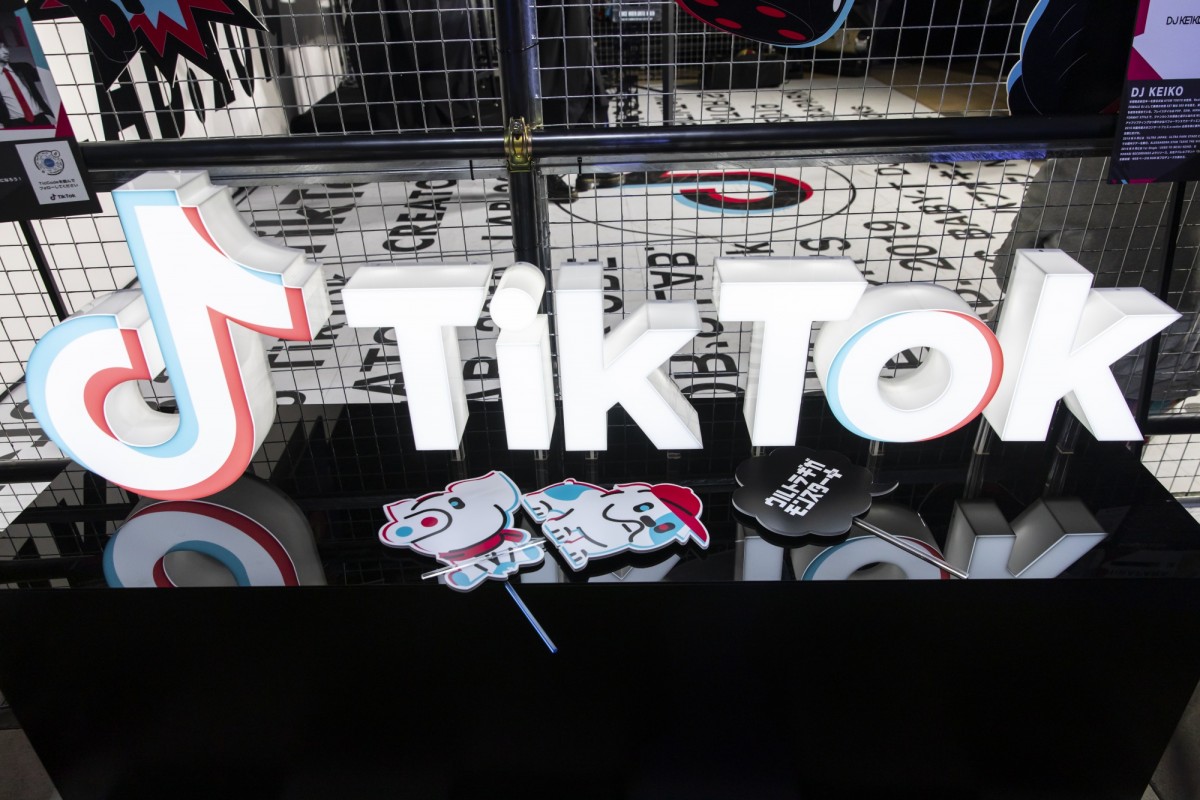
(Bloomberg) — India banned ByteDance Ltd.’s viral short video service TikTok and 58 other Chinese apps, citing threats to its sovereignty and security as relations between the world’s two largest populations worsened.
The unprecedented moratorium, announced days after escalating border tensions in the Himalayas left 20 Indian soldiers dead, deals a blow to the most prominent names in Chinese technology. The banned services included e-commerce giant Alibaba Group Holding Ltd.’s UC Web, social media leader Tencent Holdings Ltd.’s WeChat and Baidu Inc.’s map and translation platforms.
The move marks another attempt by India to reduce dependence on its neighbor’s products and hampers efforts by China’s largest corporations to expand beyond their own borders — a collective endeavor encapsulated by TikTok’s phenomenal success abroad and particularly in India, ByteDance’s largest international market. The world’s most valuable startup responded by saying it wants to work with Modi’s government to improve security for its hundreds of millions of domestic users.
“Building empowered local management teams in the countries where TikTok operates, including India, has been critical to our global success,” the company said in a statement. “Our team of around 2,000 employees in India is committed to working with the government to demonstrate our dedication to user security and our commitment to the country overall.”
The ban threatens to escalate tensions between two of Asia’s largest economies. As the border standoff that had simmered for nearly two months worsened, customs officials began halting clearances of industrial consignments coming in from China at major Indian ports and airports. The ban announced Monday also includes smartphone maker Xiaomi Corp.’s Mi Video Call and Weibo, a Chinese Twitter-like service.
China Shipments Stuck at India Ports Show Casualties of Standoff
“Despite attempts at de-escalation and multiple rounds of talks, tensions are still high” between Bejing and New Delhi, Eurasia Group analysts led by Akhil Bery wrote in a note Tuesday. “Beijing has been taking a low-key approach to the dispute in China’s state media, but India’s highly public move will make that difficult and raise expectations from the public of a strong response — particularly in a climate where the leadership has been ramping up patriotic sentiment amid the pandemic.”



Sohar International Launches Expatriate Banking Proposition with Housing Loans, Cashback, Insurance & Digital Remittance Solutions

INVESTIGATION: What Happens to Oman’s Economy at $60, $80, $100 and $120 Oil?

From Liverpool to Sultana: Testimonies to Centuries-Old Omani-British Friendship

What is El Nino – And How Is It Expected To Affect Oman’s Weather & Economy?

VIDEO: Building Oman’s Future – SAH’s Vision for Infrastructure, Innovation and Growth

The Hidden Price of Convenience: What People in Oman Spend on Food Delivery, Coffee & Subscriptions

VIDEO: Oman Cables Breaks Ground on OMR 10 Million-Plus Plant to Power Oman’s Industrial Future

Liva Insurance Recognised for Leadership in Insurance Innovation and Digital Transformation at OERLive DX Oman

Oman Air Launches Winter Schedule with Additional Frequencies, Expanded Capacity & New Codeshare Destinations

IHE and Eicher Trucks and Buses promote school bus safety awareness among students

Power And Beyond: The Path To A Low-carbon Future

Al Mouj Muscat unveils Ghadeer Villas

Time to Buy Saudi Stocks? Some Investors Look at Dubai Instead

Hospitality Industry in Oman Estimated 90% Growth in 2022

Renewables are booming, but not fast enough to cap greenhouse emissions

Retail Abu Dhabi’s ‘Unbox Amazing’ generates sales of more than AED 2 billion in participating stores

Saudis Sign Deals From Energy to Metals in Bid to Salvage Forum

Saudi Arabia’s Gold Miner Plans to Be a Global Top-20 Supplier

Technology to drive Sultanate’s downstream industry

Digitization and Logistics Service Providers Can Help SMEs Make the Most of Peak Season Retail Trends
VIDEO: Building Oman’s Future – SAH’s Vision for Infrastructure, Innovation and Growth
VIDEO: Oman Cables Breaks Ground on OMR 10 Million-Plus Plant to Power Oman’s Industrial Future

VIDEO: Hitesh Akarte on Khimji Ramdas Infrastructure’s Role in Oman Vision 2040

Oman’s Hospitality Sector Enters a New Phase of Growth: Sadiq Al Matwani Al Lawati

Amr Baabood: Oman Climate Week Is About Moving From Climate Ambition to Climate Action

Mayan Al Asfoor on Leadership, Legacy and Empowering Omani Talent

LEADERSPEAK: Dhofar Insurance CEO Sunil Kohli on Oman’s Insurance Sector, Reinsurance & Market Outlook

VIDEO: Robert MacLean on how NHI is Shaping Oman’s Next Generation of Hospitality Leaders

The Future of Oman: Decoding The Sultanate of Oman’s Strategic Promotional Nation Brand

EXCLUSIVE: AI, Robotics & Wearable Sensors are Changing the Lives of Dementia Patients
-

 Artificial Intelligence1 month ago
Top 5 Interesting Things AI Did This Month – September 2026 Edition
-

 Fashion3 weeks ago
Luxury Watches That Could Appreciate Over the Next Decade [2026 Auction Buyer Guide]
-

 Economy3 weeks ago
OER Magazine September Edition 2026
-
 Banking & Finance1 month ago
The GCC’s 10 Richest Billionaires: Inside US$253.5 Billion of Wealth
-
 Magazines2 months ago
OER Magazine July Edition 2026
-

 Magazines2 months ago
Al Mar’a Magazine July 2026
-
 Banking & Finance1 month ago
INVESTIGATION: What If You Bought Apple Stock Every Time You Bought an iPhone?
-
 Alamaliktistaad Magazines2 months ago
Alam Al-Iktisaad Magazine July 2026 Edition