
Real Estate
Dubai property market can thrive in 2020, says Seven Tides CEO

Together, the Dubai government, the banking sector and developers can create an attractive and sustainable investment proposition
UAE-headquartered upscale residential, hospitality and commercial property developer Seven Tides has indicated Dubai’s property market will start to recover in 2020, driven by Expo 2020, new government initiatives, favourable payment plans from developers and growing flexibility from financial institutions.
The emergence of this recovery was first evident in the final quarter of 2019, with close to 5,000 real estate transactions recorded in October, the highest number of property sales since 2008, according to Dubai Land Department statistics compiled by real estate portal Property Finder.
Dubai has one of the fastest growing economies – targeting a GDP growth of 3.8% during 2020 – and an increasing population which is estimated to reach over 2.8 million this year and 3.4 million by 2030. These factors combined with political stability and diversity are just some of the reasons why Dubai remains an attractive place for regional and international investors over both short and long term.
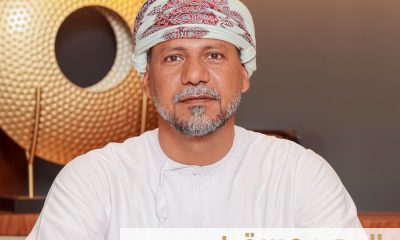
Abdulla Bin Sulayem, CEO, Seven Tides International, said: “With Expo 2020 now only nine months away, Dubai alone is gearing up to welcome more than 14 million overseas visitors during the event. The stimulus of the mega-event, which will yield an investment windfall of AED 122 billion (an average AED 12 billion per annum over the next decade) as well as creating around one million jobs over the same period is expected to positively impact the overall property market in the emirate.
“However, the lasting legacy of Expo 2020 when measured against Dubai’s property market, will only be truly realised when international visitors return to Dubai, to invest, live and work here over the medium to long-term.”
Property prices have been under downward pressure over the last few years – and, undoubtedly oversupply has continued to hamper recovery. Overall residential stock is expected to reach 637,000 units by the end of 2020, correlating to more than a 10% increase in recent years.
However, last year, to address the balance between supply and demand, a real estate planning committee was established in Dubai. The committee has been tasked with regulating the sector and developing a clear and deliberate strategy to ensure real estate projects are not duplicated and that they add real value to Dubai’s economy, as well as ensuring that small private developers are not competing directly with larger semi-government real estate companies.
“Despite ongoing concerns about supply and demand dynamics, it is important to understand that competition in itself is very healthy, and as a result one of the primary aims of the newly formed committee will be to enhance the competitiveness of the real estate sector as a whole – continuously encouraging developers to come up with new and innovative projects that make Dubai, and indeed the UAE, stand out in the global property market,” added Bin Sulayem.
In recent years the market, and of course technology, has matured. Today, we are in a digital age of transparency. Investors are well researched; they take their time and weigh up their options. As a result, developers need to be more creative in order to continue selling their projects at a premium, developing residences that truly appeal, not only to investors, but to end users too.
“So, the overarching message this year for both developers and investors alike, is that the residential market outlook for Dubai in the medium to long-term looks very positive indeed, especially if the government, the banking sector and developers work in harmony,” commented Bin Sulayem.
“The government can continue to aid the recovery of the market by introducing new and innovative regulations, initiatives and, of course infrastructure, while banks can support with competitive interest rates and easing loan requirements. And, developers for their part need to focus on delivering quality developments in prime locations with unique features which are competitively priced and offer attractive yields – finding the right balance will secure Dubai’s position as a preferred property market in 2020.”



Win OMR 3,000: ROP & Bank Muscat Launch Cyber Fraud Awareness Short Film Competition

EXCLUSIVE INTERVIEW: Yango’s Big Vision for Oman

Leadership, Transformation Forum Reviews Inspiring Women’s Experiences

OPINION: GCC Navigates Global Macro Volatility as Worldwide Growth Moderates to 2.6%

City Centre Muscat Celebrates 25 Years of Great Moments as Mall of Oman Marks Its Fifth Anniversary

HM The Sultan Accorded Official Reception Ceremony at Windsor Castle

61.7% of Middle Eastern Families Involve the Next Generation As Business Successors or Consultants

Future Fund Oman’s $5.2B Outlook: Where Will the Sultanate’s Next Big Businesses Come From?

Oman and the UK: From Historical Legacy of Over 220 Years to Future Partnership

Sohar International Launches Expatriate Banking Proposition with Housing Loans, Cashback, Insurance & Digital Remittance Solutions

Power And Beyond: The Path To A Low-carbon Future

Al Mouj Muscat unveils Ghadeer Villas

Time to Buy Saudi Stocks? Some Investors Look at Dubai Instead

Hospitality Industry in Oman Estimated 90% Growth in 2022

Renewables are booming, but not fast enough to cap greenhouse emissions

Retail Abu Dhabi’s ‘Unbox Amazing’ generates sales of more than AED 2 billion in participating stores

Saudis Sign Deals From Energy to Metals in Bid to Salvage Forum

Saudi Arabia’s Gold Miner Plans to Be a Global Top-20 Supplier

Technology to drive Sultanate’s downstream industry

Digitization and Logistics Service Providers Can Help SMEs Make the Most of Peak Season Retail Trends

VIDEO: Building Oman’s Future – SAH’s Vision for Infrastructure, Innovation and Growth

VIDEO: Oman Cables Breaks Ground on OMR 10 Million-Plus Plant to Power Oman’s Industrial Future

VIDEO: Hitesh Akarte on Khimji Ramdas Infrastructure’s Role in Oman Vision 2040

Oman’s Hospitality Sector Enters a New Phase of Growth: Sadiq Al Matwani Al Lawati

Amr Baabood: Oman Climate Week Is About Moving From Climate Ambition to Climate Action

Mayan Al Asfoor on Leadership, Legacy and Empowering Omani Talent

LEADERSPEAK: Dhofar Insurance CEO Sunil Kohli on Oman’s Insurance Sector, Reinsurance & Market Outlook

VIDEO: Robert MacLean on how NHI is Shaping Oman’s Next Generation of Hospitality Leaders

The Future of Oman: Decoding The Sultanate of Oman’s Strategic Promotional Nation Brand

EXCLUSIVE: AI, Robotics & Wearable Sensors are Changing the Lives of Dementia Patients
-

 Artificial Intelligence1 month ago
Top 5 Interesting Things AI Did This Month – September 2026 Edition
-

 Fashion4 weeks ago
Luxury Watches That Could Appreciate Over the Next Decade [2026 Auction Buyer Guide]
-

 Economy3 weeks ago
OER Magazine September Edition 2026
-

 Banking & Finance2 months ago
The GCC’s 10 Richest Billionaires: Inside US$253.5 Billion of Wealth
-

 Banking & Finance1 month ago
INVESTIGATION: What If You Bought Apple Stock Every Time You Bought an iPhone?
-
 Alamaliktistaad Magazines2 weeks ago
Alam Al-Iktisaad Magazine September 2026 Edition
-

 News2 months ago
OPEC+ Holds Output Steady for October as Focus Shifts to 2027 Quotas
-

 Aviation2 months ago
Wi-Fi at 35,000 Feet: The Real Economics of Installing Starlink on an Airline