
Interviews
Exceeding Expectations in Value Creation

The agreements will run for three years and also pave the way for PDO staff to enrol on BSc, MSc and PhD degrees and other courses at the universities. This is a reciprocal relationship which represents a win-win for PDO and the universities, and the Sultanate more generally. We have further built on this approach by working with the Ministry of Oil and Gas and The Research Council on a protocol to align the government, academia and industry more closely so we are all pulling in the same direction, and have even launched an online system called Ejaad, where we can post our complex challenges and researchers can access them electronically to propose alternative solutions.
How else does PDO help external stakeholders?
We are constantly in touch with external shareholders, to gain their valuable feedback while also extending our best practice where it help them progress. In a nutshell, we only succeed if the communities in which we operate succeed.
We regularly host or participate in visits, meetings and workshops to explain what we are doing and proffer advice and assistance. One area is our Lean business efficiency programme which has delivered $1.2 billion in cost avoidance and control and generating added value by stripping out waste and streamlining our work processes.
PDO is now very much viewed as a centre of Lean excellence and we are spreading our message to a wide variety of organisations – including government ministries and NGOs with seminars, awareness sessions and actual projects – to help them embark on their continuous improvement journeys. PDO is a role model in many areas – workplace diversity and inclusion, technological innovation and personal and process safety, for example – and we are now building our offering in energy and water management, which could be adopted or followed by other organisations as energy efficiency and conservation become ever more important in the face of mounting climate change realities.
For example, we are currently installing solar energy panels on the rooftops in our parking area in Mina Al Fahal. This single environmentally friendly move will save more than 3.1 million cubic metres of gas a year, enough to provide electricity for almost 1,000 homes. It will also cut carbon dioxide emissions by 6,662 tonnes annually, the equivalent of taking more than 1,400 cars off the road or planting almost 173,000 trees.

The 5.92 MWp (megawatt peak) solar project will generate 9.480 million KWh (electrical units) per year. The generated power will be connected to three of the main office buildings at our Mina Al Fahal headquarters. Many organisations are now studying and or utilising our expertise to install similar energy saving facilities in their assets. That’s what we call value creation, not just for ourselves but for the entire nation and environment.
How will PDO’s value creation policy and programmes change with the Company’s move towards becoming a fully fledged energy company?
Although oil and gas will remain core to our activities for a number of years, we are beginning the transition to becoming a fully fledged energy company with a focus on renewables, especially solar where this is a fantastic opportunity for PDO and Oman.



Sohar International Contributes OMR100,000 to Support Those Affected by Al Masarrat Weather Conditions

Liva Insurance Announces New CSR Initiative to Renovate Children’s Cancer Ward at Sultan Qaboos University Hospital

Real Estate Price Index in Oman Grows By 13.9%

Oil Surges More Than 2% as Supply Disruptions Mount

Ibri Industrial City Localises Two Projects Worth RO2M in 2025

VIDEO: Al Khamayil Oman Scales Up Production with New Rusail Facility

Cadillac Enhances Ramadan Ownership Value With Premium Benefits Package

CONNECT and OCEC Partnership Strengthens Oman’s Position as a Global Events Destination

Exclusive: Inside Oman’s Evolving MSME Finance Ecosystem – An Interview with Hussain Al Lawati, CEO, Development Bank

Middle East Tensions Heighten Risks to Strait of Hormuz, Raising Uncertainty for Global Oil Markets

Power And Beyond: The Path To A Low-carbon Future

Al Mouj Muscat unveils Ghadeer Villas

Time to Buy Saudi Stocks? Some Investors Look at Dubai Instead

Renewables are booming, but not fast enough to cap greenhouse emissions

Hospitality Industry in Oman Estimated 90% Growth in 2022

Retail Abu Dhabi’s ‘Unbox Amazing’ generates sales of more than AED 2 billion in participating stores

Saudis Sign Deals From Energy to Metals in Bid to Salvage Forum

Saudi Arabia’s Gold Miner Plans to Be a Global Top-20 Supplier

Technology to drive Sultanate’s downstream industry

Digitization and Logistics Service Providers Can Help SMEs Make the Most of Peak Season Retail Trends

VIDEO: Robert MacLean on how NHI is Shaping Oman’s Next Generation of Hospitality Leaders

The Future of Oman: Decoding The Sultanate of Oman’s Strategic Promotional Nation Brand

EXCLUSIVE: AI, Robotics & Wearable Sensors are Changing the Lives of Dementia Patients

EXCLUSIVE: Talking Renewable Projects & Sustainability in Oman and Beyond with Vipul Tuli

VIDEO: Eng. Salim Al Thuhli, CEO, Khazaen Economic City on Investment Opportunities

H.E. Salim Al Aufi, Minister of Energy & Minerals talks about Oman’s Green Hydrogen Goals

VIDEO: Talking Latest Developments in Aircraft Ground Guidance & More at Oman Airports

VIDEO: Dr. Firas Al-Abduwani Discusses Green Hydrogen, Potential Regions for Development & Creating a Green Ecosystem

VIDEO: Discussing The Future of Green Hydrogen in Oman with H.E. Salim Al Aufi

Celebrating Infoline’s Remarkable 20-Year Journey
-

 Dossier1 month ago
Dossier, 2026
-

 OER Magazines1 month ago
OER, February 26
-
 Banking & Finance1 month ago
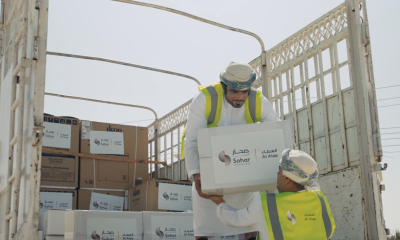
Sohar International and Sohar Islamic Supports Over 100 Families in Al Wusta Governorate Through Its ‘Sohar Al Attaa’ Initiative
-
 Banking & Finance1 month ago
National Finance Unveils Exclusive Ramadan Offers on Auto Financing
-
 Economy1 month ago
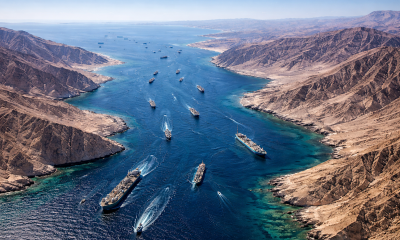
Middle East Tensions Heighten Risks to Strait of Hormuz, Raising Uncertainty for Global Oil Markets
-

 Economy1 month ago
Analysis: Oman-India CEPA Opens Path to Deeper Trade Investment and Growth
-

 Economy1 month ago
ANALYSIS: Oil Near Seven-Month Highs Amid US, Iran Tensions
-

 Education2 months ago
Jebel View International School to Launch in Muscat in September 2026 & Now Open to Visit
You must be logged in to post a comment Login