
Economy
The Rise of Oman in the World of High Perfumery
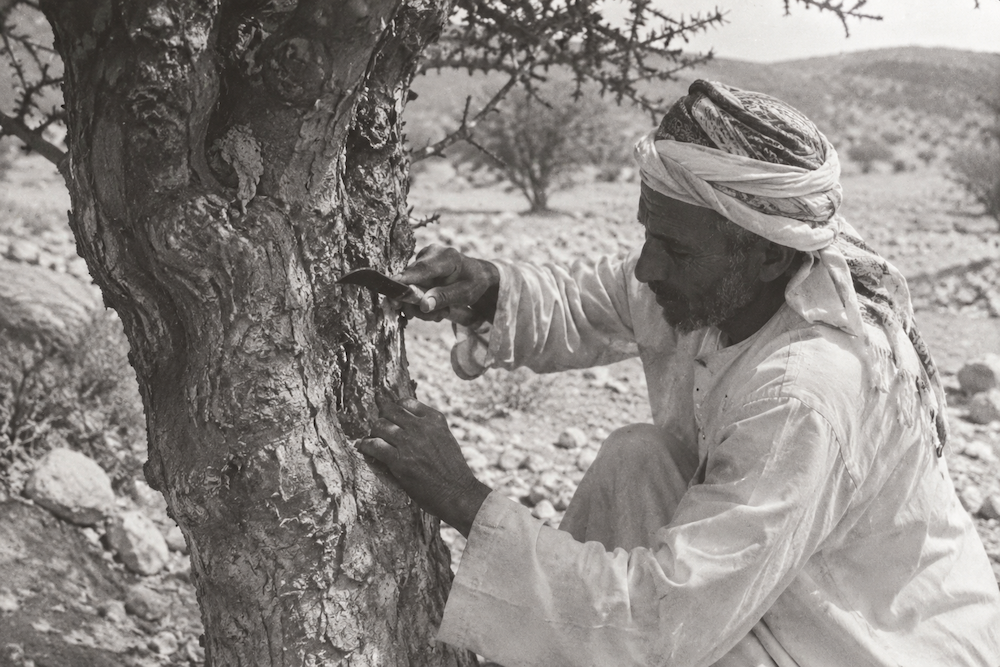
From the ancient frankincense trees of Dhofar to the sophisticated fragrance laboratories of Muscat, Oman is transforming one of its oldest natural treasures into an internationally recognised luxury industry.
As Omani perfume houses establish themselves in global markets, the real value of the country’s fragrance heritage increasingly lies in the convergence of rare ingredients, creative craftsmanship, sustainable sourcing and an identity that cannot be replicated elsewhere.
From the Frankincense Trails to the World’s Luxury Capitals
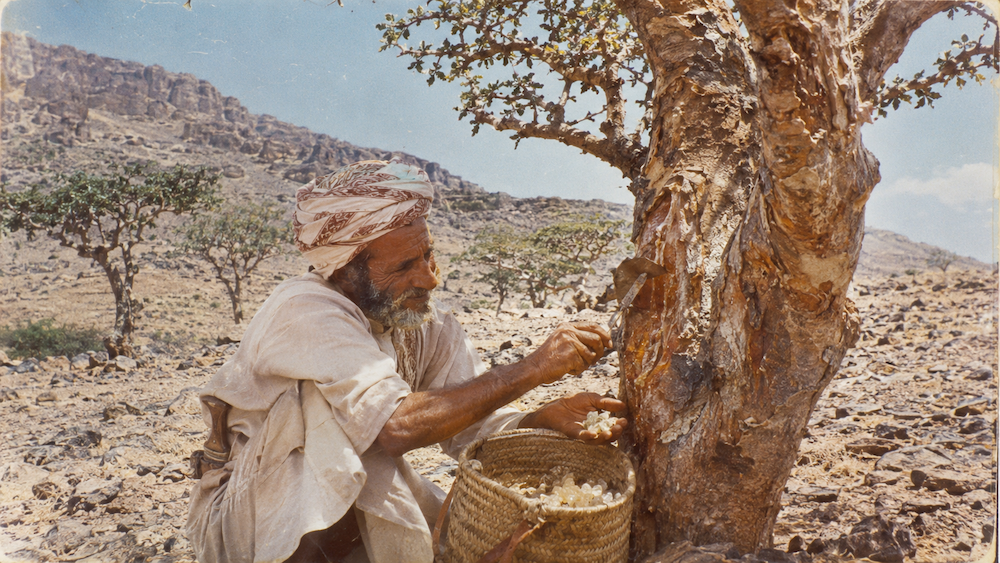
Across the rugged landscapes of southern Oman, where the mountains of Dhofar descend towards vast stretches of arid terrain, grows a tree that has helped shape the Sultanate of Oman’s economic and cultural identity for thousands of years.
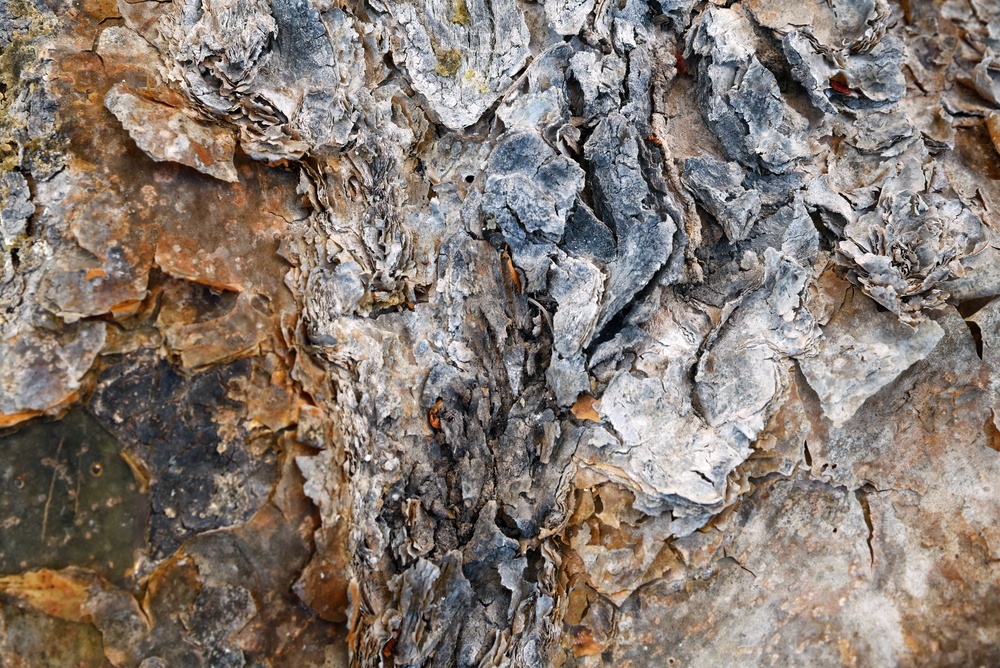
Boswellia sacra, the species responsible for Oman’s celebrated frankincense, has supplied one of the ancient world’s most valuable aromatic commodities, travelling through trading networks that connected southern Arabia with distant civilisations.
Today, the resin collected from these trees represents something considerably more ambitious than a continuation of an ancient trade: it forms part of Oman’s emergence as an internationally recognised producer of high perfumery.
The extraordinary transformation of the global fragrance industry has created new opportunities for countries capable of combining distinctive raw materials with sophisticated product development, compelling storytelling and internationally competitive standards of craftsmanship.
Consumers at the upper end of the market are increasingly encountering perfumes as collectible luxury objects rather than conventional beauty products, with exclusivity, concentration, provenance and the creative reputation of individual perfumers influencing purchasing decisions.
For Oman, whose relationship with incense, aromatic oils and traditional perfumery predates the modern luxury industry, this evolution provides an opportunity to convert cultural heritage into internationally marketable value.
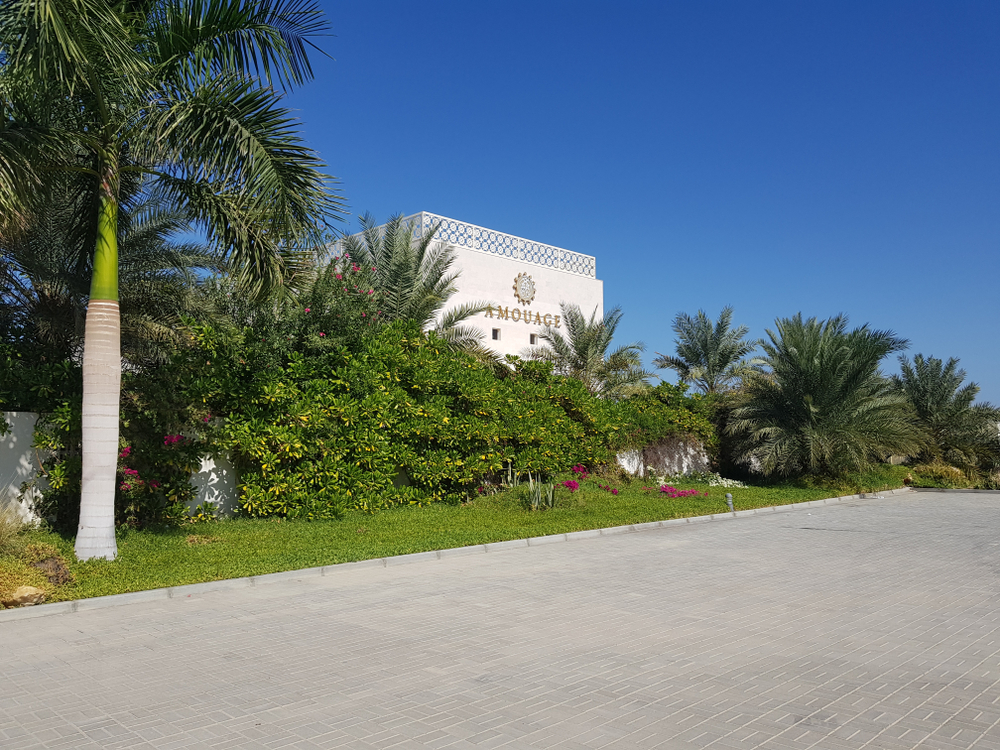
Editorial credit: Radzimy / Shutterstock.com
The scale of that opportunity is illustrated by Amouage, the Omani luxury fragrance house established in 1983, which reported global retail sales exceeding US$430 million in 2025, according to figures published by The Business of Fashion in February 2026.
The company’s reported revenue growth of 66 per cent during the year reflects the commercial strength of its premium positioning, particularly its highly concentrated fragrances and expanding international retail network.
Importantly, the US$430 million figure represents sales at retail value rather than the company’s net revenue or profit, but it nevertheless demonstrates how a fragrance house originating in Oman has developed into a substantial participant in the international luxury market.
Dhofar’s Frankincense: The Ingredient That Built a Trading Civilisation
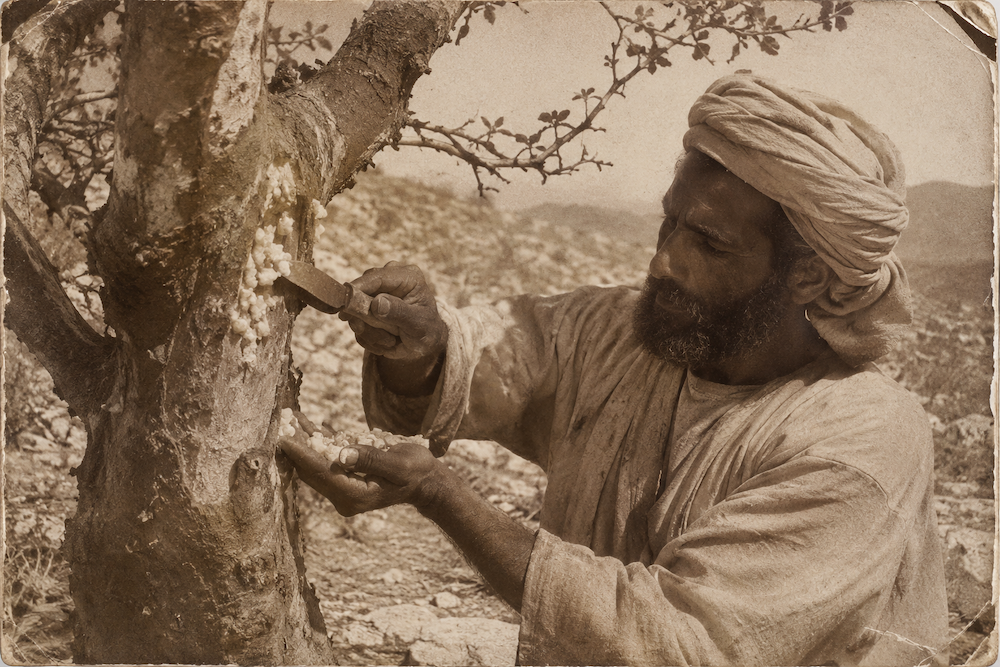
Long before contemporary fragrance houses began incorporating frankincense into elaborate perfume compositions, the aromatic resin helped establish southern Oman as an important commercial centre within the ancient and medieval worlds.
Merchants transported frankincense through inland caravan routes and coastal ports, exchanging it across trading networks that connected Arabia with parts of Africa, the Mediterranean and Asia.
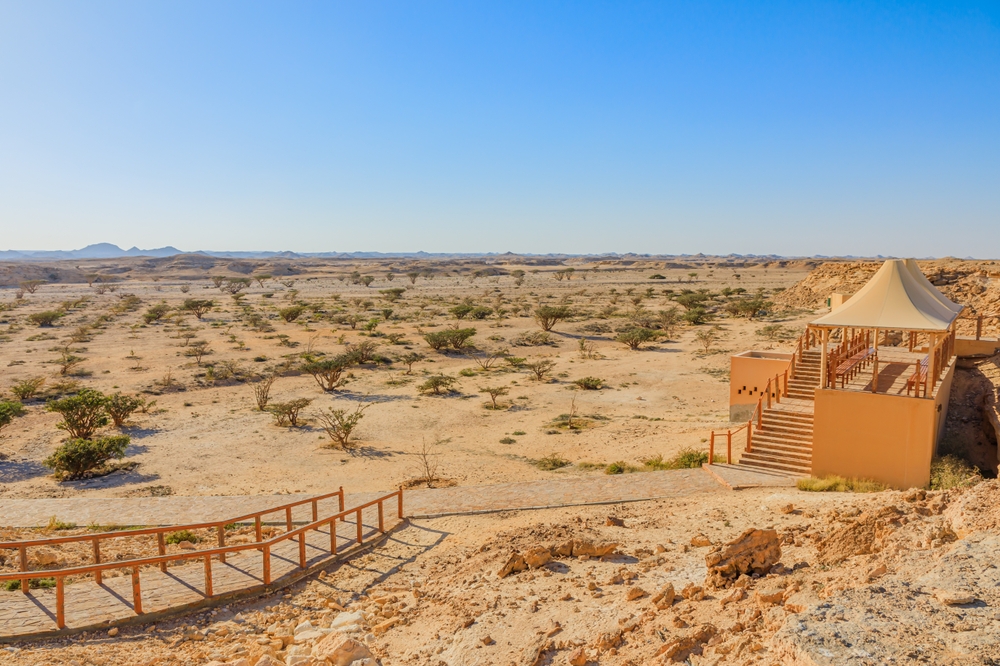
Wadi Dawkah – Source: Shutterstock
The scale and historical significance of this activity are reflected in Oman’s Land of Frankincense, which was inscribed on the UNESCO World Heritage List in 2000 and encompasses the frankincense trees of Wadi Dawkah, the caravan oasis of Shisr/Wubar and the ancient ports of Khor Rori and Al Baleed.
The distinctive value of Omani frankincense begins with the biological characteristics of Boswellia sacra, a tree capable of surviving in demanding environments and producing an aromatic resin when carefully incised.
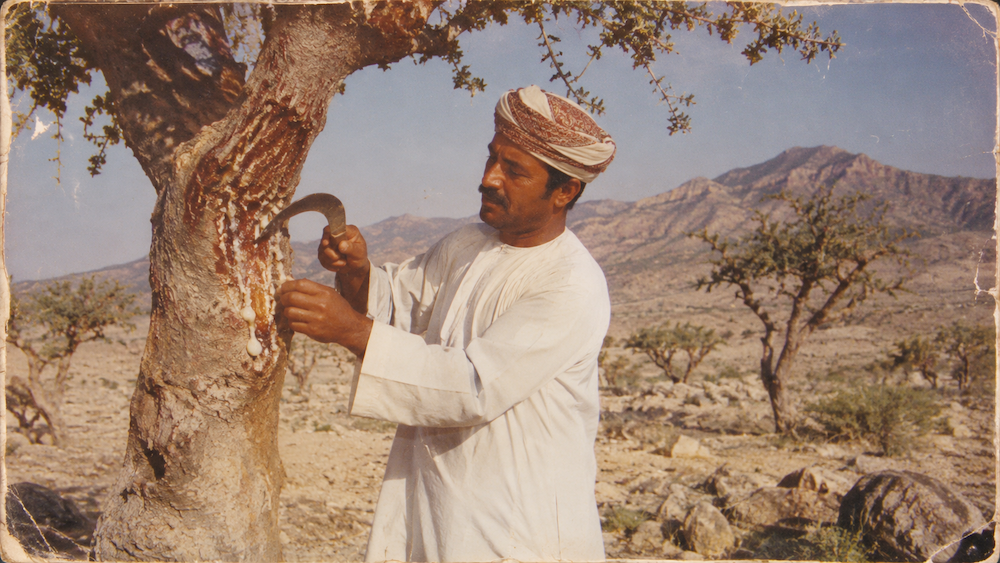
Harvesters traditionally use a specialised tool known as the manghaf to make controlled cuts in the bark, allowing a milky substance to emerge and gradually harden into droplets commonly described as frankincense tears.
These are subsequently collected, cleaned and classified according to their characteristics, with certain pale or greenish grades particularly valued by specialist producers.
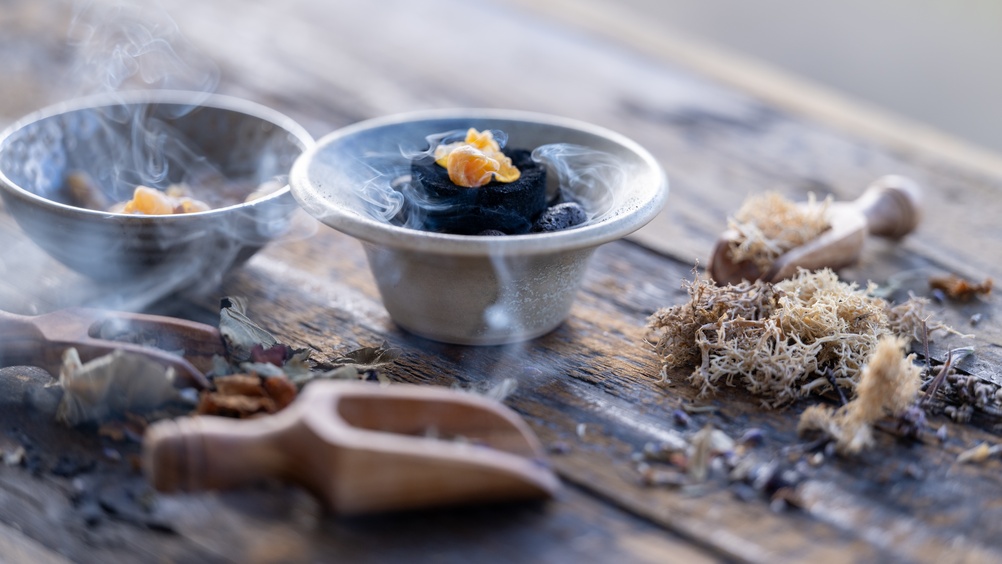
Although frankincense is frequently associated with the warm, smoky atmosphere of traditional incense burning, its role in fine perfumery extends considerably beyond that familiar expression. The essential oil distilled from the resin can exhibit fresh, citrus-like and pine-like qualities alongside the deeper resinous character associated with incense.
These contrasting dimensions give perfumers an unusually versatile material, capable of introducing brightness, structure and depth into compositions that may also contain rose, woods, spices, amber accords and numerous other aromatic ingredients.
The international fascination with rare natural materials has consequently placed renewed attention on the provenance of frankincense, the conditions under which it is harvested and the expertise needed to preserve its distinctive properties.
However, provenance and quality should not be confused with marketing language alone: a perfume described as containing frankincense does not necessarily use resin harvested in Dhofar, and an incense note in a published fragrance description does not, by itself, establish the geographical origin of the underlying material.
Amouage and Wadi Dawkah: A New Chapter for an Ancient Resource

Among the most significant developments in Oman’s contemporary fragrance industry is Amouage’s stewardship of Wadi Dawkah, one of the country’s most important historical frankincense-growing landscapes.
In 2022, the luxury house entered into an agreement with the Ministry of Heritage and Tourism to develop and protect the UNESCO-listed site, bringing together conservation practices, local harvesting knowledge, scientific monitoring and the commercial ambitions of a globally established perfumery business.
The initiative represents an effort to create a more structured and traceable supply chain for an ingredient traditionally associated with both Omani heritage and international trade.
The programme has progressively introduced more detailed management practices into the harvesting process, including the geolocation, photography, measurement and individual identification of trees.
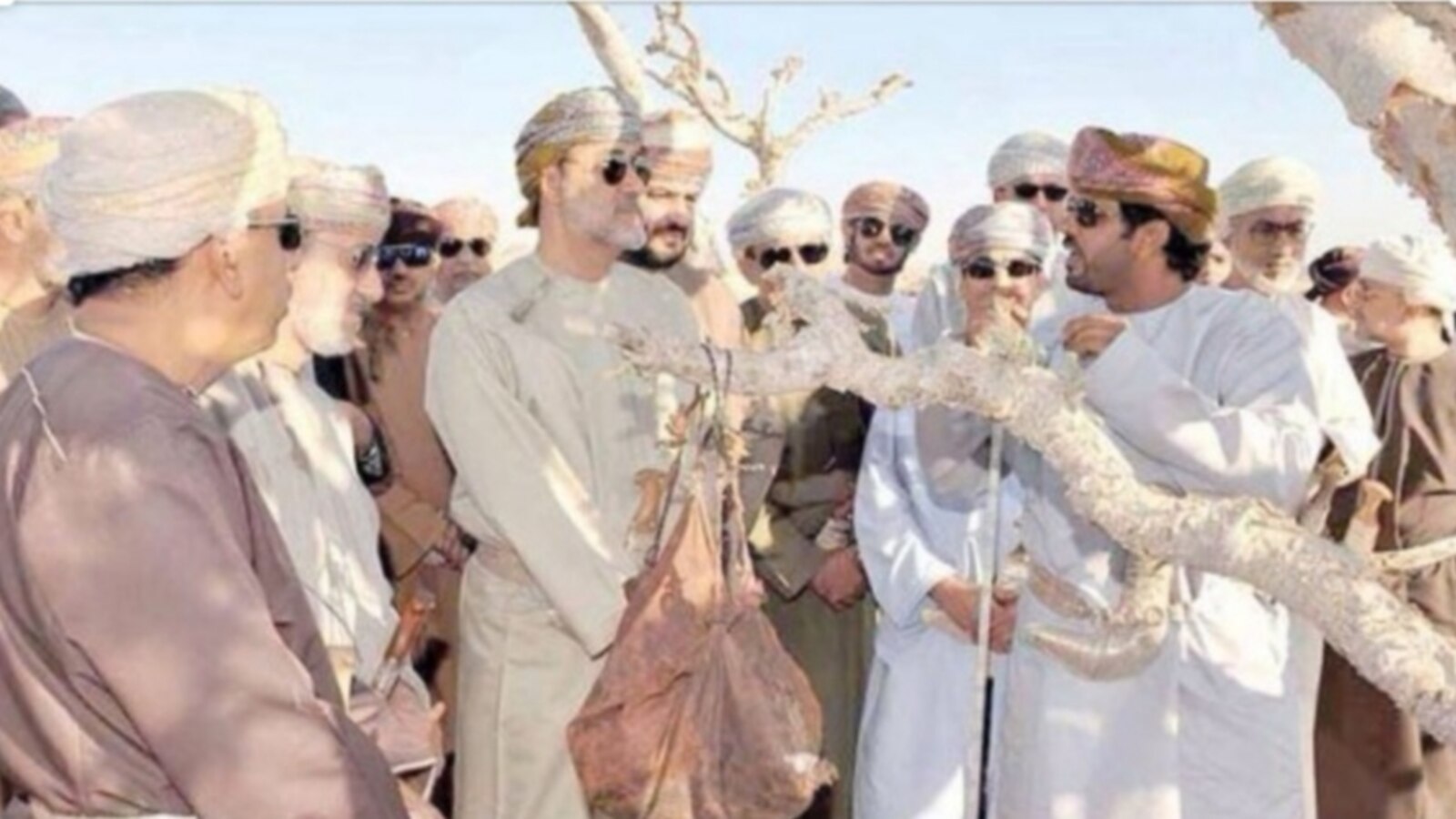
According to Wadi Dawkah’s published management information, each monitored tree has a digital identity through which harvesting activity can be recorded, allowing specialists to better understand the effects of resin collection and changing environmental conditions.
The estate describes a harvesting season extending from September, following the khareef, until June, with monitored harvesting cycles and careful attention to the placement of incisions.
The significance of this approach became more apparent in August 2025, when Wadi Dawkah received FairWild certification for its Boswellia sacra frankincense. Independently confirmed by the FairWild Foundation, the certification recognises the sourcing operation against standards addressing the ecological and social dimensions of harvesting wild plant ingredients.
It marks an important achievement for Oman because it provides an internationally recognised framework through which a traditional natural commodity can be evaluated for responsible production.
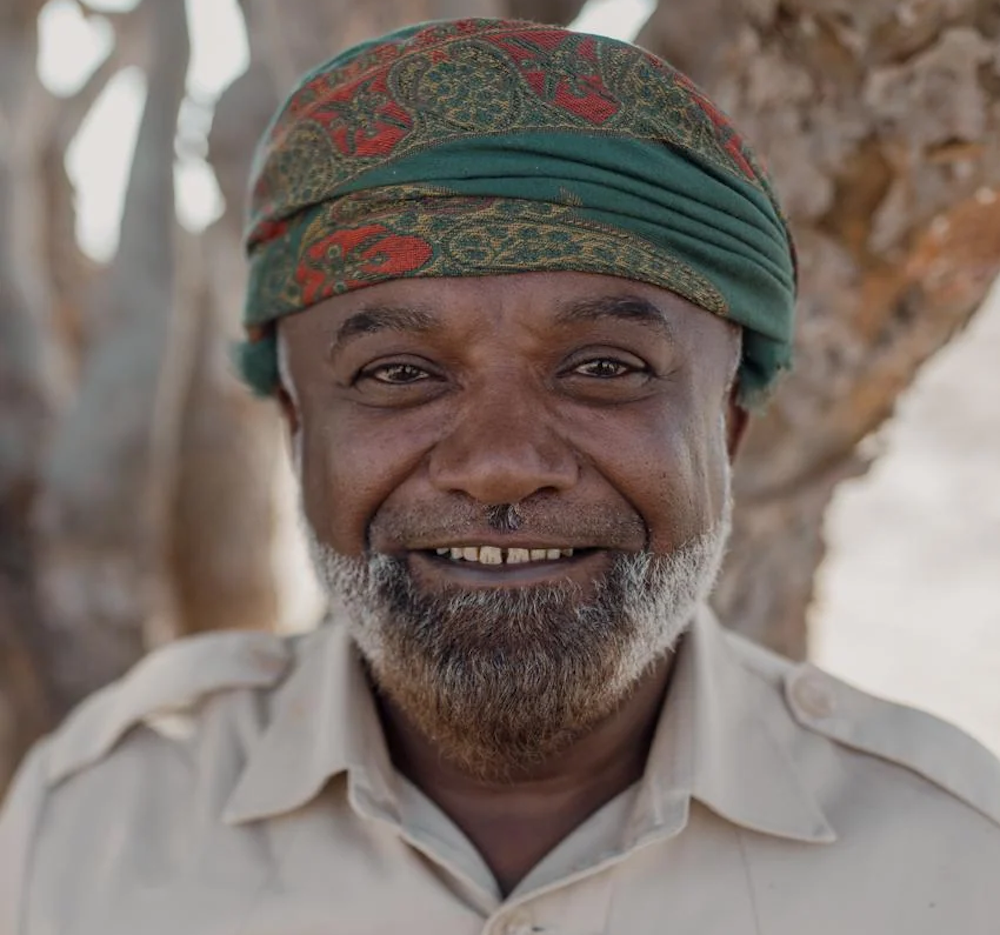
Mohammed Istanbooli. Image Courtesy: Wadi Dawkah
Behind the development of Wadi Dawkah is a combination of local experience and specialist international knowledge, with Mohammed Istanbooli, a member of the community from Salalah, identified by the estate as the leader of its farming and harvesting team.
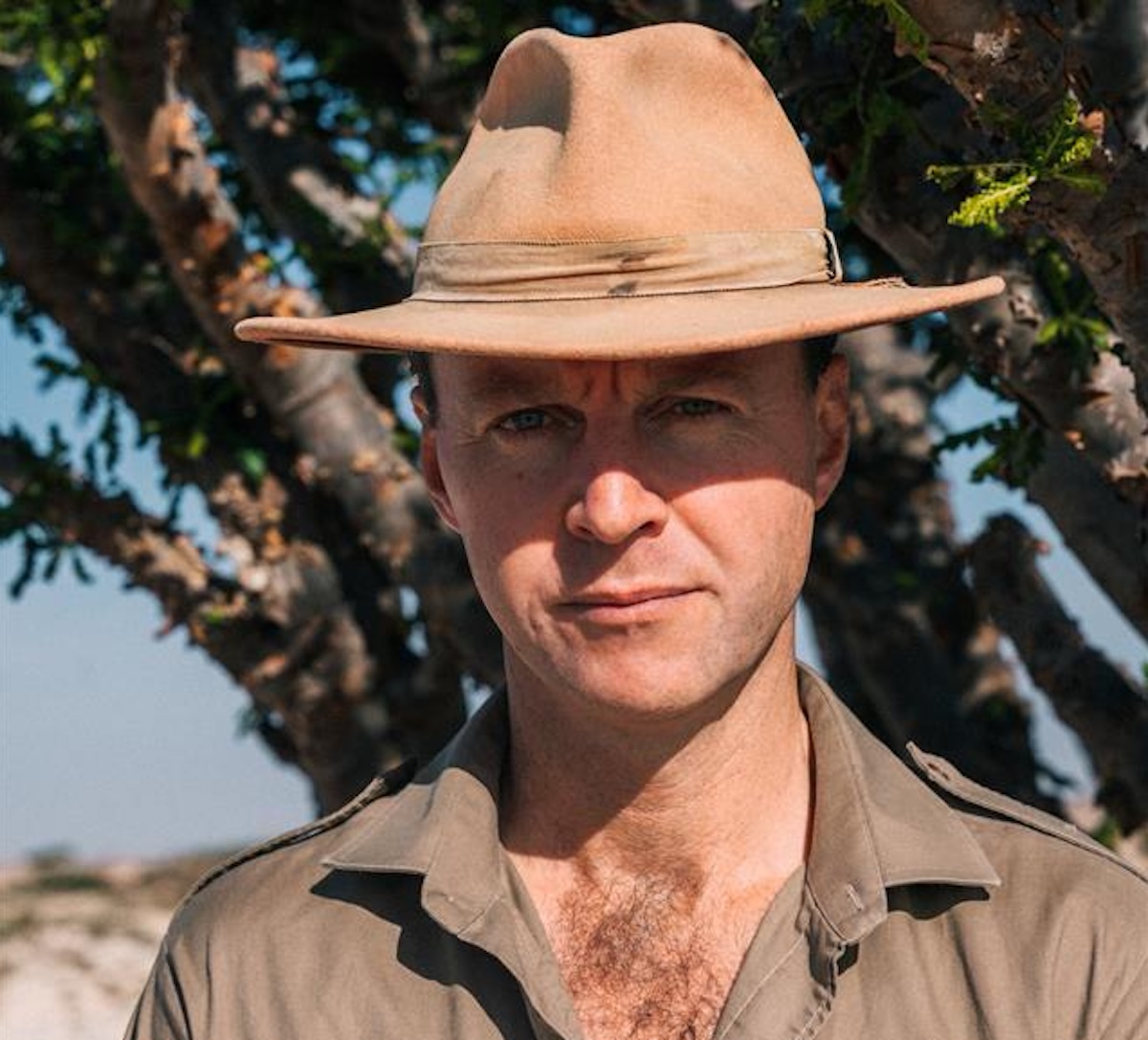
Matthew Wright. Image Courtesy: Wadi Dawkah
Matthew Wright, Amouage’s Director of Natural Ingredients, has also played an important role in the broader development of the estate and its natural-ingredient ambitions, while the project incorporates creative, scientific and community expertise.
The involvement of people with direct connections to Dhofar is particularly important because the value of a heritage ingredient cannot be separated from the knowledge of those who understand the trees, their growing conditions and the practical demands of harvesting.
The company’s efforts are also extending beyond the original Wadi Dawkah initiative. In June 2026, Amouage and the Ministry of Agriculture, Fisheries Wealth and Water Resources announced a partnership to develop sustainable frankincense harvesting at Wadi Gazelle in Dhofar, covering approximately 1,500 acres.
The project is intended to combine improved management practices, scientific monitoring and local participation, suggesting that the longer-term ambition is not limited to protecting a single heritage site but includes establishing a more commercially viable and environmentally responsible frankincense sector.
Why Sustainable Harvesting Matters to the Future of Luxury
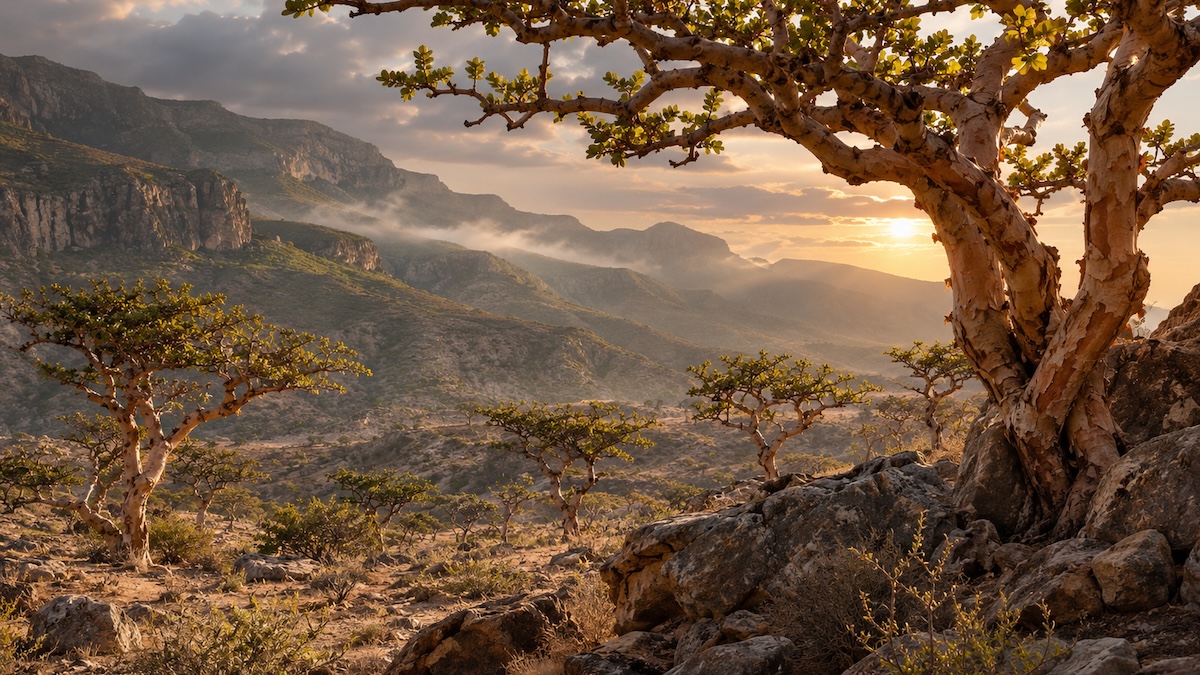
As demand for authentic natural ingredients grows across the luxury fragrance industry, the long-term health of frankincense trees becomes a matter of commercial importance as well as environmental responsibility.
Resin harvesting requires a balance between obtaining usable material and allowing the tree sufficient opportunity to recover, particularly because repeated or poorly placed cuts can affect its condition.
A 2025 scientific study published in Discover Plants, examining harvesting practices and agro-ecological conditions in Oman, identified practical measures for sustainable tapping, including limiting incision depth, maintaining appropriate distances between cuts and observing periods when harvesting should be avoided.
The importance of these findings extends beyond the immediate production of frankincense because a genuinely sustainable luxury industry must safeguard the resource on which its commercial value depends.
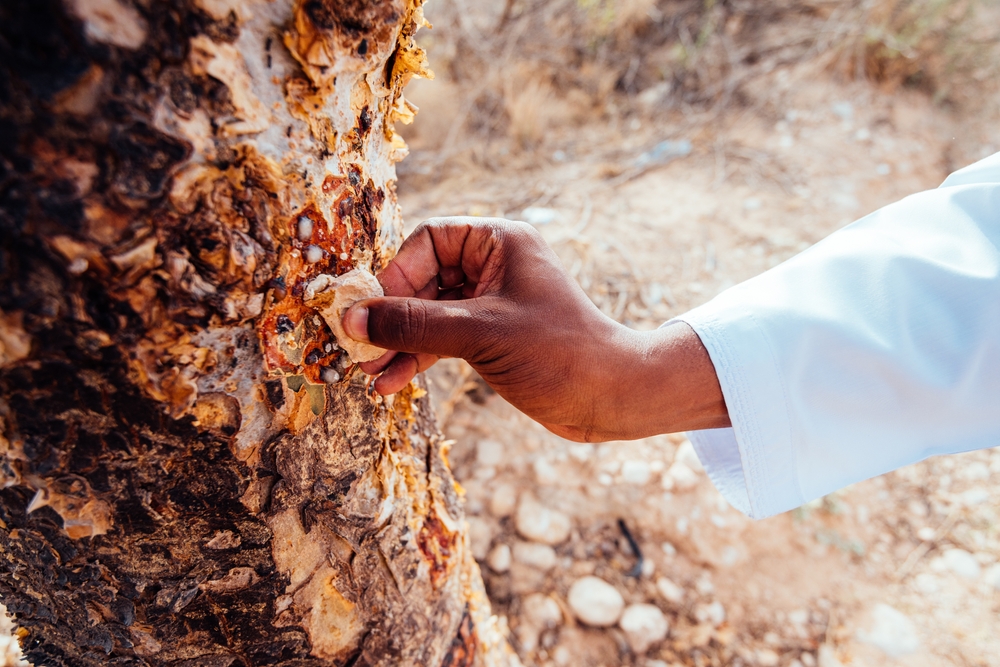
Conservation therefore involves monitoring tree health, managing environmental pressures, understanding regeneration and ensuring that local communities can continue to benefit economically from responsible harvesting.
In this context, the commercial success of Oman’s perfume houses could potentially support a more valuable domestic supply chain, provided that higher prices and stronger global demand translate into appropriate benefits for the people involved in producing the raw material.
The wider industry is also beginning to examine whether cultivated frankincense trees could complement material sourced from wild populations, reducing pressure on sensitive landscapes while helping to stabilise future supply.
Research published in Chemistry & Biodiversity in October 2025 compared essential oils derived from cultivated and wild-harvested Omani Boswellia sacra, contributing scientific evidence to a debate involving aromatic quality, conservation and the livelihoods of traditional harvesters.
Such research reinforces the idea that the next stage of luxury perfumery will increasingly depend on measurable standards rather than heritage claims alone.
Where Omani Heritage Meets International Perfumery
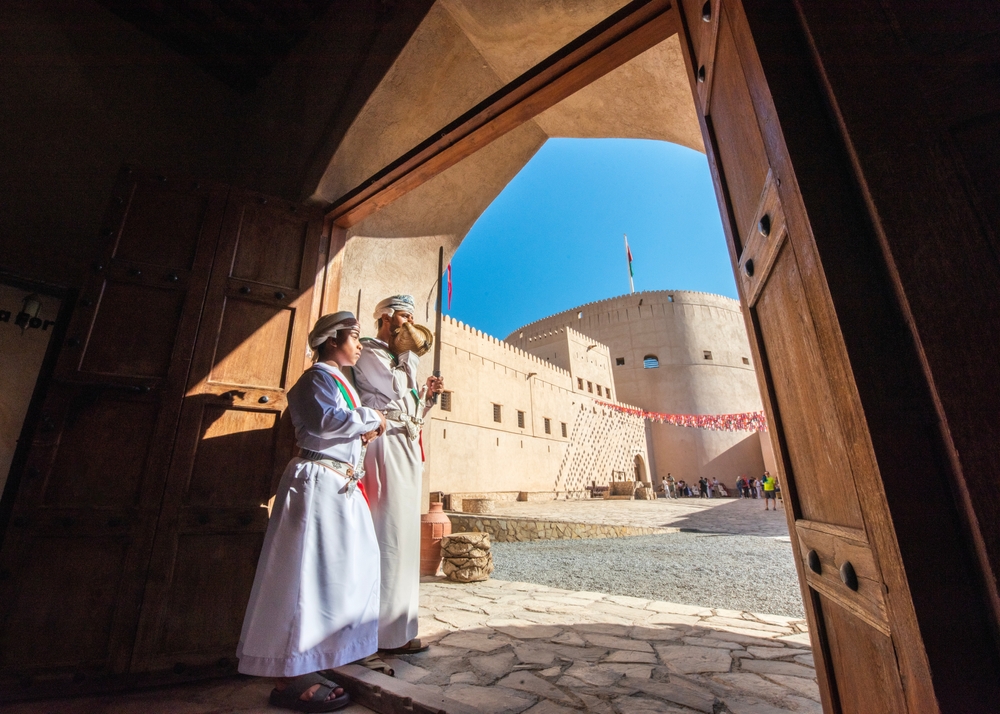
Editorial credit: khalil_alobaidani / Shutterstock.com
Oman’s success in high perfumery is not based simply on the availability of frankincense, but on the ability of fragrance houses to translate a familiar cultural material into complex compositions that appeal to customers from different markets.
A successful premium perfume depends on considerably more than the prominence of its ingredients: the construction of the formula, relationships between volatile and longer-lasting materials, concentration, maturation and the overall creative direction influence how a fragrance develops and is perceived.
The collaboration between Omani fragrance businesses and internationally recognised perfumers has become an important part of this evolution, allowing local houses to combine their cultural identity with specialist expertise developed across the global perfume industry.
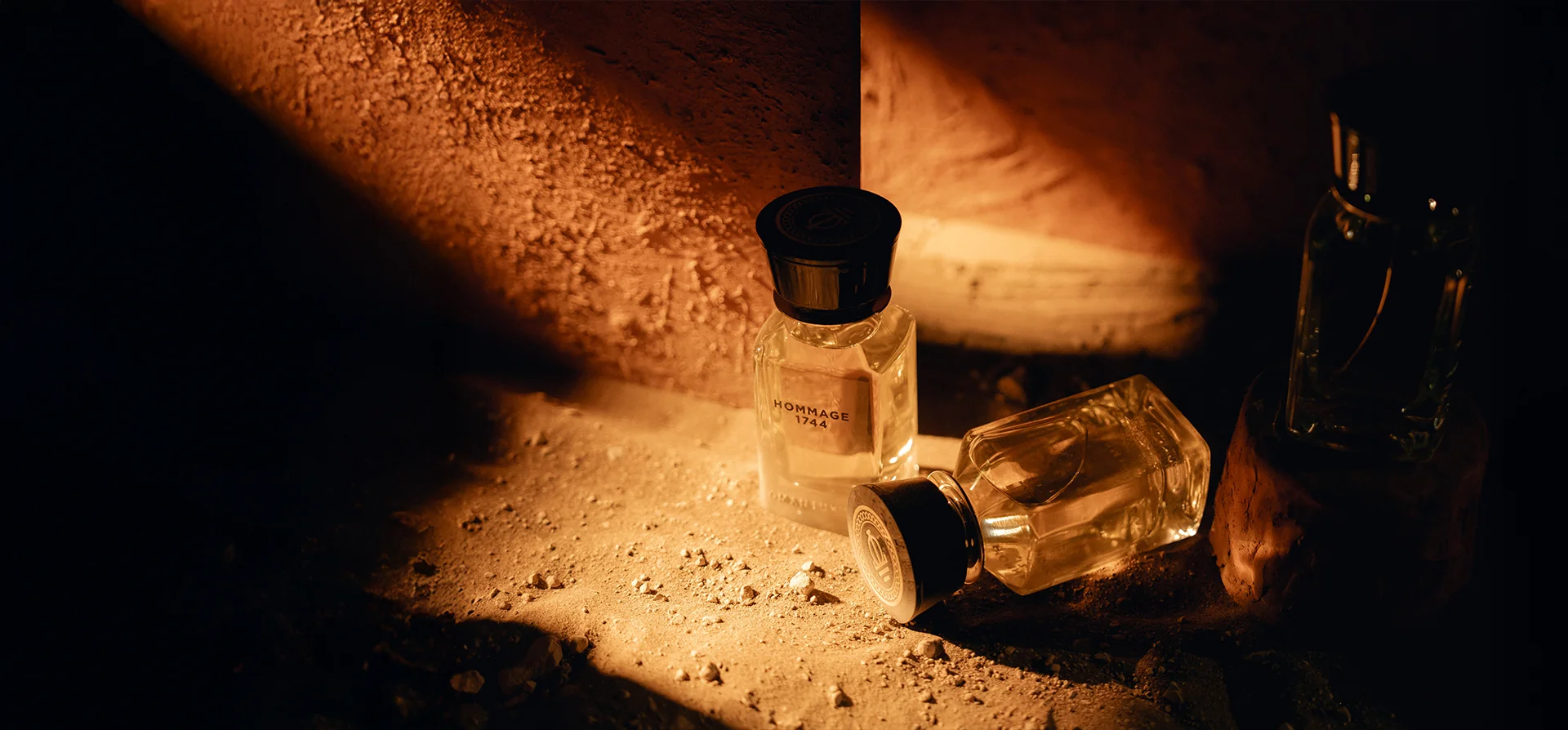
Omanluxury Hommage 1744 – A Tribute to Oman’s Heritage
Amouage has worked with perfumers including Quentin Bisch and Pierre Négrin, while Omanluxury’s creations include compositions by Dominique Ropion, Philippine Courtière and Pierre-Constantin Guéros. These partnerships illustrate how modern Omani luxury can be shaped by international creative collaboration without losing its connection to the country in which the brands originate and manufacture their products.
The growth of domestic production is equally significant because it creates opportunities for Oman to retain more of the value associated with finished luxury products rather than participating exclusively as a supplier of raw ingredients.
Omanluxury, established in Muscat in 2012, has developed a manufacturing operation in Rusayl, where its production processes were highlighted during official industry-related visits in April 2026. The business, led by figures including Muatasim Al Hinai and Muadh Al Sinawi, reflects the emergence of an entrepreneurial approach to fragrance manufacturing that seeks to position Omani heritage within an international commercial environment.
Alongside these brands, House of Raydan represents another approach to developing an Omani fragrance identity, with its founder, Yahya Mohammed Somar Al Zadjali, establishing the company in 2008 around the cultural and commercial possibilities of frankincense.
Raydan has developed a broader collection of perfumes, aromatic oils, incense and related products, with the company reporting distribution across several Gulf markets and into Europe. Its expansion demonstrates how the familiar scent of Omani luban can serve as the foundation for a diversified fragrance business rather than remaining confined to traditional incense products.
The Business of Creating Luxury in Oman

The economic opportunity surrounding Oman’s fragrance industry extends well beyond the sale of individual perfume bottles, particularly because luxury fragrance production can involve specialised work in product development, manufacturing, packaging, retail, sourcing and international distribution.
A premium perfume represents the cumulative value of its formulation, brand identity, craftsmanship and commercial presentation, allowing the finished product to command a value considerably greater than that of its constituent raw materials.
For the Sultanate of Oman, the development of internationally competitive perfume manufacturers therefore presents an opportunity to participate more extensively in a global industry that has traditionally been associated with established European production centres.

Renaud Salmon, Chief Creative Officer, Amouage
The involvement of international perfumers has actually elevated the Omani identity of these products, with brands retaining genuine creative direction, manufacturing activity and commercial value within the country.
Indeed, collaboration between global specialists and domestic businesses may be essential to developing the technical standards and market access required for long-term competitiveness.
However, the continued expansion of Omani fragrance manufacturing will ultimately depend on more than the romantic appeal of its history, with brands needing to maintain consistent product quality, transparent supply chains and compelling distinctions within an increasingly competitive luxury marketplace.
The growing interest in exceptional concentrations, rare ingredients and responsibly sourced natural materials provides opportunities, but also raises expectations among discerning customers who are willing to pay substantial premiums for products whose craftsmanship and provenance can be demonstrated.
The Future of Oman’s Fragrance Heritage
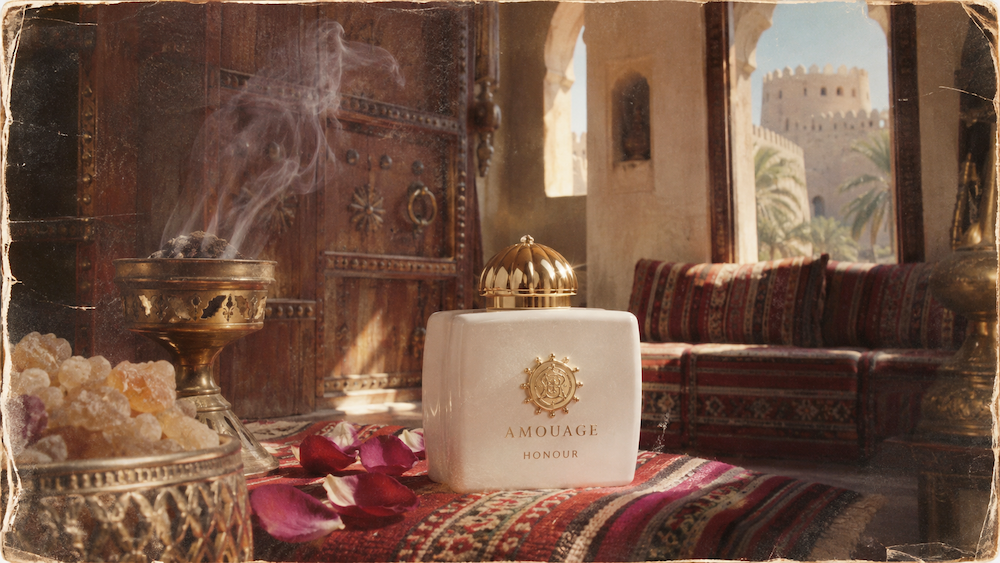
This image is an artistic representation of Amouage Honor
The most compelling aspect of Oman’s developing high-perfumery sector is the possibility of creating a luxury industry in which historical significance, environmental responsibility and contemporary craftsmanship reinforce one another.
A frankincense tree in Dhofar may represent an extraordinary connection to the trading civilisations of the past, but the future value of its resin will depend increasingly on the ability to protect the tree, document its origins, reward the people involved in harvesting it and transform the resulting aromatic material into products that compete successfully in international markets.
As Amouage continues to develop its work at Wadi Dawkah, Omanluxury expands its domestic manufacturing capabilities and Raydan carries its frankincense-led identity into overseas markets, the nation’s fragrance industry is demonstrating that luxury can be built upon a cultural resource without remaining confined to traditional methods of presenting it.
These businesses are operating at different scales and within different segments of the market, but their collective significance lies in showing how the commercial possibilities of Omani perfumery extend beyond a single ingredient or one internationally recognised brand.
For a country whose aromatic resins once travelled along some of the ancient world’s most important trading routes, the emergence of a contemporary luxury fragrance industry represents a remarkable continuation of an established economic relationship with the wider world.
The methods of production, international markets and expectations of modern consumers may have changed considerably, but the central proposition remains familiar: Oman’s most valuable scents are distinguished not simply by their fragrance, but by the extraordinary history, craftsmanship and sense of place contained within them.



The Rise of Oman in the World of High Perfumery

HH Sayyid Bilarab Bin Haitham Presides Over Official Unveiling of Al Yazan ITC in Wilayat Muttrah

Seven of the Most Expensive Homes Advertised in Oman

OER Magazine October Edition 2026

Apple’s Latest Earnings Highlight Strong iPhone Demand & Future Challenges

ahlibank Achieves Robust Q3 Results, Strengthening Market Position & Growth Outlook

Energy Oman Opens Category I Subscriptions for Sukuk Series 2

How Much Does It Cost to Buy at the World’s Leading Auction Houses?

A Look at the World’s Greatest Auction Houses & Their Record-Breaking Sales

The World’s Most Extraordinary Watches: What Makes Them Worth Millions?

Power And Beyond: The Path To A Low-carbon Future

Al Mouj Muscat unveils Ghadeer Villas

Time to Buy Saudi Stocks? Some Investors Look at Dubai Instead

Hospitality Industry in Oman Estimated 90% Growth in 2022

Renewables are booming, but not fast enough to cap greenhouse emissions

Retail Abu Dhabi’s ‘Unbox Amazing’ generates sales of more than AED 2 billion in participating stores

Saudis Sign Deals From Energy to Metals in Bid to Salvage Forum

Saudi Arabia’s Gold Miner Plans to Be a Global Top-20 Supplier

Technology to drive Sultanate’s downstream industry

Digitization and Logistics Service Providers Can Help SMEs Make the Most of Peak Season Retail Trends

VIDEO: Building Oman’s Future – SAH’s Vision for Infrastructure, Innovation and Growth

VIDEO: Oman Cables Breaks Ground on OMR 10 Million-Plus Plant to Power Oman’s Industrial Future

VIDEO: Hitesh Akarte on Khimji Ramdas Infrastructure’s Role in Oman Vision 2040

Oman’s Hospitality Sector Enters a New Phase of Growth: Sadiq Al Matwani Al Lawati

Amr Baabood: Oman Climate Week Is About Moving From Climate Ambition to Climate Action

Mayan Al Asfoor on Leadership, Legacy and Empowering Omani Talent

LEADERSPEAK: Dhofar Insurance CEO Sunil Kohli on Oman’s Insurance Sector, Reinsurance & Market Outlook

VIDEO: Robert MacLean on how NHI is Shaping Oman’s Next Generation of Hospitality Leaders

The Future of Oman: Decoding The Sultanate of Oman’s Strategic Promotional Nation Brand

EXCLUSIVE: AI, Robotics & Wearable Sensors are Changing the Lives of Dementia Patients
-

 Artificial Intelligence2 months ago
Top 5 Interesting Things AI Did This Month – September 2026 Edition
-

 Economy1 month ago
OER Magazine September Edition 2026
-
 Fashion1 month ago
Luxury Watches That Could Appreciate Over the Next Decade [2026 Auction Buyer Guide]
-

 Alamaliktistaad Magazines1 month ago
Alam Al-Iktisaad Magazine September 2026 Edition
-

 Artificial Intelligence2 months ago
What the World’s Top 10 Tech CEOs Really Earn
-

 Construction1 month ago
SAH wins double honours at Dossier Construction Awards & Summit 2026
-

 Featured2 months ago
OPINION: The Sultan Haitham City Residency Rule Most Buyers Don’t Know About
-

 Magazines2 months ago
OER Magazine August Edition 2026