
Economy
Boris Johnson Asks EU for Brexit Delay, But Hopes He Won’t Need It
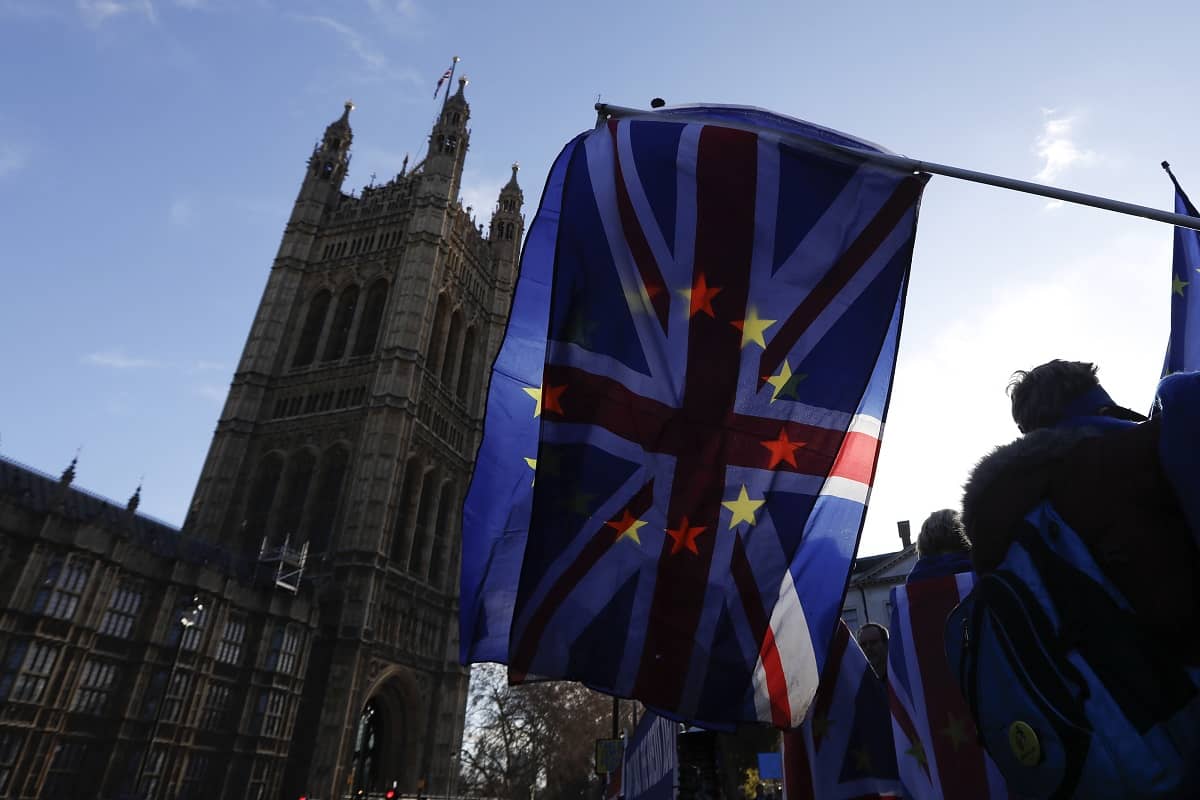
(Bloomberg) –Boris Johnson sent the letter to Brussels he never wanted to send.
Bound by a law passed by opposition Members of Parliament, he formally asked the European Union to delay Brexit until Jan. 31, but made it clear he’d rather there was no extension. European Council President Donald Tusk said he’ll start consulting EU leaders on how to react, which may take a few days. A unanimous vote is required to grant an extension.
According to a Downing Street official, the government sent three letters in total to the EU — the Benn Act extension, as stipulated in law, but which the PM didn’t personally sign; a cover note from Tim Barrow, Britain’s envoy to the EU; and a letter signed by the PM arguing that further delay is a mistake. Johnson also pledged to Parliament his desire to push on with plans to leave the bloc by his Oct. 31 deadline.
“A further extension would damage the interests of the U.K. and our EU partners, and the relationship between us,” Johnson said in the signed letter to Tusk. “We must bring this process to a conclusion so that we can move to the next phase.”
After Saturday’s defeat in Parliament, the prime minister never got his chance to see if MPs would support the deal he brought back from Brussels. He now plans to push through the legislation in less than two weeks. The Withdrawal Agreement Bill could begin its journey as soon as Tuesday, after Johnson makes another attempt on Monday to get Parliament to sign off on the principle of his deal, making the extension unnecessary.
After 3 1/2 years of political turmoil triggered by the referendum, Britain’s departure from the bloc is still not completely baked in. Hundreds of thousands of pro-EU demonstrators gathered around Westminster while MPs were debating in the House of Commons.
Possible outcomes range from delaying Brexit — allowing time for a general election or a second referendum on leaving — to a battle in court, or a chaotic and economically damaging departure from the bloc without a deal. But if Johnson succeeds with his latest gambit, he’ll be able to meet his month-end deadline and push for an election.
Based on how MPs voted Saturday — the government lost by 16 — and their comments during the debate, Johnson might still have a chance. It could come down to a single vote.
Johnson’s key problem could lie in wooing back his allies in the Democratic Unionist Party. Their 10 votes made the difference between defeat and victory.
They had supported Johnson until this week, when he signed a Brexit deal that creates a customs border in the Irish Sea — a concession designed to secure Ireland and the EU’s support for the agreement. The DUP angrily denounced that during the debate.
The day saw Conservative MPs, both current and almost all those he expelled last month, saying they would vote with him, as well as a small number of Labour MPs. If he can hold that coalition together for two weeks, he might have a chance.
Hours after the vote, French President Emmanuel Macron made it clear the deal had been negotiated and that further delay in Britain’s departure was “in no one’s interest.”



What is El Nino – And How Is It Expected To Affect Oman’s Weather & Economy?

VIDEO: Building Oman’s Future – SAH’s Vision for Infrastructure, Innovation and Growth

The Hidden Price of Convenience: What People in Oman Spend on Food Delivery, Coffee & Subscriptions

VIDEO: Oman Cables Breaks Ground on OMR 10 Million-Plus Plant to Power Oman’s Industrial Future

Liva Insurance Recognised for Leadership in Insurance Innovation and Digital Transformation at OERLive DX Oman

Oman Air Launches Winter Schedule with Additional Frequencies, Expanded Capacity & New Codeshare Destinations

IHE and Eicher Trucks and Buses promote school bus safety awareness among students

India’s rising edge in oil, gas and construction projects is enabling Middle East’s growth

The Financial Services Authority organises the National Health Insurance Platform Forum ‘Dhamani’

Is India’s accelerating export engine driving manufacturing towards global scale?

Power And Beyond: The Path To A Low-carbon Future

Al Mouj Muscat unveils Ghadeer Villas

Time to Buy Saudi Stocks? Some Investors Look at Dubai Instead

Hospitality Industry in Oman Estimated 90% Growth in 2022

Renewables are booming, but not fast enough to cap greenhouse emissions

Retail Abu Dhabi’s ‘Unbox Amazing’ generates sales of more than AED 2 billion in participating stores

Saudis Sign Deals From Energy to Metals in Bid to Salvage Forum

Saudi Arabia’s Gold Miner Plans to Be a Global Top-20 Supplier

Technology to drive Sultanate’s downstream industry

Digitization and Logistics Service Providers Can Help SMEs Make the Most of Peak Season Retail Trends
VIDEO: Building Oman’s Future – SAH’s Vision for Infrastructure, Innovation and Growth
VIDEO: Oman Cables Breaks Ground on OMR 10 Million-Plus Plant to Power Oman’s Industrial Future

VIDEO: Hitesh Akarte on Khimji Ramdas Infrastructure’s Role in Oman Vision 2040

Oman’s Hospitality Sector Enters a New Phase of Growth: Sadiq Al Matwani Al Lawati

Amr Baabood: Oman Climate Week Is About Moving From Climate Ambition to Climate Action

Mayan Al Asfoor on Leadership, Legacy and Empowering Omani Talent

LEADERSPEAK: Dhofar Insurance CEO Sunil Kohli on Oman’s Insurance Sector, Reinsurance & Market Outlook

VIDEO: Robert MacLean on how NHI is Shaping Oman’s Next Generation of Hospitality Leaders

The Future of Oman: Decoding The Sultanate of Oman’s Strategic Promotional Nation Brand

EXCLUSIVE: AI, Robotics & Wearable Sensors are Changing the Lives of Dementia Patients
-

 Artificial Intelligence1 month ago
Top 5 Interesting Things AI Did This Month – September 2026 Edition
-

 Fashion3 weeks ago
Luxury Watches That Could Appreciate Over the Next Decade [2026 Auction Buyer Guide]
-

 Economy3 weeks ago
OER Magazine September Edition 2026
-

 Banking & Finance1 month ago
The GCC’s 10 Richest Billionaires: Inside US$253.5 Billion of Wealth
-

 Magazines2 months ago
OER Magazine July Edition 2026
-

 Magazines2 months ago
Al Mar’a Magazine July 2026
-

 Banking & Finance1 month ago
INVESTIGATION: What If You Bought Apple Stock Every Time You Bought an iPhone?
-
 Alamaliktistaad Magazines2 months ago
Alam Al-Iktisaad Magazine July 2026 Edition