
Fashion
Luxury Watches That Could Appreciate Over the Next Decade [2026 Auction Buyer Guide]
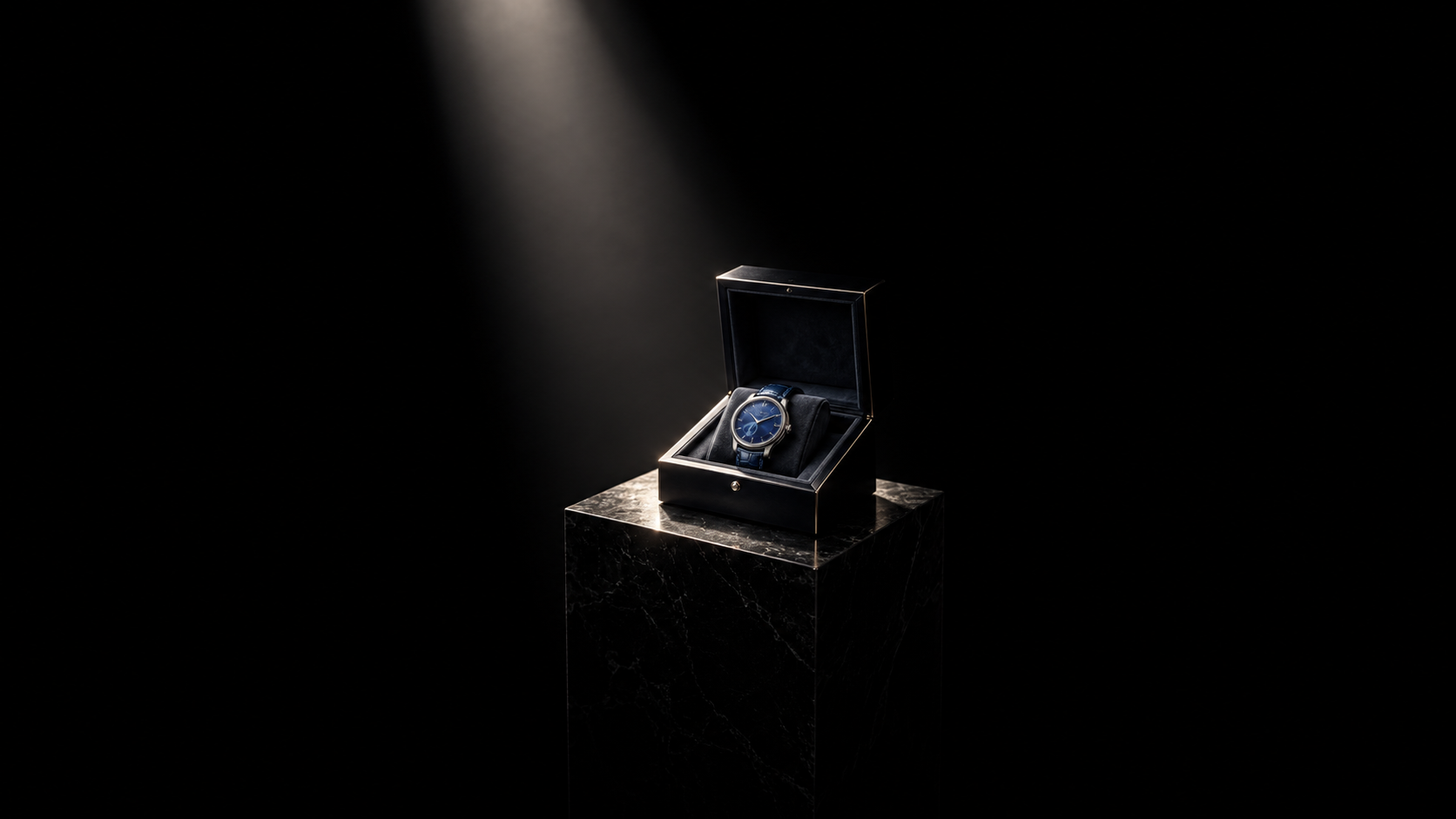
From F.P. Journe to a Patek Philippe, OERLive examines nine watches whose scarcity, history and collector momentum could make them particularly interesting to own through 2036.
For much of the 2020 to 2022 luxury-watch boom, buying almost any difficult-to-obtain Rolex, Patek Philippe or Audemars Piguet appeared to be a straightforward way to make money – but that market is gone.
By 2026, the watch market has become considerably more selective. Rolex’s pandemic-era premium has largely unwound, while buyers are spreading spending across Cartier, Patek Philippe, Audemars Piguet, Vacheron Constantin and, increasingly, independent watchmakers.
The broader secondary market nevertheless appears to be stabilising as WatchCharts’ Overall Market Index rose 0.4% in August 2026, while Rolex gained 0.5%, Patek Philippe 0.3% and Audemars Piguet 0.2% during the month.
At the very top of the market, meanwhile, demand remains extraordinary. Phillips recorded approximately US$290.5 million (around OMR111.8 million) of watch-auction sales during 2025, its highest annual auction total. A stainless-steel Patek Philippe Ref. 1518 sold for CHF14.19 million (approx. OMR6.59 million).
An F.P. Journe prototype belonging to Francis Ford Coppola subsequently achieved approximately US$10.8 million (OMR4.16 million) setting an auction record for both F.P. Journe and an independent watchmaker.
That tells us something important: the watch market has not stopped valuing watches. It has become much more discriminating about which watches deserve to become collectibles.
Looking towards 2036, OERLive examined current auctions, production scarcity, discontinued references, design importance and collector behaviour to identify ten watches with particularly interesting long-term appreciation potential.
As with any investment, there are no guarantees. Watches are illiquid assets, transaction costs can be substantial and condition can change value dramatically. But these ten tell us where the market appears to be heading.
1. F.P. Journe Chronomètre Bleu
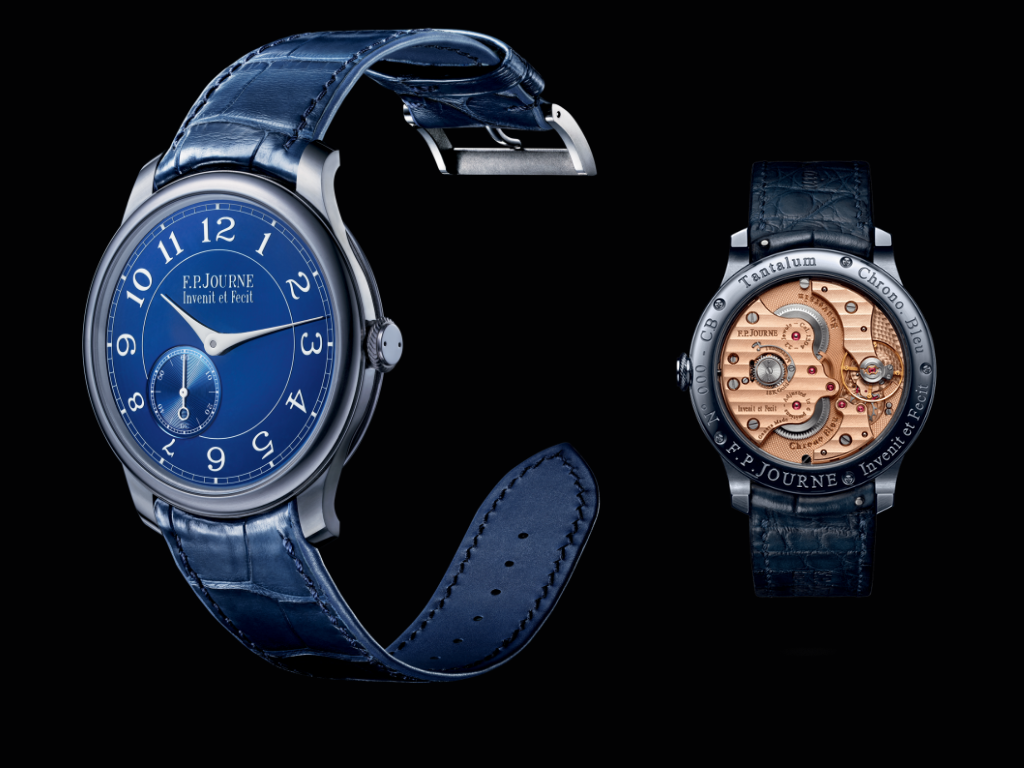
The watch that went from “entry-level” Journe to modern grail
Few watches better illustrate the rise of independent watchmaking than the F.P. Journe Chronomètre Bleu. Introduced in 2009 as a comparatively approachable way into F.P. Journe ownership, its original price was around US$20,000 (OMR7,700).
By 2026, however, its position had changed dramatically. A 2021 Chronomètre Bleu sold through Phillips in September 2026 for CHF177,800 (OMR82,600), against an estimate of CHF40,000 to 80,000.
Another sold for CHF114,300 (OMR53,100) in 2025, while a 2010 example achieved CHF95,250 (OMR44,200) earlier in the same year.
The watch combines several attributes collectors increasingly value: a 39mm case, difficult-to-machine tantalum, an unusually complex chrome-blue dial and a manual movement constructed with 18-karat rose-gold bridges and mainplate.
Most importantly, F.P. Journe is no longer simply a niche independent manufacturer. Its position in serious collecting has changed fundamentally. That became spectacularly clear in December 2025 when the F.P. Journe FFC Prototype belonging to Francis Ford Coppola sold for roughly US$10.8 million (OMR4.16 million), establishing a new record for an independent watchmaker.
Our 10-year thesis: Collectors increasingly view François-Paul Journe as one of the defining watchmakers of the modern era. The Chronomètre Bleu may become one of the references most closely associated with that legacy.
2. Rolex Cosmograph Daytona “Le Mans” Ref. 126529LN
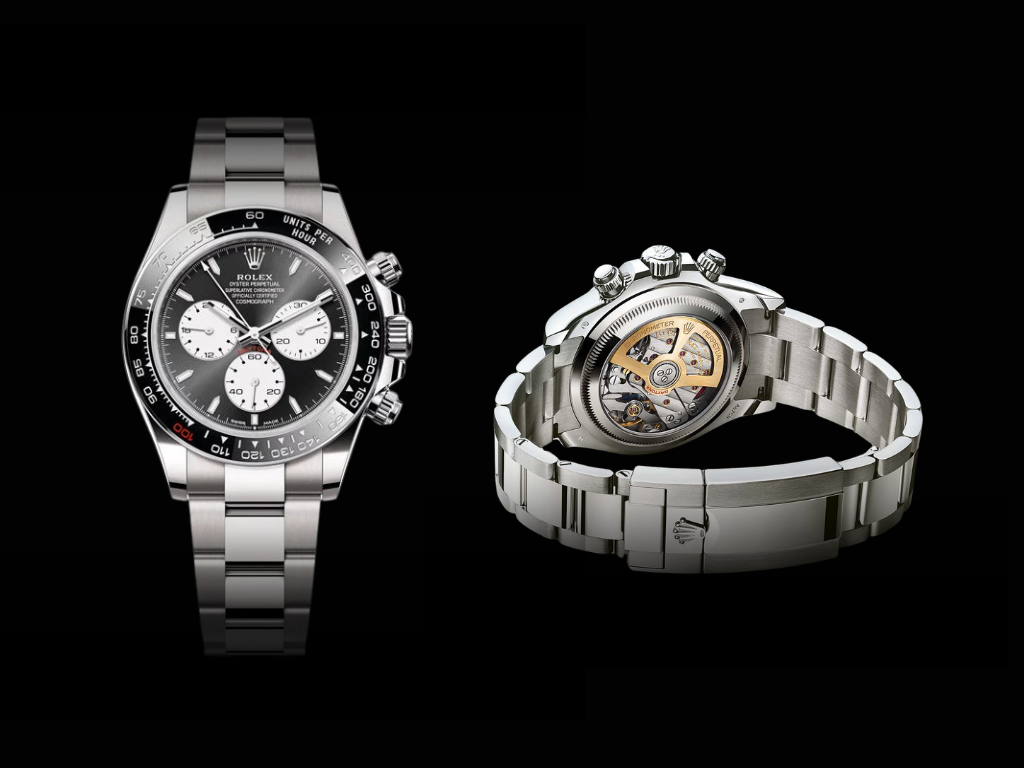
Modern Rolex scarcity created in less than a year
Most modern Rolexes are produced in quantities too large to qualify as genuinely rare but the white-gold Daytona Le Mans is different.
Rolex introduced Ref. 126529LN in 2023 to mark the centenary of the 24 Hours of Le Mans. It featured a special Calibre 4132 with a 24-hour chronograph counter, an Art Deco-inspired dial and a red “100” marking on its ceramic bezel. Then Rolex discontinued it less than a year later.
That extremely brief production period immediately changed the way collectors viewed the reference. One example sold through Phillips for US$228,600 (OMR88,000), while another achieved HK$1.7145 million (OMR84,500) at an auction in Hong Kong.
The ingredients for future collectability are unusually strong: Rolex, Daytona, motorsport history, precious metal, a unique movement configuration and an unexpectedly short production life. Vintage Daytonas demonstrate what can happen when rarity meets mythology.
There is no certainty that the Le Mans follows the same trajectory, but few contemporary Rolex references have a comparable story.
Our 10-year thesis: If collectors eventually divide modern Rolex production into ordinary references and historically significant references, the white-gold Le Mans has a strong chance of falling into the latter category.
3. Patek Philippe Nautilus Ref. 5711/1A
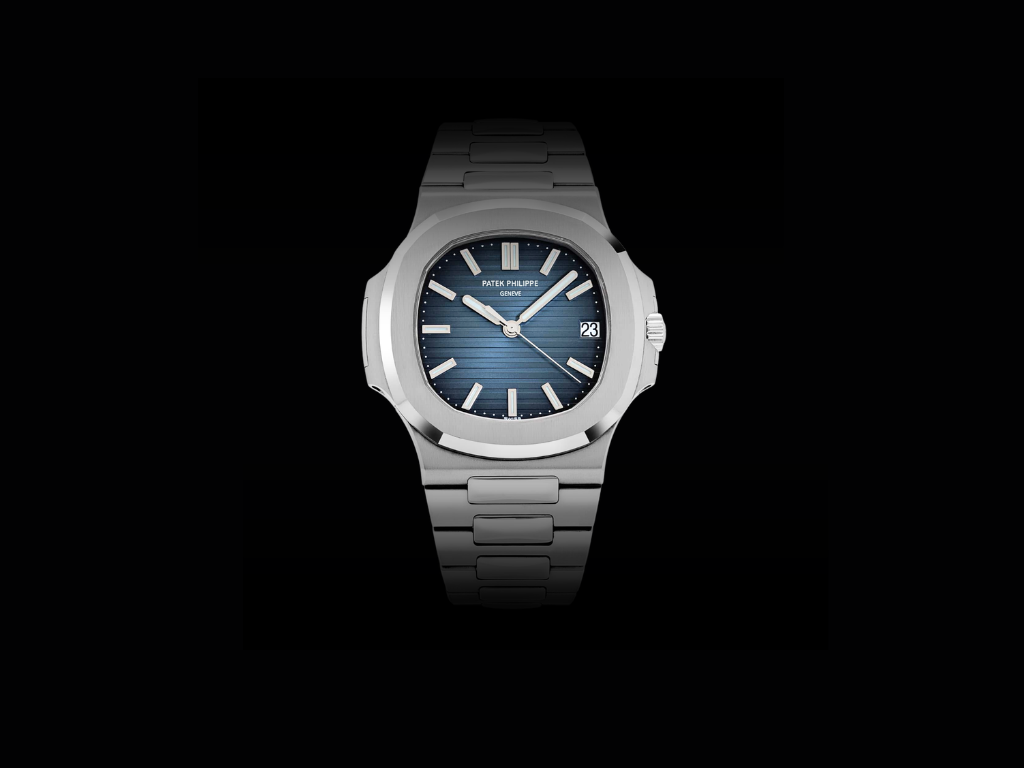
The discontinued modern icon
Few watches became more symbolic of the luxury-watch boom than the stainless-steel Patek Philippe Nautilus 5711, but its speculative peak has already passed and that could actually make the watch more interesting today.
Patek Philippe discontinued the steel 5711 after a 15-year production run, permanently fixing the number of examples available. It also remains one of the clearest modern descendants of Gérald Genta’s original Nautilus design.
Recent auction results demonstrate that serious demand continues even after the speculative frenzy subsided. A 2017 Ref. 5711/1A-010 sold for CHF88,900 (OMR41,300) at Phillips in March 2026 and another steel 5711 achieved HK$825,500 (OMR40,700) in 2025.
This may actually represent a healthier foundation for long-term collecting than the extraordinary prices seen during 2021 and 2022. The difference between speculation and collectability is time.
The longer a discontinued icon remains culturally important, the more its finite supply matters.
Our 10-year thesis: By 2036, even the youngest 5711s will be well-established discontinued watches rather than yesterday’s hype pieces. Excellent, unpolished examples with full documentation should increasingly separate themselves from ordinary examples.
4. Audemars Piguet Royal Oak “Jumbo” Ref. 15202
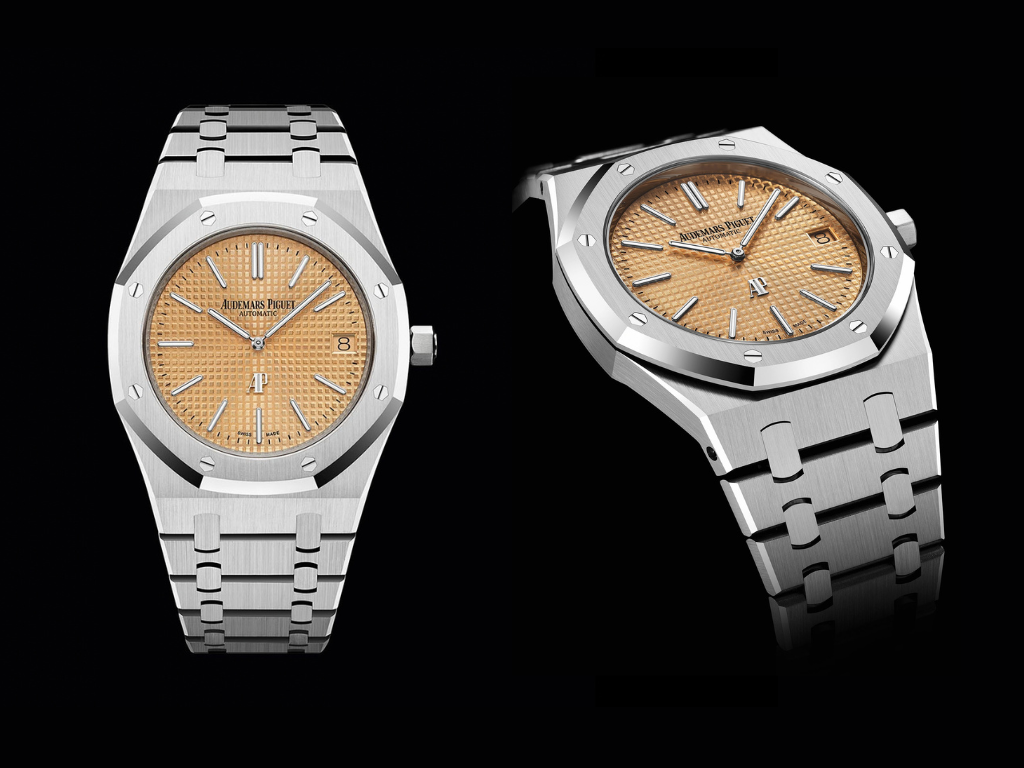
The closest modern descendant of the original Royal Oak
The Royal Oak Ref. 15202 occupies an important position in Audemars Piguet history. Its 39mm proportions and ultra-thin architecture closely follow the original Ref. 5402 Royal Oak introduced in 1972.
And unlike the succeeding Ref. 16202, the 15202 retains Calibre 2121, which by itself is part of the historical appeal of the model.
The reference has now been discontinued and recent auction results remain substantial. A circa-2017 steel 15202 sold for HK$508,000 (OMR25,100), while another example achieved CHF44,450 (OMR20,600) in late 2025.
Certain variants are dramatically rarer. The salmon-dial white-gold 15202 introduced in 2019 was produced in extremely restricted quantities. With production ending in 2021, estimates suggest total production may have numbered only a few hundred pieces.
The Royal Oak itself is already historically secure and the investment question is therefore less about whether collectors will remember the model and more about which generations they will ultimately consider definitive.
Our 10-year thesis: The discontinued 15202 combines the original Royal Oak’s dimensions with the historic Calibre 2121. Scarce dial and precious-metal configurations could become particularly collectible.
5. Cartier Crash
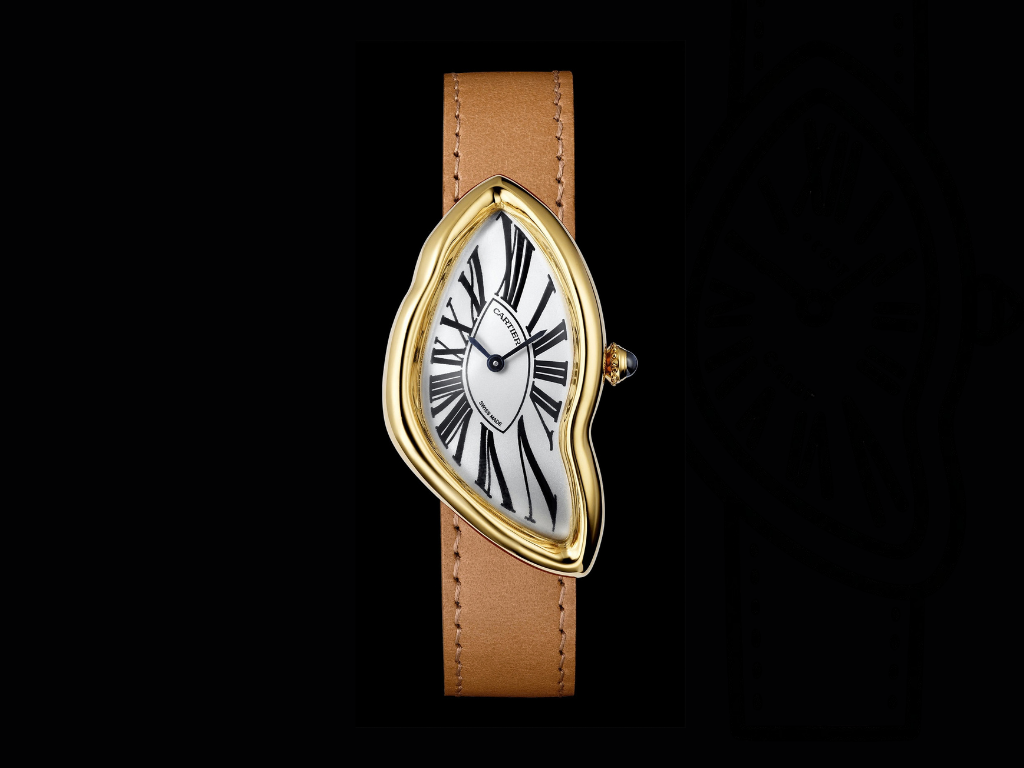
When watch collecting becomes art collecting
The Cartier Crash is one of the clearest examples of a broader transformation taking place in watches. Collectors are increasingly paying for design and not merely mechanical complexity. Created in London in 1967, the Crash’s distorted case has become one of watchmaking’s most instantly recognisable shapes and its scarcity has amplified that appeal dramatically.
At Phillips’ May 2026 Geneva auction, a Cartier Crash Paris sold for CHF431,800 (OMR200,500). A Crash Tigrée achieved CHF330,200 (OMR153,300) at the same sale.
An earlier 1991 yellow-gold limited edition – one of 400 – achieved CHF139,700 (OMR64,900), while a rare platinum example has sold for CHF317,500 (OMR147,400).
For our analysis, we also considered the Cartier Cheich, but its lack of availability and production makes the Crash a “reasonable and attainable purchase”.
This demand also reflects a structural shift toward unusual case shapes, jewellery heritage and watches that can be understood as industrial design objects. And Cartier’s cultural relevance among younger collectors makes the trend particularly interesting.
Our 10-year thesis: If watches increasingly overlap with art, fashion and design collecting, the Crash is positioned exceptionally well. Original London pieces and rare historic variants occupy another level entirely.
6. A. Lange & Söhne Datograph Up/Down “Lumen” Ref. 405.034
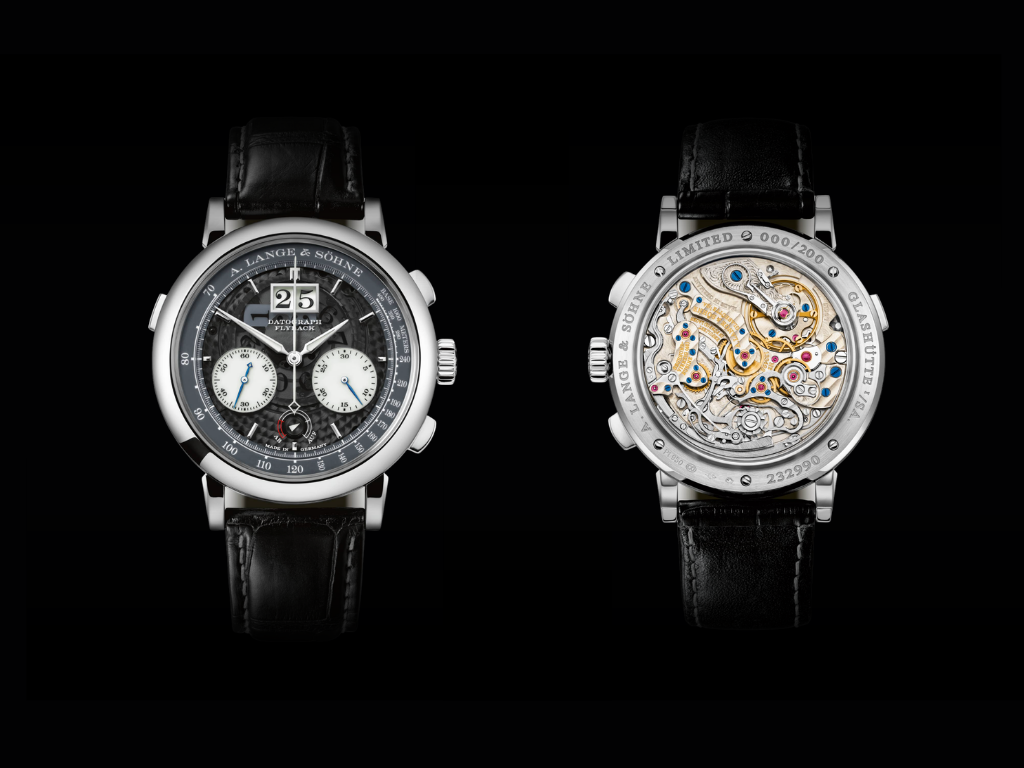
German haute horlogerie begins receiving its due
There is an argument that A. Lange & Söhne remains undervalued relative to its technical accomplishments. The Datograph is central to that argument.
When the original Datograph appeared in 1999, it demonstrated that an integrated manually wound chronograph movement could be produced at an extraordinary level of architecture and finishing outside Switzerland’s traditional giants.
The Datograph Up/Down Lumen pushes that formula into much rarer territory. The platinum Ref. 405.034 was limited to 200 pieces and a virtually new example numbered 162/200 sold for CHF177,800 (OMR82,600) in 2025.
Then, in September 2026, another Datograph Up/Down Lumen achieved CHF381,000 (OMR176,900) against an estimate of CHF100,000 to 200,000. That is precisely the kind of auction movement collectors watch closely.
Our 10-year thesis: If the collecting community increasingly re-rates post-1990 German haute horlogerie, rare Lange “Lumen” references could be among the largest beneficiaries.
7. Rexhep Rexhepi Chronomètre Contemporain
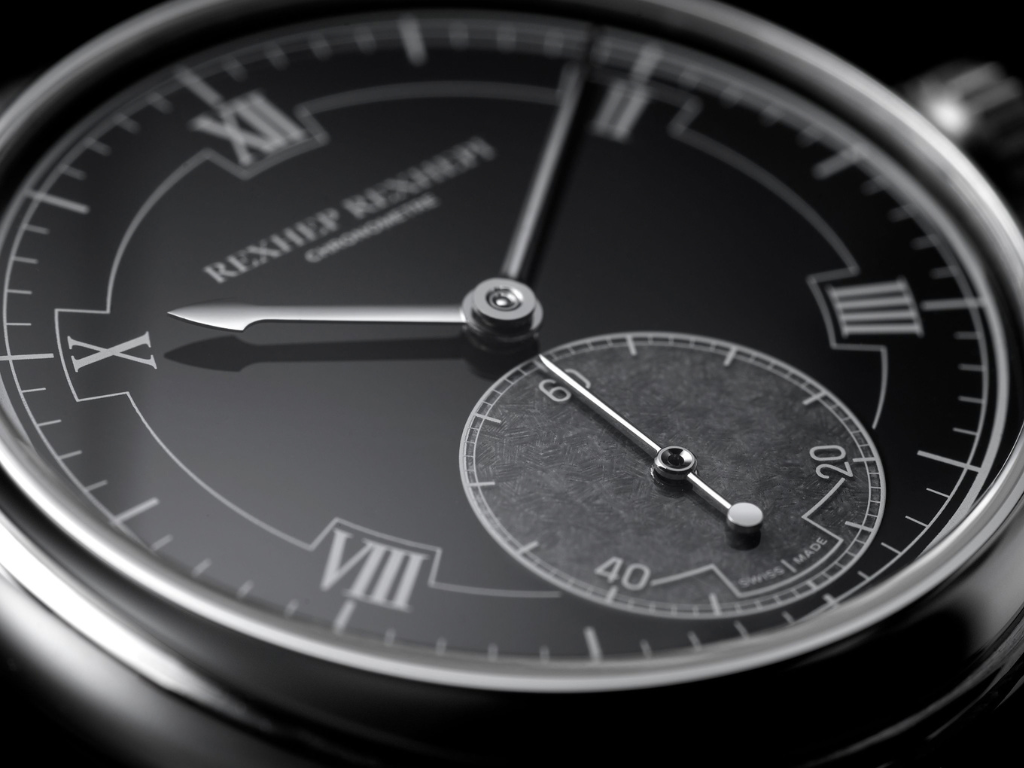
The independent watchmaker collectors are treating like an established master
Independent watchmaking is perhaps the most important structural trend in the high-end collector market – and Rexhep Rexhepi sits close to its epicenter.
His Chronomètre Contemporain combines traditional finishing, restrained aesthetics, hand craftsmanship and extraordinarily constrained availability.
Auction prices reflect that scarcity:
- A platinum Chronomètre Contemporain, number three of a 25-piece edition, sold for CHF1.1557 million (OMR536,700).
- Pink-gold examples from similarly tiny editions have achieved HK$6.985 million (OMR344,500) and HK$7.239 million (OMR357,000).
These numbers demonstrate how dramatically the economics of contemporary independent watchmaking have changed. Collectors are increasingly willing to pay not merely for a historic brand name but for direct association with an individual watchmaker.
That same phenomenon helped transform F.P. Journe values and Rexhepi represents the next generation.
Our 10-year thesis: If Rexhep Rexhepi’s standing continues to strengthen, the earliest Chronomètre Contemporain watches could increasingly be viewed as foundational works from an important 21st-century watchmaker.
8. Berneron Mirage
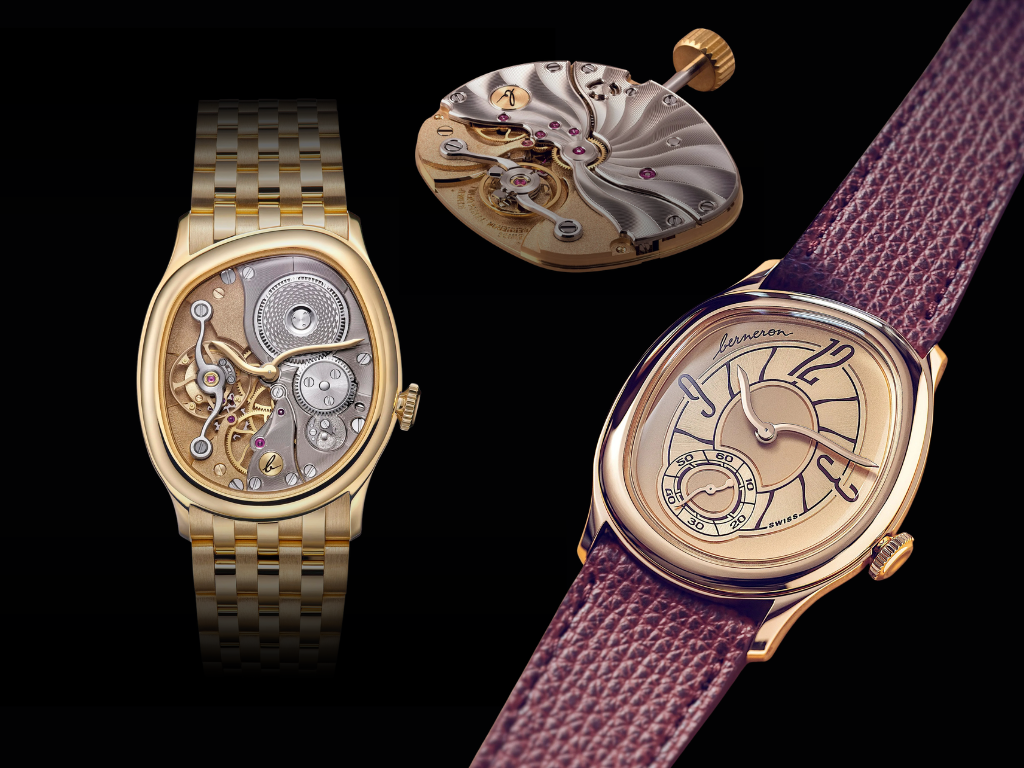
One of the youngest names already producing extraordinary auction results
Sylvain Berneron’s Mirage is perhaps the most speculative watch on this list. It is also one of the most fascinating.
Berneron created an asymmetric watch in which virtually everything – case, dial, hands and even the movement architecture – follows its curved design.
The market reaction was extraordinary at launch but what happened after was even more astonishing. A Mirage Prussian Blue sold for CHF241,300 (OMR112,000) in 2025 against an estimate of CHF40,000 to 80,000.
And in September 2026, a Mirage 34 “Chrysoprase”, one of only 48 examples, achieved CHF406,400 (OMR188,700) against an estimate of CHF50,000 to 100,000.
These are extraordinary numbers for such a young manufacturer and they should also serve as a warning. When prices accelerate this quickly, expectations can become disconnected from fundamentals. Berneron’s long-term reputation still has decades to develop.
But history suggests that collectors often place extraordinary premiums on the early works of watchmakers who later become historically significant.
The 10-year thesis: Extremely limited early Mirage references could become important pieces of contemporary independent-watchmaking history — but today’s already enormous premiums make this one of the higher-risk propositions on the list.
9. Vacheron Constantin Historiques 222
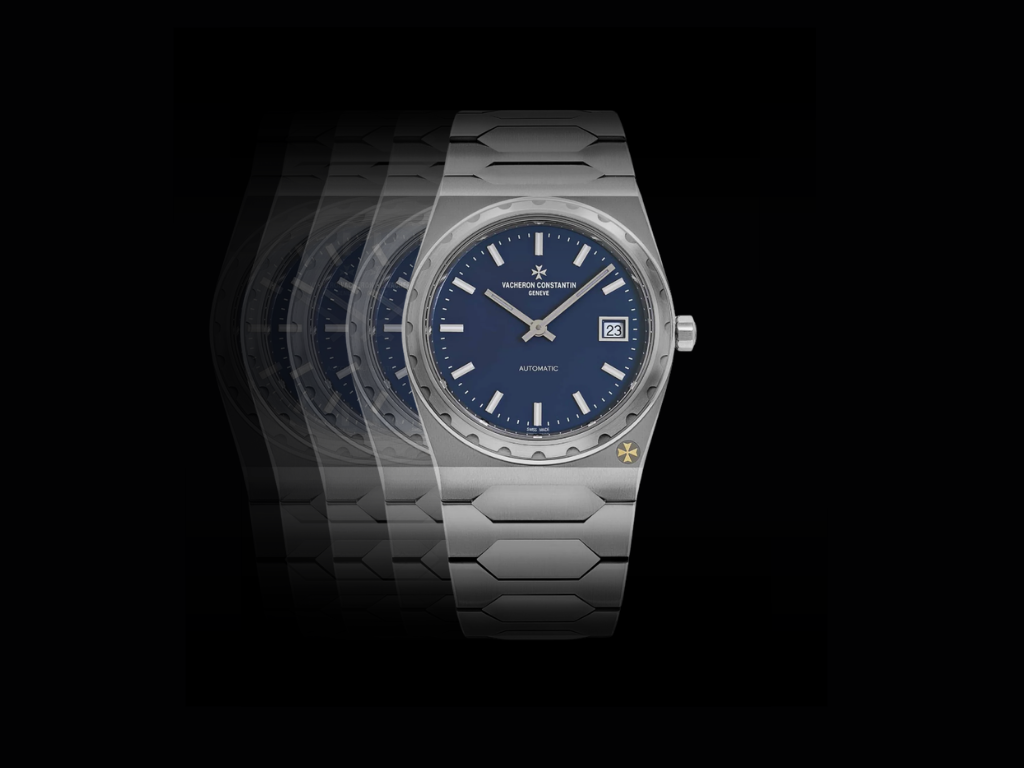
A third great integrated-bracelet sports watch emerges from the shadows
For decades, the luxury-sports-watch conversation was dominated by two watches: the Royal Oak and Nautilus. The Vacheron Constantin 222 is increasingly forcing collectors to make room for a third.
Originally introduced in 1977 and designed by Jörg Hysek rather than Gérald Genta, the 222 predates Vacheron’s Overseas family and has become one of the maison’s most important designs.
Vacheron revived the model in yellow gold in 2022 and introduced the steel interpretation in 2025. The stainless-steel Ref. 4200H/222A-B934 measures 37mm and is powered by the automatic Calibre 2455/2.
One early steel example sold at auction in 2026 for HK$406,400 (OMR20,000) but its investment story is still only developing.
Unlike a discontinued Nautilus 5711, supply has not yet been permanently fixed and production could continue for years. But the broader trend toward rediscovering overlooked historic designs could be powerful.
Our 10-year thesis: The 222 has the history, manufacturer and distinctive design required to become much more culturally important. Early steel examples with complete provenance could eventually attract additional collector interest.
Condition Could Be Worth More Than the Model
For anybody actually buying one of these watches with a 10-year horizon, reference selection is only half of the equation. Two apparently identical watches can eventually command dramatically different prices.
Collectors increasingly favour:
- Unpolished or minimally polished cases
- Original dials and hands
- Complete box and papers
- Original sales documentation
- Service records
- Correct bracelets and buckles
- Early serial numbers or historically interesting configurations
- Documented provenance
- Exceptional condition
Heavy polishing can permanently alter case geometry and replacement dials or hands can reduce the originality that sophisticated collectors increasingly value. And with independent watches costing hundreds of thousands of Omani Riyals, provenance becomes particularly important.
Currency note: OMR figures are approximate conversions intended to give readers in Oman additional context. Auction prices are retained in their original currencies because exchange rates, buyer’s premiums and transaction dates can affect the final Omani rial equivalent.
Disclaimer: This article is for editorial and informational purposes only and does not constitute investment advice. Past auction results or secondary-market appreciation do not guarantee future returns. Watch prices can decline substantially, and transaction costs, condition, authenticity, servicing and liquidity should be considered before purchasing a watch as a collectible asset.



Luxury Watches That Could Appreciate Over the Next Decade [2026 Auction Buyer Guide]

How Much Are People in Oman Saving Every Month – And What Could It Become if Invested in the MSX?

Liva Insurance Secures Three Major Honours at the Alam Al-Iktisaad Awards 2026

F5 Puts Spotlight on AI Security Innovation in Oman

bp’s New Programmes Set to Benefit Communities Across Oman

The Gulf Salary Equation: The Real Cost of Living in Muscat and Dubai

Al Mouj Muscat Hands Over Completed Buildings of Al Mouj Business Park

OER Magazine August Edition 2026

What the World’s Top 10 Tech CEOs Really Earn

Executive Regulations Issued for Special Economic Zones & Free Zones Law in Oman

Power And Beyond: The Path To A Low-carbon Future

Al Mouj Muscat unveils Ghadeer Villas

Time to Buy Saudi Stocks? Some Investors Look at Dubai Instead

Hospitality Industry in Oman Estimated 90% Growth in 2022

Renewables are booming, but not fast enough to cap greenhouse emissions

Retail Abu Dhabi’s ‘Unbox Amazing’ generates sales of more than AED 2 billion in participating stores

Saudis Sign Deals From Energy to Metals in Bid to Salvage Forum

Saudi Arabia’s Gold Miner Plans to Be a Global Top-20 Supplier

Technology to drive Sultanate’s downstream industry

Digitization and Logistics Service Providers Can Help SMEs Make the Most of Peak Season Retail Trends

Amr Baabood: Oman Climate Week Is About Moving From Climate Ambition to Climate Action

Mayan Al Asfoor on Leadership, Legacy and Empowering Omani Talent

LEADERSPEAK: Dhofar Insurance CEO Sunil Kohli on Oman’s Insurance Sector, Reinsurance & Market Outlook

VIDEO: Robert MacLean on how NHI is Shaping Oman’s Next Generation of Hospitality Leaders

The Future of Oman: Decoding The Sultanate of Oman’s Strategic Promotional Nation Brand

EXCLUSIVE: AI, Robotics & Wearable Sensors are Changing the Lives of Dementia Patients

EXCLUSIVE: Talking Renewable Projects & Sustainability in Oman and Beyond with Vipul Tuli

VIDEO: Eng. Salim Al Thuhli, CEO, Khazaen Economic City on Investment Opportunities

H.E. Salim Al Aufi, Minister of Energy & Minerals talks about Oman’s Green Hydrogen Goals

VIDEO: Talking Latest Developments in Aircraft Ground Guidance & More at Oman Airports
-

 Artificial Intelligence2 weeks ago
Top 5 Interesting Things AI Did This Month – September 2026 Edition
-

 Highlights1 month ago
OERLive: Top 10 Mathematical Problems AI Has Solved or Transformed
-
 Magazines1 month ago
OER Magazine July Edition 2026
-

 Magazines1 month ago
Al Mar’a Magazine July 2026
-

 Alamaliktistaad Magazines1 month ago
Alam Al-Iktisaad Magazine July 2026 Edition
-

 Magazines2 months ago
OER Magazine – June 2026 Edition
-

 Banking & Finance2 months ago
Oman Arab Bank CEO Sulaiman Al Harthi Retires as Ali Al Mani Is Named Successor
-

 Banking & Finance3 weeks ago
The GCC’s 10 Richest Billionaires: Inside US$253.5 Billion of Wealth