
Bahrain
Eskan Bank starts returning April installments to housing loans’ beneficiaries

Manama, May 19 (BNA): The Eskan Bank said that it had started returning the April installments for all the citizens with housing loans.
The move in line with the Cabinet’s decision to postpone the installments due for the Eskan Bank for six months, and to stop the collection of rent from tenants and beneficiaries from the shops owned by the Eskan Bank, for a period of three months, starting from April, 2020.
The bank indicated that it had completed all coordination procedures with other banks that are cooperating in providing housing financing, adding that all the sums will be returned to the citizens within the next few days.
The Eskan Bank praised the order of His Royal Highness Prime Minister Prince Khalifa bin Salam Al Khalifa and the directives of His Royal Highness Prince Salman bin Hamad Al Khalifa, the Crown Prince, Deputy Supreme Commander and First Deputy Premier, to postpone the installment payment, within efforts to reduce the economic impacts of the coronavirus on the citizens, and support the commercial activities during this period.
The bank affirmed that the two decisions prove the keenness of His Majesty King Hamad bin Isa Al Khalifa and the government to face the economic impacts of the pandemic, expressing hope that the virus will be eliminated soon, and life will be back to normal.



Oman, Jordan Establish RO38.5 Million Investment Company

How Fake 7-Zip Software Exposed a Much Bigger Criminal Proxy Business

OQ Signs Agreement to Divest Majis Industrial Services to Rakiza & IV3 Aqua-led Investment Consortium

Liva Insurance Equips Fashion Future Program Participants with SME Insurance Knowledge

Oman India Fertiliser Company Lists on Muscat Stock Exchange

Oman’s Banking Sector Records Credit Growth Of 11.5% By May 2026

Oman’s GDP Exceeds RO 10 Billion In Q1 2026

Minerals Development Oman Signs Partnership to Develop Copper Project in North Al Batinah

Oman’s GDP Rises 2.6% in Q1 2026 as Oil, Gas and Services Drive Growth

Alam Al-Iktisaad May 2026 Edition

Power And Beyond: The Path To A Low-carbon Future

Al Mouj Muscat unveils Ghadeer Villas

Time to Buy Saudi Stocks? Some Investors Look at Dubai Instead

Hospitality Industry in Oman Estimated 90% Growth in 2022

Renewables are booming, but not fast enough to cap greenhouse emissions

Retail Abu Dhabi’s ‘Unbox Amazing’ generates sales of more than AED 2 billion in participating stores

Saudis Sign Deals From Energy to Metals in Bid to Salvage Forum

Saudi Arabia’s Gold Miner Plans to Be a Global Top-20 Supplier

Technology to drive Sultanate’s downstream industry

Digitization and Logistics Service Providers Can Help SMEs Make the Most of Peak Season Retail Trends

LEADERSPEAK: Dhofar Insurance CEO Sunil Kohli on Oman’s Insurance Sector, Reinsurance & Market Outlook

VIDEO: Robert MacLean on how NHI is Shaping Oman’s Next Generation of Hospitality Leaders

The Future of Oman: Decoding The Sultanate of Oman’s Strategic Promotional Nation Brand

EXCLUSIVE: AI, Robotics & Wearable Sensors are Changing the Lives of Dementia Patients

EXCLUSIVE: Talking Renewable Projects & Sustainability in Oman and Beyond with Vipul Tuli

VIDEO: Eng. Salim Al Thuhli, CEO, Khazaen Economic City on Investment Opportunities

H.E. Salim Al Aufi, Minister of Energy & Minerals talks about Oman’s Green Hydrogen Goals

VIDEO: Talking Latest Developments in Aircraft Ground Guidance & More at Oman Airports

VIDEO: Dr. Firas Al-Abduwani Discusses Green Hydrogen, Potential Regions for Development & Creating a Green Ecosystem

VIDEO: Discussing The Future of Green Hydrogen in Oman with H.E. Salim Al Aufi
-

 Economy4 weeks ago
OMIFCO IPO: Price, Dividends, Subscription Dates and Listing – Here’s Everything You Need to Know
-

 Lifestyle2 months ago
AP x Swatch Royal Pop: A Rule-Breaking Collaboration That Takes the Royal Oak Off the Wrist
-

 Banking & Finance2 months ago
Tariq Atiq Appointed as CEO of Bank Nizwa
-
 Magazines3 weeks ago
OER May 2026 Edition: The Digital Copy
-

 News5 days ago
INVESTIGATION: Why Nokia Could Matter More in the Quantum Age Than It Ever Did in Mobile
-

 Investment3 weeks ago
Why Are Tech Stocks Rising Again – And Is It Too Late To Invest In Them?
-
 Royal Visit2 months ago
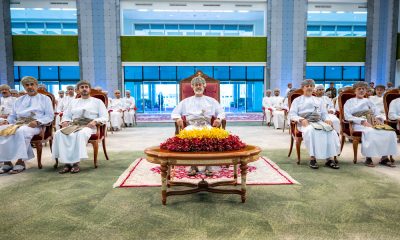
His Majesty the Sultan visits Petroleum Development Oman and inaugurates the ‘Bait Al-Haitham’ Integrated Operations Center
-
 Economy1 week ago
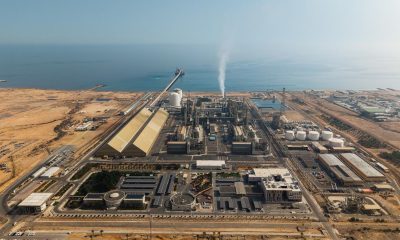
OMIFCO Successfully Completes Bookbuilding & Sets Final IPO Offer Price