
GCC
BP’s Chief Economist meets key Government officials around the Middle East region
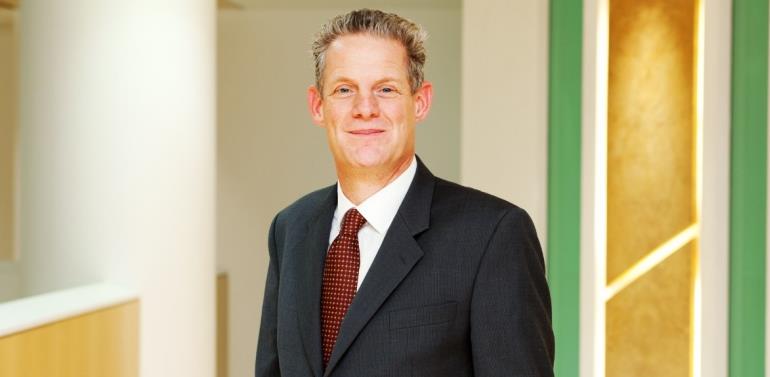
Spencer Dale, BP Group Chief Economist, has visited Oman, the United Arab Emirates, Kuwait, and Saudi Arabia and met with senior Government dignitaries and business partners in the region. During the meetings, they discussed the oil market outlook, key economic trends, and energy dynamics in the Middle East and across the world.
Commenting on the visit, Spencer Dale said, “The Middle East is a key contributor to global energy supplies and will continue to be well into the future. Governments across the Middle East are facing a fiscal challenge with the drop in government revenues from the lower oil prices, but all are taking steps to address this issue.”
BP has been present in the Middle East for more than 100 years, working in both downstream and upstream businesses. Today, in Oman, BP is operating the Khazzan project, one of the biggest tight gas projects in the Middle East. The project is on budget, on schedule and will increase Oman’s total daily gas supply by a third. In Iraq, BP is working to develop the supergiant Rumaila oil field. In the UAE, BP manages upstream activities in Abu Dhabi and a downstream business in Dubai. In Abu Dhabi, BP has had a partnership over many decades bringing together BP’s global technology capability and ADMA’s local expertise. In Kuwait, BP is supporting the Kuwait Oil Company (KOC) through the deployment of BP experts into KOC to assist in enhancing production efficiency and reserves growth.
During his meetings in the Middle East, Dale presented BP’s Statistical Review and Energy Outlook to government officials and business partners. For over sixty years, the BP Statistical Review of World Energy has been one of the most authoritative and highly regarded publications on the energy industry and its influence on world economics. The Energy Outlook examines the long-term trends and forces that are likely to shape global energy markets over the next two decades. Spencer Dale commented, “According to the Statistical Review, the Middle East maintains its leading role as the world’s top oil exporter but the share of production exported has declined as a result of rising domestic consumption. We expect energy production in the Middle East to rise 32 per cent by 2035. Consumption grows by 69 per cent, with 97 per cent of demand still met by fossil fuels by the end of the Outlook period. Middle East oil production is expected to expand by 19 per cent, but domestic demand rises by 48 per cent between today and 2035, reducing the share of exported production.”



From Liverpool to Sultana: Testimonies to Centuries-Old Omani-British Friendship

What is El Nino – And How Is It Expected To Affect Oman’s Weather & Economy?

VIDEO: Building Oman’s Future – SAH’s Vision for Infrastructure, Innovation and Growth

The Hidden Price of Convenience: What People in Oman Spend on Food Delivery, Coffee & Subscriptions

VIDEO: Oman Cables Breaks Ground on OMR 10 Million-Plus Plant to Power Oman’s Industrial Future

Liva Insurance Recognised for Leadership in Insurance Innovation and Digital Transformation at OERLive DX Oman

Oman Air Launches Winter Schedule with Additional Frequencies, Expanded Capacity & New Codeshare Destinations

IHE and Eicher Trucks and Buses promote school bus safety awareness among students

India’s rising edge in oil, gas and construction projects is enabling Middle East’s growth

The Financial Services Authority organises the National Health Insurance Platform Forum ‘Dhamani’

Power And Beyond: The Path To A Low-carbon Future

Al Mouj Muscat unveils Ghadeer Villas

Time to Buy Saudi Stocks? Some Investors Look at Dubai Instead

Hospitality Industry in Oman Estimated 90% Growth in 2022

Renewables are booming, but not fast enough to cap greenhouse emissions

Retail Abu Dhabi’s ‘Unbox Amazing’ generates sales of more than AED 2 billion in participating stores

Saudis Sign Deals From Energy to Metals in Bid to Salvage Forum

Saudi Arabia’s Gold Miner Plans to Be a Global Top-20 Supplier

Technology to drive Sultanate’s downstream industry

Digitization and Logistics Service Providers Can Help SMEs Make the Most of Peak Season Retail Trends
VIDEO: Building Oman’s Future – SAH’s Vision for Infrastructure, Innovation and Growth
VIDEO: Oman Cables Breaks Ground on OMR 10 Million-Plus Plant to Power Oman’s Industrial Future

VIDEO: Hitesh Akarte on Khimji Ramdas Infrastructure’s Role in Oman Vision 2040

Oman’s Hospitality Sector Enters a New Phase of Growth: Sadiq Al Matwani Al Lawati

Amr Baabood: Oman Climate Week Is About Moving From Climate Ambition to Climate Action

Mayan Al Asfoor on Leadership, Legacy and Empowering Omani Talent

LEADERSPEAK: Dhofar Insurance CEO Sunil Kohli on Oman’s Insurance Sector, Reinsurance & Market Outlook

VIDEO: Robert MacLean on how NHI is Shaping Oman’s Next Generation of Hospitality Leaders

The Future of Oman: Decoding The Sultanate of Oman’s Strategic Promotional Nation Brand

EXCLUSIVE: AI, Robotics & Wearable Sensors are Changing the Lives of Dementia Patients
-

 Artificial Intelligence1 month ago
Top 5 Interesting Things AI Did This Month – September 2026 Edition
-

 Fashion3 weeks ago
Luxury Watches That Could Appreciate Over the Next Decade [2026 Auction Buyer Guide]
-

 Economy3 weeks ago
OER Magazine September Edition 2026
-

 Banking & Finance1 month ago
The GCC’s 10 Richest Billionaires: Inside US$253.5 Billion of Wealth
-
 Magazines2 months ago
OER Magazine July Edition 2026
-

 Magazines2 months ago
Al Mar’a Magazine July 2026
-

 Banking & Finance1 month ago
INVESTIGATION: What If You Bought Apple Stock Every Time You Bought an iPhone?
-
 Alamaliktistaad Magazines2 months ago
Alam Al-Iktisaad Magazine July 2026 Edition
You must be logged in to post a comment Login