
Investment
ANALYSIS: The Investment Case for Space
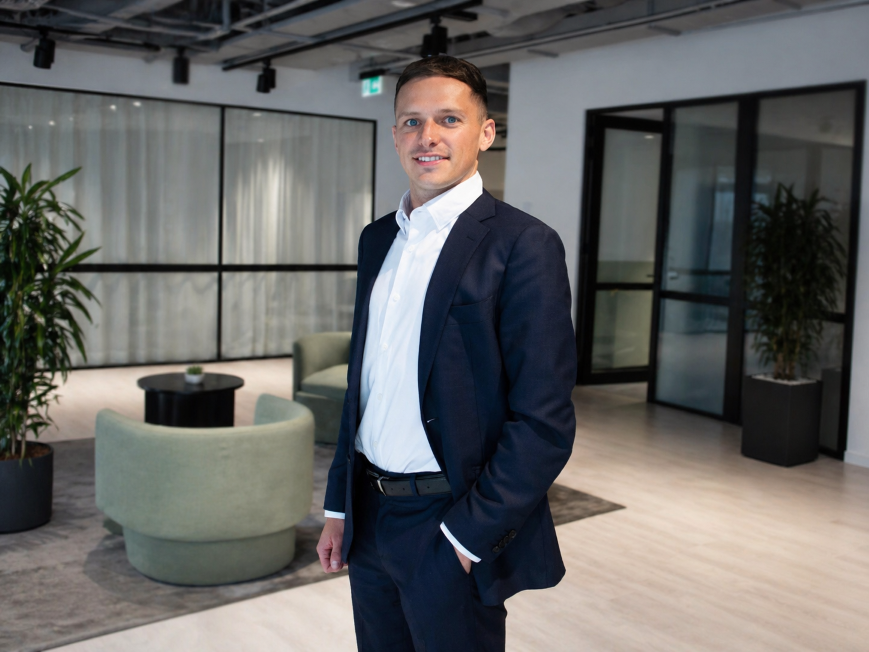
Most listed space companies around the world are still burning cash in pursuit of the dream, so it says something that Space42, the Middle East’s flagship space firm just reported a USD$6.3 billion contracted backlog and more than USD$1.1 billion in the bank.
By Josh Gilbert, Lead Analyst – etoro
Space42’s first-half results, with revenue up 15% and satellite-to-phone services on standard devices targeted for commercial rollout by the end of 2026, are the kind most space companies globally can’t show, and that’s what makes the regional story worth a closer look according to Josh Gilbert, Lead Analyst at etoro.
SpaceX’s first result as a listed company showed revenue of USD$7.8 billion, up 92% on a year ago, yet the company still lost more than USD$500 million and spent an extraordinary USD$18 billion on capex in a single quarter.
The shares fell despite beating expectations, and that reaction says plenty about whom investors have patience for, because markets this year have been rewarding companies that can show cash coming back and punishing those that only spend it.
Space still makes up a small sliver of portfolios, although SpaceX as the poster child has likely changed that. Valuations are the sticking point for space companies, because most are spending aggressively ahead of profits and only a handful trade on a meaningful earnings multiple, so traditional metrics won’t tell you much.
What they miss is how fast the picture can change, because in this sector one big contract or breakthrough can rewrite earnings expectations within a couple of quarters.
That’s exactly why the model in this region stands out. Contracts that run 15 years or more with a government counterparty are almost unheard of in this industry, and they give investors something the rest of the sector can’t, which is knowing where the revenue comes from years in advance.
Space still gets talked about as tomorrow’s story, but the technology already sits behind navigation, telecommunications, logistics and agriculture. It’s the companies monetising it that are young. This is where the comparison to AI firms fits: with heavy investment meeting enormous growth expectations, space companies are just a few years behind where the leading AI names are now.
Investors should judge these companies the same way they’d judge any other business, on free cash flow, backlog and margins, because launch headlines grab attention but tell you very little about who actually makes money. This is a sector with a long way to run, and the companies worth backing will be the ones proving it in the numbers, not on the launchpad.



The Hidden Price of Convenience: What People in Oman Spend on Food Delivery, Coffee & Subscriptions

VIDEO: Oman Cables Breaks Ground on OMR 10 Million-Plus Plant to Power Oman’s Industrial Future

Liva Insurance Recognised for Leadership in Insurance Innovation and Digital Transformation at OERLive DX Oman

Oman Air Launches Winter Schedule with Additional Frequencies, Expanded Capacity & New Codeshare Destinations

IHE and Eicher Trucks and Buses promote school bus safety awareness among students

India’s rising edge in oil, gas and construction projects is enabling Middle East’s growth

The Financial Services Authority organises the National Health Insurance Platform Forum ‘Dhamani’

Is India’s accelerating export engine driving manufacturing towards global scale?

SAH wins double honours at Dossier Construction Awards & Summit 2026

VIDEO: Hitesh Akarte on Khimji Ramdas Infrastructure’s Role in Oman Vision 2040

Power And Beyond: The Path To A Low-carbon Future

Al Mouj Muscat unveils Ghadeer Villas

Time to Buy Saudi Stocks? Some Investors Look at Dubai Instead

Hospitality Industry in Oman Estimated 90% Growth in 2022

Renewables are booming, but not fast enough to cap greenhouse emissions

Retail Abu Dhabi’s ‘Unbox Amazing’ generates sales of more than AED 2 billion in participating stores

Saudis Sign Deals From Energy to Metals in Bid to Salvage Forum

Saudi Arabia’s Gold Miner Plans to Be a Global Top-20 Supplier

Technology to drive Sultanate’s downstream industry

Digitization and Logistics Service Providers Can Help SMEs Make the Most of Peak Season Retail Trends
VIDEO: Oman Cables Breaks Ground on OMR 10 Million-Plus Plant to Power Oman’s Industrial Future
VIDEO: Hitesh Akarte on Khimji Ramdas Infrastructure’s Role in Oman Vision 2040

Oman’s Hospitality Sector Enters a New Phase of Growth: Sadiq Al Matwani Al Lawati

Amr Baabood: Oman Climate Week Is About Moving From Climate Ambition to Climate Action

Mayan Al Asfoor on Leadership, Legacy and Empowering Omani Talent

LEADERSPEAK: Dhofar Insurance CEO Sunil Kohli on Oman’s Insurance Sector, Reinsurance & Market Outlook

VIDEO: Robert MacLean on how NHI is Shaping Oman’s Next Generation of Hospitality Leaders

The Future of Oman: Decoding The Sultanate of Oman’s Strategic Promotional Nation Brand

EXCLUSIVE: AI, Robotics & Wearable Sensors are Changing the Lives of Dementia Patients

EXCLUSIVE: Talking Renewable Projects & Sustainability in Oman and Beyond with Vipul Tuli
-

 Artificial Intelligence1 month ago
Top 5 Interesting Things AI Did This Month – September 2026 Edition
-

 Fashion3 weeks ago
Luxury Watches That Could Appreciate Over the Next Decade [2026 Auction Buyer Guide]
-

 Economy2 weeks ago
OER Magazine September Edition 2026
-

 Banking & Finance1 month ago
The GCC’s 10 Richest Billionaires: Inside US$253.5 Billion of Wealth
-
 Magazines2 months ago
OER Magazine July Edition 2026
-

 Magazines2 months ago
Al Mar’a Magazine July 2026
-

 Alamaliktistaad Magazines2 months ago
Alam Al-Iktisaad Magazine July 2026 Edition
-

 Banking & Finance1 month ago
INVESTIGATION: What If You Bought Apple Stock Every Time You Bought an iPhone?