
Energy
Saudi Arabia, Kuwait Make Breakthrough in Neutral Zone Talks
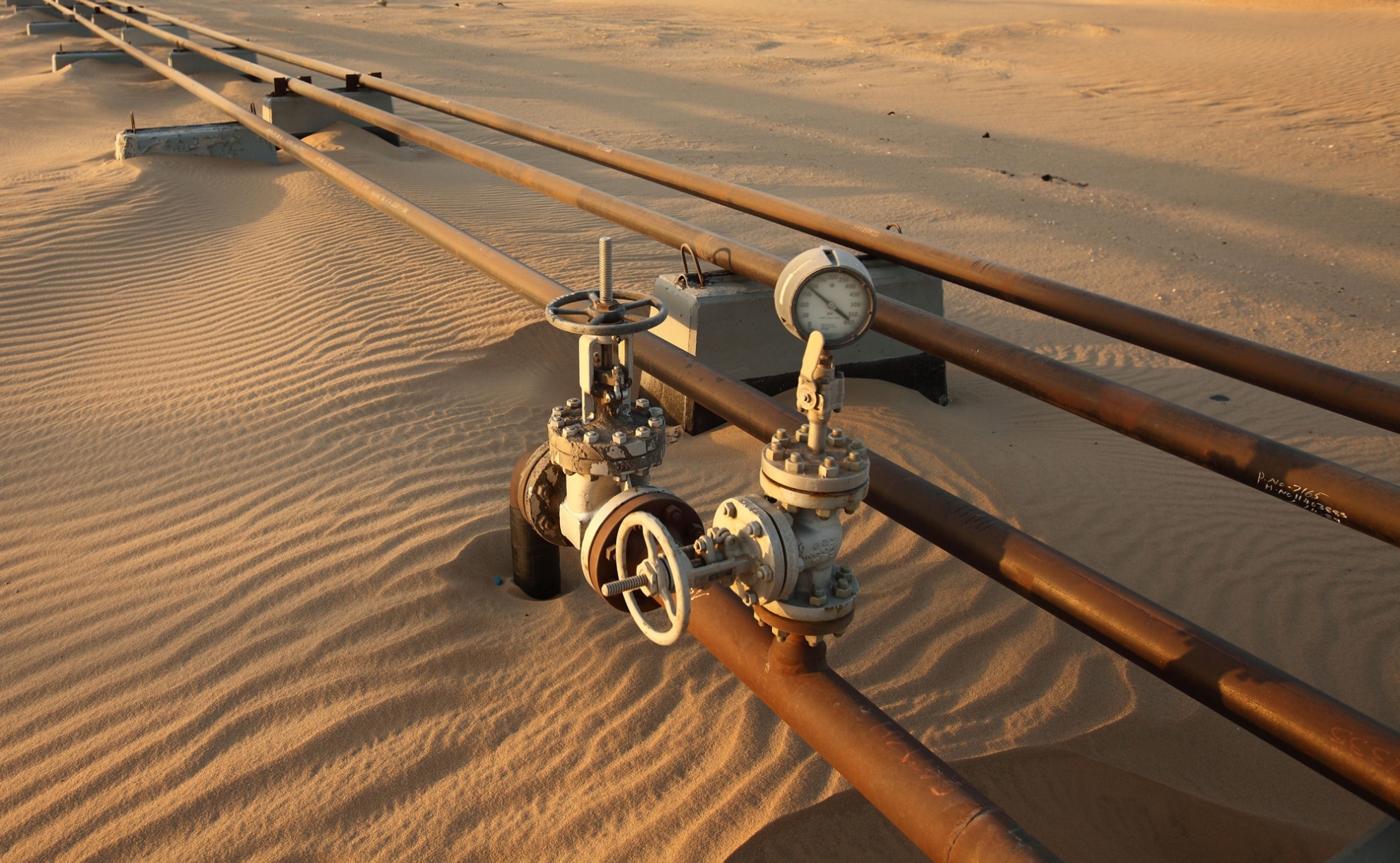
(Bloomberg) — Saudi Arabia and Kuwait are the closest in years to restoring oil output from the neutral zone shared by the neighboring nations after making a breakthrough in recent talks, according to people familiar with the matter.
While Kuwait and Riyadh haven’t yet reached a final agreement, in a recent meeting the Middle East nations made significant progress in resolving sovereignty issues that have thwarted negotiations in the past, the same people said, asking not to be named discussing diplomatic talks.
The neutral zone hasn’t produced anything since fields there were shut down after spats between the two countries in 2014 and 2015. The barren strip of desert straddling Saudi Arabia and Kuwait — a relic of the time when European powers drew implausible ruler-straight borders across the Middle East — can pump about 500,000 barrels a day, as much as OPEC-member Ecuador.
After a meeting in June in Riyadh, both sides are drafting new documents ahead of further talks, the people said. The next meeting may be held in Kuwait this month, one of the people said. If both sides finalize some technical details, production will be able to resume from the fields of Khafji and Wafra, one of the people said.
Still, it’s not clear whether the neutral zone will pump much oil immediately even if both nations reach a final deal because the Organization of Petroleum Exporting Countries extended its production cuts into early 2020. Saudi Arabia and Kuwait split the crude pumped from the neutral zone within their respective OPEC production quotas.
The two Gulf nations have held a number of private meetings since 2015, at one point even coming close to signing an agreement before pulling back at the last minute over wording in the final documents regarding contentious sovereignty issues. This time around, however, the talks appear to have entered a fresh phase, with both sides keen to find a final resolution, the people said, without providing details.
A spokesman for Saudi Arabia’s Energy Ministry declined to comment. Kuwait’s state oil company didn’t immediately respond to a request for comment.
Given the complexity of reaching an agreement, talks could still break down. Still, in a sign that officials are hoping the progress will continue, Kuwaiti lawmaker Adnan Abdul Samad said in mid-June after a parliamentary panel meeting with Oil Minister Khaled Al-Fadhel that officials were discussing the possibility of resuming output in the joint owned fields.
The neutral zone, spread over 5,700 square kilometers — an area a bit smaller than Delaware –was created by a 1922 treaty between Kuwait and the fledgling Kingdom of Saudi Arabia. In the 1970s the two nations agreed to divide the area and incorporate each half into their territory, while still sharing and jointly managing the petroleum riches. The region contains two main oil fields: the onshore Wafra and the offshore Khafji.
The importance of the fields is now higher due to the impact of sanctions on Venezuela and Iran, which has tightened the supply of so-called sour-heavy crude — precisely the kind of oil that the neutral zone produces. U.S. diplomats had been pressing both side to reach an agreement, so far without success.
The disagreement between Saudi Arabia and Kuwait started on the Wafra field, which is operated by Chevron Corp., the second-largest energy company in the U.S. In 2009, Saudi Arabia extended the original 60-year-old concession of the field, giving the American company rights over Wafra until 2039. Kuwait was furious over the announcement and claims Riyadh never consulted it about the extension.
“We continue to monitor the situation,” Chevron said in a statement. The company “is focused on supporting operational activities to maintain readiness for a production restart when that time comes.”



The Financial Services Authority organises the National Health Insurance Platform Forum ‘Dhamani’

Is India’s accelerating export engine driving manufacturing towards global scale?

SAH wins double honours at Dossier Construction Awards & Summit 2026

VIDEO: Hitesh Akarte on Khimji Ramdas Infrastructure’s Role in Oman Vision 2040

Alam Al-Iktisaad Magazine September 2026 Edition

A decade of investing: Tech portfolio returned 1,342% versus Nasdaq-100’s 636%

His Majesty the Sultan arrives in Kazakhstan

Oman’s trade surplus reaches RO5.5 billion in July 2026

Agreements worth over RO1 billion signed at Urban October 2026

Workers’ Remittances from GCC Countries Record Highest Value Globally

Power And Beyond: The Path To A Low-carbon Future

Al Mouj Muscat unveils Ghadeer Villas

Time to Buy Saudi Stocks? Some Investors Look at Dubai Instead

Hospitality Industry in Oman Estimated 90% Growth in 2022

Renewables are booming, but not fast enough to cap greenhouse emissions

Retail Abu Dhabi’s ‘Unbox Amazing’ generates sales of more than AED 2 billion in participating stores

Saudis Sign Deals From Energy to Metals in Bid to Salvage Forum

Saudi Arabia’s Gold Miner Plans to Be a Global Top-20 Supplier

Technology to drive Sultanate’s downstream industry

Digitization and Logistics Service Providers Can Help SMEs Make the Most of Peak Season Retail Trends
VIDEO: Hitesh Akarte on Khimji Ramdas Infrastructure’s Role in Oman Vision 2040

Oman’s Hospitality Sector Enters a New Phase of Growth: Sadiq Al Matwani Al Lawati

Amr Baabood: Oman Climate Week Is About Moving From Climate Ambition to Climate Action

Mayan Al Asfoor on Leadership, Legacy and Empowering Omani Talent

LEADERSPEAK: Dhofar Insurance CEO Sunil Kohli on Oman’s Insurance Sector, Reinsurance & Market Outlook

VIDEO: Robert MacLean on how NHI is Shaping Oman’s Next Generation of Hospitality Leaders

The Future of Oman: Decoding The Sultanate of Oman’s Strategic Promotional Nation Brand

EXCLUSIVE: AI, Robotics & Wearable Sensors are Changing the Lives of Dementia Patients

EXCLUSIVE: Talking Renewable Projects & Sustainability in Oman and Beyond with Vipul Tuli

VIDEO: Eng. Salim Al Thuhli, CEO, Khazaen Economic City on Investment Opportunities
-

 Artificial Intelligence3 weeks ago
Top 5 Interesting Things AI Did This Month – September 2026 Edition
-

 Fashion1 week ago
Luxury Watches That Could Appreciate Over the Next Decade [2026 Auction Buyer Guide]
-

 Highlights2 months ago
OERLive: Top 10 Mathematical Problems AI Has Solved or Transformed
-
 Magazines1 month ago
OER Magazine July Edition 2026
-

 Banking & Finance4 weeks ago
The GCC’s 10 Richest Billionaires: Inside US$253.5 Billion of Wealth
-

 Magazines1 month ago
Al Mar’a Magazine July 2026
-
 Alamaliktistaad Magazines1 month ago
Alam Al-Iktisaad Magazine July 2026 Edition
-

 Magazines2 months ago
OER Magazine – June 2026 Edition
You must be logged in to post a comment Login