Banking & Finance
INVESTIGATION: What If You Bought Apple Stock Every Time You Bought an iPhone?

When Steve Jobs introduced the first iPhone in 2007, its US$499 starting price was considered expensive for a mobile phone. But nearly two decades later, Apple’s newly announced iPhone 18 Pro starts at US$1,199, while its first foldable, the iPhone Duo, begins at US$1,999.
At first glance, it appears that the cost of owning Apple’s flagship technology has exploded – but the numbers actually tell a more complicated story.
Adjusted for inflation, the original US$499 iPhone would cost roughly US$804 in 2026 dollars, which is remarkably close to the US$799 starting price of the iPhone 17 launched last year. Apple has certainly created far more expensive tiers, but the price of its mainstream smartphone has remained surprisingly stable in real purchasing-power terms.
There is another, considerably more dramatic comparison. What if every time somebody bought a new iPhone, they had invested exactly the same amount of money in Apple shares?
A US$499 investment in Apple on the day the original iPhone went on sale would today be worth approximately… US$43,111. And, intriguingly, buying US$599 of Apple stock alongside an iPhone 3GS in 2009 would have grown to around US$45,297.
How we calculated it
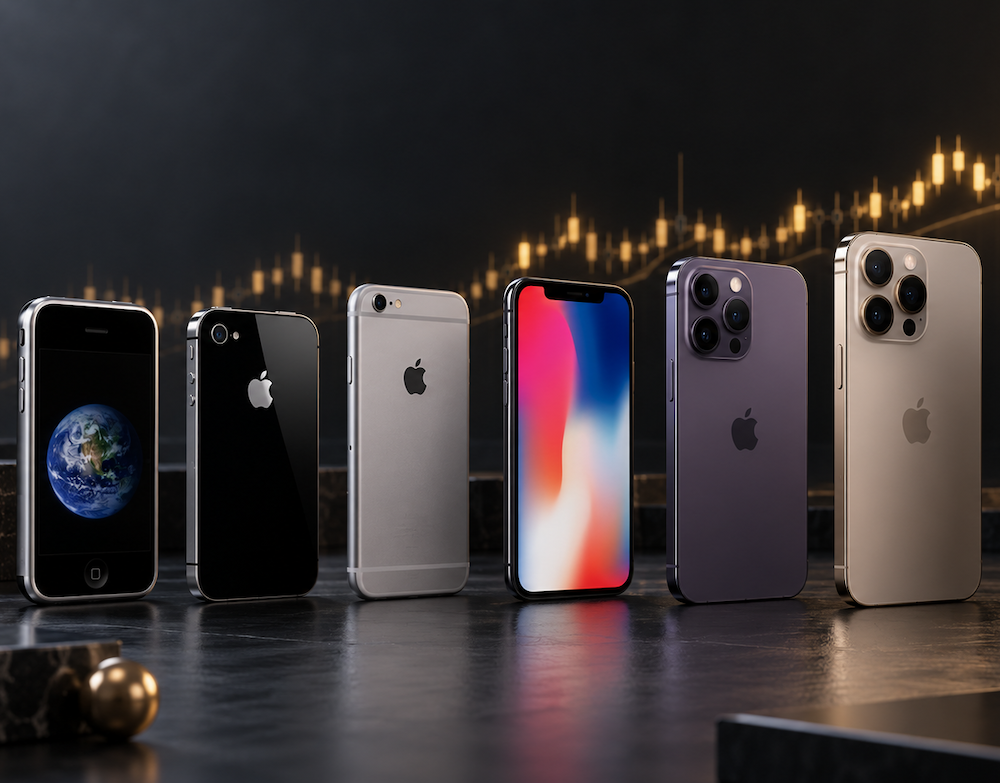

For every major annual iPhone generation, OERLive took the US starting price of a representative base handset and assumed the buyer simultaneously invested exactly that amount in Apple Inc. shares [NASDAQ: AAPL]. The hypothetical investment uses Apple’s split-adjusted closing share price on the retail launch date of each iPhone. The portfolio is then valued using Apple’s US$315.34 closing price on September 9, 2026 – the most recent completed trading session available when this analysis was prepared.
Fractional shares are assumed so that exactly the price of each iPhone could be invested. This is a mathematical comparison; fractional-share investing was not necessarily available to ordinary investors in every historical year. Dividends, taxes, brokerage fees and currency movements are excluded. Because Apple has paid dividends since 2012, including reinvested dividends would make several of the later investment values modestly higher. And there is also an important pricing caveat for the early iPhones.
Between 2008 and the mid-2010s, US consumers were frequently shown iPhone prices such as US$199, but those figures were heavily subsidised by carriers and normally required a two-year contract. The underlying no-contract cost of an iPhone 3G, for example, was around US$599. To make the comparison with today’s unsubsidised retail prices more meaningful, this analysis uses the approximate full handset price rather than the subsidised headline figure for those years.
The iPhone versus Apple stock
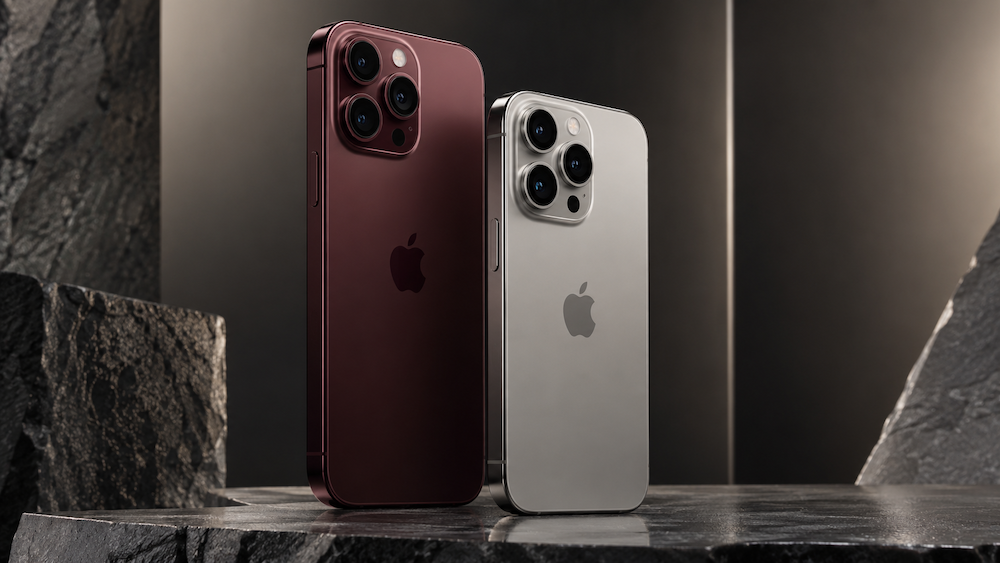

| Year | iPhone | Starting handset price* | AAPL at launch** | Same amount in AAPL worth Sep. 9, 2026 |
|---|---|---|---|---|
| 2007 | Original iPhone | US$499 | US$3.65 | US$43,111 |
| 2008 | iPhone 3G | US$599 | US$5.16 | US$36,606 |
| 2009 | iPhone 3GS | US$599 | US$4.17 | US$45,297 |
| 2010 | iPhone 4 | US$599 | US$8.05 | US$23,464 |
| 2011 | iPhone 4S | US$649 | US$12.62 | US$16,217 |
| 2012 | iPhone 5 | US$649 | US$21.03 | US$9,732 |
| 2013 | iPhone 5s | US$649 | US$14.39 | US$14,222 |
| 2014 | iPhone 6 | US$649 | US$22.22 | US$9,210 |
| 2015 | iPhone 6s | US$649 | US$25.68 | US$7,969 |
| 2016 | iPhone 7 | US$649 | US$26.28 | US$7,788 |
| 2017 | iPhone 8 | US$699 | US$35.35 | US$6,235 |
| 2017 | iPhone X*** | US$999 | US$40.14 | US$7,848 |
| 2018 | iPhone XS | US$999 | US$51.42 | US$6,127 |
| 2019 | iPhone 11 | US$699 | US$52.23 | US$4,220 |
| 2020 | iPhone 12 | US$799 | US$111.50 | US$2,260 |
| 2021 | iPhone 13 | US$799 | US$143.29 | US$1,758 |
| 2022 | iPhone 14 | US$799 | US$147.81 | US$1,705 |
| 2023 | iPhone 15 | US$799 | US$172.46 | US$1,461 |
| 2024 | iPhone 16 | US$799 | US$226.31 | US$1,113 |
| 2025 | iPhone 17 | US$799 | US$244.60 | US$1,030 |
| 2026 | iPhone 18 Pro**** | US$1,199 | — | Not yet measurable |
*Base US handset price used for comparison. Historical carrier subsidies make early headline retail prices non-comparable, so full handset prices are used where applicable.
**Apple share prices are adjusted for subsequent stock splits.
***The iPhone X is included separately because it represented a major new premium tier in 2017. It is excluded from the cumulative one-phone-per-year calculation below to prevent double-counting 2017.
****The iPhone 18 Pro was announced on September 9 but does not reach customers until September 18, 2026. There is therefore no launch-day stock return to calculate yet. Apple did not announce a standard iPhone 18 at the September event.
Apple’s launch prices and release dates are drawn from company announcements across the respective generations. More recent generations launched at US$799 for the iPhone 12, 13, 14, 15, 16 and 17, before the newly announced iPhone 18 Pro moved the latest launch focus back to the premium tier.
The original iPhone: US$499 spent versus US$43,111 invested
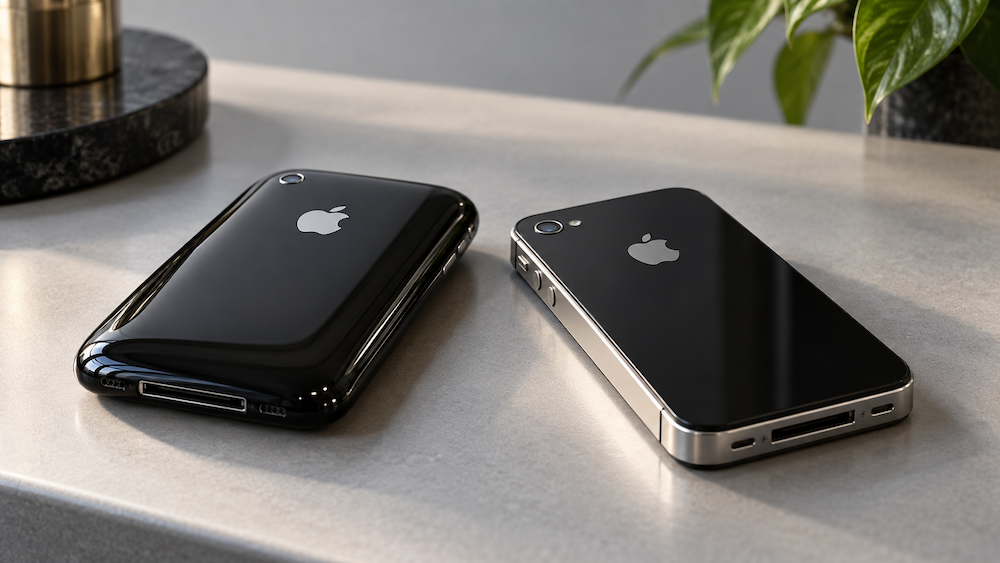
The most striking comparison starts with the device that created the modern smartphone era. The original 4GB iPhone went on sale on June 29, 2007, for US$499, while the 8GB version cost US$599.
Meanwhile, Apple shares closed at approximately US$3.65 on a split-adjusted basis that day. US$499 would therefore have purchased about 136.7 split-adjusted Apple shares – and at US$315.34 per share, those shares would now be worth approximately: US$43,111.
That is a gain of around 8,540 per cent, excluding dividends. The physical iPhone itself, meanwhile, would today primarily have value as a collectable – an unusually stark illustration of the difference between purchasing a company’s product and purchasing ownership in the company producing it.
Surprisingly, 2009 would have done even better
One might expect the earliest possible investment to produce the largest result, but that hasn’t happened here. The hypothetical US$599 investment made when the iPhone 3GS launched in June 2009 grows to approximately US$45,297, slightly more than the investment associated with the original iPhone two years earlier. Why? Timing.
Apple’s shares had been hit during the global financial crisis and were trading at only around US$4.17 split-adjusted when the 3GS arrived. The same US$599 therefore purchased considerably more Apple ownership than it would have before the market downturn.
It is an important reminder that investment returns depend not only on what is bought, but at what valuation it is bought. The effect appears again between 2012 and 2013: US$649 invested alongside the iPhone 5 in September 2012 would now be worth approximately US$9,732.
And the same US$649 invested a year later alongside the iPhone 5s would be worth around US$14,222. The later investment wins because Apple’s share price had fallen substantially from its 2012 highs by the time the 5s arrived.
Was the iPhone really getting more expensive?
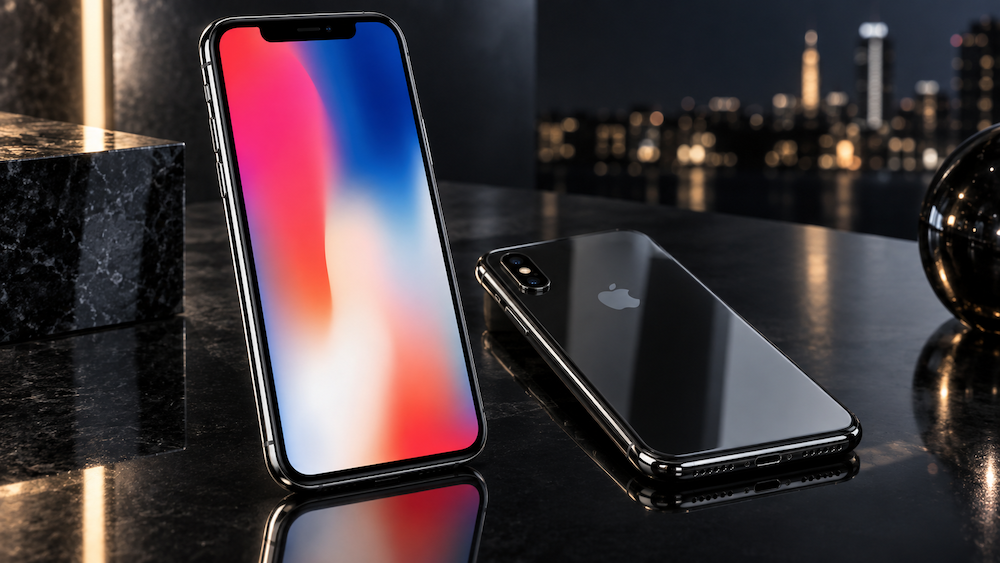
In nominal terms, unquestionably. The original iPhone started at US$499, while the iPhone 4S moved the effective full-retail starting point to around US$649. Apple’s mainstream models then stayed around that level for several generations.
The iPhone 8 rose to US$699 in 2017, and then came the device that fundamentally changed Apple’s pricing architecture: the iPhone X.
At US$999, it was roughly 43 per cent more expensive than the US$699 iPhone 8 launched in the same year. But this did not mean Apple had permanently turned every iPhone into a US$1,000 handset.
Instead, the company had discovered something arguably more important: customers could be segmented into pricing tiers. Apple followed the X with the US$999 iPhone XS, but also sold the more accessible iPhone XR. The iPhone 11 then started at US$699 in 2019.
From there, the mainstream price settled into an unusually stable pattern:
- iPhone 12 at US$799
- So did the iPhone 13
- And the iPhone 14
- And the iPhone 15
- And the iPhone 16
- And the iPhone 17
In other words, Apple held the US starting price of its principal mainstream model at US$799 for six consecutive generations between 2020 and 2025, even as cumulative inflation reduced the purchasing power of the dollar.
The US$499 iPhone of 2007 is basically a US$800 iPhone today
This is perhaps the most revealing number in the entire exercise. US inflation data imply that US$499 in 2007 has purchasing power of roughly US$804 today.
The iPhone 17? US$799. That means the entry price of Apple’s mainstream flagship smartphone in 2025 was almost identical, in real purchasing-power terms, to what consumers paid for the cheapest original iPhone in 2007. Nominally, US$499 to US$799 represents an increase of roughly 60 per cent. In real terms, however, almost all of that increase disappears once inflation is considered.
This does not mean iPhones are cheap. US$799 remains a substantial consumer purchase. It also means that Apple’s biggest pricing achievement may not have been continually raising the price of the ordinary iPhone. It was persuading part of its customer base to move above it.
Apple created a US$1,000-plus smartphone market
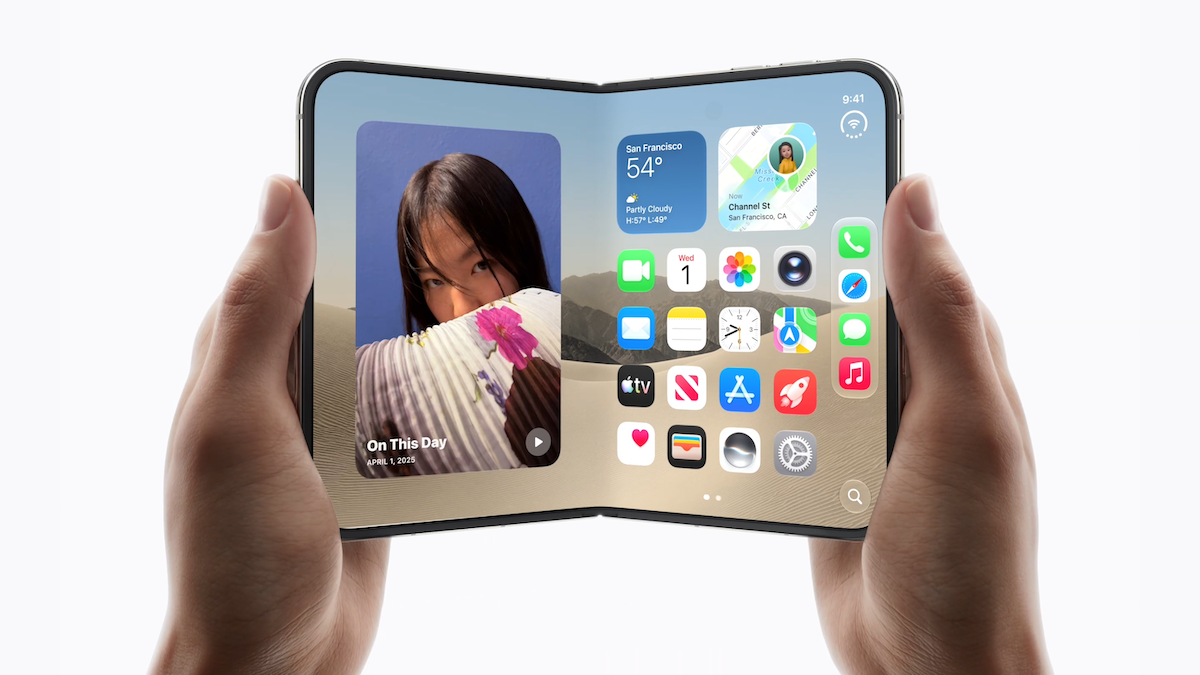

The iPhone X’s US$999 price once looked extraordinary. Today, that figure sits near the middle of Apple’s premium hierarchy.
The newly announced iPhone 18 Pro starts at US$1,199, while the Pro Max starts at US$1,299. The new foldable iPhone Duo starts at US$1,999. Apple’s 2026 lineup therefore stretches from conventional flagship pricing into territory previously associated with high-end laptops. The Duo’s US price and October launch schedule were confirmed as part of Apple’s September announcements.
Yet the comparison needs context. Apple did not launch a standard iPhone 18 alongside the Pro models on September 9.
So comparing the US$1,199 iPhone 18 Pro directly with the US$499 original iPhone exaggerates how much the entry-level flagship has risen. One is now explicitly a premium professional model; the other was the only iPhone category Apple had in 2007.
The bigger change is therefore not merely price inflation; it is premiumisation. Apple has transformed one iPhone into an entire pricing ladder.
What if you had done this every single year?

The experiment becomes even more striking when the purchases are combined. Suppose an iPhone buyer purchased one representative new model every year from 2007 through 2025 and simultaneously put the exact price of that phone into Apple shares. Across those 19 annual investments, the person would have put a total of: US$13,381 into Apple stock.
As of Apple’s September 9, 2026 close, those holdings would be worth approximately: US$239,526
That represents a paper gain of about: US$226,145. That’s approximately 1,690 per cent above the amount contributed. That figure also excludes dividends and excludes the extra iPhone X row in 2017 to prevent two investments being counted for the same year.
It should not be interpreted as a 1,690 per cent return on a single investment made in 2007: the US$13,381 would have been contributed gradually across almost two decades. Nevertheless, the exercise demonstrates how dramatically Apple’s corporate value compounded while consumers continued purchasing its products.
Even relatively recent iPhone buyers would be ahead
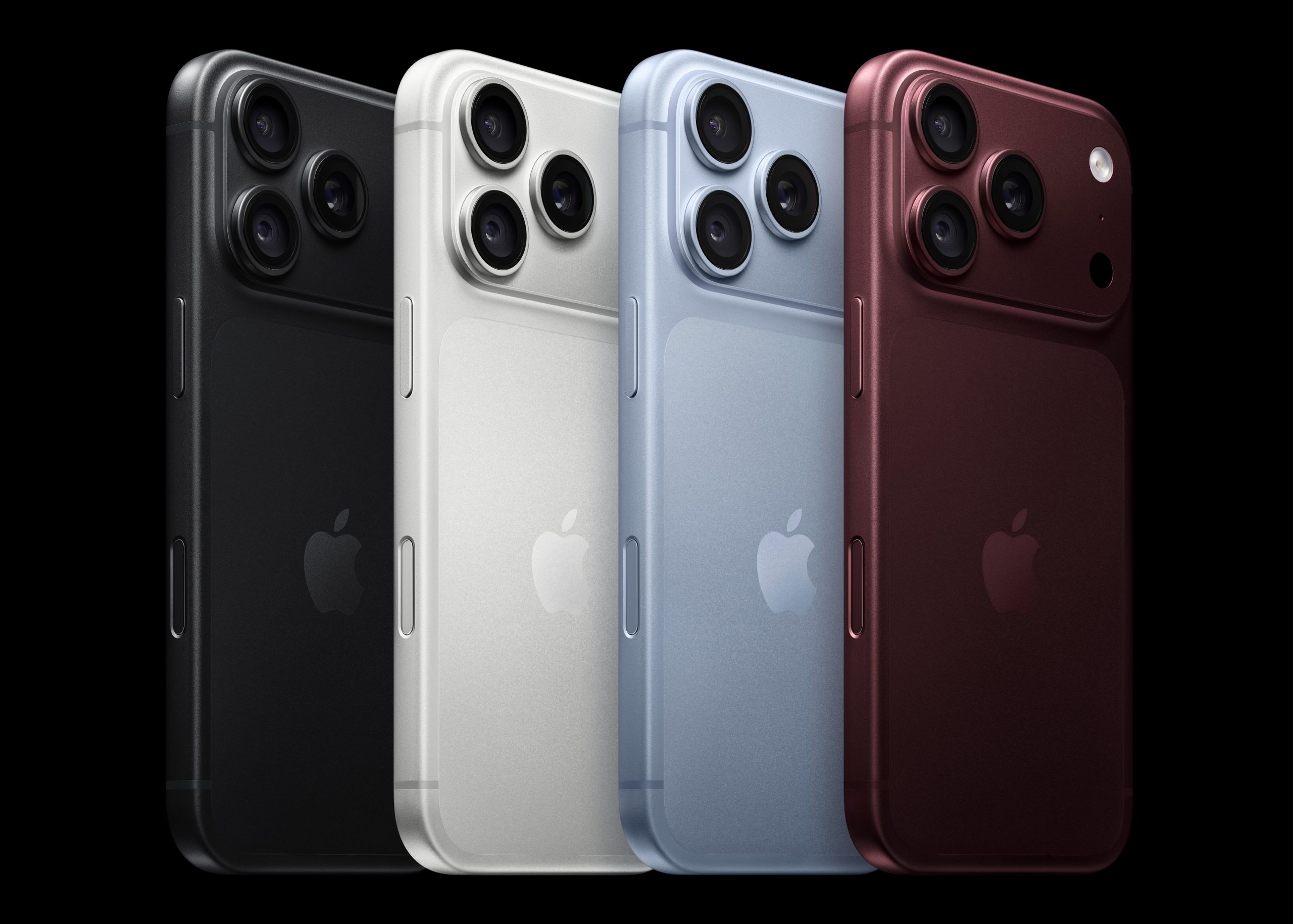

The phenomenon is not confined to Apple’s earliest years. Someone investing US$799 alongside an iPhone 12 in October 2020 would hold approximately US$2,260 today. The same investment alongside the iPhone 13 in 2021 would be worth roughly US$1,758.
The iPhone 14 equivalent from 2022 would be around US$1,705. An iPhone 15-sized investment from September 2023 would now be approximately US$1,461, and even the US$799 invested alongside an iPhone 17 just under a year ago would have risen to about US$1,030, based on the September 9 closing price.
That is around a 29 per cent increase in less than a year – although short periods of stock-market performance can reverse quickly and should not be treated as an expected annual return. Historical launch-day prices used in these calculations are split-adjusted, allowing Apple’s multiple stock splits to be compared consistently.
The lesson is not that people should have skipped buying iPhones
It is easy to look at US$43,000 or US$45,000 and conclude that purchasing the smartphone was a financial mistake. That would miss the point of this article. A smartphone provides utility immediately – communication, work, photography, navigation, entertainment and access to digital services, but shares do not inherently replace that utility.
Nor was Apple stock an obvious guaranteed winner in 2007. Investors had to endure major market crashes, company-specific concerns, product-cycle fears, China-related risks, regulatory pressure and repeated periods when commentators questioned whether Apple could continue growing. The calculation also benefits from hindsight: we know today that Apple became one of the world’s most valuable companies, and investors buying shares in unsuccessful technology companies from the same era could have experienced very different outcomes.
Instead, the comparison illustrates two very different ways money interacts with technological progress. A consumer buys the output of a company and An investor owns a fraction of the company producing that output.
One normally depreciates, while the other has the potential to participate in future profits, cash flows, buybacks and growth.
The most valuable Apple product may have been Apple itself
Apple’s journey from the US$499 original iPhone to a US$1,999 foldable is often presented as a story of smartphones becoming dramatically more expensive, but the reality is subtler. Once inflation is considered, the US$799 mainstream iPhone of recent years costs almost exactly what Apple’s first US$499 handset would cost in today’s money. What has changed dramatically is the upper end of Apple’s pricing architecture.
The iPhone X proved consumers were willing to pay around US$1,000 for a premium smartphone, Pro and Pro Max models expanded that strategy, and the iPhone Duo now tests whether Apple’s most committed customers will go all the way to US$1,999.
Yet the most extraordinary number from the past 19 years is not the price of the phones, but the value of the business selling them. A hypothetical consumer who matched one annual iPhone purchase with an equal investment in Apple stock would have invested around US$13,381 in the company. Today, that stake would be worth approximately US$239,526, before dividends. For all the attention generated by each new iPhone, the most financially valuable Apple product available to consumers over the past two decades may not have been an iPhone at all – it may simply have been a piece of Apple itself.
This analysis is illustrative and does not constitute investment advice. Past share-price performance does not guarantee future returns.