News
Made by Google 2026: Top 10 Biggest Launches You Need to Know – From the New Pixel 11 to a Life-Saving AI Watch

Google’s latest hardware offensive includes four Pixel 11 smartphones, its first-ever tracking tag, a smarter Pixel Watch, upgraded earbuds and a growing collection of Gemini-powered features. Here are the biggest announcements from Made by Google 2026.
Google has unveiled one of its most extensive Pixel portfolios yet, placing artificial intelligence, photography, health monitoring and cross-device connectivity at the centre of its 2026 hardware strategy.
The Made by Google 2026 event introduced the Pixel 11, Pixel 11 Pro, Pixel 11 Pro XL and Pixel 11 Pro Fold, alongside the Pixel Watch 5 and Google’s first finder tag. The company also announced major software upgrades for its existing Pixel Buds and new integrations that allow Gemini to interact with more third-party services.
*All stock imagery are courtesy of Google Blog.
Here are the 10 biggest announcements from Google’s latest launch.
1. Google has launched four Pixel 11 smartphones

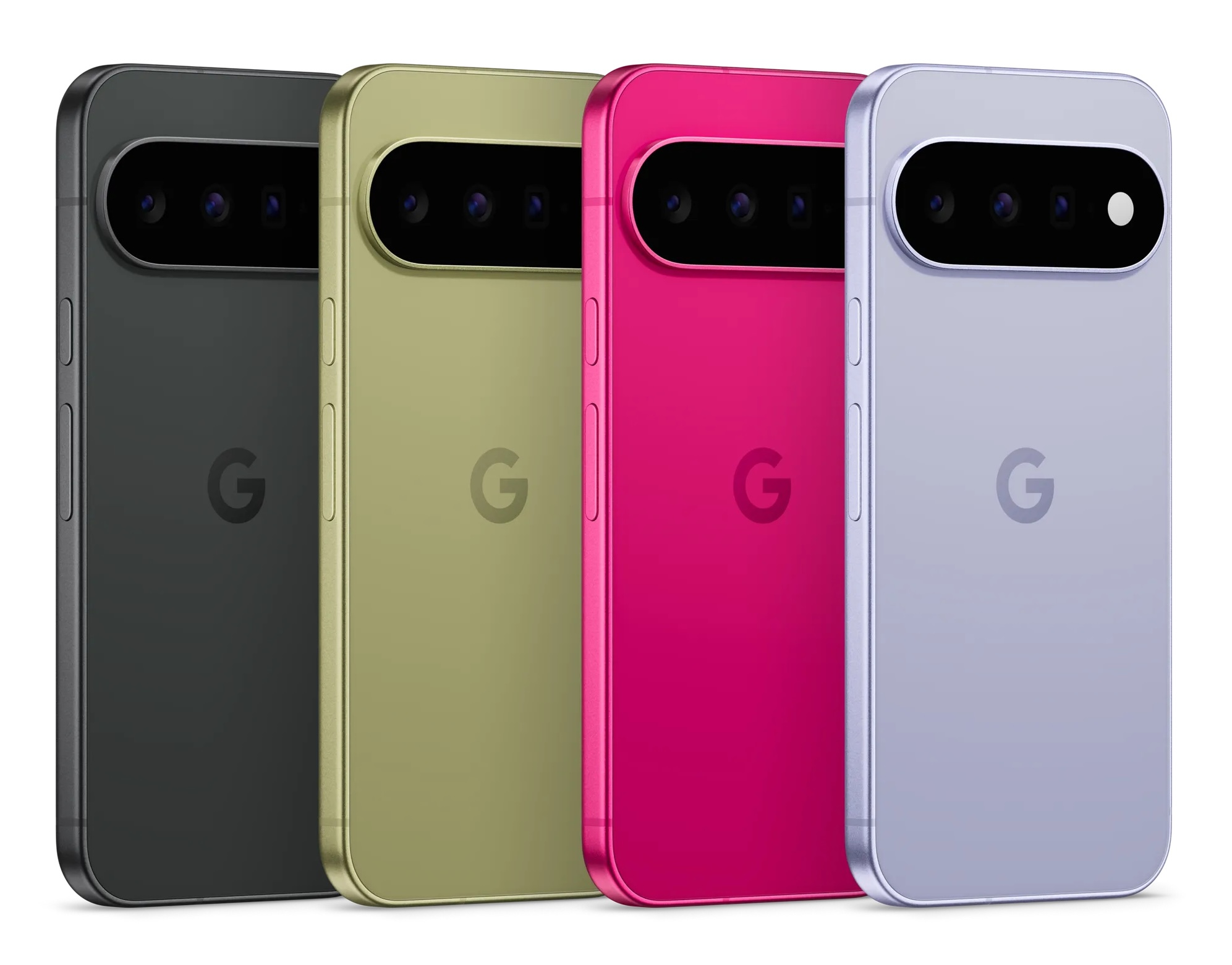
Google Pixel Family
Google’s new smartphone range comprises the following:
- Pixel 11
- Pixel 11 Pro
- Pixel 11 Pro XL
- Pixel 11 Pro Fold
The standard Pixel 11 and the two conventional Pro models use a refined version of Google’s camera-bar design, with edge-to-edge glass running across the rear camera assembly. Google says the camera bar on the Pixel 11 is 40 per cent thinner than on previous base-model Pixel phones.
The Pixel 11 features a 6.3-inch Actua OLED display with a resolution of 1,080 by 2,424 pixels, a refresh rate of between 60Hz and 120Hz and peak brightness of up to 3,000 nits. It has 12GB of RAM and is offered with 256GB or 512GB of storage.
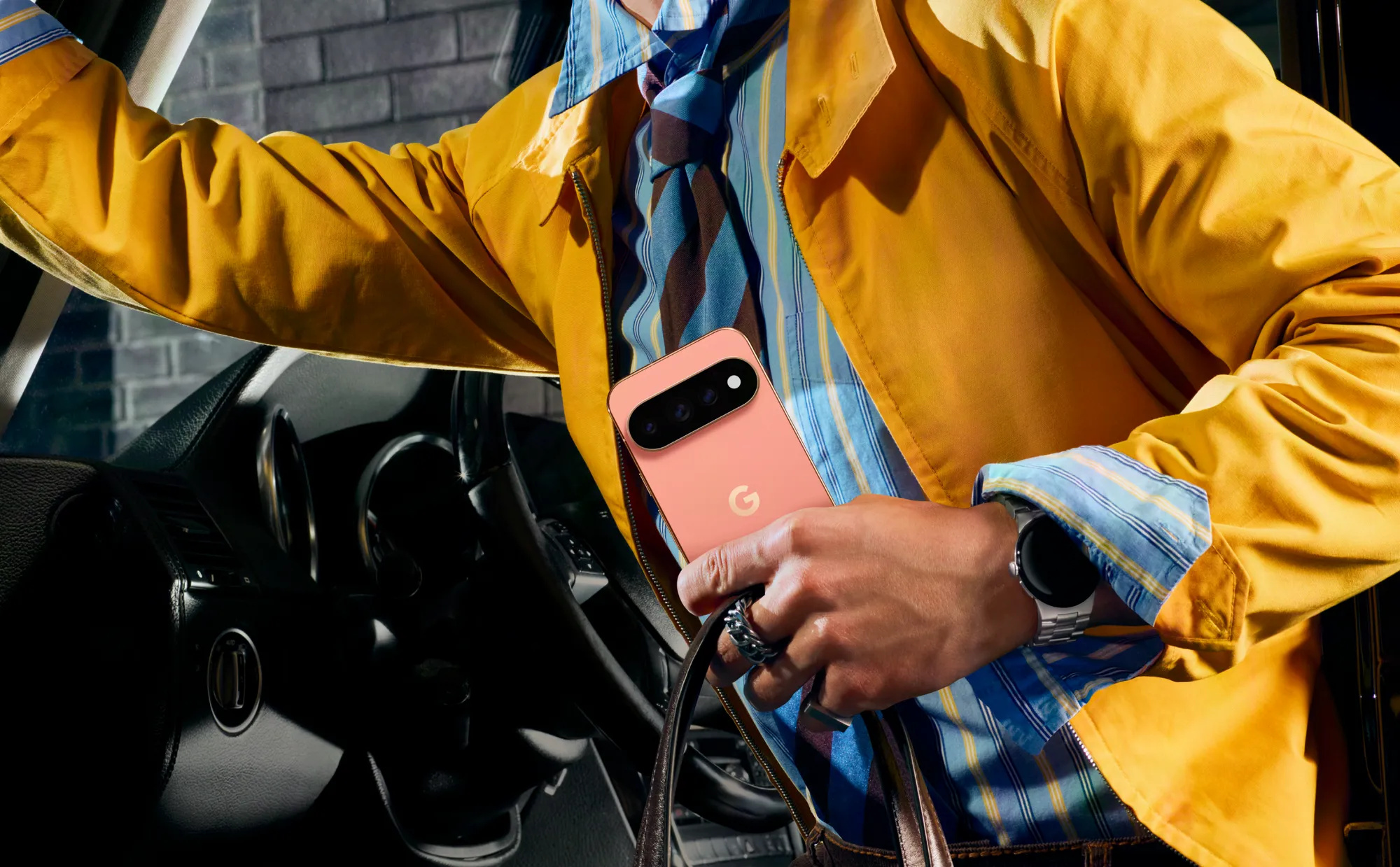

The Pixel 11 Pro also carries a 6.3-inch display, but upgrades to an LTPO Super Actua panel capable of dynamically adjusting between 1Hz and 120Hz. The larger Pixel 11 Pro XL has a 6.8-inch LTPO display. Both Pro screens can reach a peak brightness of 3,600 nits and have a new anti-scratch coating.
All three models are IP68-rated for dust and water resistance, launch with Android 17 and are promised seven years of operating-system, security and Pixel Drop updates.
Pixel 11 Series Dimensions & Key Specifications
| Model | Dimensions | Weight | Display | Battery | Starting US price |
|---|---|---|---|---|---|
| Pixel 11 | 152.8 × 72 × 8.6mm | 197g | 6.3-inch OLED, 60–120Hz | 4,985mAh typical | $899 |
| Pixel 11 Pro | 152.7 × 71.9 × 8.4mm | 204g | 6.3-inch LTPO OLED, 1–120Hz | 4,850mAh typical | $1,099 |
| Pixel 11 Pro XL | 162.7 × 76.5 × 8.5mm | 226g | 6.8-inch LTPO OLED, 1–120Hz | 5,115mAh typical | $1,299 |
| Pixel 11 Pro Fold | Folded: 155.2 × 76 × 10.1mm; unfolded: 155.2 × 150.4 × 5mm | 239g | 6.5-inch outer and 8-inch inner displays | 4,806mAh typical | $1,899 |
*Prices are Google’s US launch prices before trade-ins. Pricing and configurations vary by country.
2. Tensor G6 brings faster AI and stronger security
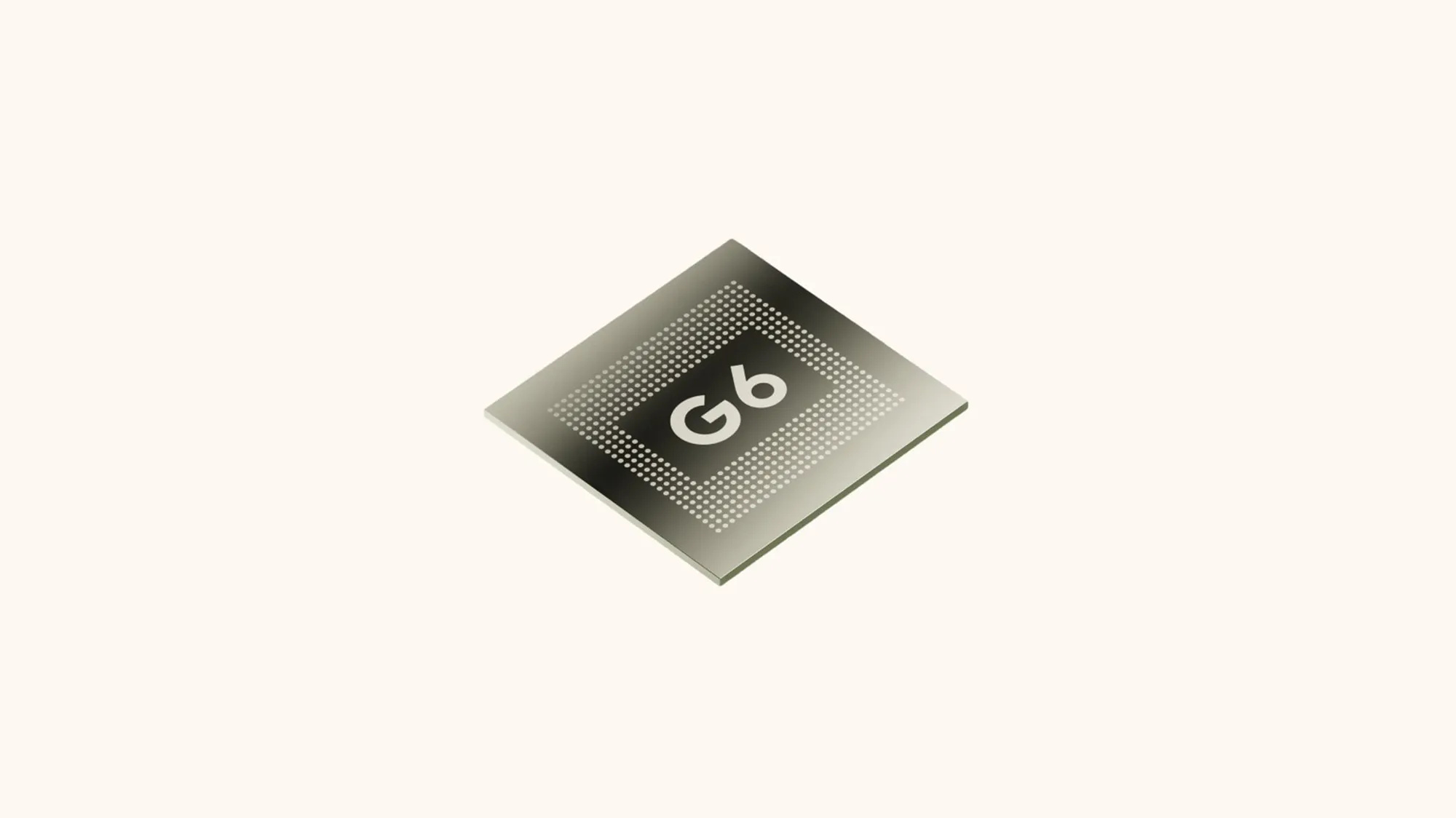

Every Pixel 11 phone is powered by Google’s new Tensor G6 processor, paired with the Titan M3 security coprocessor and the latest Gemini Nano model.
According to Google, Tensor G6 provides 25 per cent faster web browsing and 15 per cent quicker application launches compared with Tensor G5 at launch. It also offers 50 per cent more TPU computing capability.
The company claims on-device AI tasks can be processed up to 3.5 times faster while consuming up to 3.5 times less energy. These improvements power several of the new phones’ photography, translation and Gemini features.
Google has also introduced what it describes as quantum-safe secure boot protection through the combination of Tensor G6 and Titan M3. This is intended to protect the device’s boot process against current threats and future attacks involving quantum computers.
3. Pixel 11 gets a telephoto camera while the Pro models reach 120x zoom

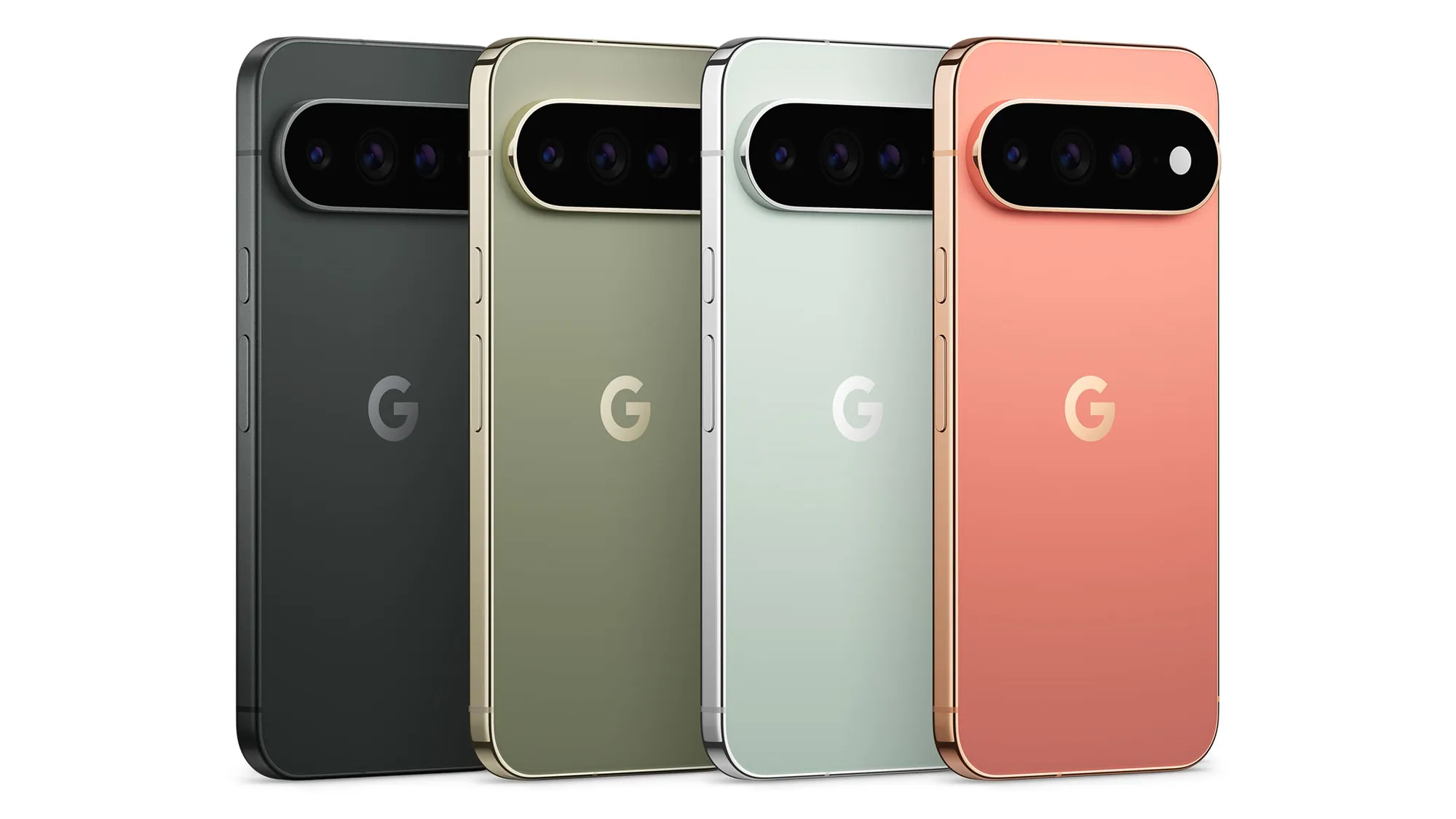
Google Pixel 11 Pro XL Family
The standard Pixel 11 now has a triple-camera system consisting of:
- A 48MP wide camera with an f/1.70 aperture
- A 13MP ultrawide camera
- A 10.8MP telephoto camera with 5x optical zoom
- Super Zoom of up to 30x
- A 10.5MP autofocus front camera
Google claims the larger 48MP main sensor provides 56 per cent greater light sensitivity than the previous generation.
The Pixel 11 Pro and Pro XL use the same three-camera configuration: a 50MP wide camera, 48MP ultrawide camera and upgraded 48MP 5x telephoto camera. The telephoto sensor is 30 per cent more light-sensitive than the previous generation and supports 5x Portrait Mode.
With computational processing from Tensor G6, the Pro phones offer Pro Zoom of up to 120x. They can also record 8K video at 24 or 30 frames per second using the cloud-assisted Video Boost feature. Their 42MP autofocus front cameras have a 103-degree field of view.
Google says Instant Night Sight on the Pro models can capture Night Sight photographs up to 4.5 times faster than the Pixel 8, 9 and 10 series.
4. Magic Capture could change how people photograph fast-moving moments
One of the most prominent new camera features is Magic Capture, which uses on-device intelligence and Gemini models to analyse approximately 400 frames during a typical capture session.
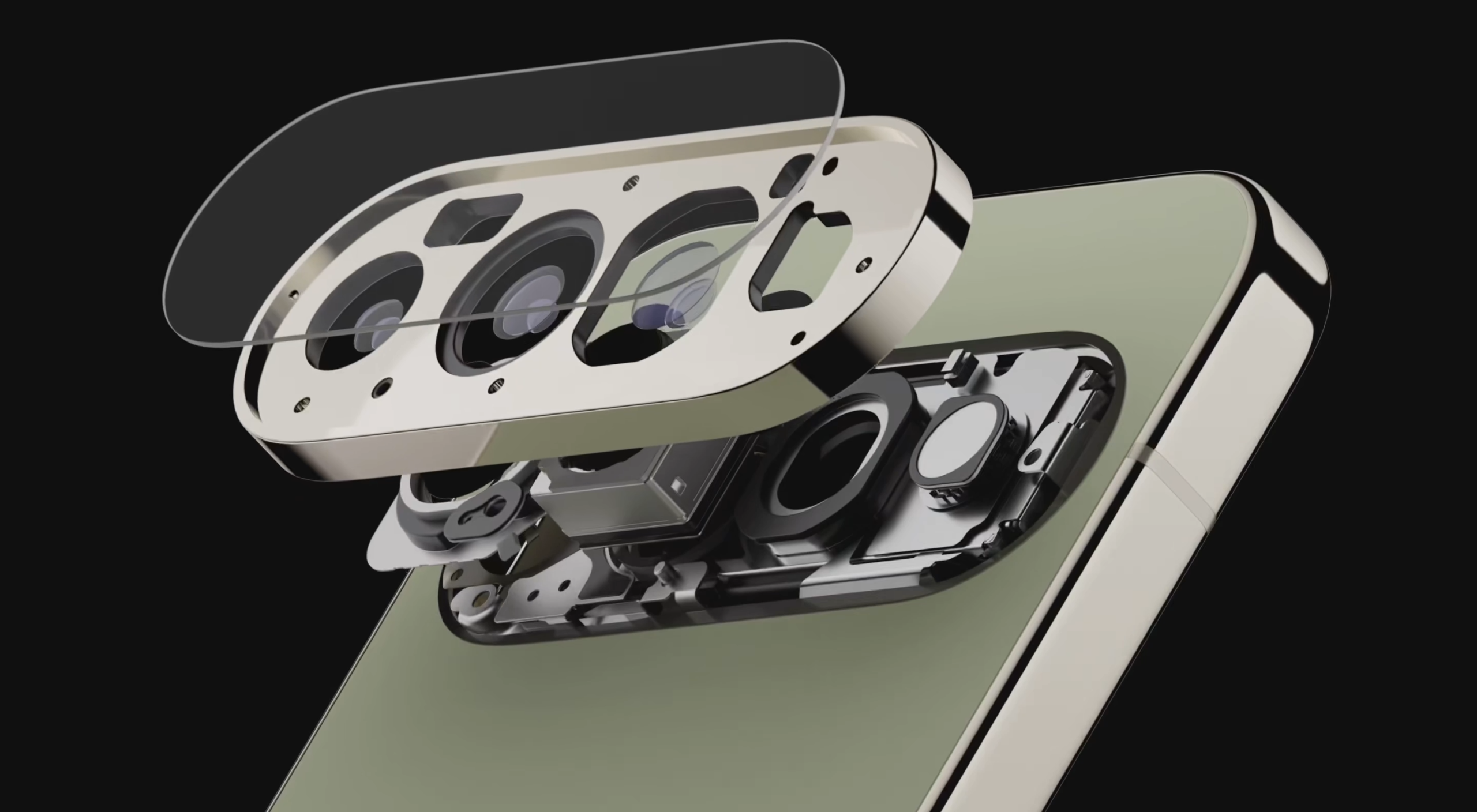

It selects and produces well-timed 12MP images while also recording a video. The system can automatically crop or unblur the selected photographs, reducing the need to switch repeatedly between photo and video modes.
Google is also introducing Camera Looks, allowing users to select and customise an image style before pressing the shutter. Default alternatives include Natural, Shadows and Vanilla, while six additional options – Digi, Black Tie, Minimal, Editorial, Classic and Velvet – provide more stylised results.
The new Creator Suite adds an on-screen teleprompter that moves as the user speaks, social-media framing guides, project folders and a Storyboard tool for trimming and rearranging recorded clips.
Other additions include Circle to Search within the camera viewfinder and on-device Live Translate capable of dubbing supported audio and video into another language. Availability varies according to language, country, application and device.
Here’s a complete Google’s Pixel 11 feature breakdown from the Google ecosystem.
5. HiLight turns the camera flash into a notification system
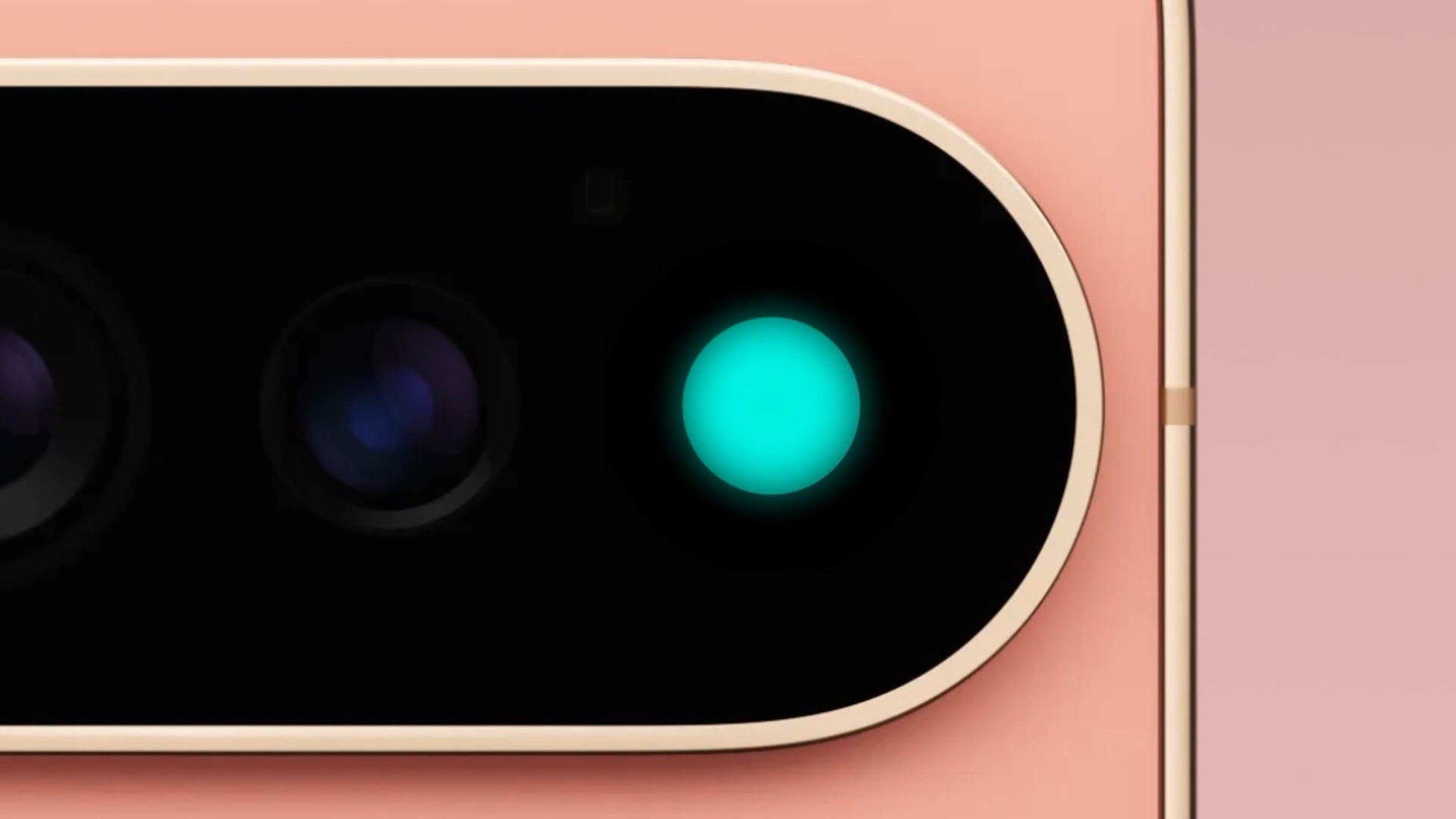

The Pixel 11 Pro, Pixel 11 Pro XL and Pixel 11 Pro Fold introduce a new feature called HiLight.
It uses coloured LEDs arranged around the camera flash to provide glanceable alerts when the phone is placed face down. HiLight can display different light patterns when Gemini is listening, processing a request or responding.


Users can also assign colours to specific contacts for incoming calls. Google says future updates will expand HiLight to include features such as message notifications from selected contacts.
The system is designed to communicate useful information without requiring users to turn over or unlock their phones.
6. Pixel 11 Pro Fold is thinner, lighter and three times more durable
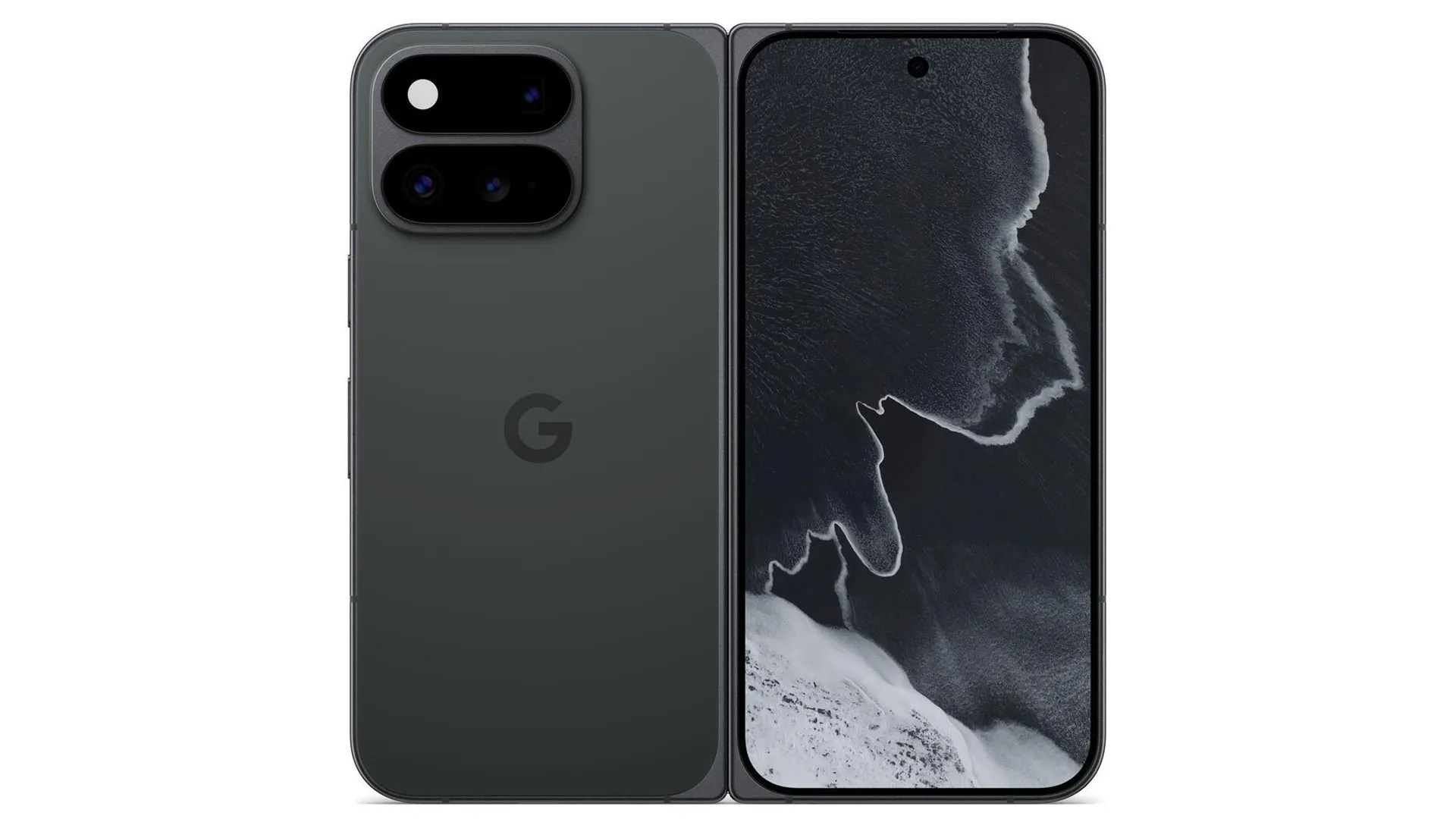
Google’s fourth new phone is the Pixel 11 Pro Fold, which has a 6.5-inch outer Super Actua display and an 8-inch internal Super Actua Flex display. Both are LTPO OLED panels with refresh rates between 1Hz and 120Hz and peak brightness of up to 3,600 nits.
The device measures 10.1mm thick when folded and 5mm when unfolded, while weighing 239g. Google says it is almost 10 per cent lighter and around 1mm thinner than the Pixel 10 Pro Fold.
Its new gearless hinge, ceramic outer-display glass and glass-fibre composite back help make it three times more durable than the previous model, based on Google’s internal pre-production testing. It retains an IP68 rating, although this does not mean the phone is waterproof or immune to drop damage.
The foldable has 16GB of RAM and comes with 256GB, 512GB or 1TB of storage. Its 4,806mAh typical battery supports 30W wired charging and Qi2.2-certified Pixelsnap wireless charging at up to 25W.
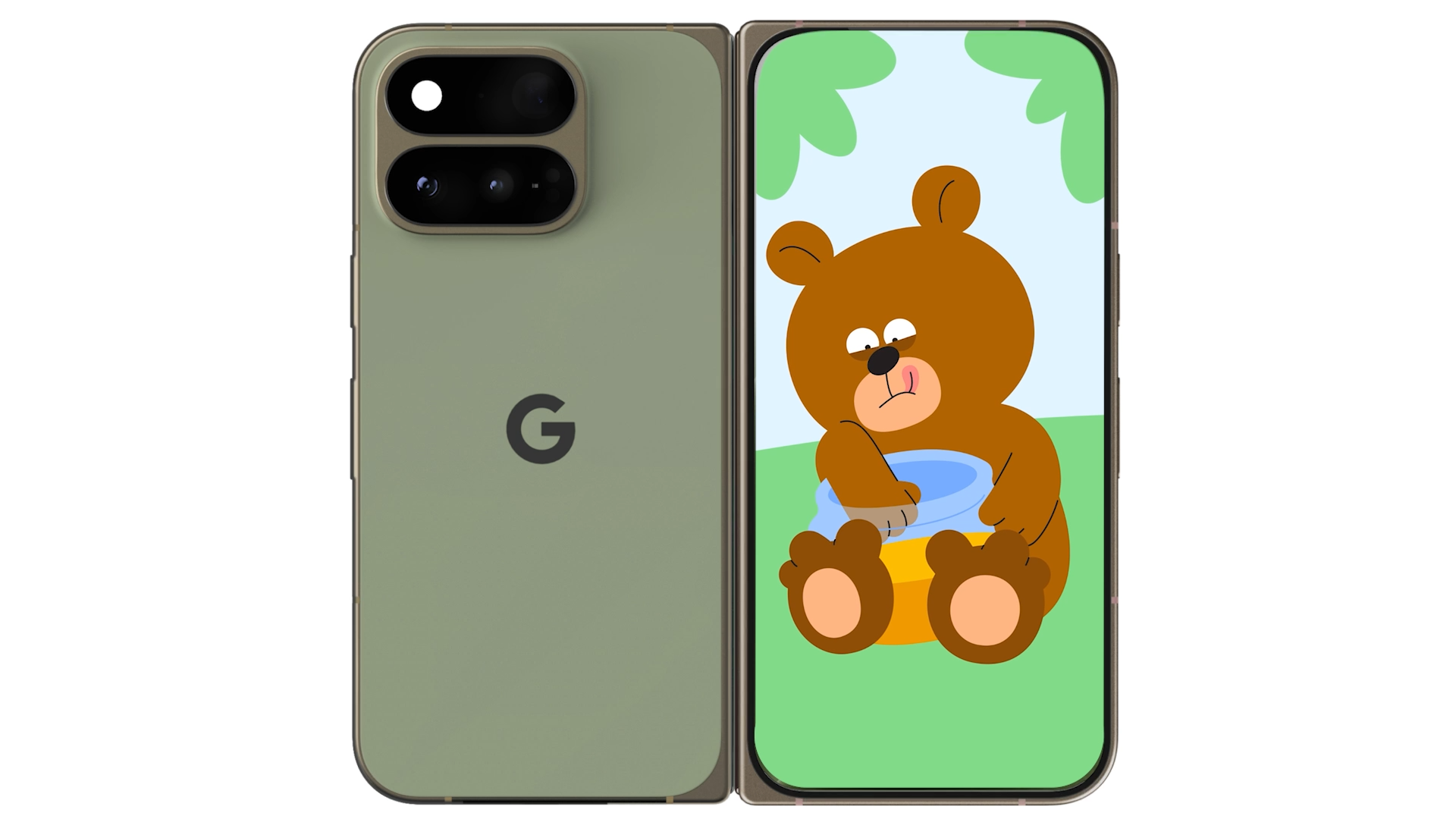
Its rear camera system combines a 48MP main camera, 10.5MP ultrawide and 10.8MP 5x telephoto, with Super Zoom of up to 30x.
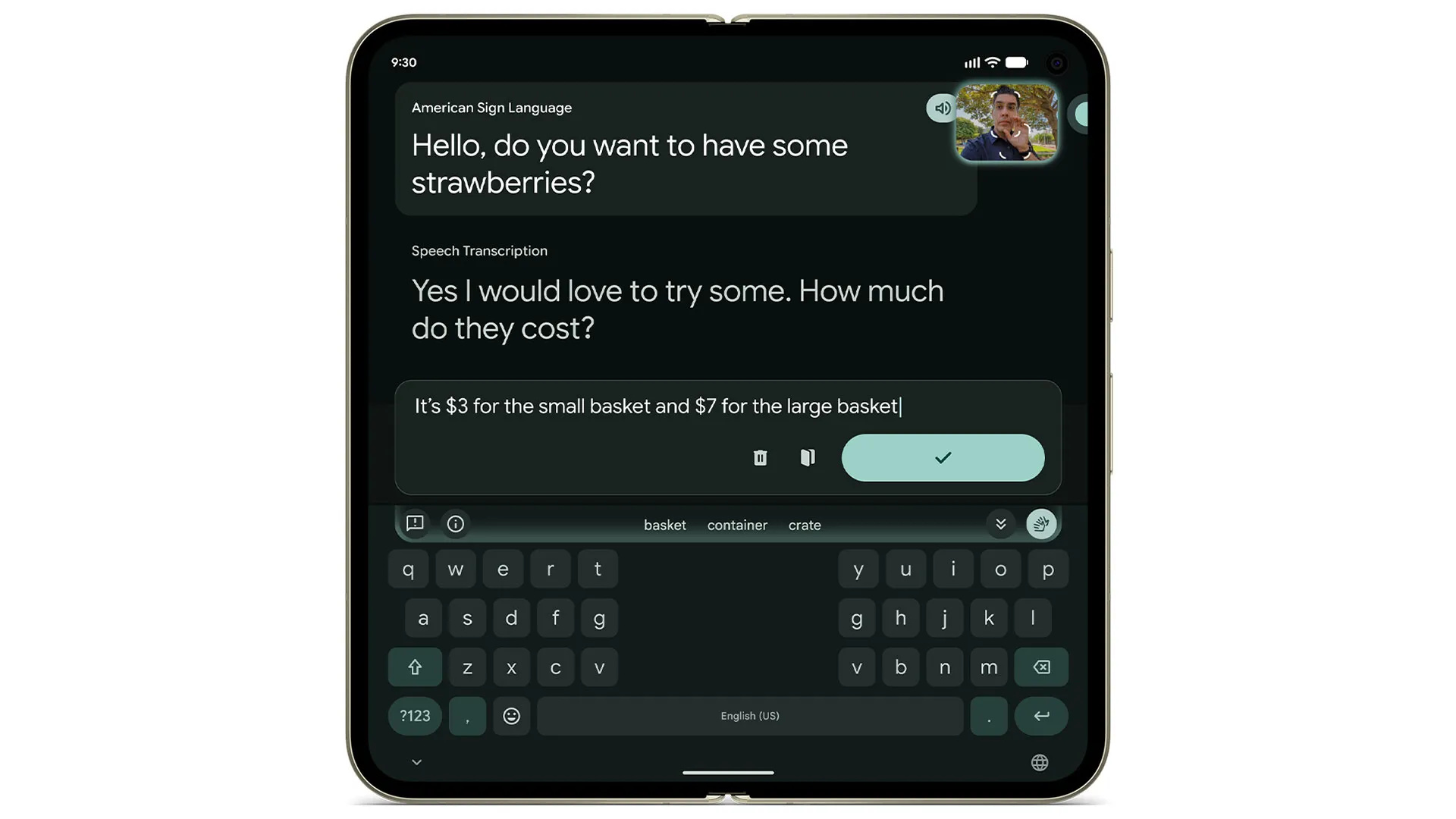
The dual-display format also supports sign-to-text functionality. A user can sign in American Sign Language towards the front camera while the translated text appears on the outer screen. Availability and language support are limited.
7. Pixel Watch 5 can provide assistance before users ask for it
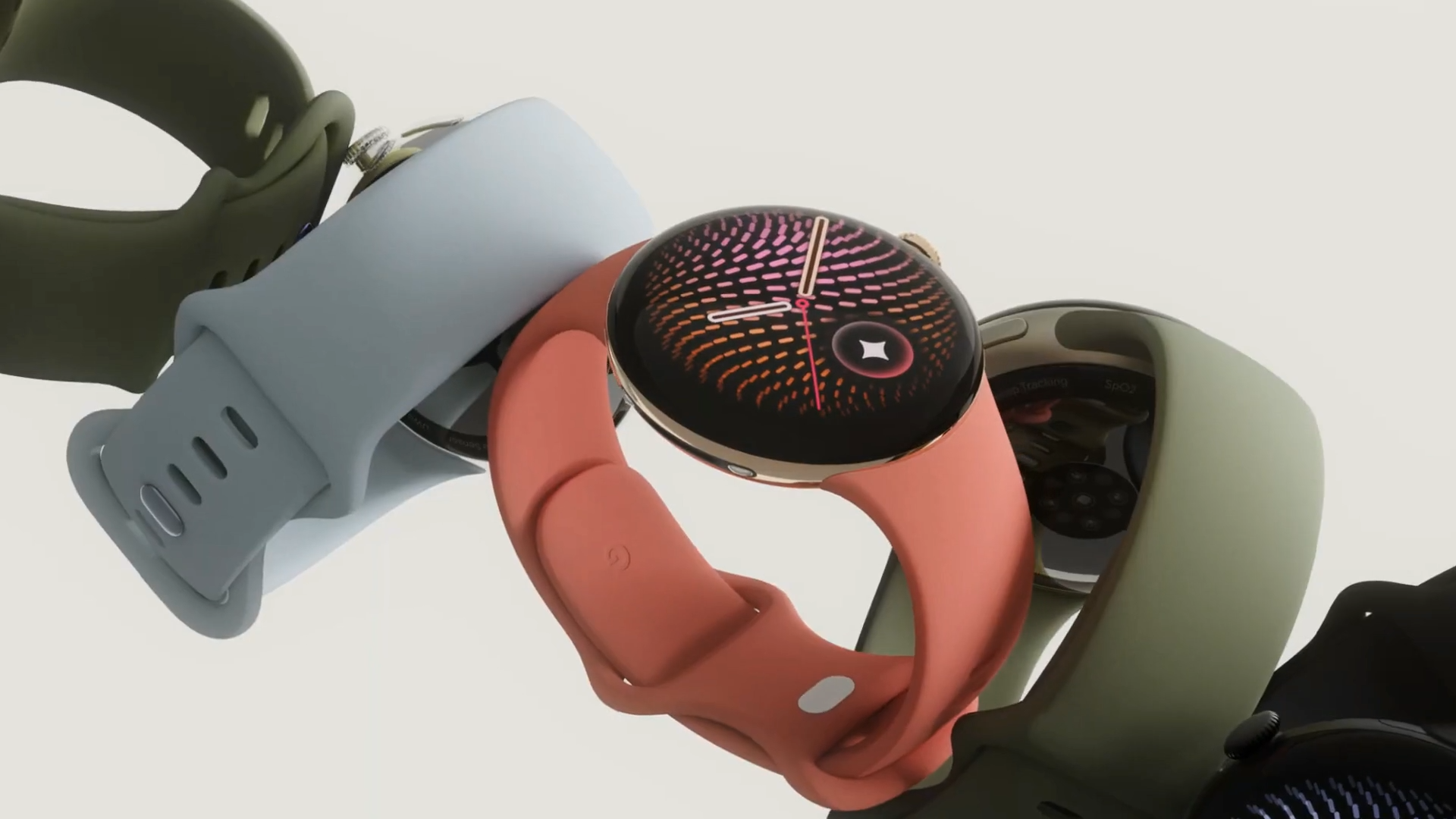
Google’s Pixel Watch 5 is available in 41mm and 45mm sizes, both measuring 12.3mm thick. The 41mm model weighs 31g without its band, while the 45mm version weighs 36.7g.
Both use a 3,000-nit Actua 360 LTPO AMOLED display capable of moving between 1Hz and 60Hz. They are powered by the Qualcomm Snapdragon W5 Gen 2 Accelerated processor, have 64GB of storage and run Wear OS 7.
The 41mm model offers up to 30 hours of use with the always-on display enabled, while the 45mm version extends this to 40 hours. Battery Saver estimates rise to 48 and 72 hours, respectively.
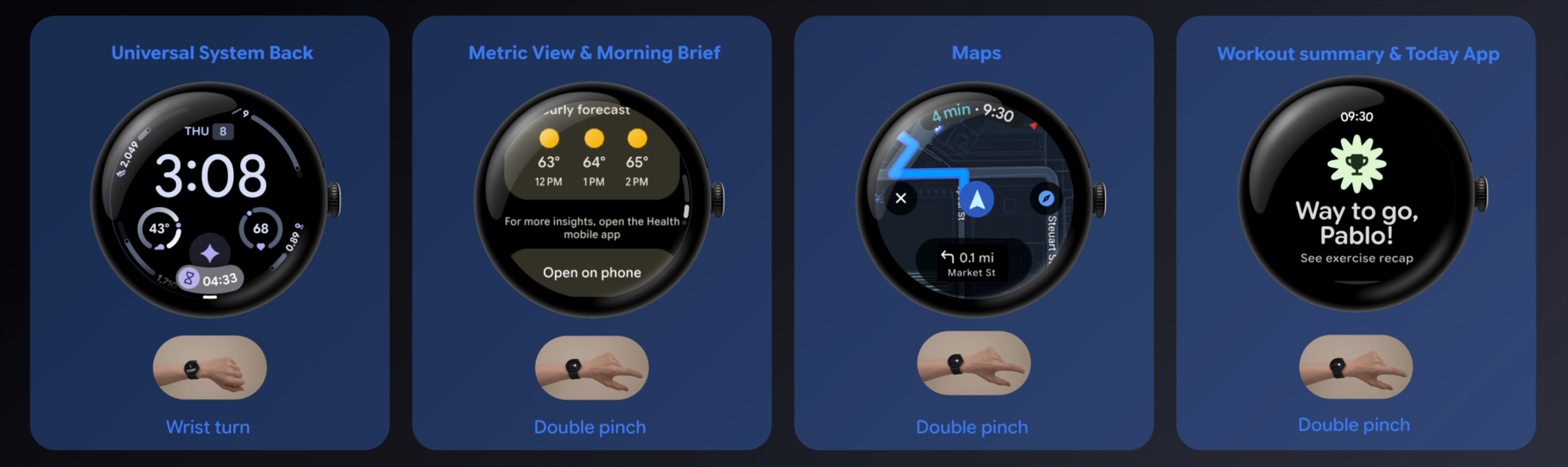

At a Glance can surface information such as boarding passes or public-transport stops at the appropriate time. An improved Raise to Talk feature processes selected Gemini actions on the device with lower latency, including when offline.
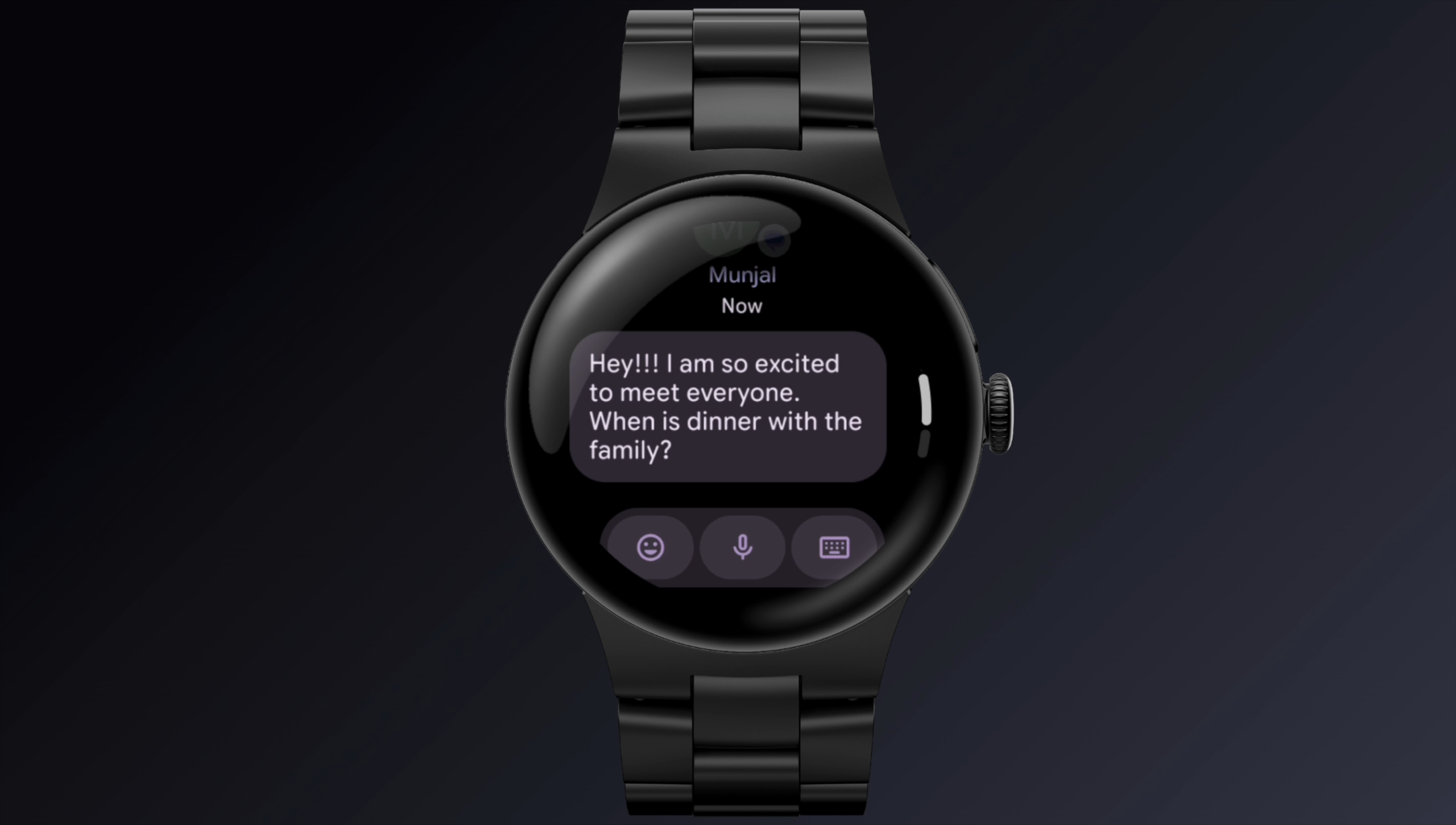
Gemini can also find relevant information from connected services and display a suggested action. Users can respond to supported suggestions with a double-pinch gesture.

Google says the Watch 5 provides twice the GPS accuracy of earlier Pixel Watch generations in challenging environments. Its positioning system combines dual-frequency GPS, Google Maps’ 3D building data, weather-station information and AI-based corrections.
Prices begin at $399 for the 41mm model and $429 for the 45mm model in the US. A Stephen Curry Special Edition is priced at $579.
8. The watch could call emergency services if a user stops breathing
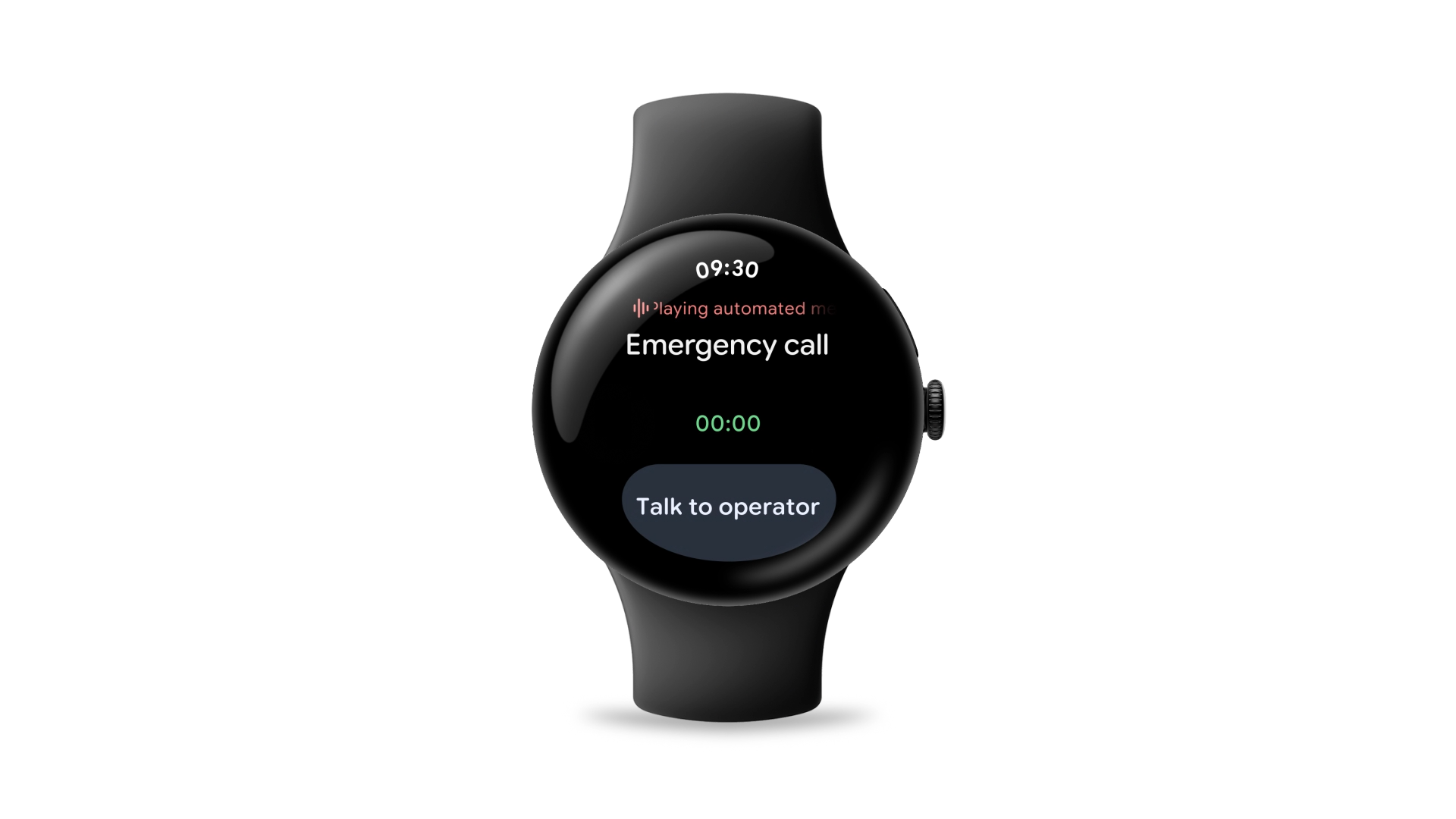
Pixel Watch 5 introduces new Health Guardian capabilities, including insulin-resistance trends, blood-pressure trends and sleep-breathing-quality trends. These are intended as general wellness tools and do not replace clinical tests, blood-pressure monitors or professional medical advice.
The most significant safety addition is breathing emergency detection. The opt-in system analyses heart rate, motion, altitude and blood-oxygen signals. If it detects a critical oxygen drop and the wearer appears unresponsive, it triggers vibrations, a visual warning and an audible alarm.
If the user does not cancel the alert before the countdown expires, a connected phone or LTE-enabled watch can call emergency services and share the person’s location. Emergency contacts can also be notified.
However, the feature carries important limitations. It may not detect every breathing emergency, cannot diagnose or treat a condition and will not detect an incident after the wearer has been asleep for more than 30 minutes. At launch, it is available on Pixel Watch 4 and 5 in selected European countries and has not been cleared or evaluated by the US Food and Drug Administration. Google has not announced availability for Oman.
9. Google has finally launched its own AirTag rival


The Google Pixel Tag is the company’s first finder tag. It can be attached to keys, placed in a wallet or carried inside luggage and located through Google’s Find Hub network of more than one billion Android devices.
The stainless-steel tracker measures 46.1 × 28 × 5.4mm and weighs 11.8g. It carries an IP67 rating and uses a user-replaceable CR2032 battery rated to last for more than one year, depending on usage.
It supports Bluetooth Channel Sounding and Ultra-Wideband for precision finding. Users can make the tag play a sound or press its physical button to ring a misplaced phone, including when the phone is on silent.
Pixel Tag can be shared with up to 10 people and works with Android phones running Android 9 or later. Google also says Android devices can warn their owners when an unknown tracker appears to be moving with them.
The Pixel Tag will reach stores on November 11, priced at $29 for one or $99 for a four-pack in the US.
10. Pixel Buds get smarter – and Gemini connects with more services
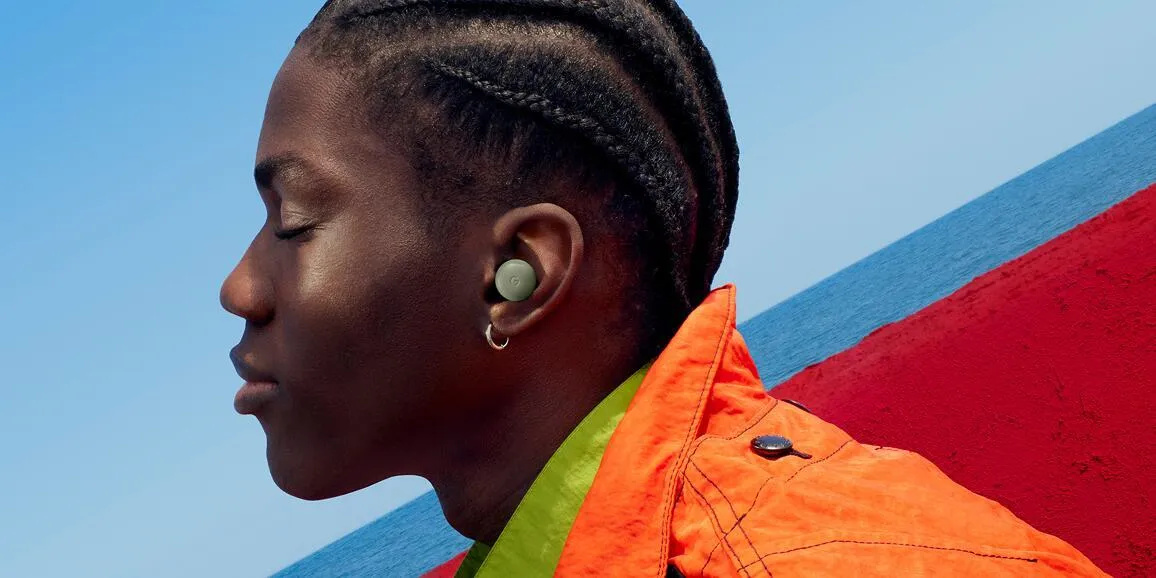

Google did not launch a new generation of Pixel Buds at the event. Instead, it announced software upgrades for the existing Pixel Buds Pro 2 and Pixel Buds 2a, alongside a new Olive colour for the Pro 2.
The updates include:
- Dynamic active noise cancellation that responds to changes in the earbud seal
- Gemini-powered audio controls, including voice commands to adjust bass
- Sleep synchronisation with Pixel Watch
- Upgraded Live Translate supporting more than 70 languages
When a compatible Pixel Watch detects that the wearer has fallen asleep, it can pause the audio, deactivate touch controls and silence notifications. The software update is scheduled to begin rolling out in September, while the Olive Pixel Buds Pro 2 became available to order on August 12.
Google also announced that Gemini will connect with additional third-party services, including Otter.ai, Wix, Ticketmaster, GetYourGuide, Fever, Pandora, iHeartRadio, Zocdoc, Angi and Thumbtack. Availability will differ by country and service.
Availability
Pre-orders for the Pixel 11, Pixel 11 Pro, Pixel 11 Pro XL, Pixel 11 Pro Fold and Pixel Watch 5 opened on August 12, with general retail availability beginning on August 20 in supported markets.
The Pixel Tag will go on sale on November 11, while the Pixel Buds software updates begin rolling out in September.
Google has not announced official Oman pricing or confirmed local Google Store availability for the new devices. Features involving Gemini, health monitoring, satellite communication, emergency calling and translation may also vary significantly by country, language, network and regulatory approval.