OER Exclusive
India’s rising edge in oil, gas and construction projects is enabling Middle East’s growth

India is emerging as a global EPC and engineering powerhouse, combining technical excellence, cost competitiveness, digital innovation and trusted execution. Rising infrastructure and energy investments across the Middle East, coupled with deep India–Gulf strategic partnerships, position Indian firms to secure a larger share of global oil, gas and construction projects while driving sustainable regional growth.
India’s global economic footprint is no longer defined solely by information technology and pharmaceuticals. Over the past two decades, Indian companies have steadily emerged as trusted partners in delivering large-scale engineering, procurement, construction (EPC), oil and gas, and infrastructure projects worldwide. Today, India’s engineering capabilities are increasingly shaping refineries, petrochemical complexes, gas pipelines, offshore facilities, power plants, airports, metro systems, and industrial infrastructure, particularly in the Middle East.
A new era of Indian Engineering leadership
The evolving global business landscape has further strengthened India’s position. Rising infrastructure investment in the Gulf Cooperation Council (GCC) countries, coupled with economic diversification programmes such as Saudi Arabia’s Vision 2030, the UAE’s industrial expansion strategy, Qatar’s infrastructure modernisation, and Oman and Kuwait’s energy diversification initiatives, has significantly increased demand for efficient, cost-effective and technologically advanced project execution. Indian engineering firms are uniquely positioned to meet this demand by combining technical excellence, competitive pricing, strong project management skills and deep familiarity with the region.

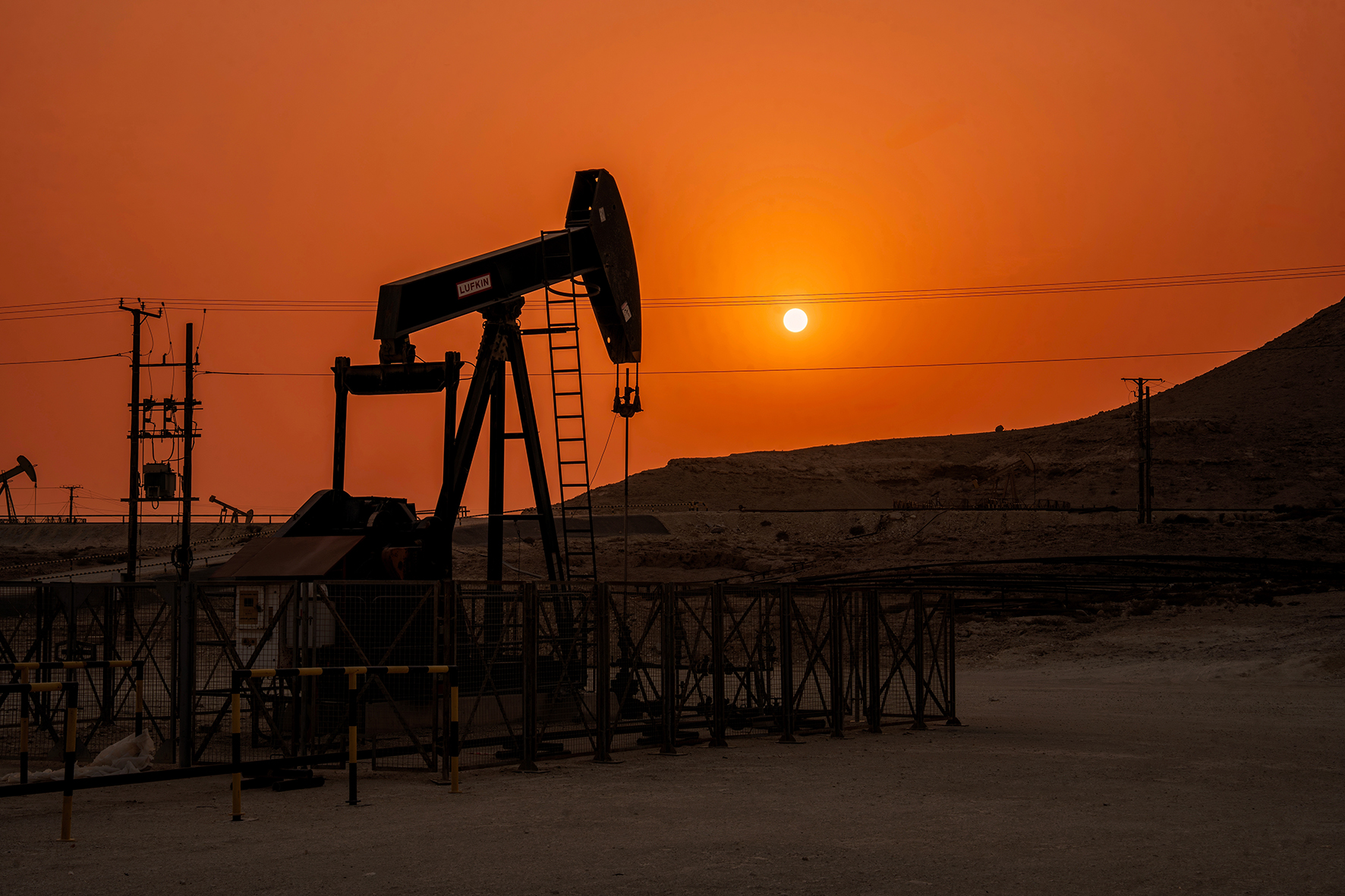
Bahrain, oil field, oil rig, gas, photo, Middle East’s first oil field, 08.08.2025
India emerges as a preferred EPC destination
India has emerged as a global EPC powerhouse, underpinned by a vast pool of engineering talent and advanced digital capabilities. Indian firms deliver end-to-end solutions for oil, gas and infrastructure projects, leveraging AI, BIM and international quality standards to execute complex projects with precision, efficiency and compliance with global standards. India’s Engineering, Procurement and Construction (EPC) sector has evolved into a globally competitive industry, delivering multi-billion-dollar projects across the energy, infrastructure and industrial sectors. Backed by strong engineering expertise, diversified project experience and robust domestic manufacturing under initiatives such as Make in India, Indian EPC firms deliver world-class quality, cost efficiency and on-time execution.
Oil and gas continue to offer immense opportunities
Despite the global energy transition, oil and natural gas remain central to energy security, driving major investments in refineries, petrochemicals, LNG terminals, hydrogen, carbon capture and pipeline infrastructure, particularly in the Middle East. With decades of expertise in refinery expansion, offshore engineering and integrated EPC execution, Indian companies provide technically advanced, cost-effective and timely solutions, making them preferred partners for global energy projects.
Construction boom across the Middle East creates historic opportunities
The Middle East is experiencing an unprecedented infrastructure boom, with substantial investment in smart cities, industrial zones, transport networks, tourism, logistics and clean energy. Saudi Arabia, the UAE, Qatar, Oman, Bahrain and Kuwait are driving demand for world-class EPC services to deliver complex projects efficiently and cost-effectively. Backed by proven expertise, engineering excellence and reliable execution, Indian EPC companies have emerged as trusted partners, consistently delivering high-quality infrastructure projects across the region, even in challenging conditions.
India’s cost competitiveness becomes its biggest strategic advantage
India’s greatest competitive advantage is delivering world-class engineering solutions at highly competitive costs, enabled by skilled talent, efficient project management and a robust domestic supply chain. Compared with European firms, Indian companies offer comparable quality at significantly lower costs. Unlike China, India combines competitive pricing with transparent business practices, flexible partnerships and strong contractual frameworks. Its English-speaking workforce, internationally recognised engineering standards and reliable project execution make Indian EPC firms trusted long-term partners for clients seeking cost-effective, high-quality infrastructure solutions.
India enjoys a clear cost advantage across nearly all major parameters in engineering, oil and gas, and construction. Lead engineering labour costs in India are USD 10.5–16 per hour, compared with USD 15–50 per hour in China and USD 78 per hour in Europe. Onshore drilling costs are USD 350–500 per metre, far below the USD 1,400–2,800 in China. Similarly, pipeline laying costs are USD 524,833 per km, significantly lower than USD 830,000 in China and USD 3.94 million in Europe, underscoring India’s strong global cost competitiveness.
Technology, innovation and sustainability strengthen India’s position
The future of engineering is increasingly shaped by digital technologies, automation and sustainability. Indian companies are rapidly adopting advanced technologies, including digital twins, artificial intelligence, drone-based site inspections, predictive maintenance, Internet of Things-enabled monitoring systems and cloud-based project management platforms. At the same time, Indian engineering firms are building capabilities in emerging sectors such as green hydrogen, carbon capture, offshore wind infrastructure, renewable energy integration and sustainable industrial development. These competencies align closely with the Middle East’s transition to cleaner energy systems while maintaining leadership in conventional hydrocarbons.
As countries across the Gulf diversify their economies, demand is rising for engineering partners capable of integrating traditional energy infrastructure with next-generation clean technologies. India’s expanding expertise positions it well to contribute to this transformation.
India and the Middle East share strong strategic complementarities
The India-Middle East relationship extends far beyond commercial transactions. Energy security, trade, investment, logistics, technology collaboration and human capital have created deep strategic interdependence between the two regions.
India remains one of the largest importers of crude oil and LNG from Gulf countries, while the Middle East views India as a rapidly growing market, an investment destination and a trusted development partner. Over several decades, millions of skilled Indian professionals, including engineers, architects, project managers, technicians and construction specialists, have made significant contributions to the region’s economic development.
These long-standing people-to-people connections have fostered high levels of mutual trust and cultural familiarity. Indian professionals understand regional business practices, regulatory environments and project execution requirements, enabling smoother implementation of complex infrastructure programmes.
Furthermore, initiatives such as the India-Middle East-Europe Economic Corridor (IMEC) could deepen economic integration by strengthening connectivity, logistics networks, industrial cooperation and cross-border investment. Such initiatives could further enhance opportunities for Indian EPC companies across transport, energy, logistics and industrial infrastructure.
Government support and private sector dynamism create a winning combination
India’s policy environment has increasingly supported the internationalisation of engineering companies. Government initiatives to promote exports of engineering goods, infrastructure financing, digitalisation, manufacturing competitiveness and ease of doing business have strengthened the industry’s global capabilities.
At the same time, Indian private-sector companies continue to invest in research and development, advanced manufacturing, international certifications, workforce training, and strategic global partnerships. Their growing presence in overseas markets has enhanced India’s reputation as a dependable engineering destination capable of delivering projects to the highest international standards. The combination of supportive public policy and entrepreneurial dynamism in the private sector has created a strong foundation for sustained expansion into global infrastructure markets.
India poised to become a global engineering powerhouse
The coming decade is expected to see unprecedented investments in energy infrastructure, industrial development, and urban construction across the Middle East. Simultaneously, the global transition towards cleaner energy systems will require enormous investments in both conventional and emerging energy infrastructure.
India has virtually all the ingredients to become one of the world’s leading engineering and EPC destinations: abundant technical talent, internationally competitive project management, strong manufacturing capabilities, cost-efficient execution, digital innovation, and deep strategic partnerships with the Middle East. As Gulf economies diversify and modernise, Indian companies are well placed to play a transformative role in delivering the region’s next generation of infrastructure.
India’s competitive advantage is no longer based solely on lower costs. It increasingly rests on a powerful combination of engineering excellence, technological sophistication, execution reliability and collaborative partnerships. Backed by decades of trusted engagement in the Middle East, Indian EPC firms are well-placed to capture a significantly larger share of global oil, gas and construction projects.