Fashion
The World’s Most Extraordinary Watches: What Makes Them Worth Millions?

From a US$55 million diamond masterpiece to a rare Rolex commissioned by the Late Sultan Qaboos (May he Rest in Peace), the world’s most extraordinary watches reveal how exceptional craftsmanship, historic provenance, mechanical ingenuity and extreme scarcity can transform a timepiece into a multimillion-dollar collectible.
When smartphones and digital devices have made mechanical timekeeping almost entirely unnecessary, the most extraordinary watches continue to command prices that rival luxury residences, private jets and important works of art.
These are creations whose significance extends far beyond their ability to measure hours and minutes, representing an extraordinary convergence of engineering, artistic craftsmanship, precious materials and historical importance that appeals to some of the world’s wealthiest collectors.
While the international luxury watch industry is built around prestigious names such as Patek Philippe, Rolex, Vacheron Constantin, Audemars Piguet and Richard Mille, the uppermost tier of collecting operates according to a different set of rules.
A watch produced in extremely limited numbers, commissioned for royalty, associated with a cultural icon or incorporating a remarkable mechanical invention can command a price many times greater than its original retail value, particularly when several of these characteristics come together in a single example.
The economics of these extraordinary creations are equally fascinating because the most expensive watch ever advertised is not necessarily the most expensive watch ever sold.
Some of the world’s highest-priced timepieces are elaborate jewellery creations with manufacturer-announced valuations, while others have established their worth through competitive bidding at auction houses including Christie’s, Sotheby’s and Phillips. Understanding this is essential when examining the extraordinary figures attached to these objects.

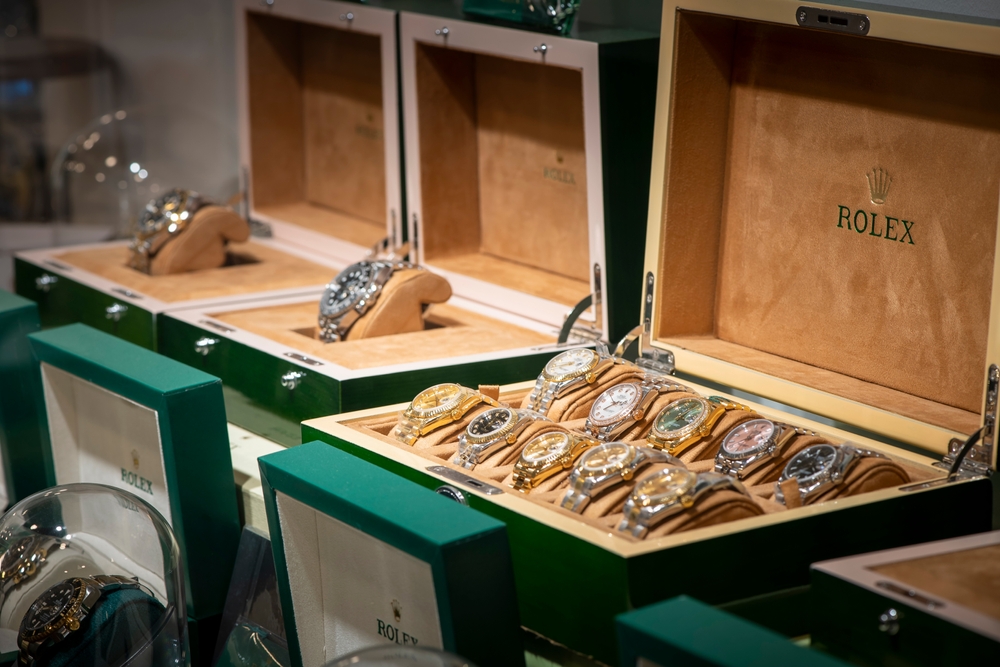
Editorial credit: saeid poorat / Shutterstock.com
For collectors in the Sultanate of Oman, the subject has a particularly compelling historical dimension because the Late Sultan Qaboos bin Said was responsible for commissioning some of the world’s most sought-after Rolex, Patek Philippe and Audemars Piguet watches.
Several of these royal commissions have subsequently appeared at major international auctions, demonstrating how Oman’s heritage occupies a distinctive place within the global market for exceptional timepieces.
The World’s 10 Most Extraordinary Watches
The following selection brings together ten particularly significant watches based on their reported values, confirmed auction results, mechanical achievements, rarity and historical importance. It is an editorial selection rather than a strict ranking of the ten highest auction prices.
| Watch | Price in USD | Approx. price in OMR | Price basis |
|---|---|---|---|
| 1. Graff Hallucination | $55 million | OMR 21.15 million | Published valuation |
| 2. Patek Philippe Grandmaster Chime 6300A | $31.1 million | OMR 11.96 million | Auction sale, 2019 |
| 3. Chopard 201-Carat | $25 million | OMR 9.61 million | Reported valuation |
| 4. Patek Philippe Henry Graves Supercomplication | $23.98 million | OMR 9.22 million | Auction sale, 2014 |
| 5. Jacob & Co. Billionaire Timeless Treasure | $20 million | OMR 7.69 million | Announced price |
| 6. Rolex Daytona ‘Paul Newman’ Ref. 6239 | $17.75 million | OMR 6.83 million | Auction sale, 2017 |
| 7. Patek Philippe Ref. 1518 Stainless Steel | $17.63 million | OMR 6.78 million | Auction sale, 2025 |
| 8. F.P. Journe Chronomètre à Résonance No. 007 | $13.92 million | OMR 5.35 million | Auction sale, 2026 |
| 9. F.P. Journe FFC Prototype | $10.78 million | OMR 4.14 million | Auction sale, 2025 |
| 10. Rolex Daytona ‘The King’ Ref. 6270 | $5.23 million | OMR 2.01 million | Auction sale, 2025 |
Note: Omani rial figures are approximate conversions of the stated US dollar amounts at US$1 = OMR 0.384504, rather than valuations obtained independently in Oman. Auction prices are historical results; manufacturer-announced prices and reported valuations are not evidence of completed transactions.
1. Graff Hallucination
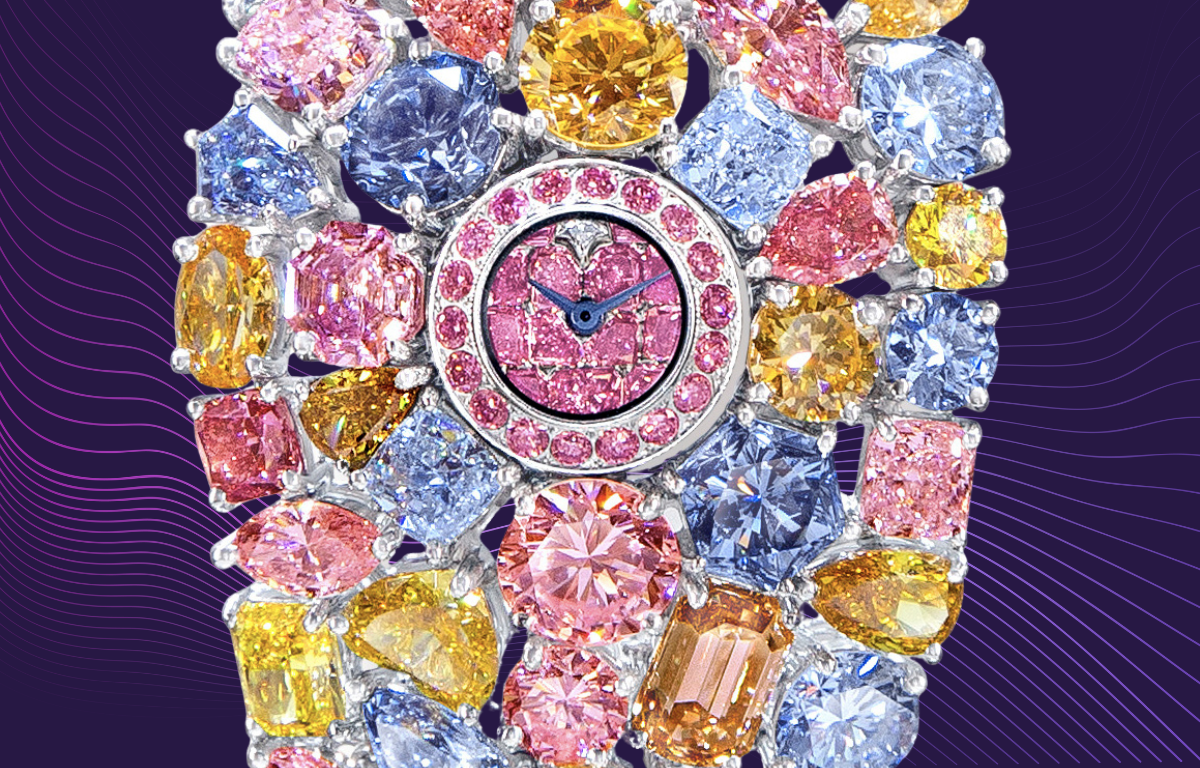

Published valuation: US$55 million | Approximately OMR 21.15 million
Among the world’s most extravagant examples of jewellery craftsmanship, the Graff Hallucination occupies a category almost entirely its own, combining the artistry of an important diamond collection with the functionality of a wristwatch.
Introduced by British luxury jeweller Graff at Baselworld in 2014, the creation carried an extraordinary reported valuation of US$55 million, placing it above virtually every other timepiece in published lists of the world’s most expensive watches.
The Hallucination features more than 110 carats of exceptionally rare coloured diamonds, including pink, blue, yellow and orange stones, arranged in a spectacular mosaic around a comparatively small watch dial. The diamonds were selected for their colour, quality and cut, with the finished bracelet requiring the expertise of specialist gemologists, designers and jewellery craftsmen.
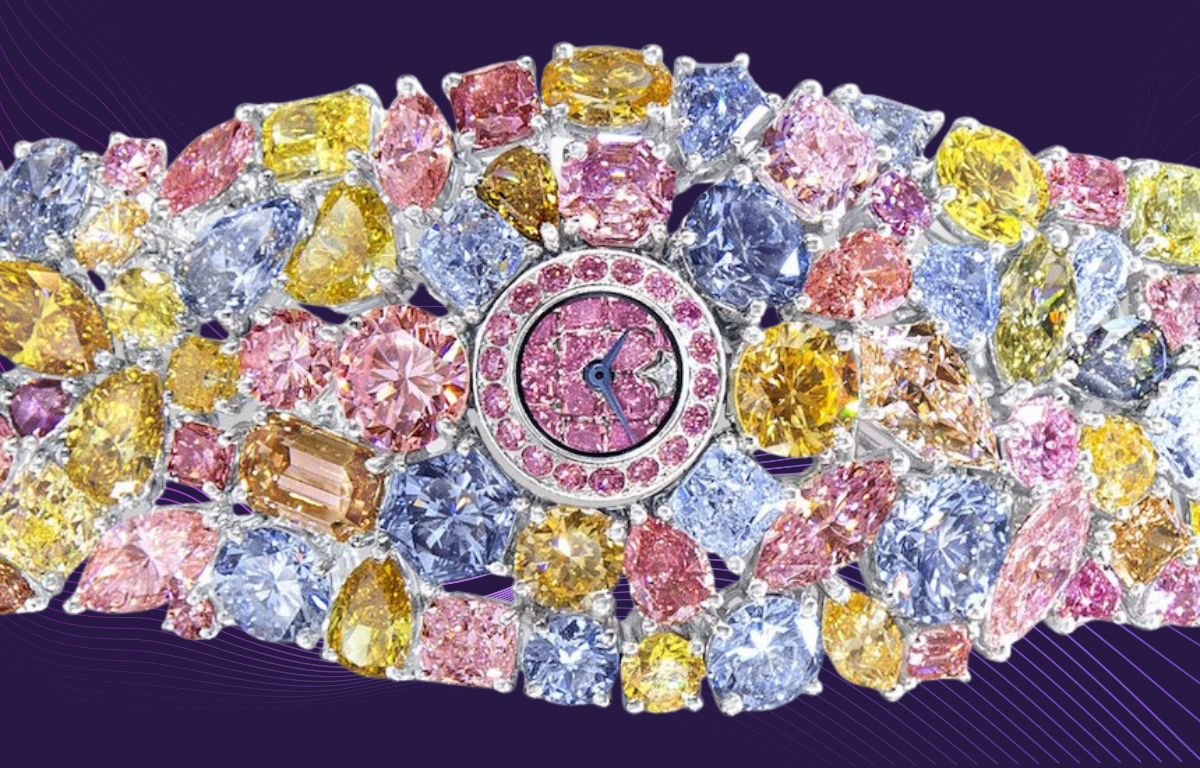
What makes the Hallucination so extraordinary is that its value is driven overwhelmingly by the rarity of its gemstone collection rather than the complexity of its timekeeping mechanism. In conventional watchmaking, collectors frequently place exceptional importance on mechanical movements, complications and historical innovations, but the Graff creation demonstrates how a watch can become an important piece of high jewellery in which the stones themselves are the principal attraction.
The US$55 million figure should nevertheless be understood as a published valuation rather than a verified auction result. There is no publicly documented sale establishing that a buyer has actually paid this amount, making the Hallucination an extraordinary example of jewellery valuation rather than the record holder for the highest confirmed watch transaction.
2. Patek Philippe Grandmaster Chime
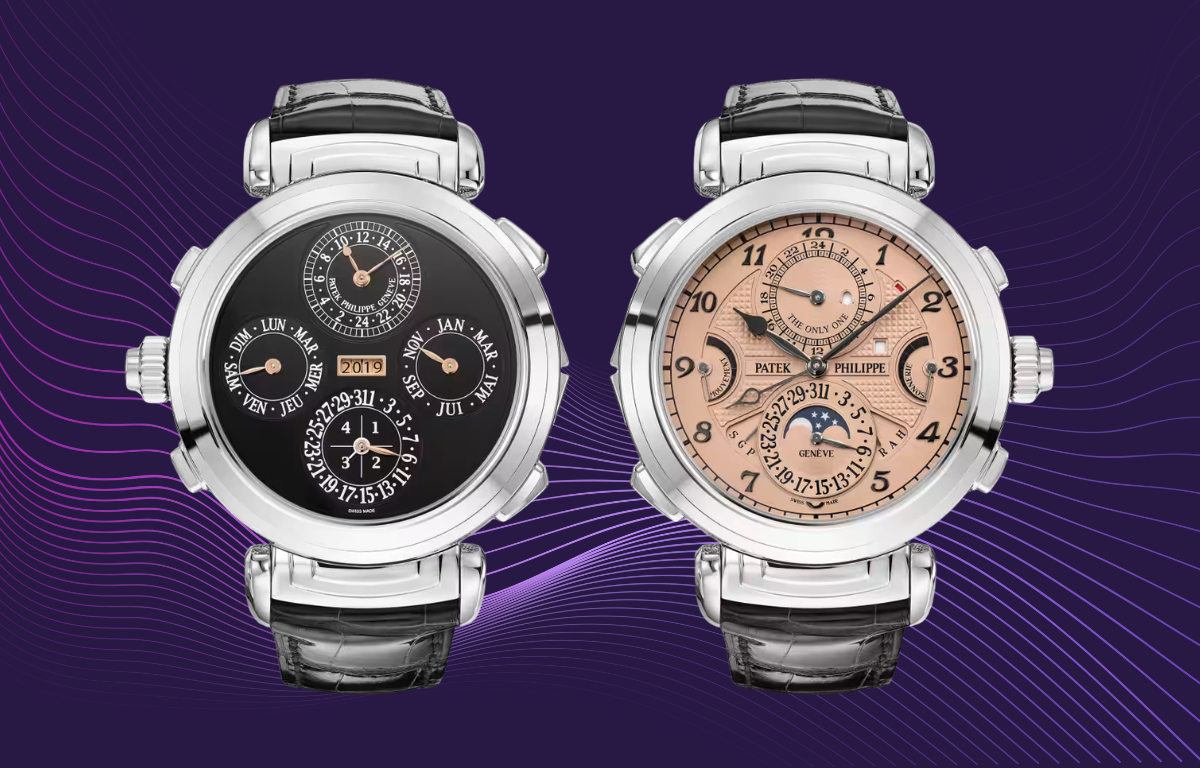
Auction price: Approximately US$31.1 million | Approximately OMR 11.96 million
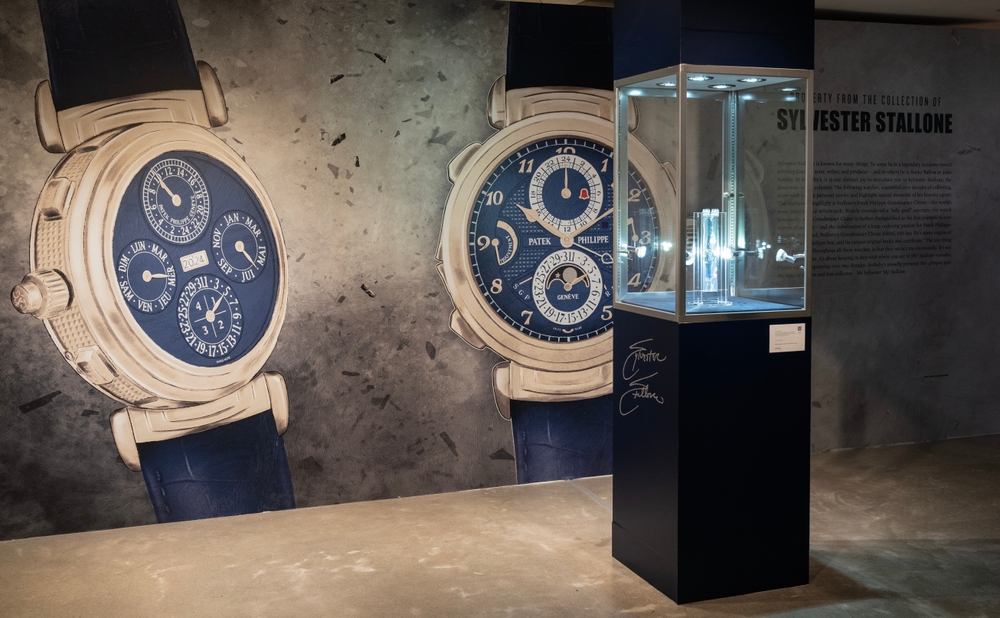
When Patek Philippe created a unique stainless-steel version of its Grandmaster Chime for the Only Watch charity auction in Geneva in November 2019, the Swiss manufacturer produced something that combined exceptional mechanical complexity with one-of-a-kind collectibility.
The resulting reference 6300A-010 sold through Christie’s for CHF31 million, approximately US$31.1 million, setting a world auction record for a watch that remains one of the defining achievements of modern horology.
The Grandmaster Chime incorporates 20 complications, including an instantaneous perpetual calendar, grande and petite sonnerie functions, a minute repeater, an acoustic alarm and a date repeater that can sound the date on demand.
Its reversible case carries two separate dials, allowing the owner to access different displays within a remarkably sophisticated mechanical arrangement.
One of the most unusual aspects of this particular Grandmaster Chime is its use of stainless steel rather than a traditionally precious metal. Although steel is ordinarily regarded as a more accessible material than gold or platinum, its exceptional rarity in this application made the watch even more desirable to collectors, demonstrating that exclusivity can outweigh the intrinsic value of the material itself.
The auction’s charitable purpose also contributed to its significance because Only Watch raises funds for research into Duchenne muscular dystrophy. Consequently, the USD 31 million transaction represents a genuine public auction record, although the philanthropic setting means the result should not be treated as a straightforward indication of what an equivalent watch would necessarily achieve in an ordinary commercial sale.
3. Chopard 201-Carat
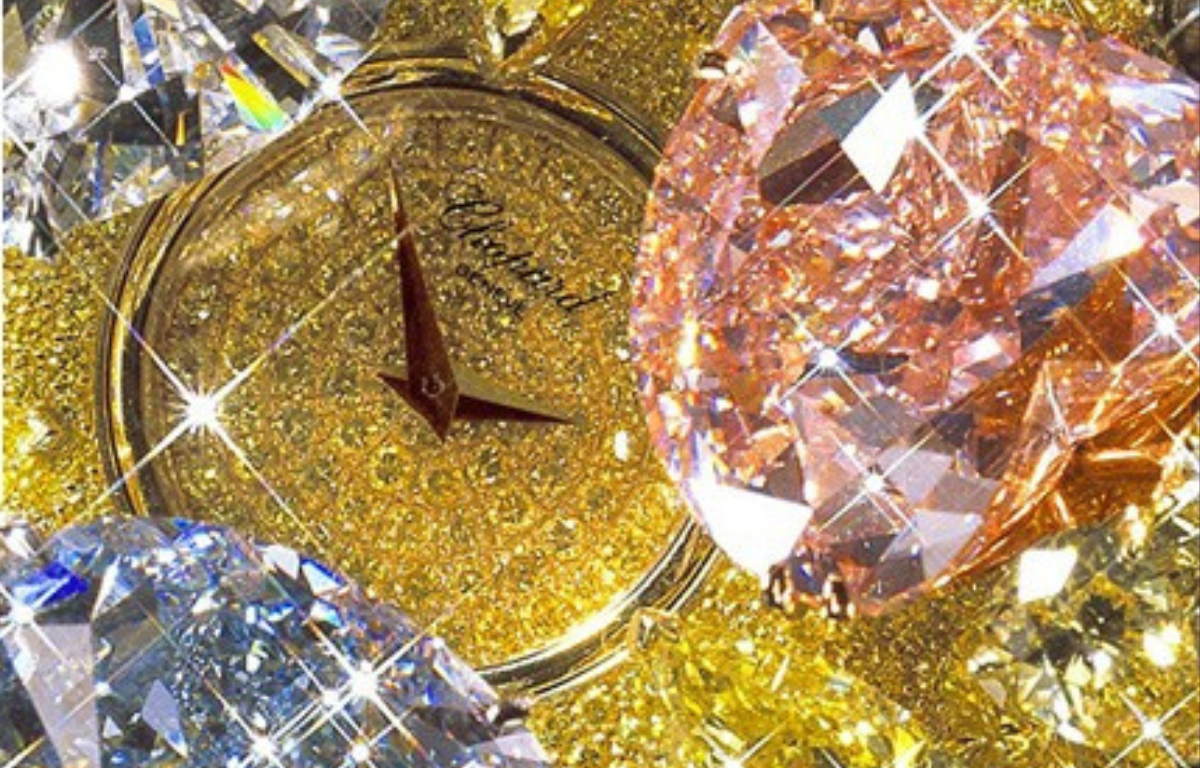
Reported valuation: US$25 million | Approximately OMR 9.61 million
In the world of high jewellery, where the brilliance and rarity of individual gemstones can determine the value of an entire creation, Chopard’s extraordinary 201-Carat watch stands as an example of how traditional watchmaking can be transformed into a remarkable display of precious stones.
Created in 2000, the watch is widely associated with a reported value of US$25 million and contains an astonishing arrangement of 874 diamonds.
Its most visually distinctive feature is the trio of large heart-shaped diamonds in pink, blue and white that dominate the upper portion of the design. These stones form part of an elaborate floral composition that opens to reveal the time display beneath, creating an object that functions as both a watch and an exceptionally elaborate piece of jewellery.
The extraordinary price attributed to this creation reflects several factors that extend well beyond the total weight of its gemstones. Natural fancy-coloured diamonds can be particularly valuable because of their geological rarity, while the work involved in sourcing, matching, cutting and setting hundreds of stones adds substantially to the complexity of producing such a piece.
Unlike watches whose prices have been established through competitive bidding, however, the Chopard 201-Carat’s frequently quoted US$25 million value is not supported by a publicly verified auction transaction.
It remains an important illustration of the difference between the assessed value of an exceptional jewellery creation and the market price established when a collector actually purchases it.
4. Patek Philippe Henry Graves Supercomplication
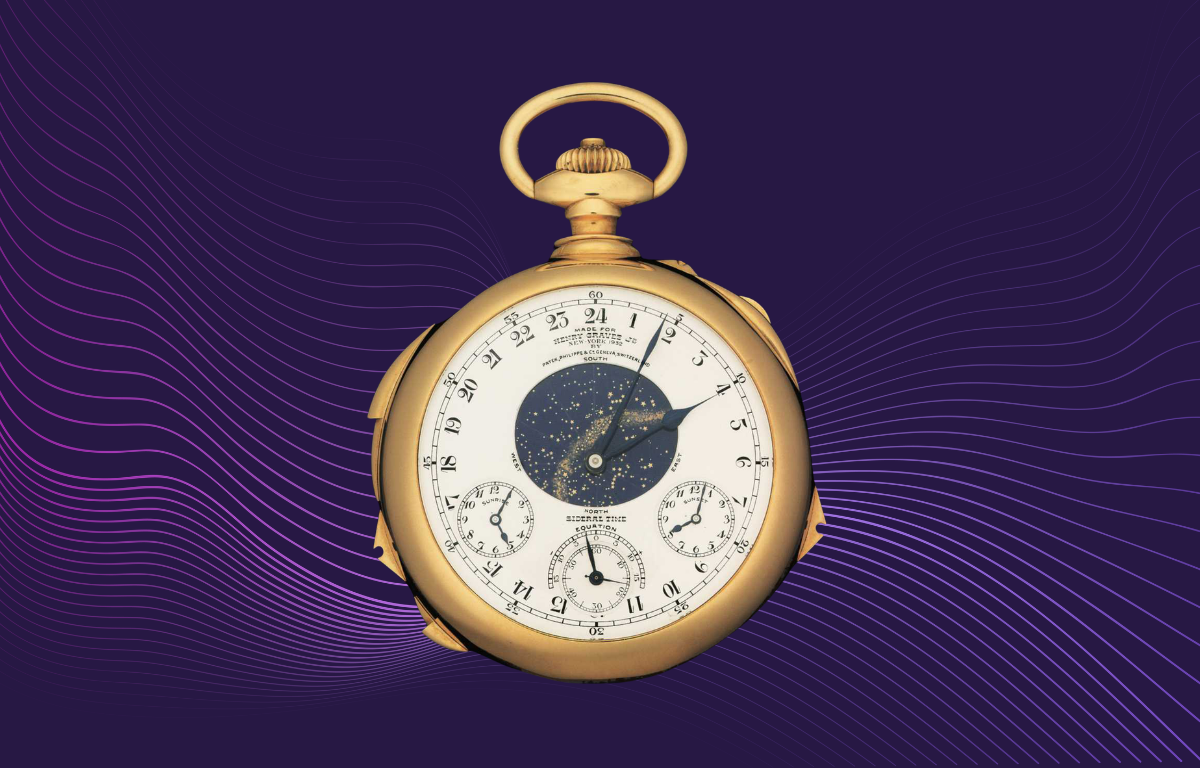
Auction price: US$23.98 million | Approximately OMR 9.22 million
Long before computer-assisted design and digital manufacturing transformed the process of creating complex mechanical devices, the world’s finest watchmakers were already producing extraordinarily sophisticated instruments using traditional engineering methods.
Few creations demonstrate the remarkable achievements of that period more convincingly than the Patek Philippe Henry Graves Supercomplication, an elaborate pocket watch commissioned by American banker and collector Henry Graves Jr. and completed in 1933.
The Supercomplication incorporates 24 complications, including a perpetual calendar, chronograph, minute repeater, celestial chart and an assortment of additional astronomical and timekeeping functions.
One of its defining features is a representation of the night sky over New York, a remarkable demonstration of the astronomical calculations and precision required to construct such a mechanism without modern computers.
The project took several years to complete and represented one of the most ambitious private commissions in the history of watchmaking. Its extraordinary significance lies not merely in the number of complications it contains but also in the historical circumstances under which those mechanisms were developed, engineered and assembled.
When Sotheby’s sold the watch in Geneva in November 2014 for US$23,983,140, it established a world auction record at the time.
The result reinforced the extraordinary importance collectors place on historically significant mechanical achievements, particularly when they combine a prestigious manufacturer, an influential original owner and a creation that cannot meaningfully be replicated within its original historical context.
5. Jacob & Co. Billionaire Timeless Treasure
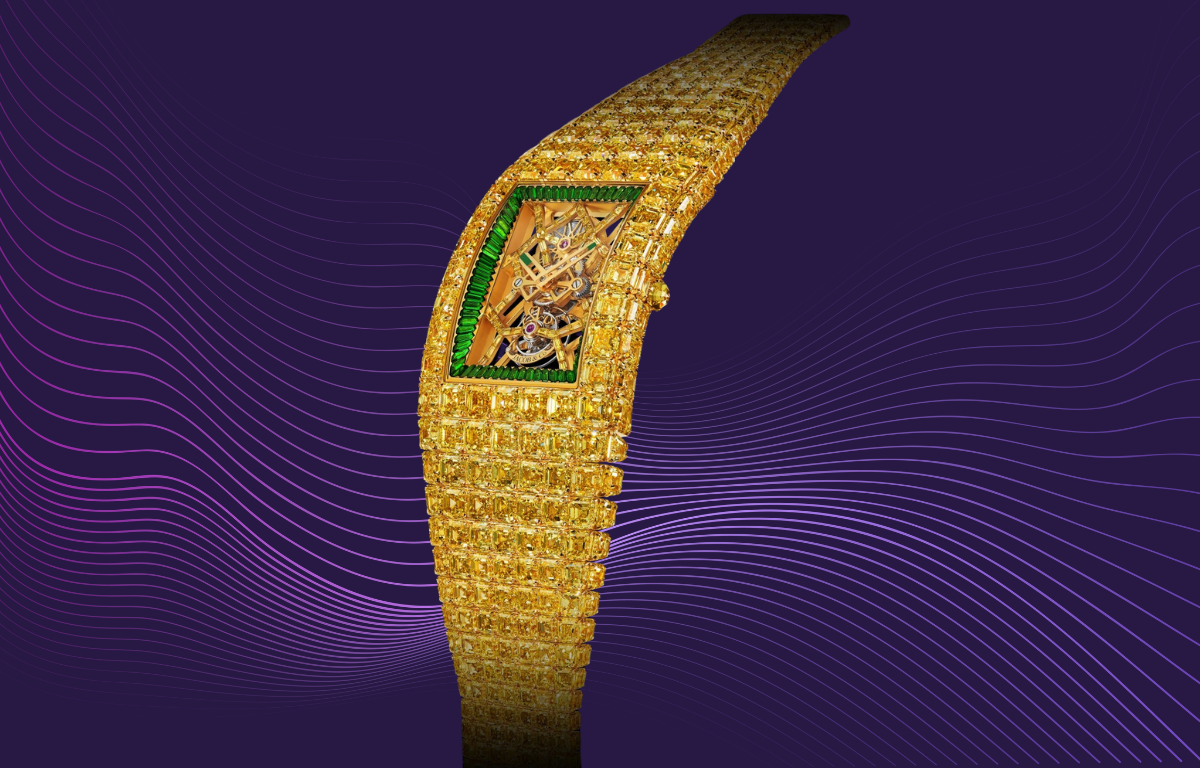
Announced price: US$20 million | Approximately OMR 7.69 million
As contemporary watchmakers increasingly compete to produce creations that blur the boundaries between jewellery, mechanical engineering and personal expression, Jacob & Co. has developed a reputation for designs that are deliberately spectacular.
The Billionaire Timeless Treasure, unveiled in 2023 with an announced price of US$20 million, exemplifies this approach through a remarkable combination of unusually rare yellow diamonds and traditional haute horlogerie.
The watch incorporates 425 Asscher-cut fancy-yellow and fancy-intense-yellow diamonds weighing a combined 216.89 carats, with the manufacturer undertaking an extensive process to source stones that could be matched for their colour and quality.
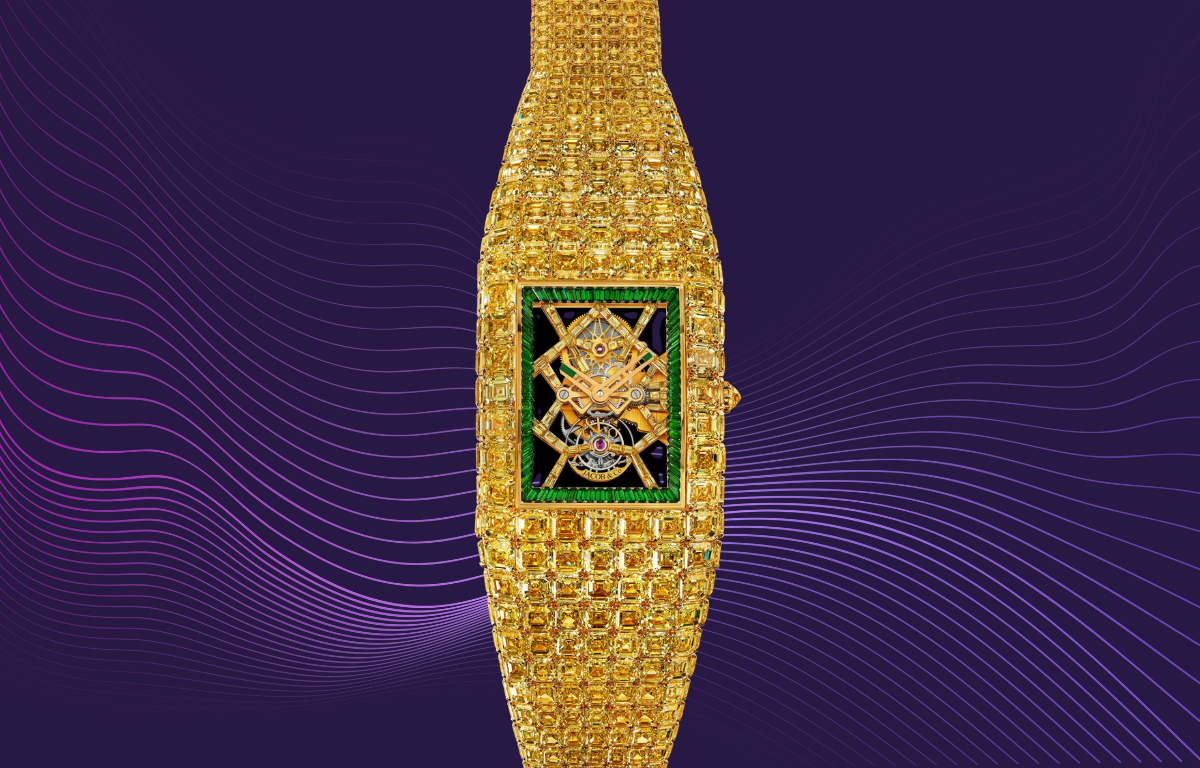
According to jewellery industry reporting, approximately 880 carats of rough yellow diamonds were required to produce the finished collection, illustrating the substantial material losses involved in achieving the required cutting precision.
Beyond the gemstones, the watch incorporates a mechanical tourbillon, ensuring that its appeal extends to collectors interested in traditional watchmaking as well as important jewellery. The tourbillon, originally developed to address positional timekeeping errors in pocket watches, remains one of the most visually celebrated mechanisms in modern luxury horology.
What distinguishes the Billionaire Timeless Treasure from many other multimillion-dollar watches is the combination of its extravagant jewellery content and its overtly contemporary design. Its US$20 million figure was an announced price at launch, however, rather than a publicly documented auction sale, meaning its actual resale value would depend upon the market and an individual buyer’s assessment of its rarity.
6. Rolex Daytona ‘Paul Newman’
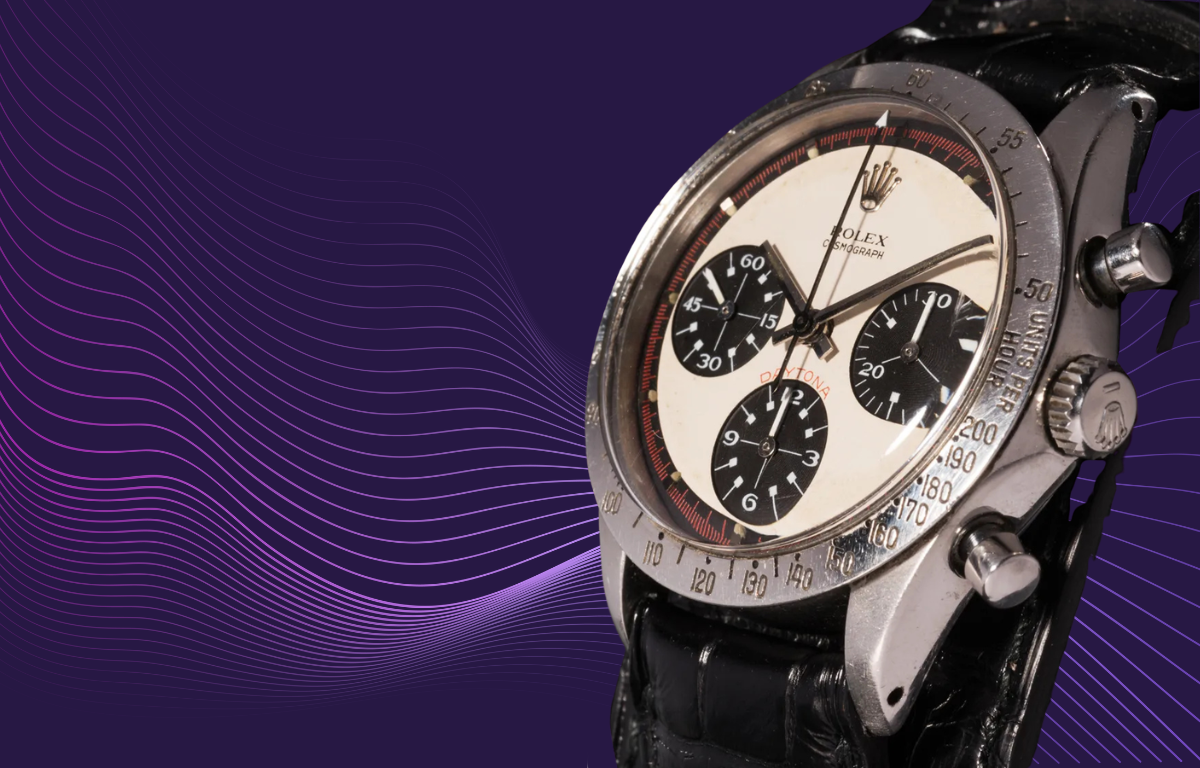
Auction price: US$17.75 million | Approximately OMR 6.83 million
Although some of the world’s most expensive watches derive their value from elaborate complications or extraordinarily valuable gemstones, one of the most celebrated examples demonstrates that personal history can be even more powerful.
The Rolex Cosmograph Daytona reference 6239 once owned by Hollywood actor and racing enthusiast Paul Newman achieved US$17,752,500 at Phillips in New York in October 2017, becoming one of the most important celebrity-owned watches ever sold.
The stainless-steel chronograph was gifted to Newman by his wife, actress Joanne Woodward, and carried a personal engraving on its caseback reading ‘Drive Carefully Me’. The inscription reflected Newman’s enthusiasm for motorsport and gave the watch a deeply personal significance that distinguished it from other examples of the same reference.
While vintage Daytona models with exotic dials had already developed a passionate collector following, the appearance of the actual watch associated with the actor transformed an established category of collectible watches into a historic auction event. Its provenance was exceptionally strong because the watch’s ownership and personal history could be documented, creating a direct relationship between the physical object and the cultural figure whose name had become synonymous with the dial style.
The extraordinary result illustrates why the watch market increasingly resembles the international art market, where the identity of a previous owner can transform an otherwise familiar object into something practically irreplaceable.
A Rolex Daytona may be reproduced in numerous variations, but the particular watch worn and owned by Paul Newman occupies a unique place in the history of the brand.
7. Patek Philippe Ref. 1518 Stainless Steel
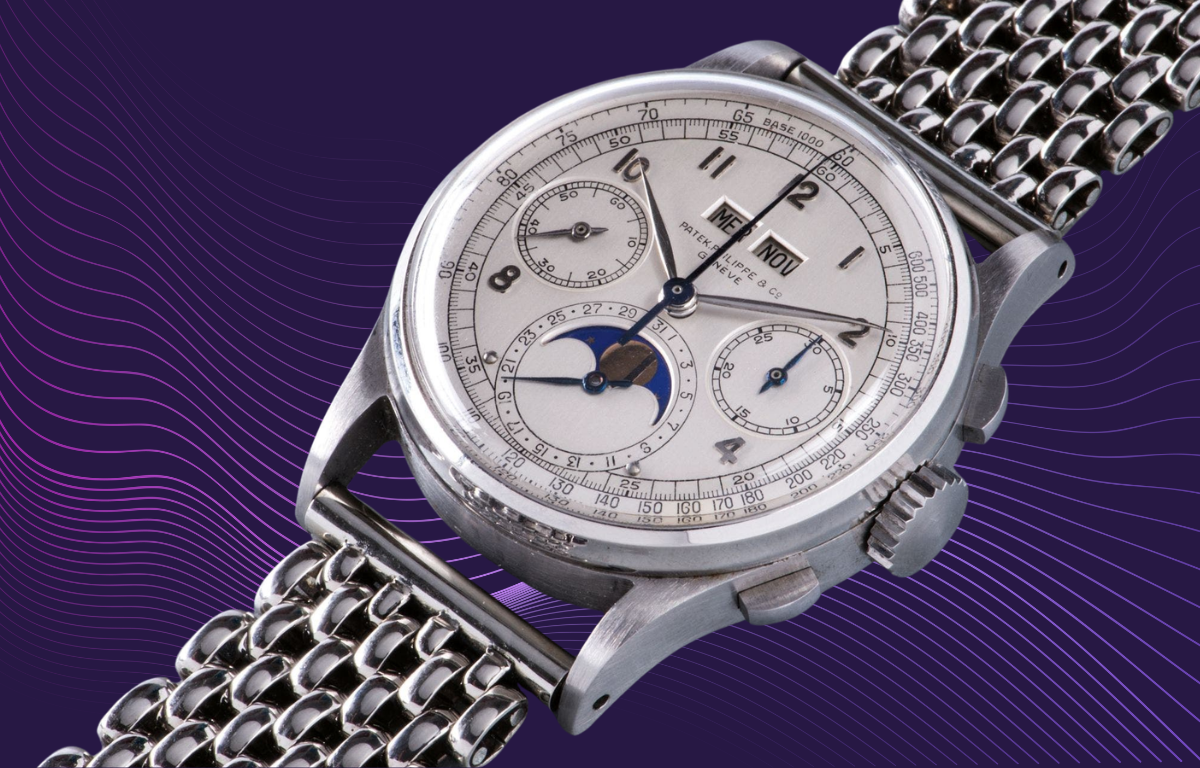
Auction price: US$17.63 million | Approximately OMR 6.78 million
For collectors who regard historical importance and exceptional scarcity as the ultimate measures of a watch’s desirability, the stainless-steel Patek Philippe reference 1518 represents one of the most significant examples ever produced.
Introduced in 1941, the reference 1518 was the first serially produced wristwatch model combining a perpetual calendar with a chronograph, establishing an important technological benchmark in the evolution of complicated wristwatches.
Although the model was primarily produced in precious metals, just four stainless-steel examples are known, making them extraordinarily desirable within the collecting community. Their rarity is particularly striking because steel was historically associated with functional and comparatively inexpensive watches rather than complicated creations from one of Switzerland’s most prestigious manufacturers.
In November 2025, Phillips sold an exceptional steel reference 1518 for CHF14.19 million, equivalent to US$17,631,075 at the auction house’s reported conversion. The watch was regarded as the first steel example produced, with a number-one marking inside its caseback, and the transaction established a new record for a vintage Patek Philippe wristwatch sold at auction.
The result reinforced an important principle in the valuation of rare watches: precious metals do not automatically make one example more valuable than another. A stainless-steel watch produced in exceptionally small numbers can command a considerably higher price than an otherwise similar model in gold, particularly when its historical importance, originality and provenance are exceptionally strong.
8. F.P. Journe Chronomètre à Résonance No. 007
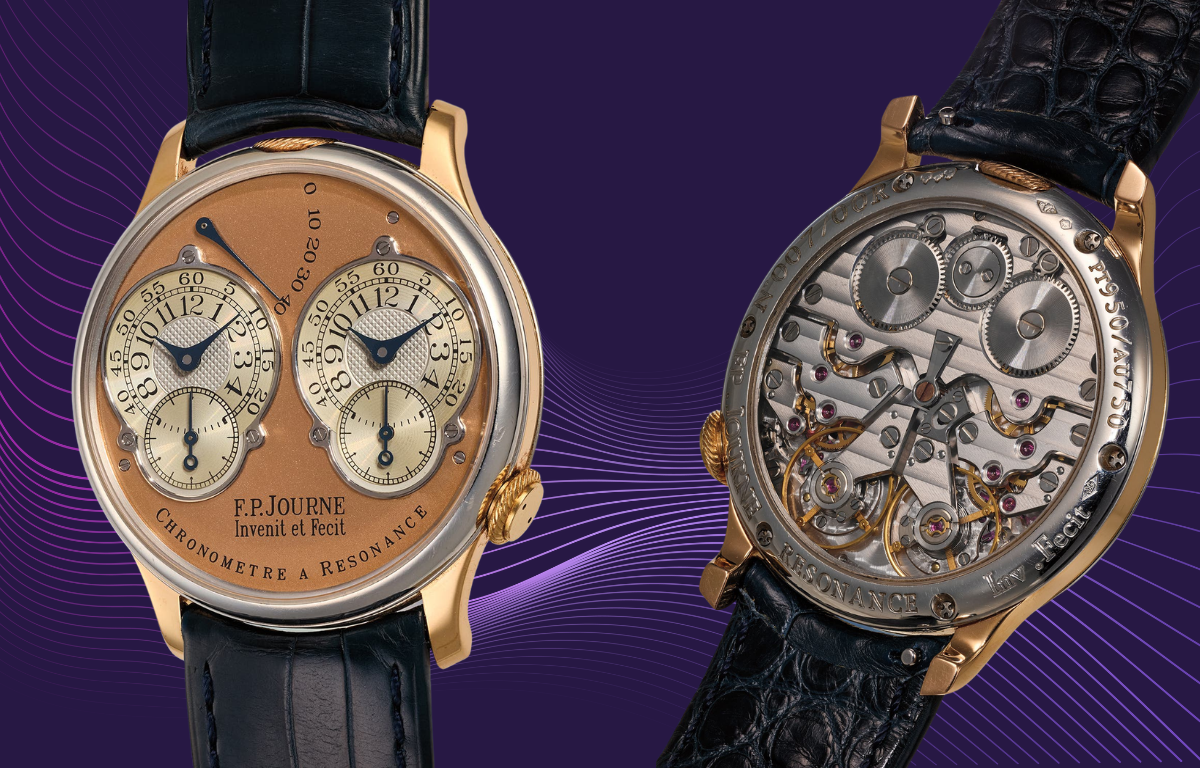
Auction price: US$13.92 million | Approximately OMR 5.35 million
While historic manufacturers such as Patek Philippe and Rolex have traditionally dominated the most expensive watch auction records, independent watchmakers have increasingly emerged as powerful contenders within the international collecting market.
The rise of François-Paul Journe, whose creations are celebrated for their technical originality and distinctive finishing, reflects a growing interest in watches produced by innovative specialists rather than large established brands.
The Chronomètre à Résonance is particularly important because it incorporates two regulating systems designed to interact through the physical phenomenon of resonance. The technical concept draws upon the work of earlier horological pioneers while translating the principle into a sophisticated mechanical wristwatch, creating an achievement that is especially admired by collectors interested in the intellectual and engineering history of watchmaking.
In June 2026, Phillips sold an exceptionally rare Chronomètre à Résonance ‘Souscription’ No. 007 for US$13,922,000 at its New York auction. The watch was one of a founding subscription series of 20 pieces and featured an especially rare combination of platinum, pink gold and a pink-gold dial.
The transaction established an auction record for an independent watchmaker and demonstrated how the collecting market has expanded beyond the traditional prestige of centuries-old manufacturers. For sophisticated collectors, the opportunity to acquire an early and historically important example of a mechanical innovation can be as compelling as owning a rare vintage Patek Philippe or Rolex.
9. F.P. Journe FFC Prototype
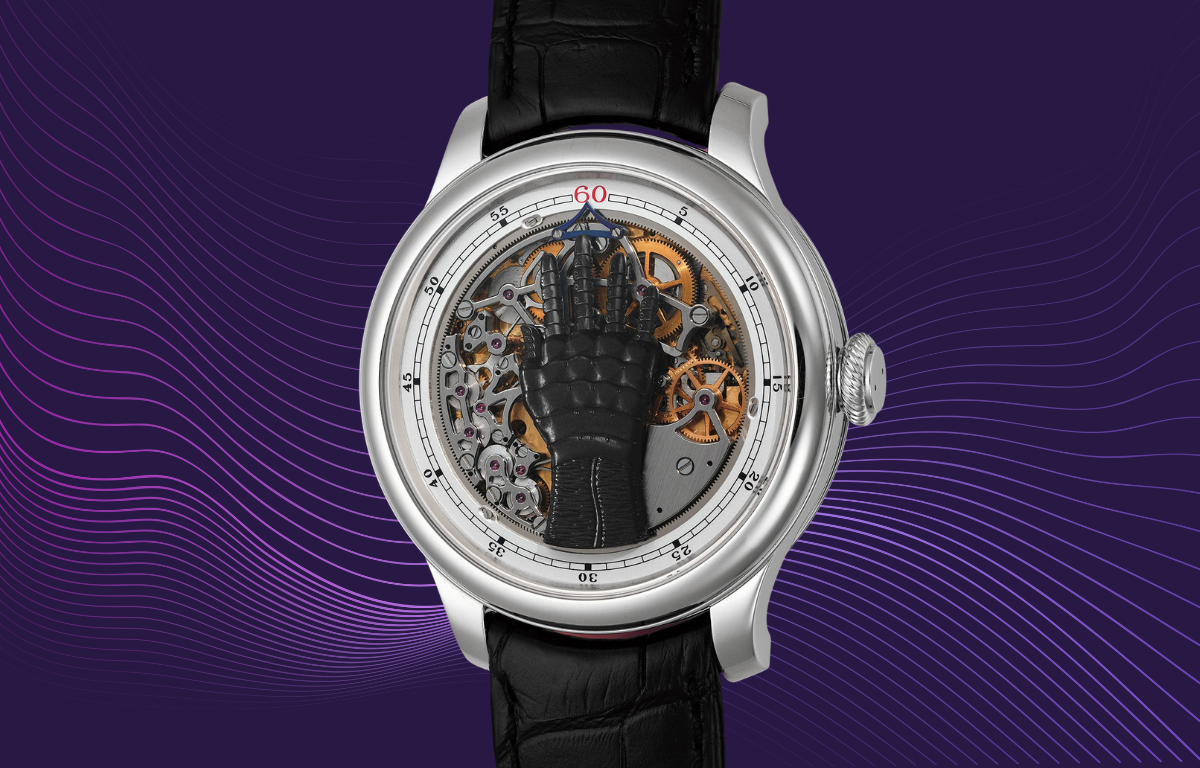
Auction price: US$10.78 million | Approximately OMR 4.14 million
Among the more unusual collaborations between contemporary watchmaking and the creative industries, the F.P. Journe FFC Prototype demonstrates how a seemingly unconventional idea can become an extraordinary mechanical object. The concept emerged from a conversation between filmmaker Francis Ford Coppola and watchmaker François-Paul Journe, during which Coppola questioned whether a watch could indicate the hours using the fingers of a human hand.
The resulting mechanism uses a sculpted hand whose articulated fingers indicate the hour, replacing the conventional hour hand with a miniature mechanical sculpture. The watch retains an unmistakably technical appearance through its exposed movement and intricate components, but its central display gives it a distinctive visual identity that separates it from almost every other traditional wristwatch.
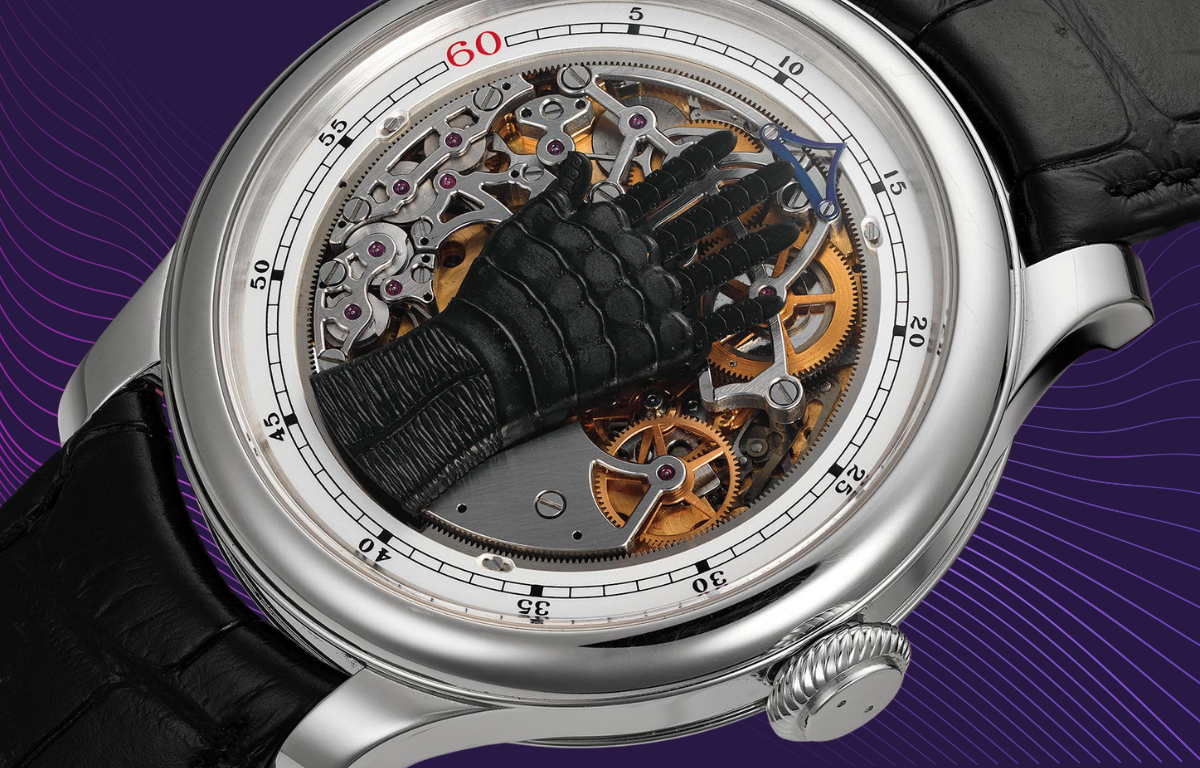
After years of development, the project resulted in a remarkable working creation that combined Coppola’s original concept with Journe’s mechanical expertise. The prototype subsequently appeared at Phillips in New York in December 2025, consigned from the filmmaker’s personal collection, where it achieved US$10,755,000.
Although the sale record was subsequently surpassed by the Chronomètre à Résonance in June 2026, the FFC remains an important demonstration of how originality, collaboration and personal provenance can create exceptional value.
Its appeal rests not only on the difficulty of making the mechanism function but also on the unique story connecting one of cinema’s most influential directors with an internationally respected independent watchmaker.
10. Rolex Daytona ‘The King’ (The Omani Royal Commission)
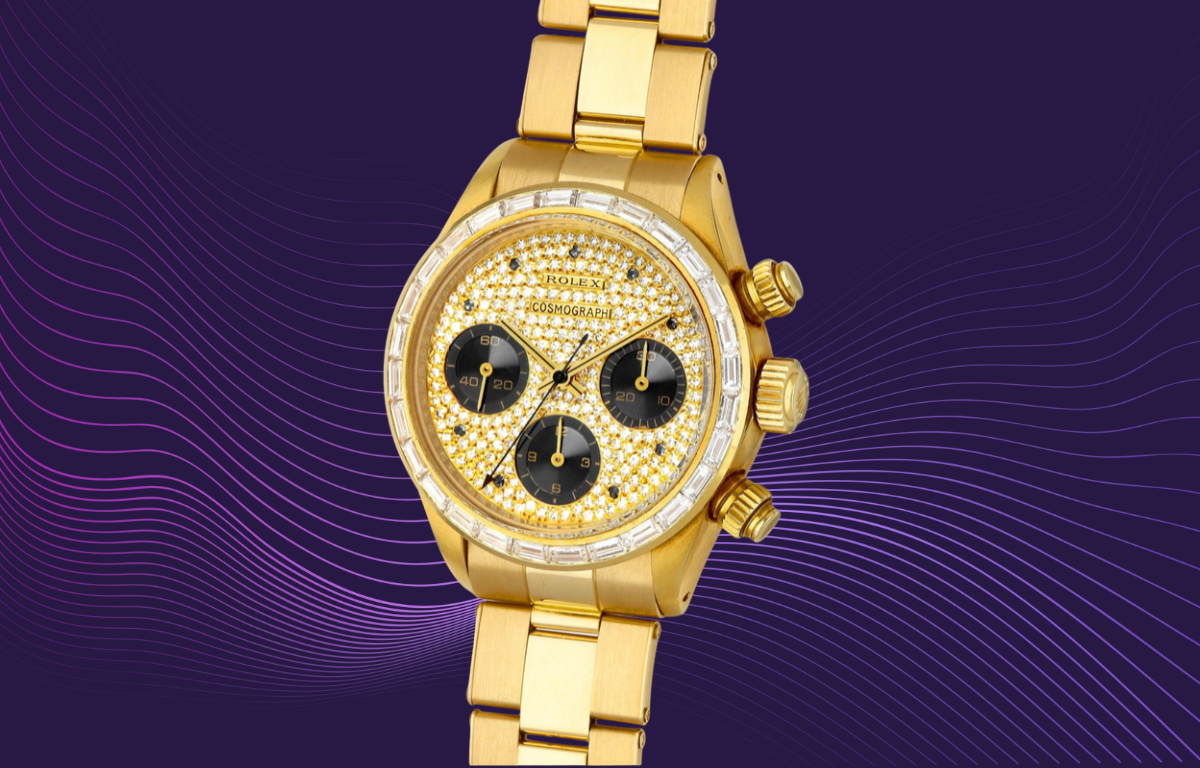
Auction price: US$5.23 million | Approximately OMR 2.01 million
For collectors in Oman, few watches provide a more remarkable connection between the Sultanate of Oman’s royal heritage and the international market for exceptionally rare timepieces than the Rolex Cosmograph Daytona reference 6270. Known among collectors as ‘The King’, this extraordinary diamond-set chronograph originated from a commission placed by the Late Sultan Qaboos bin Said (may he rest in peace) through the prestigious London retailer Asprey during the early 1980s.
The resulting watch was unlike the conventional sports chronographs Rolex had produced previously, featuring an 18-karat yellow-gold case, a bezel set with baguette-cut diamonds, a diamond-pavé dial and sapphire hour markers.
The commission helped establish an entirely new category of highly exclusive gemstone-set Daytona watches, combining the brand’s motorsport heritage with the extravagance of royal jewellery.
According to Sotheby’s, only eight examples of the reference 6270 have been identified by the market, making it one of the rarest production references in Rolex history. The auction house sold an example in October 2025 for US$5,230,100, equivalent to approximately OMR 2.01 million, confirming the immense importance collectors attach to the model’s scarcity and royal origins.
What makes the Rolex ‘The King’ particularly relevant to Oman is that its historical significance extends beyond the simple addition of an emblem or personalised engraving.
The original commission was associated with a specific request from Sultan Qaboos and resulted in a distinctive reference that became an important chapter in Rolex’s manufacturing history.
For international collectors, the watch offers a compelling combination of royal provenance, gemstone craftsmanship, exceptional rarity and an unusual place in the development of the Cosmograph Daytona. For an Omani collector, however, its significance is even greater because it represents a tangible connection between the Sultanate’s modern history and one of the world’s most prestigious watchmaking houses.
Oman’s Remarkable Place in the History of Luxury Watches
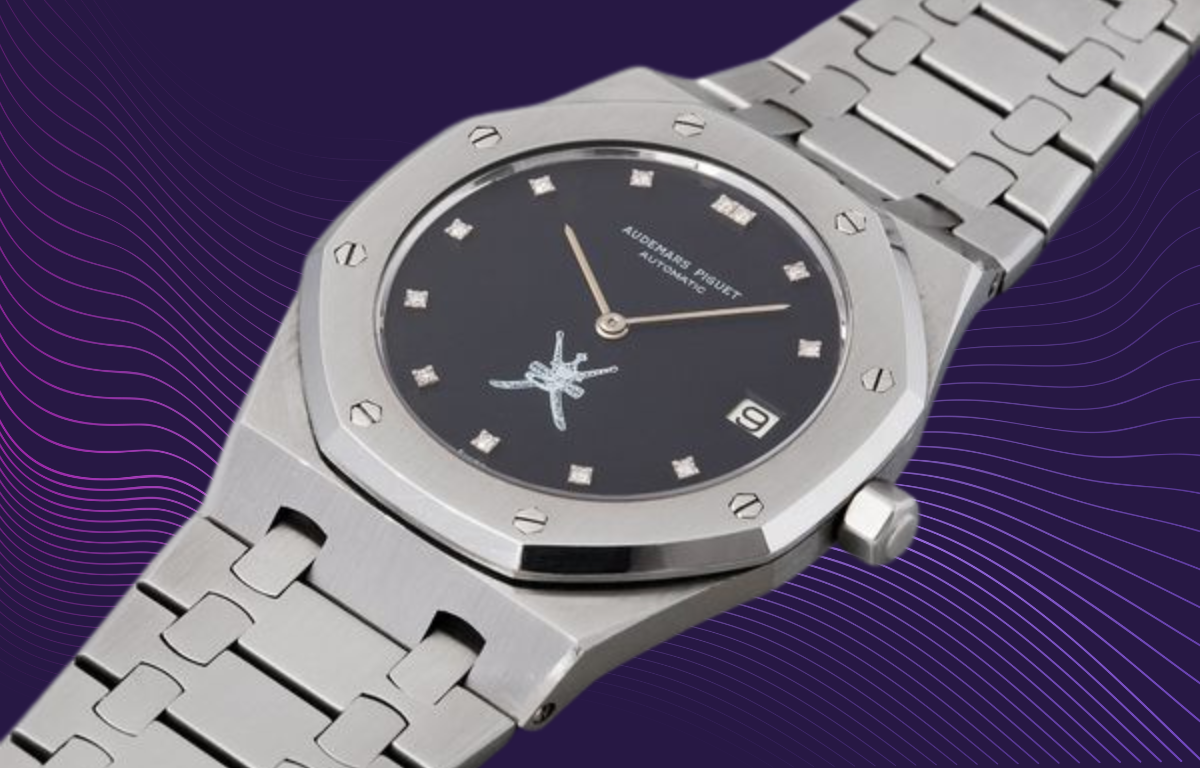
The influence of the late Sultan Qaboos on international watch collecting extends considerably beyond the celebrated Rolex reference 6270, with a number of important watches commissioned for presentation to dignitaries, military personnel and individuals recognised for their service.
These creations have become especially desirable because they connect some of Switzerland’s most prestigious manufacturers with the diplomatic and cultural history of Oman.
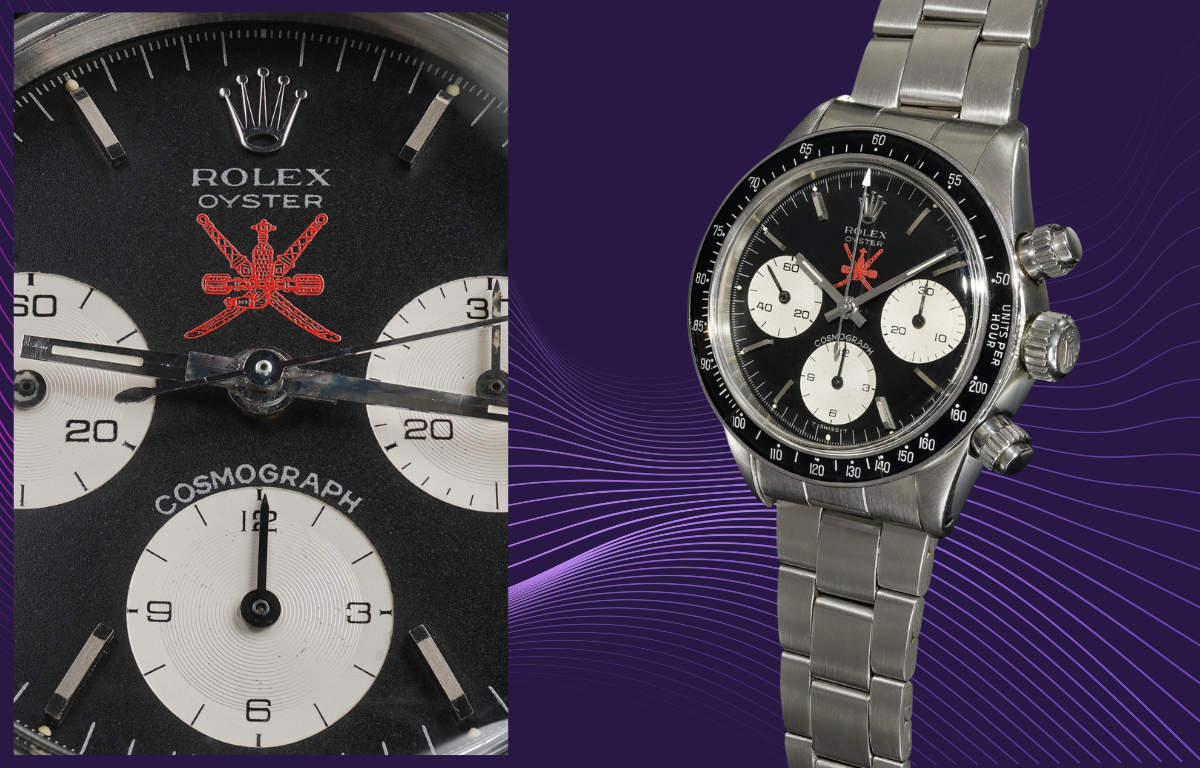
During the 1970s and subsequent decades, watches produced for Oman were frequently distinguished by the Khanjar emblem, the traditional Omani dagger incorporated into the Sultanate of Oman’s national emblem. Important examples included special Rolex Submariner, Daytona, Datejust and Day-Date models, along with rare Patek Philippe Nautilus and Audemars Piguet Royal Oak watches.
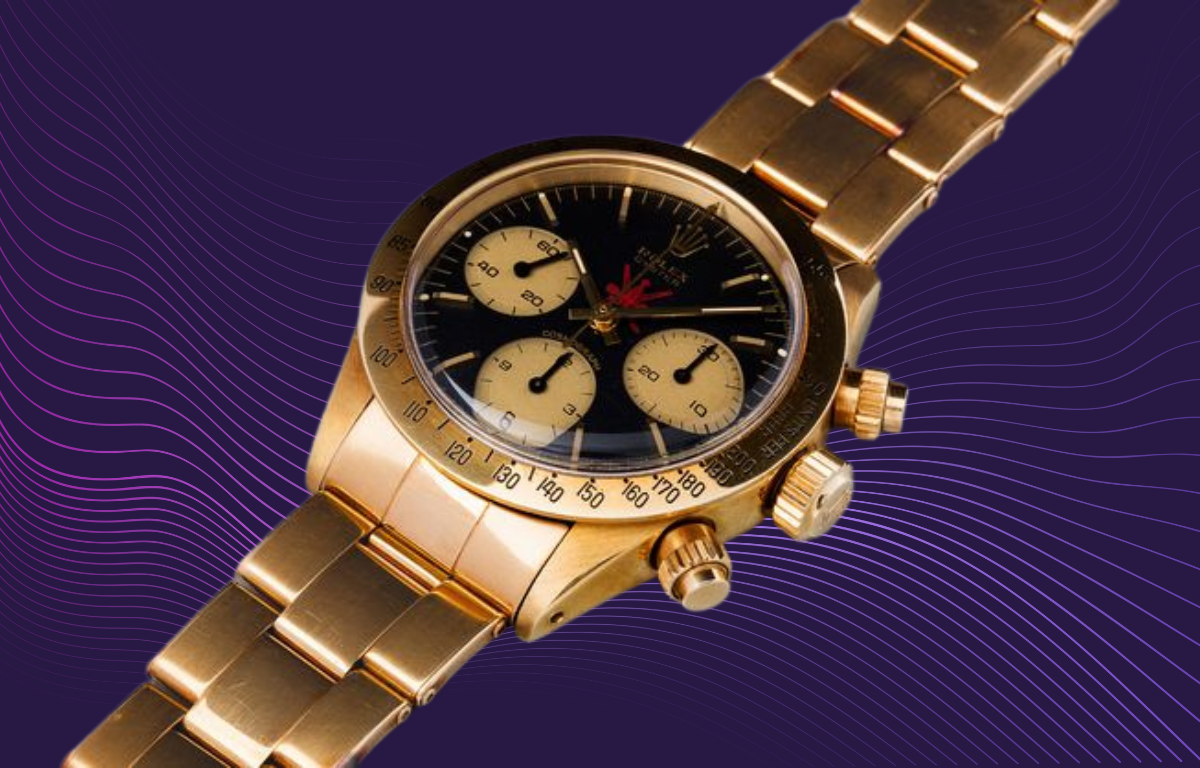
Many of these commissions were coordinated through Asprey in London, with manufacturers producing distinctive dials or other identifying features specifically for the Omani orders. Depending on the model, the Khanjar appeared in different colours or positions, and certain watches were accompanied by presentation boxes, correspondence or other material establishing their original provenance.
The international importance of these watches can be illustrated by a Rolex Daytona reference 6263 bearing a green Khanjar emblem, which sold through Christie’s in Geneva in May 2017 for CHF727,500, approximately US$726,045 at the time.
Its Omani royal association, combined with the rarity of its configuration and documented provenance, helped distinguish it from conventional vintage Daytona watches.
What Actually Makes a Watch Worth Millions?
The extraordinary prices achieved by the world’s most desirable watches are rarely the result of a single characteristic, instead reflecting the interaction of several factors that can transform an already expensive luxury product into a historically important collectible.
Although the market is sometimes described in terms of exclusivity alone, sophisticated buyers generally examine a much broader set of considerations before committing substantial sums to an acquisition.
Rarity and scarcity remain central to the valuation of exceptional watches because collectors place considerable importance on the number of surviving examples and the likelihood that another will become available. A unique piece or an unusually configured model produced in only a handful of examples can attract considerable competition, particularly when the watch is associated with an important milestone in the manufacturer’s history.
Historical provenance can produce an equally substantial premium when ownership can be connected to a recognised individual, royal family or significant historical event. Paul Newman’s Daytona and the Rolex commissions associated with the late Sultan Qaboos demonstrate how a watch’s history can become inseparable from its value, creating a level of desirability that cannot be reproduced merely by manufacturing an identical-looking example.
Mechanical innovation and craftsmanship are especially important within the world of haute horlogerie, where collectors admire complex mechanisms that require exceptional engineering and traditional hand-finishing. Minute repeaters, perpetual calendars, tourbillons and sophisticated chiming systems can involve substantial development and assembly work, although the presence of complications alone does not guarantee an exceptional secondary-market value.
Gemstone rarity and jewellery craftsmanship become dominant factors in creations such as the Graff Hallucination and Jacob & Co. Billionaire Timeless Treasure, where the stones account for a substantial portion of the perceived value. Natural colour, clarity, cutting quality, matching and the craftsmanship involved in setting large numbers of precious stones can all contribute to extraordinary announced prices.
Condition, originality and documentation can also have an enormous influence on auction performance, especially for vintage watches where restoration or replacement components may affect collectibility. Original dials, well-preserved cases, matching serial numbers and verifiable ownership records are particularly important in a market where relatively small differences between two otherwise similar watches can produce substantial differences in price.
Are Multimillion-Dollar Watches Actually Good Investments?

Editorial credit: lev radin / Shutterstock.com
While record-breaking auction transactions frequently create the impression that rare watches offer exceptional opportunities for wealth creation, the reality is considerably more complicated because the most important examples operate within an extremely specialised and relatively illiquid market.
A unique Patek Philippe or historically significant Rolex may attract worldwide attention when it appears at auction, but that does not necessarily mean its owner can sell it quickly or recover the same price in different market conditions.
Transaction costs can also be substantial, with auction commissions, insurance, specialist maintenance, secure storage and other expenses affecting the financial returns from an acquisition.
Buyers must additionally consider the risks associated with authenticity, altered components, incomplete provenance and changing preferences among collectors, particularly when purchasing older watches whose value depends heavily on original condition.
The distinction between manufacturer valuations and realised auction prices is especially important when assessing jewellery watches because a published US$55 million valuation does not establish that the market would support an equivalent sale. Even confirmed auction records can be influenced by exceptional circumstances, including charitable fundraising, unusually competitive bidding and the personal motivations of individual collectors.
For ultra-high-net-worth individuals, the attraction of exceptional watches therefore often extends beyond conventional investment considerations. Ownership can represent a commitment to preserving mechanical heritage, supporting independent craftsmanship, participating in an internationally recognised collecting community or acquiring an object with personal and historical significance that cannot easily be replaced.
Beyond Timekeeping: The Enduring Appeal of the Extraordinary
At a time when digital technology has made the basic function of a mechanical wristwatch almost entirely redundant, the world’s most extraordinary timepieces continue to demonstrate the remarkable value attached to human ingenuity, artistic expression and historical authenticity.
Their appeal lies in the fact that they cannot be judged simply by how accurately they tell the time, but must instead be understood as a combination of engineering achievement, cultural heritage and exceptionally specialised craftsmanship.
The US$55 million Graff Hallucination, the record-breaking Patek Philippe Grandmaster Chime and Paul Newman’s Rolex Daytona represent three distinctly different expressions of this phenomenon. One derives its extraordinary value from gemstones, another from mechanical complexity and exclusivity, and the third from an irreplaceable personal history.