Manufacturing
The Top 10 Things Oman Exports to India – And How CEPA Could Reshape the US$11.2bn Trade Corridor

From petroleum and fertilisers to minerals, chemicals and plastics, Oman already has a substantial industrial trade relationship with India. With the Oman-India CEPA now in force, OERLive examines what the two countries actually buy from each other and where Oman stands to gain.
The Oman-India economic relationship has entered a substantially different phase. At the Oman-India Business Forum held in Muscat last week, business leaders, investors and government representatives focused heavily on translating the recently implemented Comprehensive Economic Partnership Agreement (CEPA) into actual export contracts, investment projects and joint ventures.
Organised by the Oman Chamber of Commerce and Industry, the forum highlighted opportunities in manufacturing, minerals, steel, logistics, information technology, artificial intelligence, data centres and other sectors, with Oman’s ports and economic zones positioned as important platforms for future India-linked investment.
Bilateral merchandise trade reached approximately US$11.19 billion in FY2025-26, according to the Embassy of India in Muscat. India exported US$4.02 billion worth of goods to Oman, while its imports from Oman reached US$7.17 billion.
That makes Oman India’s 27th-largest trading partner, while India remains one of Oman’s most important commercial partners and is currently the third-largest destination for Omani non-oil exports. But what exactly is moving between the two countries?
What Oman Actually Exports To India


For a product-by-product comparison, OERLive examined the latest complete calendar-year 2025 UN Comtrade data at HS Chapter level.
India imported approximately US$5.55 billion worth of goods from Oman in 2025. The ten largest categories accounted for roughly 98% of that total, highlighting just how concentrated the trade relationship remains around energy and industrial raw materials.
1. Mineral Fuels, Oils & Distillation Products: US$2.13bn
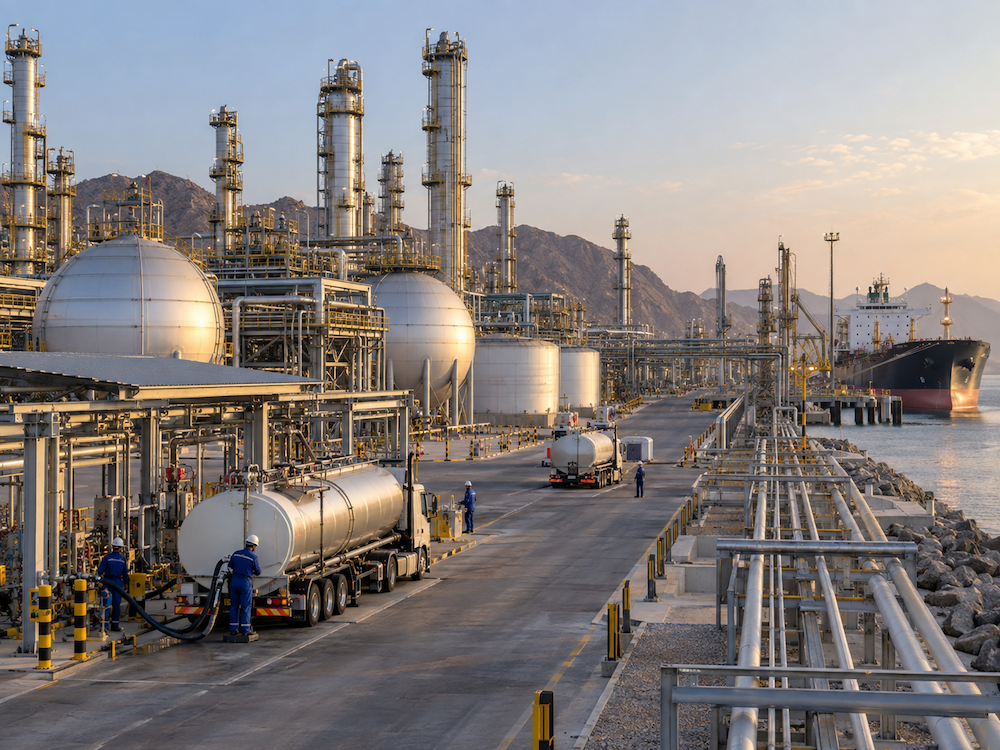

Energy remains the largest component of Oman’s exports to India. Petroleum, refined products and other mineral fuels together were worth approximately US$2.13 billion, representing around 38% of India’s total imports from Oman in 2025.
This illustrates the fundamental complementarity between the two economies: Oman is an important hydrocarbon producer while India is one of the world’s largest and fastest-growing energy-consuming economies.
2. Fertilisers: US$878.8mn
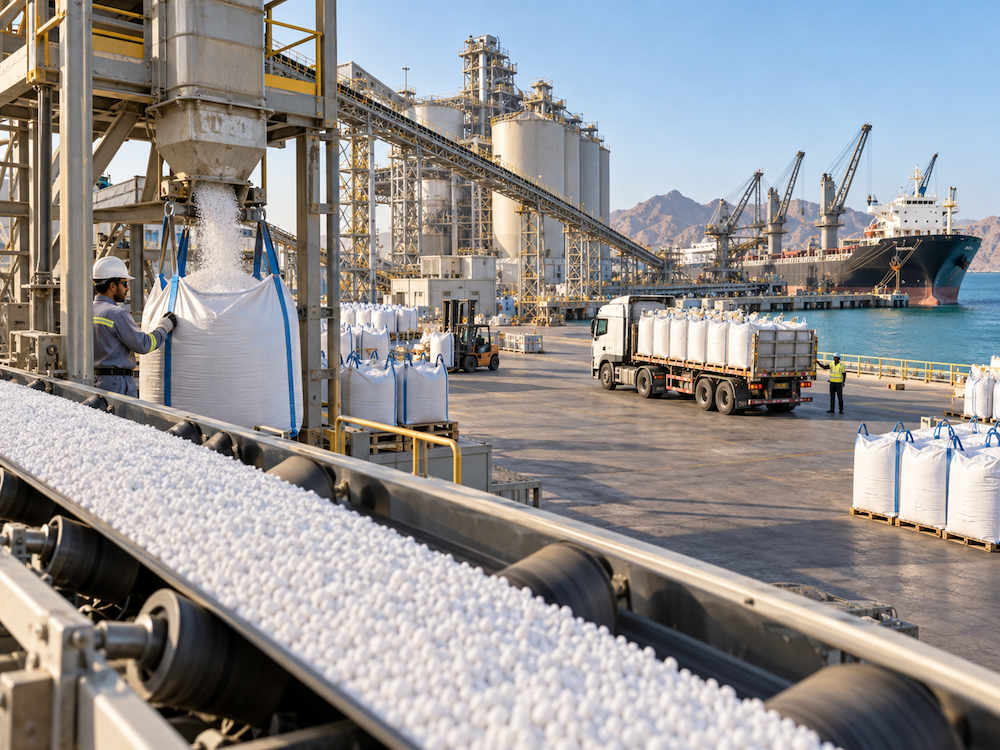
Fertilisers were Oman’s second-largest export category to India, reaching nearly US$879 million. This is particularly significant because Oman has developed a major downstream industrial base around natural gas, including fertiliser and petrochemical production.
India, meanwhile, is one of the world’s biggest agricultural markets, making fertiliser a strategically important component of the trade corridor.
3. Salt, Sulphur, Stone, Lime & Cement Materials: US$533.4mn
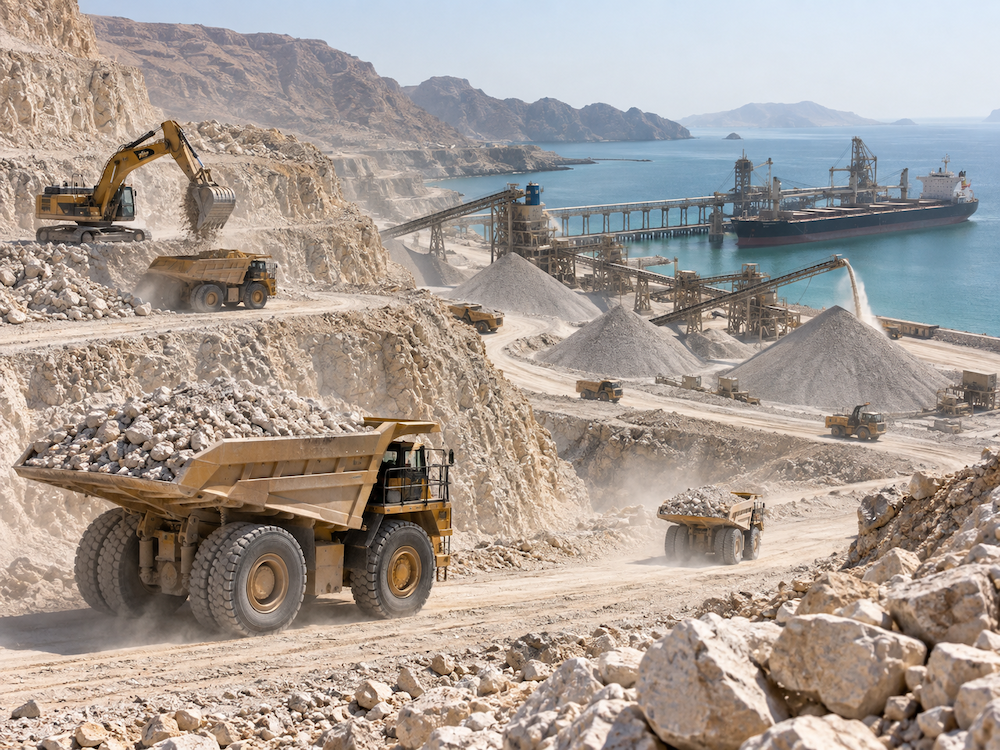
Mineral-based products including sulphur, industrial minerals, stone, lime and related materials generated approximately US$533 million in exports.
This category highlights Oman’s emerging role as more than an energy supplier, particularly as mining and mineral processing become increasingly important components of the Sultanate’s diversification strategy.
4. Organic Chemicals: US$526.8mn
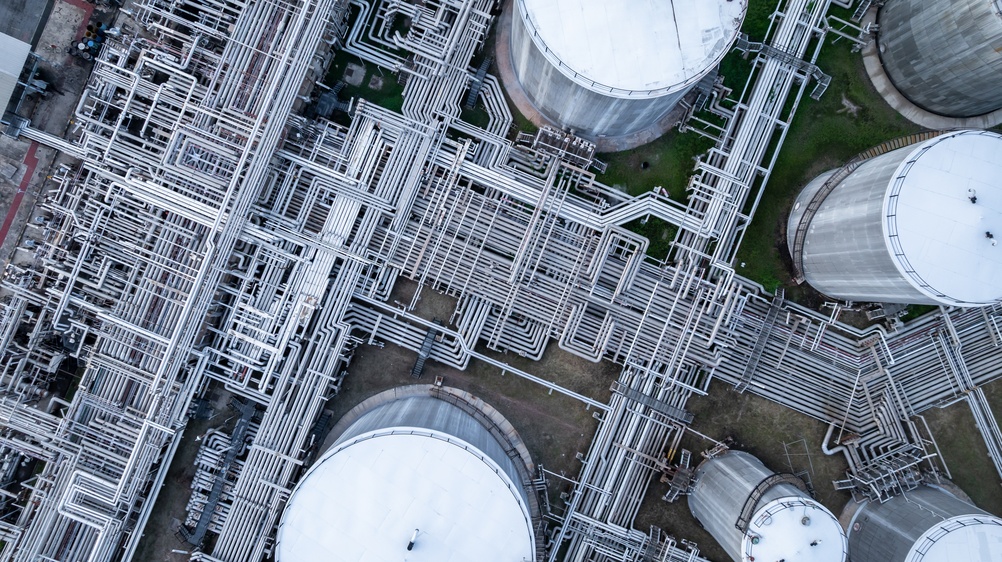

Organic chemical exports reached approximately US$527 million, reflecting Oman’s growing petrochemical and downstream manufacturing capabilities.
As new refining, chemical and industrial projects emerge in Suhar and Duqm, chemicals could become an increasingly important component of Oman’s non-oil exports to India.
5. Ores, Slag And Ash: US$458.3mn
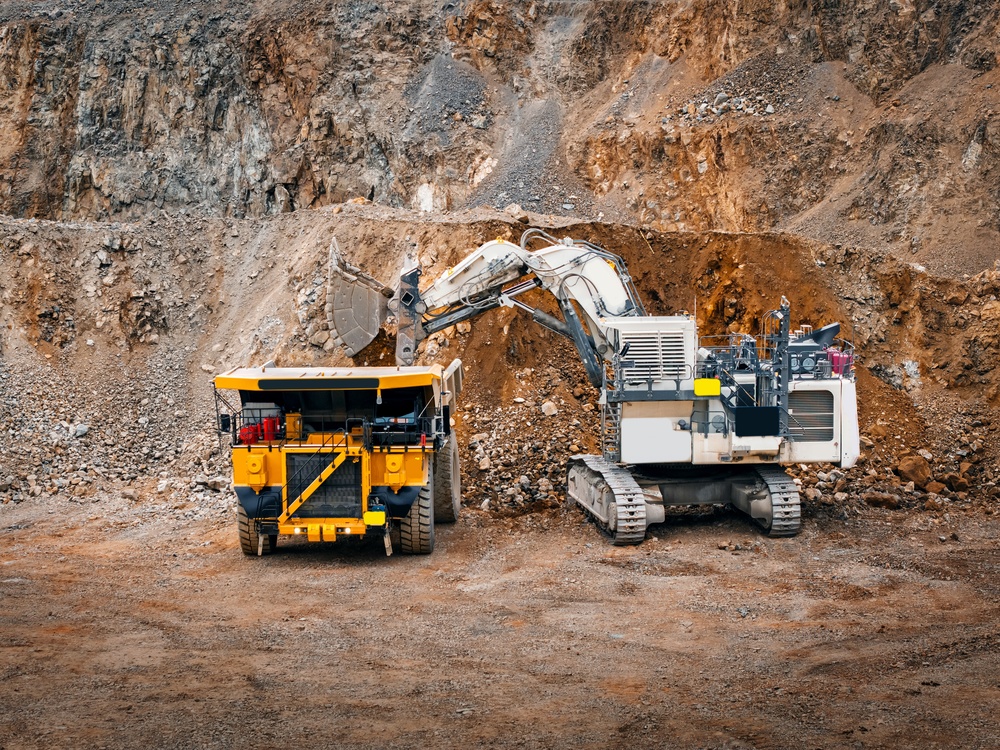
India imported around US$458 million of ores, slag and related mineral materials from Oman.
Mining is one of the sectors targeted for expansion under Oman Vision 2040, and India’s enormous steel, construction and manufacturing industries create a natural long-term market for processed and unprocessed mineral products.
6. Inorganic Chemicals: US$410.6mn
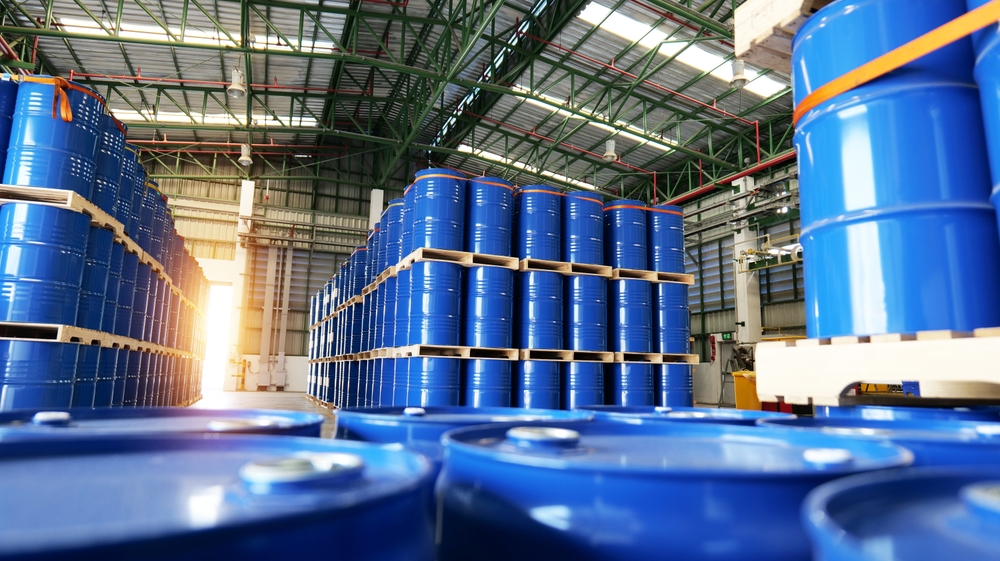

Oman’s inorganic chemical exports to India were worth approximately US$411 million. Combined with organic chemicals, the numbers reveal the increasingly important role played by Oman’s industrial and petrochemical sectors in bilateral trade.
7. Aircraft & Spacecraft: US$186.1mn*

India’s trade statistics recorded approximately US$186.1 million under the aircraft, spacecraft and parts category from Oman in 2025. However, this figure requires important context.
Shipment-level customs records indicate that a significant portion of the value relates to Oman Air aircraft temporarily entering India for maintenance, repair and overhaul (MRO) rather than conventional exports or aircraft sales. One Oman Air Boeing 737 MAX alone was recorded entering India for MRO at a declared value of more than US$61 million.
The category should therefore not be interpreted as Oman exporting US$186 million worth of domestically produced aircraft to India. Instead, it partly reflects the high asset values attached to aircraft crossing the border for aviation maintenance and related activities.
When an aircraft owned by a carrier like Oman Air enters India for MRO services, customs declarations require listing the full book value of the asset for insurance, liability, and bond-guarantee purposes. Even though the aircraft is not being sold, its temporary crossing is logged into broad trade data categories (like HS Code 88: Aircraft, Spacecraft, and Parts). Once the maintenance is finished, the asset returns to Oman.
8. Plastics: US$165.7mn
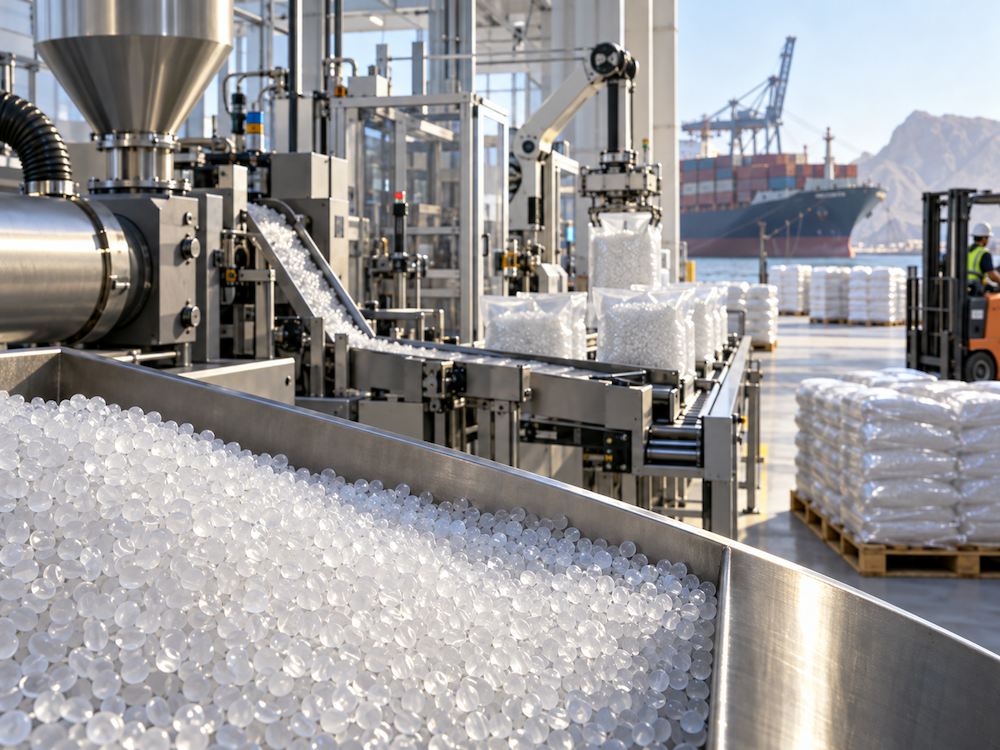
Oman exported approximately US$166 million in plastics and plastic-related products to India. This is another potentially important downstream opportunity. Rather than exporting hydrocarbons alone, Oman’s petrochemical industry can convert feedstock into higher-value industrial materials before export.
9. Iron And Steel: US$96.8mn
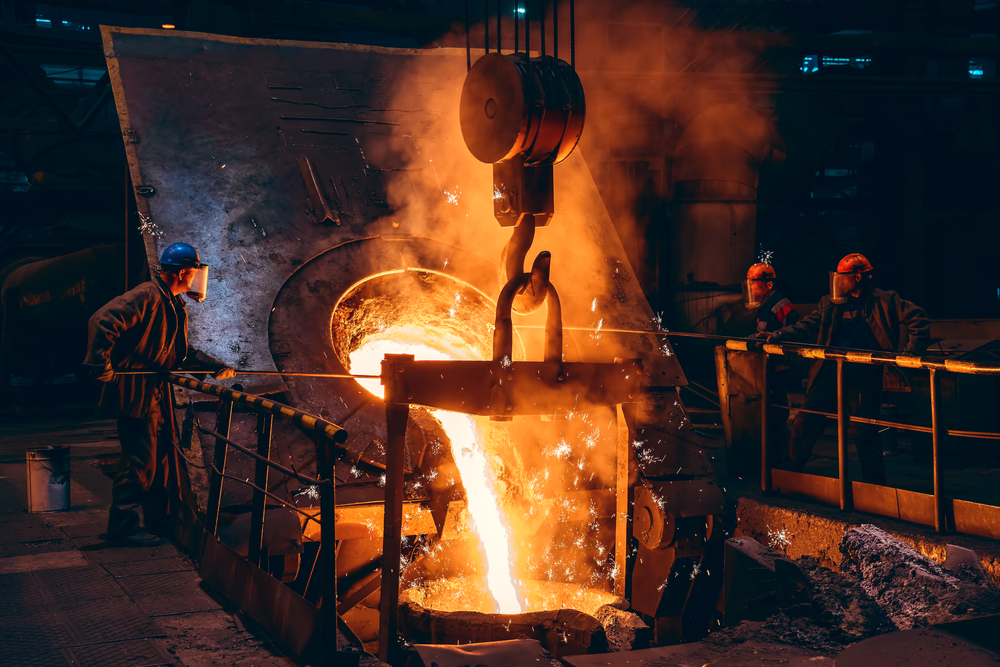
Iron and steel exports reached approximately US$97 million. The sector could become more important as Oman expands metals manufacturing around Suhar and Duqm and seeks to develop lower-carbon industrial production using renewable energy and green hydrogen.
10. Optical, Technical And Medical Equipment: US$67.4mn
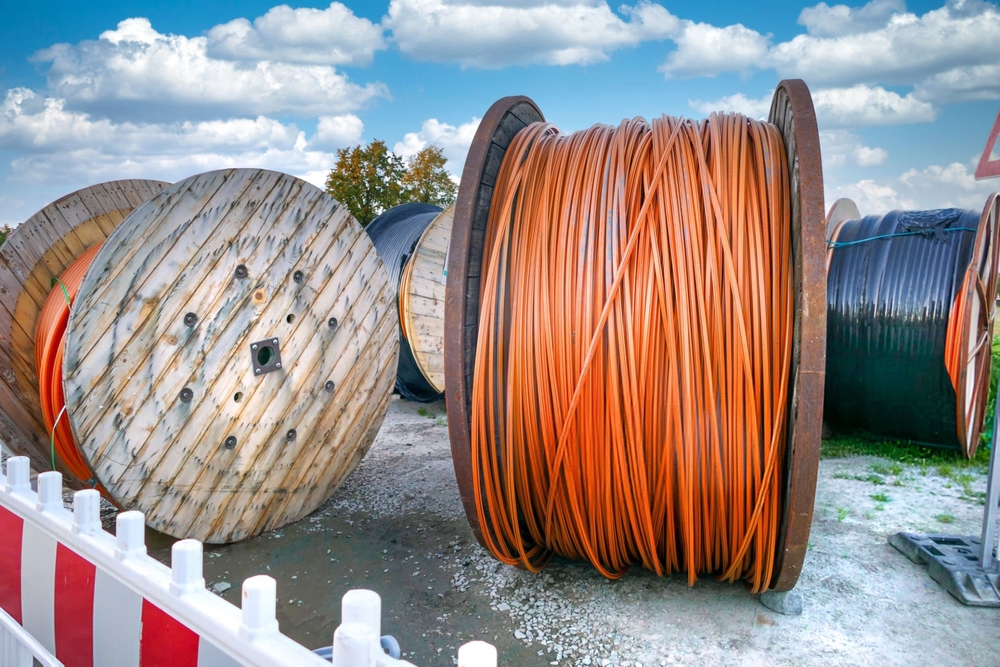
Oman also exported around US$67 million worth of optical, technical, medical and precision equipment to India during the year.
While relatively small compared with energy and fertilisers, categories such as these are important because they indicate opportunities for a more diversified bilateral trading relationship.
What Does India Sell Oman?
The flow in the opposite direction is considerably more diversified. India exported approximately US$4.28 billion worth of merchandise to Oman during calendar-year 2025.
The ten largest categories were:
- Mineral fuels and petroleum products: US$1.95bn
- Inorganic chemicals: US$305.3mn
- Articles of iron and steel: US$239.1mn
- Machinery and mechanical equipment: US$204.5mn
- Cereals: US$174.6mn
- Electrical and electronic equipment: US$146.1mn
- Ships, boats and floating structures: US$87.9mn; meat
- Edible offal: US$82.3mn
- Iron and steel: US$79.9mn
- Plastics: US$76.4mn.
Petroleum products alone represented around 46% of India’s exports to Oman, illustrating an interesting feature of the relationship: hydrocarbons move in both directions because the two countries trade different crude grades, fuels, feedstocks and refined petroleum products.
Beyond energy, however, India’s export basket is considerably broader. Machinery, steel products, electrical equipment, cereals, meat, chemicals and plastics all feature prominently, reflecting India’s position both as an industrial manufacturing centre and as one of Oman’s major suppliers of food and consumer products.
CEPA: Comprehensive Economic Partnership Agreement
The biggest change to this relationship arrived on 1 June 2026, when the Oman-India Comprehensive Economic Partnership Agreement formally entered into force. The agreement had been signed in Muscat on 18 December 2025 and subsequently ratified in Oman through Royal Decree No. 30/2026.
It is particularly significant for Oman because it represents the Sultanate of Oman’s first bilateral trade agreement in nearly two decades. The CEPA goes well beyond simply reducing customs duties.
It covers trade in goods and services, rules of origin, customs procedures, investment, regulatory cooperation, sanitary and technical requirements and mechanisms aimed at making cross-border commerce easier. Oman Customs says the agreement is intended to reduce or eliminate tariffs, remove non-tariff obstacles, simplify procedures and improve the competitiveness of Omani exports.
How Much Of Oman’s Trade Actually Benefits?
Under CEPA, India has agreed to liberalise tariffs on 77.79% of its tariff lines, covering 94.81% of India’s existing imports from Oman by value.
In other words, although India has not opened every individual product category, the products receiving some form of preferential treatment account for almost 95% of the value of what India currently buys from Oman. That is a substantial level of commercial coverage.
However, it is important to distinguish tariff liberalisation from universal immediate zero-duty treatment. Some products receive outright tariff elimination or reductions, while certain sensitive categories are subject to mechanisms such as Tariff Rate Quotas (TRQs) or minimum import prices.
India has also retained an exclusion list covering strategically sensitive sectors, particularly parts of agriculture and selected industrial products. But considering that the preferential treatment covers 94.81% of imports from Oman by value, the agreement still reaches the overwhelming majority of the existing commercial relationship.
The Opportunity Goes Beyond Oil

The bigger strategic benefit for Oman may ultimately come from what is not yet being exported. India is now the world’s most populous major economy and one of its fastest-growing large markets. Access to a market of this scale gives Omani manufacturers significantly greater room to build export-oriented industries.
Products such as fertilisers, chemicals, petrochemicals, metals, minerals, plastics, fisheries products and processed foods could become increasingly important.
CEPA also provides a specific example of how niche Omani exports could benefit: a tariff-rate quota allows 2,000 tonnes of Omani dates to enter India at zero duty annually, while products including frankincense are also covered by preferential arrangements.
A Manufacturing Bridge Between India And The World
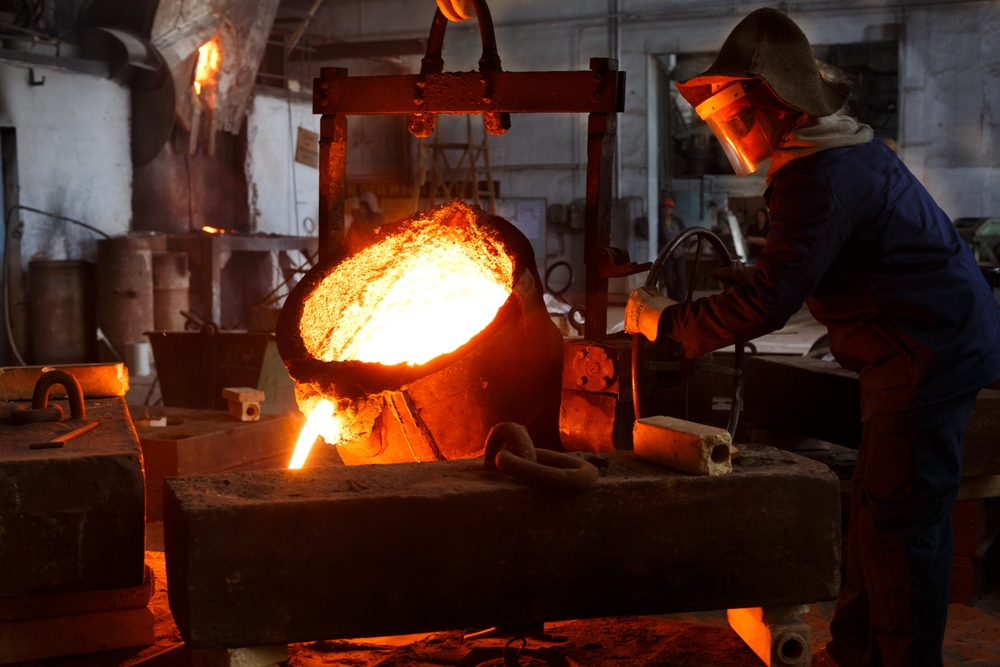
CEPA could also make Oman more attractive as a manufacturing location for Indian businesses. Oman already offers major industrial and logistics hubs through Suhar, Duqm and Salalah, supported by ports, free zones and special economic zones.
At the Oman-India Business Forum, officials specifically highlighted manufacturing, storage, distribution and re-export opportunities through these locations. But there is another strategic advantage: Oman is the only GCC country currently possessing both a Comprehensive Economic Partnership Agreement with India and a bilateral Free Trade Agreement with the United States.
That creates the possibility of Indian companies investing in genuine manufacturing and processing operations in Oman and potentially accessing multiple markets from an Omani base, provided the relevant rules of origin and value-addition requirements under each trade agreement are satisfied.
This is important as CEPA cannot simply be used to transship Indian goods through Oman. But if companies establish factories, processing facilities or other genuine value-added activities inside the Sultanate, Oman’s combination of trade agreements, ports and geographic location could become a powerful investment proposition.
One other particularly important provision is bilateral cumulation under the Rules of Origin. This allows qualifying Indian materials used by an Omani manufacturer to be counted towards origin requirements under specified circumstances.
For businesses, this creates opportunities to build integrated India-Oman supply chains rather than requiring every input to originate domestically. An Indian component could potentially enter an Omani factory, undergo qualifying manufacturing or processing and form part of a product eligible for preferential treatment, subject to the product-specific rules contained in the agreement.
This could be particularly useful for industries such as engineering, chemicals, food processing, pharmaceuticals, metals and light manufacturing.
Trade Is Already Accelerating
CEPA is still extremely new, meaning it is too early to determine its long-term impact; it only entered into force on 1 June 2026.
There are, however, early indications that businesses are beginning to use it. India reported 783 Certificates of Origin issued under CEPA shortly after implementation, while the number of HS tariff lines exported from India to Oman increased from 2,879 in May to 3,371 in June 2026.
Indian exports across those lines reached US$622.8 million in June, compared with US$402.7 million in May and US$215.1 million in June 2025.
The figures should not yet be treated as proof of a permanent CEPA-driven surge – monthly trade can fluctuate sharply – but they demonstrate how quickly companies can respond when tariffs and market-access barriers are lowered.
The Bigger Question For Oman
The Oman-India trade relationship is already worth more than US$11 billion annually, but today’s numbers show that Oman’s side of the relationship remains heavily concentrated in energy, fertilisers, minerals and chemicals. That, in our opinion, is both a strength and an opportunity.
These industries give Oman a substantial trade surplus with India and provide a strong industrial foundation on which to build. But CEPA creates an opportunity to move further down the value chain – from crude materials to chemicals, from minerals to metals, from hydrocarbons to finished plastics and from raw food products to processed exports.
India has liberalised tariffs covering almost 95% of the value of its imports from Oman. Oman, meanwhile, offers Indian exporters duty-free access across 98.08% of its tariff lines covering 99.38% of India’s existing exports by value – and that makes the agreement unusually broad.
For Oman, however, the real measure of success will not simply be whether bilateral trade climbs from US$11 billion to US$12 billion or US$15 billion. It will be whether CEPA helps the nation increase non-oil exports, attract Indian manufacturing investment, create industrial jobs, deepen activity around Suhar, Duqm and Salalah, and turn Oman into a value-added production and logistics bridge between India, the Gulf and wider global markets.
That was also the underlying message emerging from last week’s Oman-India Business Forum: the agreement has been signed and implemented. The next phase is turning preferential tariffs into actual factories, export contracts and investment.