Featured
Oman’s Road Network Is Longer Than Those of These 10 Countries

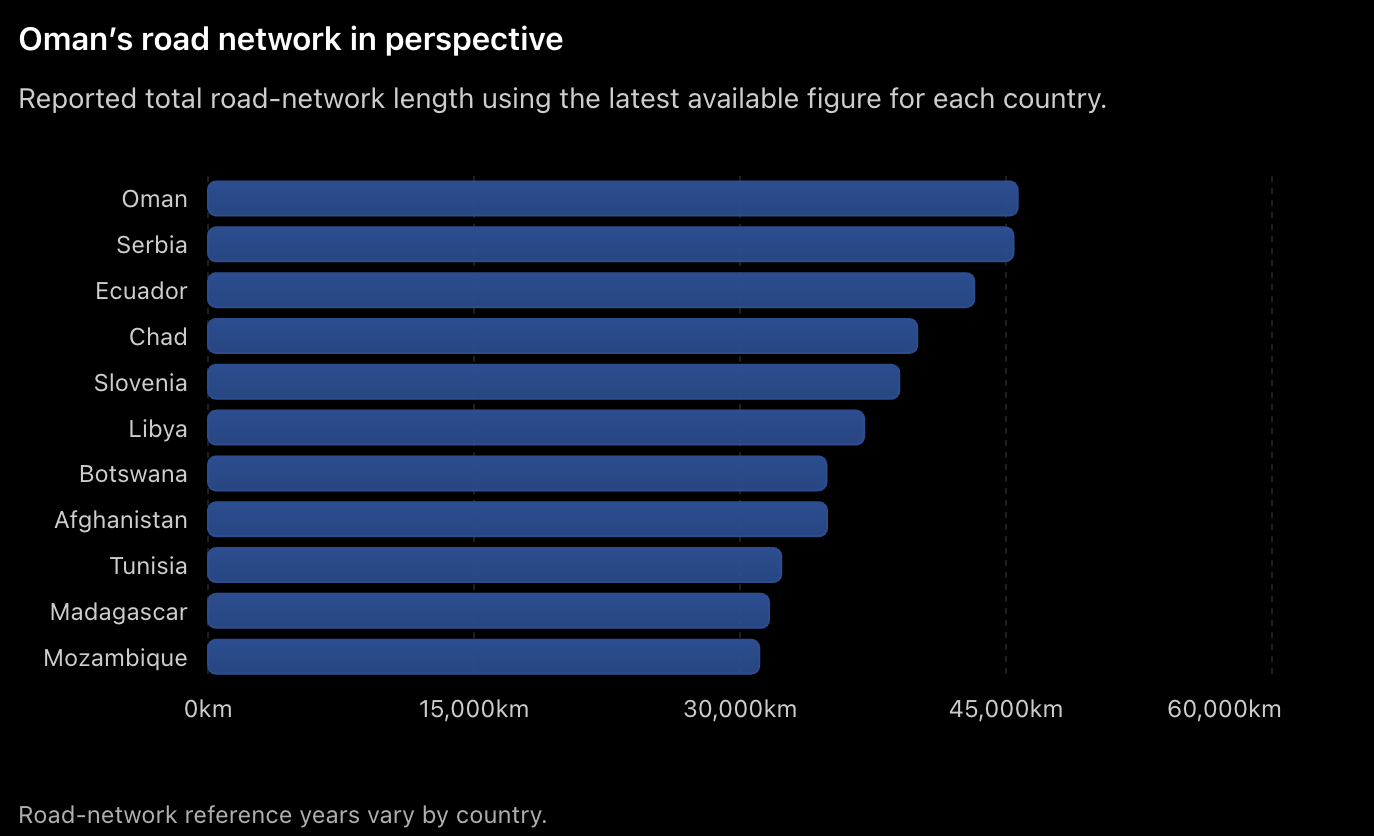
With 45,659 kilometres of roads recorded by the end of 2025, Oman’s network exceeds those reported by several larger and more populous nations.
The Sultanate of Oman’s road network has expanded considerably over the past five years, rising from 40,546 kilometres in 2021 to 45,659 kilometres by the end of 2025 – an increase of 5,113 kilometres, or approximately 12.6%, as reported by the Oman News Agency.
According to the Statistical Yearbook 2026, issued by the National Centre for Statistics and Information, single-carriageway roads accounted for 41,478 kilometres, while dual-carriageway roads extended for 4,182 kilometres. A separate classification placed the length of asphalted roads at 44,079 kilometres.
To place the scale of Oman’s infrastructure in perspective, its reported network is longer than the latest available road-network figures for several countries – including nations substantially larger or more populous than Oman.
Oman compared with 10 countries
| Country | Reported road network | Data year | 2025 population | Total area | Approx. population density |
|---|---|---|---|---|---|
| Oman | 45,659 km | 2025 | 5.49 million | 309,500 km² | 17.8/km² |
| Serbia | 45,419 km | 2024 | 6.55 million | 88,500 km² | 74.0/km² |
| Ecuador | 43,216 km | 2015 | 18.29 million | 256,400 km² | 71.3/km² |
| Chad | 40,000 km | 2018 | 21.00 million | 1.284 million km² | 16.4/km² |
| Slovenia | 38,985 km | 2012 | 2.12 million | 20,300 km² | 104.5/km² |
| Libya | 37,000 km | 2010 | 7.46 million | 1.760 million km² | 4.2/km² |
| Botswana | 34,873 km | 2024 | 2.56 million | 581,700 km² | 4.4/km² |
| Afghanistan | 34,903 km | 2021 | 43.84 million | 652,900 km² | 67.2/km² |
| Tunisia | 32,332 km | 2020 | 12.35 million | 163,600 km² | 75.5/km² |
| Madagascar | 31,640 km | 2018 | 32.74 million | 587,000 km² | 55.8/km² |
| Mozambique | 31,083 km | 2015 | 35.63 million | 799,400 km² | 44.6/km² |
Population figures are 2025 estimates drawn from the World Bank population database, incorporating UN population data. Area figures use total surface area; density has been calculated using the population and area values shown. Road-network years vary because countries do not publish internationally comparable road inventories on a common annual schedule.

1. Serbia


Serbia comes closest to Oman in the comparison, with a reported road network of approximately 45,419 kilometres – just 240 kilometres shorter than Oman’s 2025 figure.
However, Serbia accommodates a larger population of around 6.55 million within a territory less than one-third the size of Oman. Its population density is consequently more than four times Oman’s. Serbia’s network includes state roads, motorways and an extensive system of municipal roads.
2. Ecuador


Ecuador’s road network is reported at 43,216 kilometres, making Oman’s network approximately 2,443 kilometres longer.
The comparison is particularly notable because Ecuador has more than three times Oman’s population. Its territory is smaller than Oman’s, but its mountainous terrain, Amazonian regions and dispersed settlements present considerable road-development challenges. The reported Ecuador figure includes paved and unpaved roads. The archived road inventory records 8,161 kilometres as paved and 35,055 kilometres as unpaved.
3. Chad

Editorial credit: Joe Dordo Brnobic / Shutterstock.com
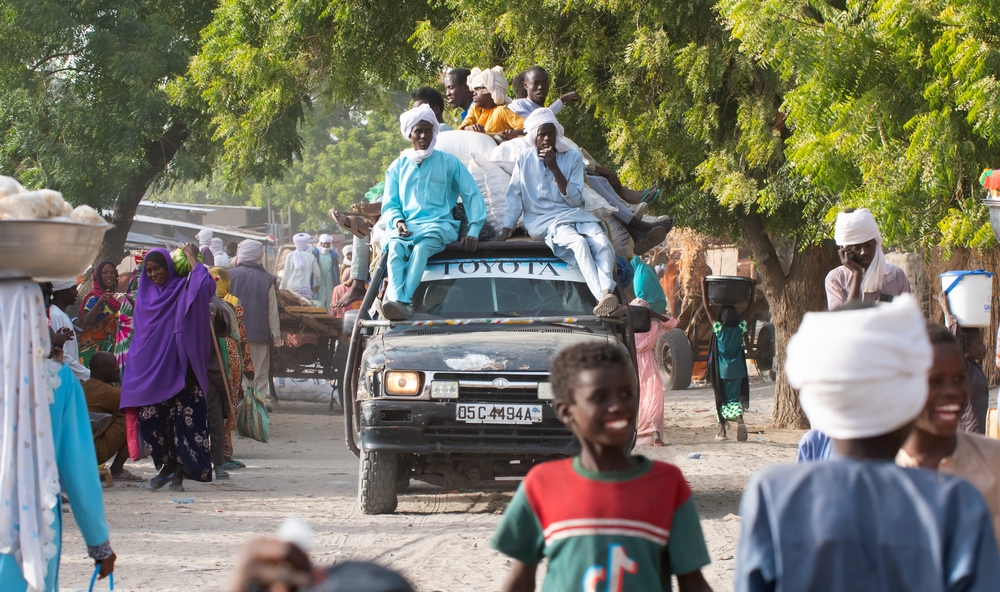
Chad is one of the clearest examples of how geography alone does not determine the size of a road network. At approximately 1.28 million square kilometres, it is more than four times the size of Oman and has a population approaching 21 million.
Despite this, Chad’s reported network stands at around 40,000 kilometres – 5,659 kilometres below Oman’s. Its low road density reflects the enormous distances involved, limited paved coverage and the difficulty of connecting remote desert and rural communities.
4. Slovenia
Editorial credit: Natalia Schuchardt / Shutterstock.com
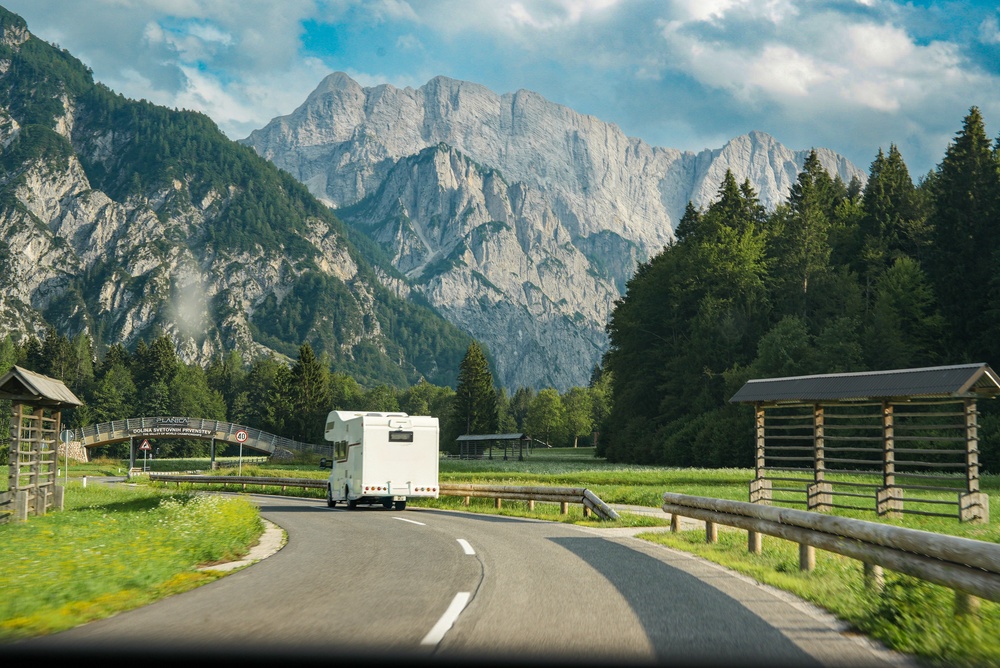
Slovenia has a comparatively dense and highly developed transport system, but the country’s small physical size limits the total length of its network. Its reported 38,985 kilometres of roads are approximately 6,674 kilometres below Oman’s total.
Slovenia’s population density exceeds 100 people per square kilometre, compared with fewer than 18 in Oman. Consequently, Slovenia has a far more concentrated network, while Oman must connect settlements and economic centres across a much larger territory.
5. Libya
Editorial credit: BasPhoto / Shutterstock.com
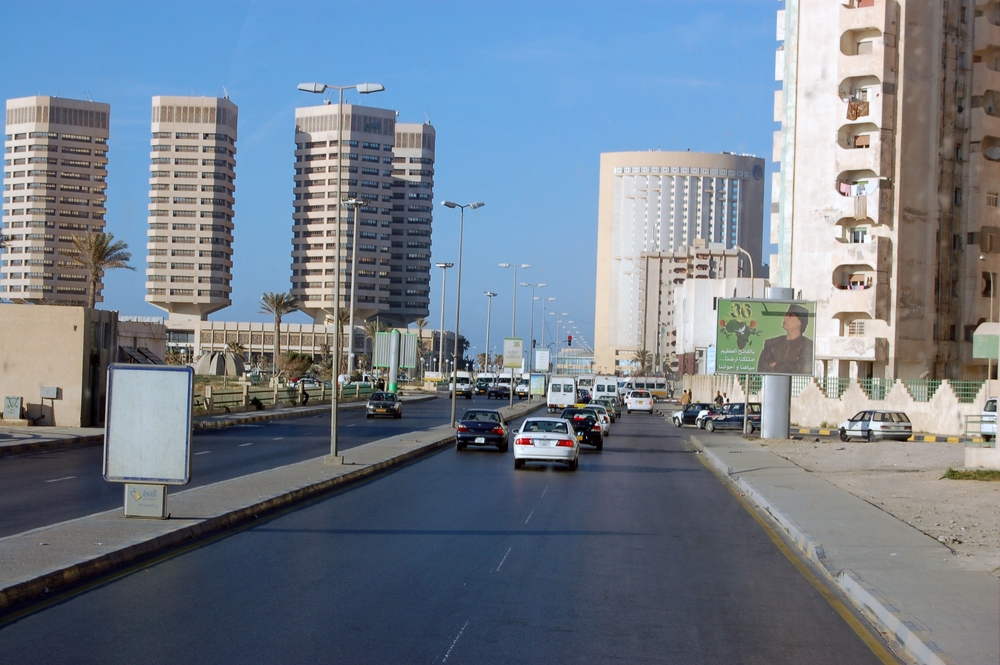
Libya covers approximately 1.76 million square kilometres – nearly six times Oman’s area – but has a reported road network of around 37,000 kilometres.
Its population of approximately 7.46 million is concentrated largely along the Mediterranean coast. The vast, sparsely inhabited interior reduces the commercial case for building dense road coverage across the entire country. Oman’s network is approximately 8,659 kilometres longer despite its significantly smaller geographical footprint.
6. Botswana
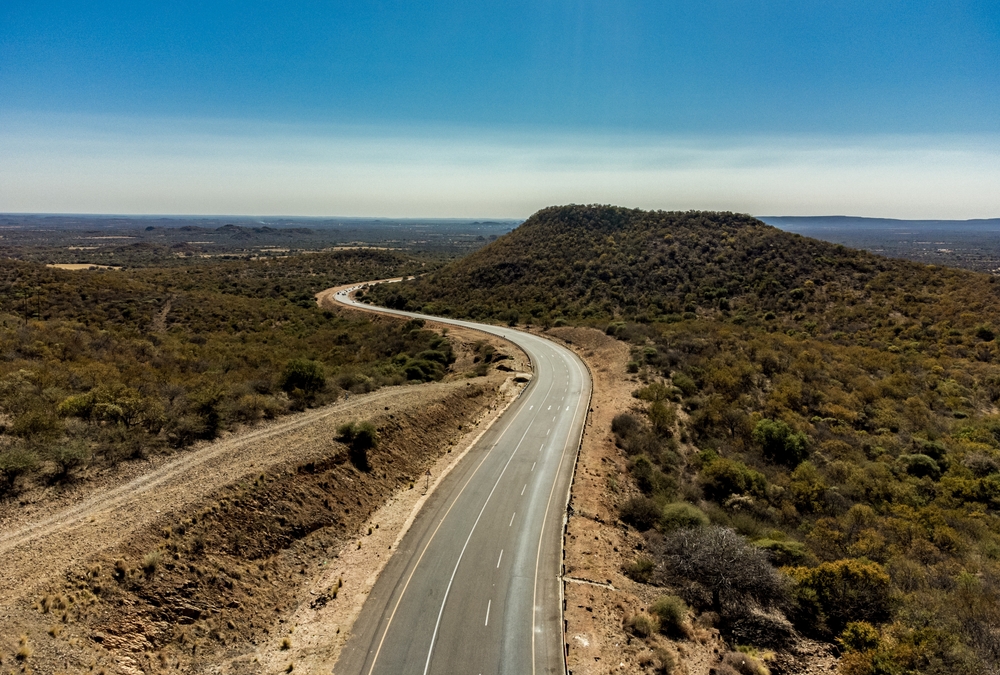

Botswana’s latest transport statistics place its road network at approximately 34,873 kilometres, including paved, gravel and other unpaved roads. Oman’s network is therefore almost 10,800 kilometres longer.
Botswana is nearly twice Oman’s size but has less than half its population. The country faces the infrastructure challenge of connecting communities across large, sparsely populated areas. Botswana’s updated figure comes from its 2024 transport statistics, while the Botswana Government separately identifies an 18,443.8-kilometre public highway network, demonstrating how totals change according to the roads included.
7. Afghanistan


Afghanistan has an estimated population of 43.84 million – almost eight times Oman’s – and covers more than twice Oman’s area. Nevertheless, its reported road network stands at approximately 34,903 kilometres.
Oman’s network is therefore about 30.8% longer. Afghanistan’s mountainous geography, decades of conflict and uneven infrastructure investment have restricted the construction and maintenance of reliable road connections.
8. Tunisia
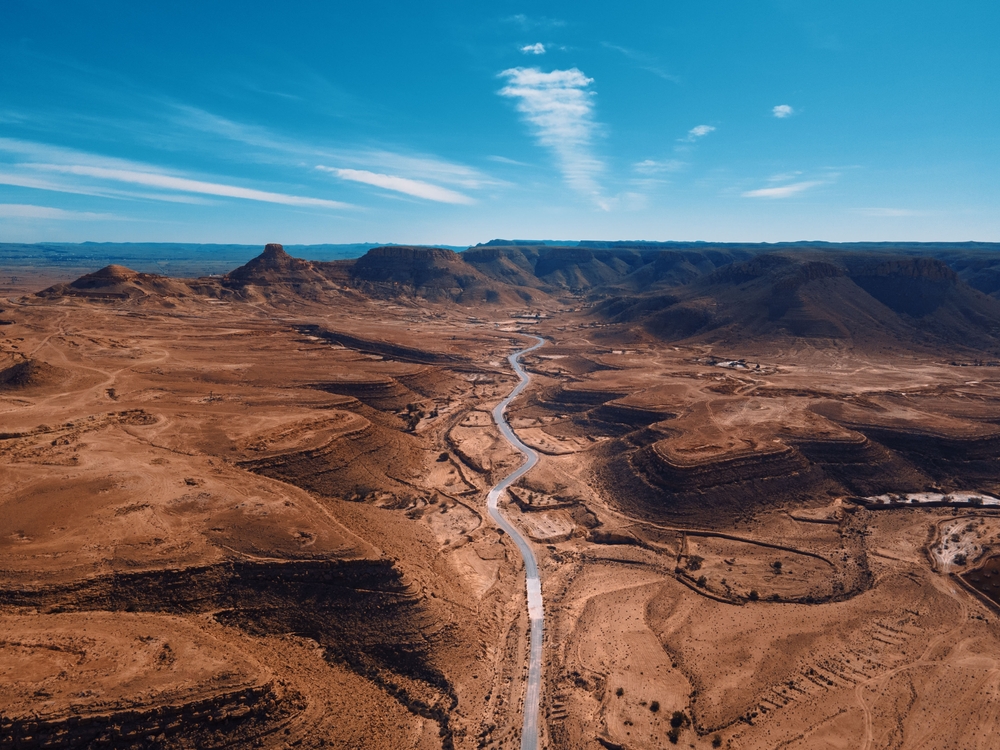

Tunisia’s reported network of 32,332 kilometres is approximately 13,327 kilometres shorter than Oman’s. Tunisia has more than twice Oman’s population despite occupying only around half its area.
The archived 2020 inventory classified 12,264 kilometres as paved and 20,068 kilometres as unpaved. The World Factbook archive records the combined total at 32,332 kilometres.
9. Madagascar


Madagascar is almost twice Oman’s size and has a population of approximately 32.74 million. However, its reported road network extends for around 31,640 kilometres – 14,019 kilometres below Oman’s figure.
The contrast also extends to road quality. A large portion of Madagascar’s network consists of unpaved routes that can become difficult to use during the rainy season. Oman, by comparison, reports 44,079 kilometres specifically classified as asphalted roads.
10. Mozambique
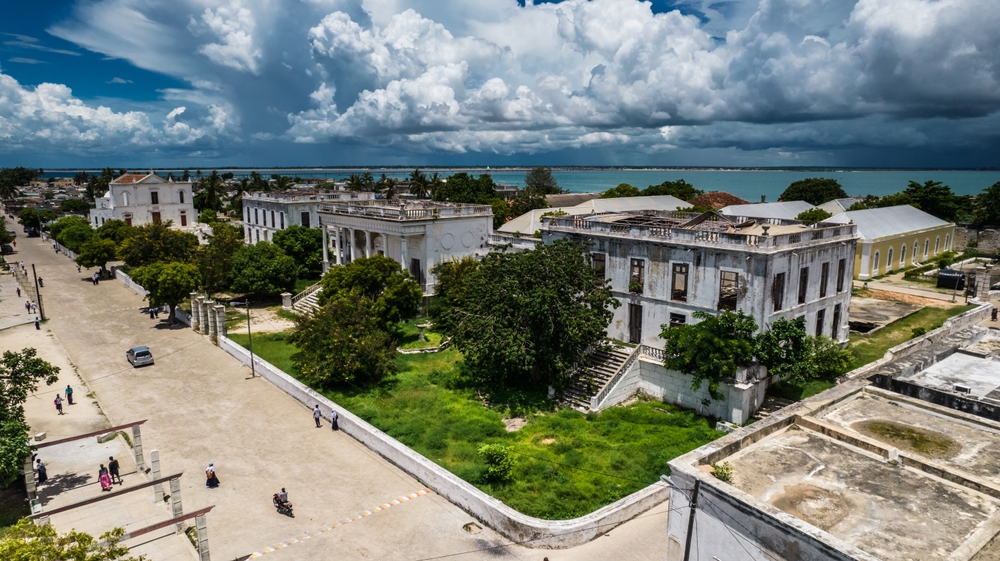

Mozambique has the smallest reported road network in this comparison, at approximately 31,083 kilometres. Oman’s network is around 14,576 kilometres longer, or nearly 47% greater.
Mozambique covers approximately 799,400 square kilometres and has more than 35.6 million residents. Its dispersed rural population and exposure to floods and cyclones create substantial challenges for road construction, resilience and year-round maintenance.
What the comparison reveals
Oman’s achievement is not simply the absolute number of kilometres constructed. The country maintains an extensive road system despite its relatively small population and low population density.
At 45,659 kilometres, Oman has approximately 8,310 kilometres of road for every one million residents. That is substantially higher than the comparable ratios in Ecuador, Chad, Afghanistan, Tunisia, Madagascar and Mozambique.
The network must also cross mountains, deserts, wadis and long distances between population centres. Roads support access to ports, industrial estates, tourism destinations, oil and gas operations, agricultural communities and emerging investment zones outside the main urban centres.
However, total length should not be interpreted as a direct ranking of overall transport performance. Countries classify municipal roads, rural tracks, private roads, carriageways and unpaved routes differently. Network quality, capacity, safety, maintenance and connectivity are ultimately as important as the headline number.
The World Bank’s definition of a total road network includes national, regional, secondary, urban and rural roads, but national reporting practices still vary. World Bank road-network methodology.
More drivers accompanying the expansion


The growth of Oman’s roads has been accompanied by a marked increase in driving-licence activity. New and renewed licences reached approximately 527,830 in 2025, up from 500,738 in 2024 and 338,990 in 2021.
Of the 2025 total, 136,491 were new licences and 391,339 were renewals. Omani nationals accounted for 227,718 licences, while expatriates accounted for 300,112.
Together, the figures underline the growing demand being placed on Oman’s transport infrastructure – and the importance of continuing investment in maintenance, road safety, intelligent transport systems and resilient construction as the network expands.