Economy
What is El Nino – And How Is It Expected To Affect Oman’s Weather & Economy?

Heavier rainfall could replenish Oman’s water resources while disrupting roads, farms and businesses. But overseas, the same climate phenomenon could influence food supplies, shipping costs and energy demand, creating a complex economic picture for the Sultanate of Oman.
Although the Pacific Ocean lies thousands of kilometres from Oman, changes in its temperatures and atmospheric circulation can influence the Sultanate of Oman’s rainfall outlook while sending economic effects through food imports, electricity consumption and international trade.
A wetter period in northern Oman could improve water availability for some communities, even as drought in an overseas agricultural region raises purchasing costs for an Omani importer. For businesses and households, the significance of El Niño therefore extends well beyond whether the coming months bring more rain or warmer days.
The strengthening event has brought that relationship into sharper focus, with the US National Oceanic and Atmospheric Administration’s Climate Prediction Center assigning a probability of more than 83 per cent to a strong-to-very-strong El Niño continuing through January to March 2027 in its 8 October assessment.
The World Meteorological Organization also expects the event to persist into early 2027, reinforcing the case for governments and businesses to examine their exposure. Within Oman, the eventual balance of benefits and costs will depend on local weather, the performance of infrastructure and the country’s connections to markets affected elsewhere.
What is El Niño? Understanding the Climate Pattern Behind the Headlines
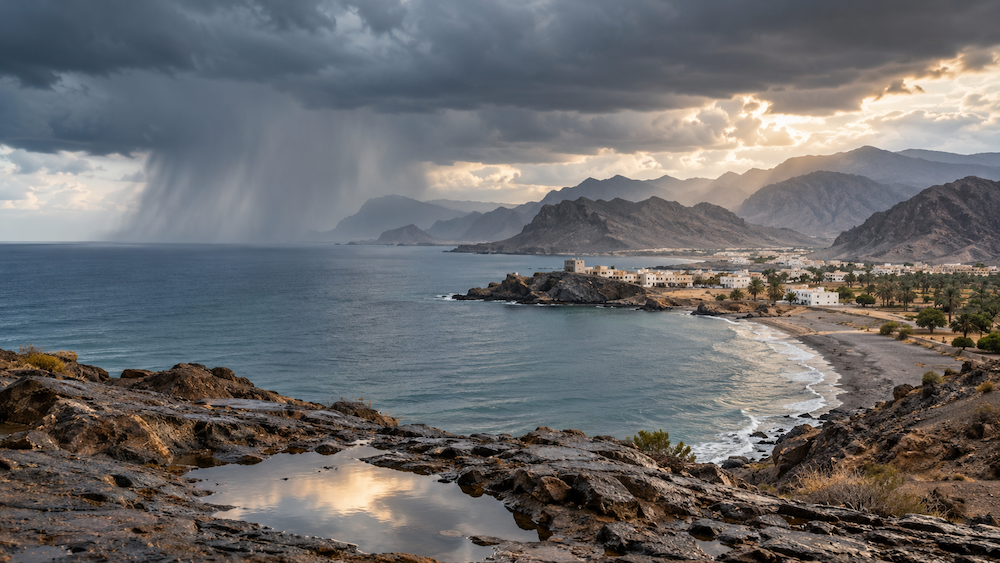

El Niño develops through an interaction between the tropical Pacific Ocean and the atmosphere, as weakening trade winds allow warm surface water to spread eastwards and shift the areas where tropical rainfall is concentrated. These changes can influence atmospheric circulation far beyond the Pacific, altering the likelihood of wetter, drier or warmer conditions in different regions.
As the warm phase of the El Niño-Southern Oscillation, commonly abbreviated to ENSO, it forms part of a recurring natural cycle whose events typically occur every two to seven years.
The effects reaching Oman are shaped by the interaction of this global climate pattern with regional weather systems, which helps explain why an ENSO forecast cannot provide a complete picture of conditions across the Sultanate of Oman. Research by Sultan Qaboos University scientists identifies upper-air troughs over the eastern Mediterranean and wider circulation patterns as important influences on northern Oman’s winter rainfall.
El Niño offers additional information for seasonal forecasting, but the development of an individual storm still depends on the moisture, winds and atmospheric conditions present at the time.
Why Northern Oman Is Receiving Particular Attention
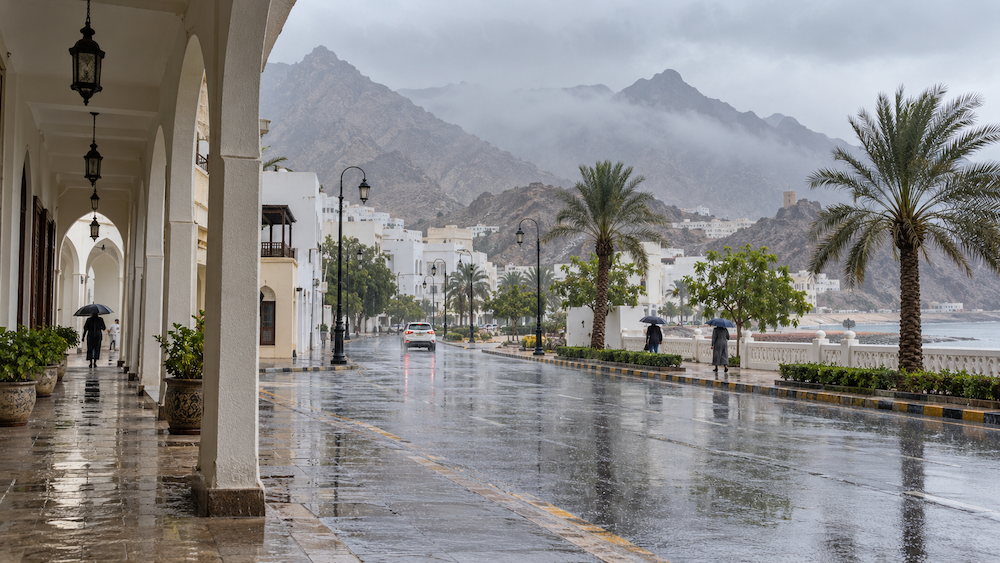
Northern Oman has the clearest wet signal in the Civil Aviation Authority (CAA)’s national El Niño report, which favours above-average rainfall in October and November 2026 and identifies a possibility of above-average rainfall continuing in December.
Most other areas are expected to remain near their climatic averages, although Arabian Sea-facing coastal areas have a below-normal rainfall signal in October 2026. For businesses operating across several governorates, that geographical variation matters because a national headline about wetter weather can conceal substantially different conditions at individual sites.
Historical rainfall patterns provide additional context, with the CAA’s analysis for 1980-2025 associating El Niño years with rainfall around 20 per cent above climatic averages in September-November, 31 per cent above in December-February and 54 per cent above in March-May.
These are historical associations rather than predicted increases for the current season, and they do not imply that every wilayat will receive the same additional rainfall. Their planning value lies in drawing attention to a potentially wetter background, while leaving the timing, intensity and location of individual events to more detailed forecasts.
When Additional Rainfall Becomes a Flood Risk
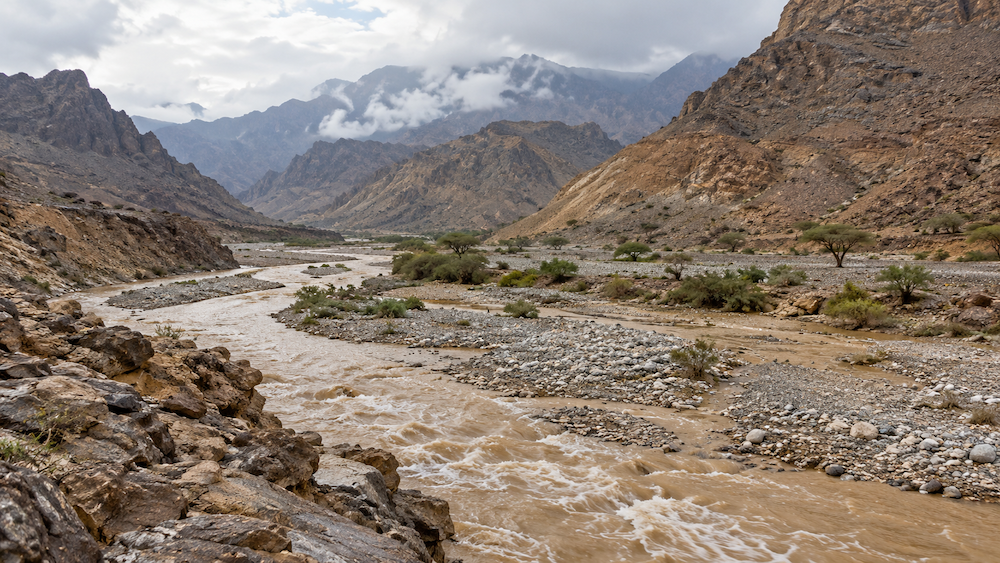
The economic value of a wetter season depends heavily on how rainfall arrives, because several manageable episodes can have a very different effect from an intense downpour concentrated within a few hours. Oman Meteorology explains that western disturbances can bring cold air at higher levels into contact with warmer, moist air below, creating conditions for thunderstorms, heavy rain, hail and strong downdrafts.
Where rainfall is sufficiently intense, these systems can produce flash flooding in wadis and low-lying areas, making short-range warnings essential even when the broader seasonal outlook appears beneficial for water resources.
Disruption can spread through a local economy too without every affected business suffering direct flood damage, particularly where several companies depend on the same road, delivery route or utility connection. A warehouse that remains dry may still be unable to dispatch goods, while a construction site could lose working time because materials and employees cannot reach it.
These possibilities make access and continuity planning relevant alongside drainage and property protection, with the actual consequences determined by the location of assets, the severity of the weather and the availability of alternative arrangements.
A Wetter Outlook Does Not Guarantee a Colder Winter
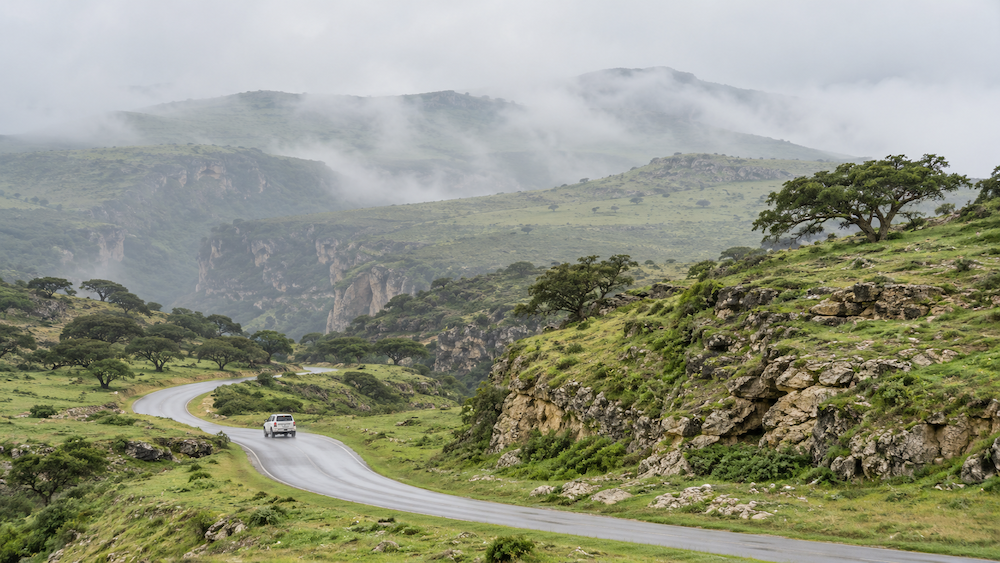
Expectations of additional rain need to be considered alongside the CAA’s temperature outlook, which projects above-average temperatures across Oman during October-December 2026 and attributes the expected warmth to several regional and global influences.
The same report discusses the possibility of cold outbreaks between December and April, illustrating how a relatively warm seasonal average can coexist with shorter periods of noticeably colder weather. For residents anticipating a prolonged cold winter, the evidence supports a more varied picture in which warmer periods and occasional cold spells may both feature.
Businesses with temperature-sensitive operations would therefore benefit from retaining flexibility, rather than preparing around a single description of the entire season as either warm or cold. Hotels and commercial buildings may continue to require substantial cooling during warmer periods, while mountain accommodation and agricultural operations may need to respond to short cold spells when they occur.
Decisions concerning summer 2027 would require updated forecasts closer to that season, since the current winter outlook does not establish the temperatures Oman will experience many months later.
How to Interpret the Arabian Sea Cyclone Risk
Oman’s exposure to tropical cyclones requires attention to conditions in the Arabian Sea, where storm development depends on sea temperatures, atmospheric moisture and wind patterns alongside wider climatic influences. Oman Meteorology identifies the periods before and after the summer monsoon as the principal windows of activity, with particular peaks in May-June and October-November.
A seasonal climate assessment can inform preparedness during these periods, but it cannot identify the date, intensity or eventual landfall location of a storm that has yet to develop.
For ports, fishing fleets, coastal hotels and industrial facilities, the commercial relevance lies in maintaining readiness while allowing operational decisions to follow the evolution of actual weather systems. Reviewing emergency procedures and identifying vulnerable equipment can take place well before a warning, whereas decisions to suspend activities or restrict access require more immediate information.
Treating a strong El Niño as a confirmed forecast of an Omani cyclone landfall would overstate the evidence and could distract from the local monitoring needed to assess a developing threat accurately.
The Potential Benefit for Oman’s Water Resources
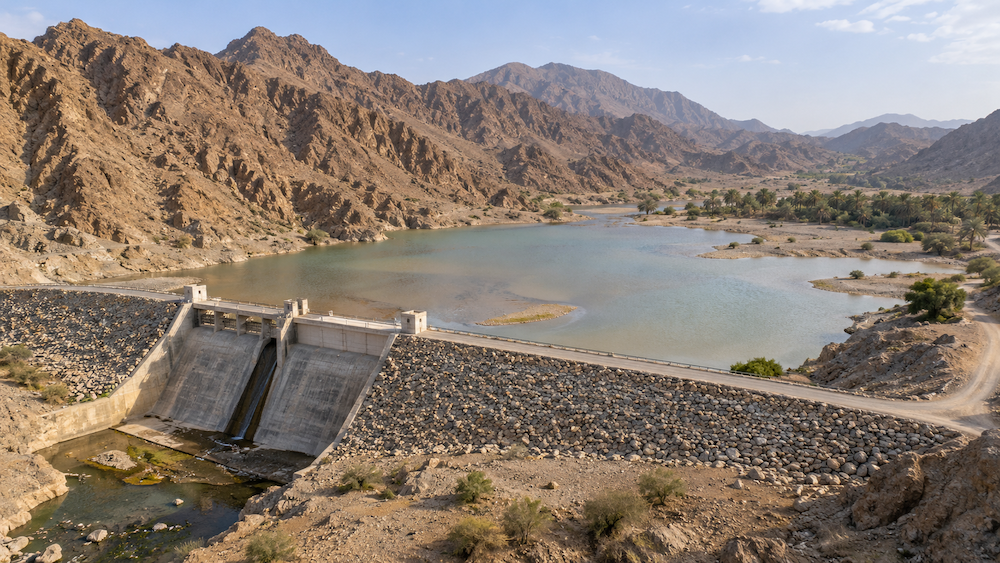
Additional rainfall could provide an economic benefit where it replenishes groundwater and contributes to usable water storage, particularly when the rain reaches catchments equipped to retain it effectively. Oman’s infrastructure includes 85 groundwater-recharge dams with combined capacity of approximately 110.3 million cubic metres, according to a May 2026 ministerial statement to the Shura Council.
Although that figure represents infrastructure capacity rather than water currently stored or the volume expected from future rainfall, it demonstrates the importance of converting seasonal rain into a resource that remains useful after the weather has passed.
The balance between water gained and damage incurred will depend on local conditions, making the maintenance of recharge structures and drainage corridors central to the value Oman obtains from a wetter period. Rain that supports recharge can strengthen future water availability, while an intense event that overwhelms infrastructure may carry substantial repair costs alongside any replenishment.
For water managers and investors, the relevant question is how much usable water can be retained safely, which connects flood protection, infrastructure maintenance and longer-term resource planning within the same economic calculation.
Agriculture Must Manage Water Gains and Operational Exposure
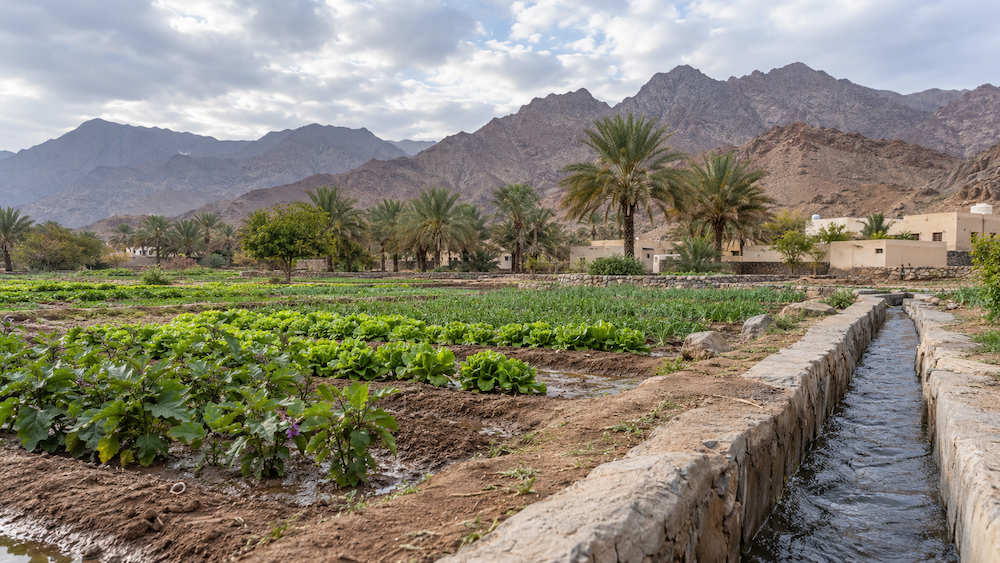
The importance of agricultural resilience has grown alongside the sector’s economic contribution, with agriculture and fishing together accounting for OMR1.132 billion of Oman’s GDP at constant prices in 2025, compared with OMR776 million in 2020.
Better water availability could support production where rainfall reaches useful catchments and can be incorporated into farming operations, but the immediate outcome will vary with the crop, its stage of development and the condition of irrigation and drainage systems. A favourable seasonal water balance therefore does not necessarily translate into an equally favourable result for every farm.
Farm-level planning needs to account for the possibility that rain replenishing water resources could also flood cultivated areas, damage equipment or interrupt access during harvesting and distribution. For producers supplying fresh food, delays between collection and sale can become commercially significant even where the crop itself survives, especially when transport or refrigeration arrangements are affected.
These are practical exposures to assess at the level of individual operations, rather than evidence of an inevitable decline in national agricultural output, and they underline why both water availability and continuity of supply deserve attention.
Food Imports Bring Overseas Weather into Oman’s Economy
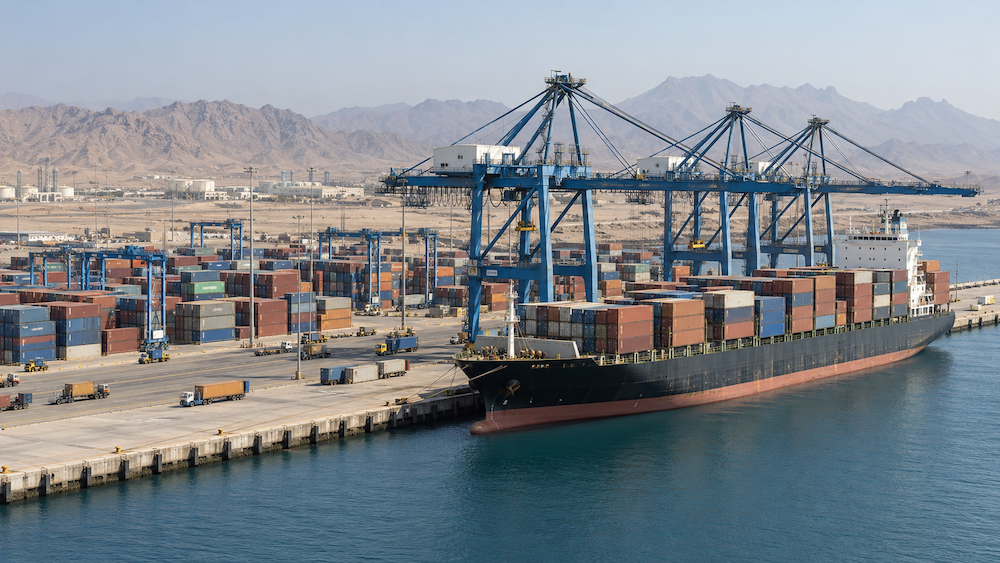
Oman can experience economic effects from El Niño even when domestic weather causes little disruption, because adverse conditions in agricultural exporting regions can influence the availability and price of food entering the country.
The World Bank has identified drought risks across parts of South and Southeast Asia and other producing regions that could affect grains, sugarcane and oilseeds, with export restrictions and higher energy or fertiliser costs capable of amplifying market pressure. For importers, this creates exposure to decisions and conditions across several stages of the supply chain, extending from the harvest to the final shipment.
The degree of exposure varies considerably between products, as illustrated by the May 2026 ministerial statement’s reported self-sufficiency levels of 99 per cent for dates and 96 per cent for milk, compared with 45 per cent for red meat and 24 per cent for fruit excluding dates.
Such differences mean that an aggregate food-security measure cannot fully describe the vulnerability of individual categories. Businesses assessing their position need to examine the origins of specific products, the concentration of suppliers and the timing of contract renewals, while recognising that domestic production and imports can face different pressures simultaneously.
Recent international price movements already demonstrate an uneven picture, with FAO’s Food Price Index rising 1.5 per cent in September 2026 from August and standing 5.8 per cent above its year-earlier level. Sugar prices increased 6.1 per cent during the month, with concerns about India’s rainfall and strengthening El Niño among several contributing factors, while meat and dairy indices declined. These differences caution against treating all food categories as though they will move together, or assigning every increase to the same climatic cause.
Supply conditions also provide some counterweight to the risks, with FAO forecasting the world’s second-largest cereal harvest on record for 2026 despite a decline from 2025. Strong aggregate production can help absorb some disruptions, although the location of available stocks, the specifications buyers require and the ability to move cargo remain commercially important.
Omani buyers may therefore encounter higher costs or longer delivery times for a particular product even when global harvest figures appear relatively comfortable, making detailed sourcing information more useful than a general assumption of either shortage or abundance.
How Household Budgets Could Feel the Pressure

The movement from international commodity prices to an Omani household’s grocery bill takes place through purchasing contracts, inventories, freight costs and retail decisions, which can delay or soften the effect of a change overseas. Retailers replenishing stock at different times may experience different purchasing conditions, while the significance for a family depends on which products become more expensive and how much of its spending those products represent.
A rise in one imported staple would therefore affect household finances differently from a broader increase across several food categories and electricity consumption.
A simple budget illustration shows the sensitivity without implying a forecast: a family spending OMR250 a month on groceries would need another OMR12.50 each month if the cost of its unchanged basket increased by 5 per cent, equivalent to OMR150 over a year.
That assumed increase is not an estimate of El Niño’s effect on Oman, and the sources reviewed do not establish a precise household cost attributable to the current event. Its usefulness lies in showing how relatively modest changes can accumulate when they persist, particularly for families with limited room in their monthly budgets.
Electricity Demand Connects Weather to Operating Costs
Warmer conditions can translate into higher operating expenditure when homes, offices, hotels and shopping centres need to run air conditioning for longer periods or at greater intensity. The International Energy Agency (IEA) estimates that cooling accounted for about a quarter of electricity-demand growth across the Middle East and North Africa since 2015, highlighting the scale of the relationship between temperature and power consumption.
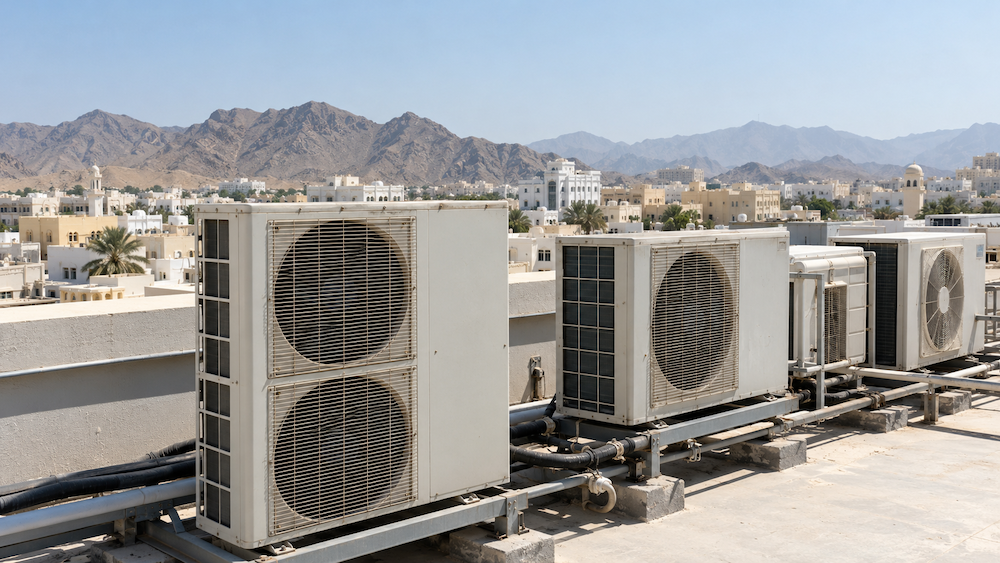
For individual businesses, the effect depends on the building, equipment and pattern of use, with inefficient cooling systems potentially leaving operators more exposed to extended warm periods.
Any additional weather-related demand in Oman would occur within an electricity system already preparing for substantial expansion, as Nama Power and Water Procurement’s 2025-2031 statement projects peak demand in the Main Interconnected System rising from 7,503 megawatts in 2024 to 12,198 megawatts in 2031. Those figures reflect broader development assumptions and should not be interpreted as an El Niño forecast. They nevertheless provide context for the value of managing consumption, since maintenance, efficient air conditioning, shading and insulation can help businesses control expenditure without relying on changes in the tariff.
Outdoor operations face a further form of exposure through the effect of heat on working conditions, which the International Labour Organization (ILO) identifies as a cause of lost working time and reduced work intensity. For construction, maintenance and other activities involving substantial outdoor work, unusually hot periods may require changes to schedules and protective arrangements, with implications for delivery times and costs.
Quantifying that effect for Oman would require local evidence, but its inclusion in operational planning is relevant wherever businesses depend on employees working safely and effectively in demanding temperatures.
Fisheries Require Evidence from Omani Waters
The relationship between El Niño and fisheries deserves close attention in Oman, where more than 60,000 Omani fishers work in a sector that supports coastal livelihoods and food supply. FAO’s assessment finds that ENSO effects differ according to the event, region and species, with changes affecting marine habitats, the composition of catches and fishing operations.
Although particularly pronounced impacts occur in the eastern Pacific and some effects have been documented in Indian Ocean tuna fisheries, those findings do not establish that Oman’s catches will follow the same pattern.
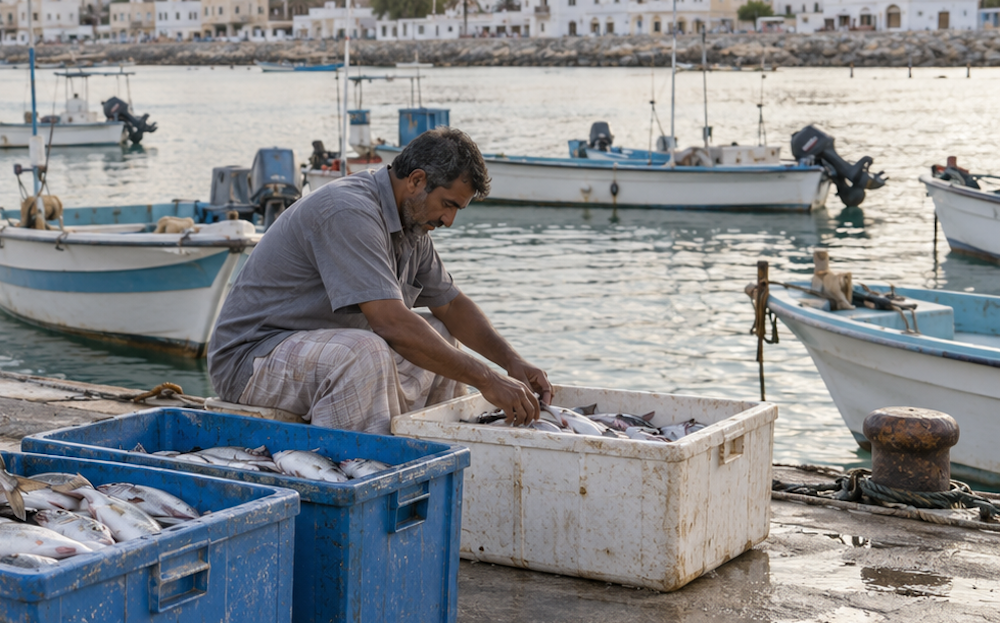

Commercial exposure can arise through several distinct routes, including days when vessels cannot operate safely, changes in the effort required to obtain a catch and fluctuations in the supply reaching processors. Determining which of these is materialising requires observations from the Arabian Sea and Sea of Oman, making the Fisheries Resources Survey Programme launched in February 2026 particularly relevant.
Conducted with FAO and Norwegian partners, its planned work aboard the Dr. Fridtjof Nansen examines fish resources, marine ecosystems and environmental conditions, providing a basis for decisions grounded in local evidence.
Tourism Must Distinguish Winter Weather from Khareef
Oman’s tourism businesses could experience both benefits and interruptions from changing weather, depending on whether rainfall improves the appeal of landscapes or restricts access to the experiences visitors have booked. A hotel may continue operating normally while excursions are rescheduled, whereas an outdoor attraction could face more direct disruption if roads or walking routes become unsafe.
The financial outcome would consequently depend on the timing and duration of an event, the destination affected and the operator’s ability to offer alternatives, rather than on the seasonal rainfall total alone.
Dhofar’s summer khareef requires a separate assessment from northern Oman’s winter outlook, because its monsoon conditions reflect interactions that cannot be inferred from the El Niño label in isolation. Research by Sultan Qaboos University scientists found that the Indian Ocean Dipole can reinforce or counter ENSO-related circulation effects associated with southern Oman’s summer monsoon.
Predictions of a stronger or weaker Khareef therefore need season-specific evidence closer to the time, while tourism operators can prepare through flexible itineraries, clear guest communication and arrangements that respond to official forecasts as they develop.
Shipping Can Transmit Disruption from Distant Markets
International trade provides another route through which El Niño can affect Omani businesses, as demonstrated during the 2023-2024 event when low rainfall contributed to reduced water levels at the Panama Canal and restrictions on transits. UN Trade and Development documented the disruption, offering a concrete example of how a climate-related water shortage can constrain a major transport route.
Its relevance to Omani companies depends on the movement of its own cargo, with direct exposure arising where shipments use an affected route and possible indirect exposure through changes in freight availability or scheduling.
A useful supply-chain assessment would identify the shipments, suppliers and connections that matter most to an operation, particularly where a delay in one component could interrupt a much larger activity. Longer delivery times may also require additional working capital if a company holds more stock, pays for replacement goods sooner or waits longer to complete a sale.
These are plausible consequences to examine within business planning, rather than evidence of a specific El Niño-related freight premium already applying to Oman, and their significance will vary considerably between importers.
Insurance and Business Continuity Extend Beyond Repairs
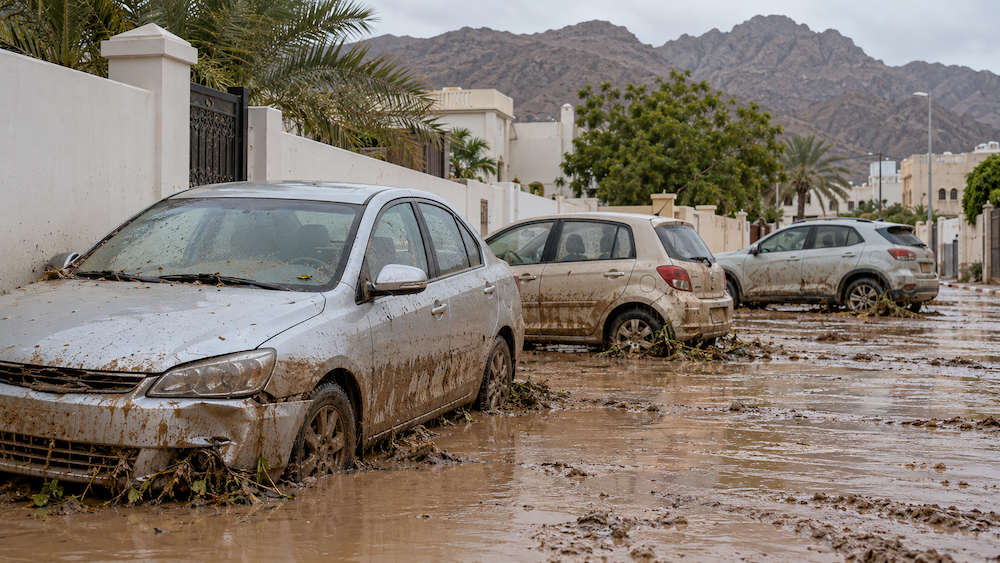
The scale of Oman’s exposure to severe weather is illustrated by an insurance-regulator update following Cyclone Shaheen in 2021, which reported approximately OMR62.4 million in claims across more than 9,800 cases. That historical snapshot covers claims recorded at the time and should not be treated as the storm’s complete economic cost or a prediction of losses from the current El Niño.
Its value in the present discussion is to show how damaging weather can affect a wide range of assets and businesses, regardless of the underlying climate phase.
For companies dealing with a weather-related interruption, the financial burden may combine physical repairs with spoiled stock, inaccessible premises, disrupted deliveries and delays in receiving customer payments. Preparation therefore needs to consider how the business would continue operating as well as how its buildings and equipment would be protected.
Documenting assets, reviewing storage arrangements, identifying alternative delivery options and understanding policy terms can all inform that process, while the availability of insurance compensation will depend on the coverage purchased and the circumstances of the claim.
Oman’s Wider Economic Outcome Will Depend on Several Forces
Oman’s position as an energy exporter introduces a further complication into the economic assessment, because weather-related increases in electricity demand abroad could support fuel demand under some conditions while domestic businesses face higher cooling and import costs.
The effect on export earnings would depend on market prices, sales volumes, contract structures and the broader strength of global demand, making it impossible to infer an energy windfall from ENSO alone. These channels can also operate in different directions, leaving individual sectors with outcomes that differ from the national picture.
A credible estimate of the overall impact would need to combine those international effects with local rainfall, water gains, infrastructure damage and the effectiveness of the response across exposed industries. Improved water availability could help agricultural activity while a concentrated storm disrupts transport, and changes in international food prices could affect importers and domestic producers differently.
The evidence reviewed does not support a defensible single figure for El Niño’s effect on Oman’s GDP, but it does identify the variables that businesses and policymakers would need to monitor as the event develops.
Turning Seasonal Information into Economic Preparedness
The practical value of an early climate outlook lies in the opportunity it gives Oman to review exposed systems before individual weather events or supply problems demand immediate action. Water managers can examine recharge and storage opportunities, property operators can inspect drainage, and food businesses can review sourcing arrangements and stock availability.
Fishing, tourism and logistics operators can likewise connect their operating plans to official forecasts, allowing decisions to become more specific as the quality and immediacy of the information improve.
Businesses can use the outlook to examine several plausible situations, including wetter conditions with limited disruption, an intense local event that restricts access, or overseas production problems that increase purchasing costs. The purpose of those exercises is to identify which decisions would protect operations under different conditions, while avoiding the assumption that any one scenario is certain.
For Oman, the eventual economic significance of El Niño will depend as much on water retained, losses avoided and continuity maintained as on the strength of the climate event itself.