News
Here’s Everything Apple Launched: iPhone Duo, iPhone 18 Pro, New Watches, AirPods 5 & Siri AI

Apple’s September 9 product event delivered one of the biggest shake-ups to the iPhone lineup in years, headlined by the company’s long-awaited entry into foldable smartphones, major camera and performance upgrades for its flagship iPhones, a new generation of health-focused Apple Watches, cheaper noise-cancelling AirPods and the rollout of a dramatically reworked Siri.
But there is one important distinction: Apple did not unveil a standard iPhone 18 at the event. Its new smartphone lineup consists of the iPhone 18 Pro, iPhone 18 Pro Max and the new foldable iPhone Duo, with the latter representing the most radical change to the iPhone form factor since the original device arrived nearly two decades ago. Apple’s own event page lists the Duo, iPhone 18 Pro family, Apple Watch Series 12, Apple Watch Ultra 4 and AirPods 5 as the headline hardware announcements.
This was also the first major Apple hardware launch under John Ternus, who formally succeeded Tim Cook as chief executive on September 1, 2026. Cook has moved into the role of executive chairman, giving Ternus – Apple’s former hardware engineering chief – responsibility for navigating a period in which the company is simultaneously trying to open new hardware categories and strengthen its position in artificial intelligence.
Here is everything Apple announced
iPhone Duo: Apple finally enters the foldable era
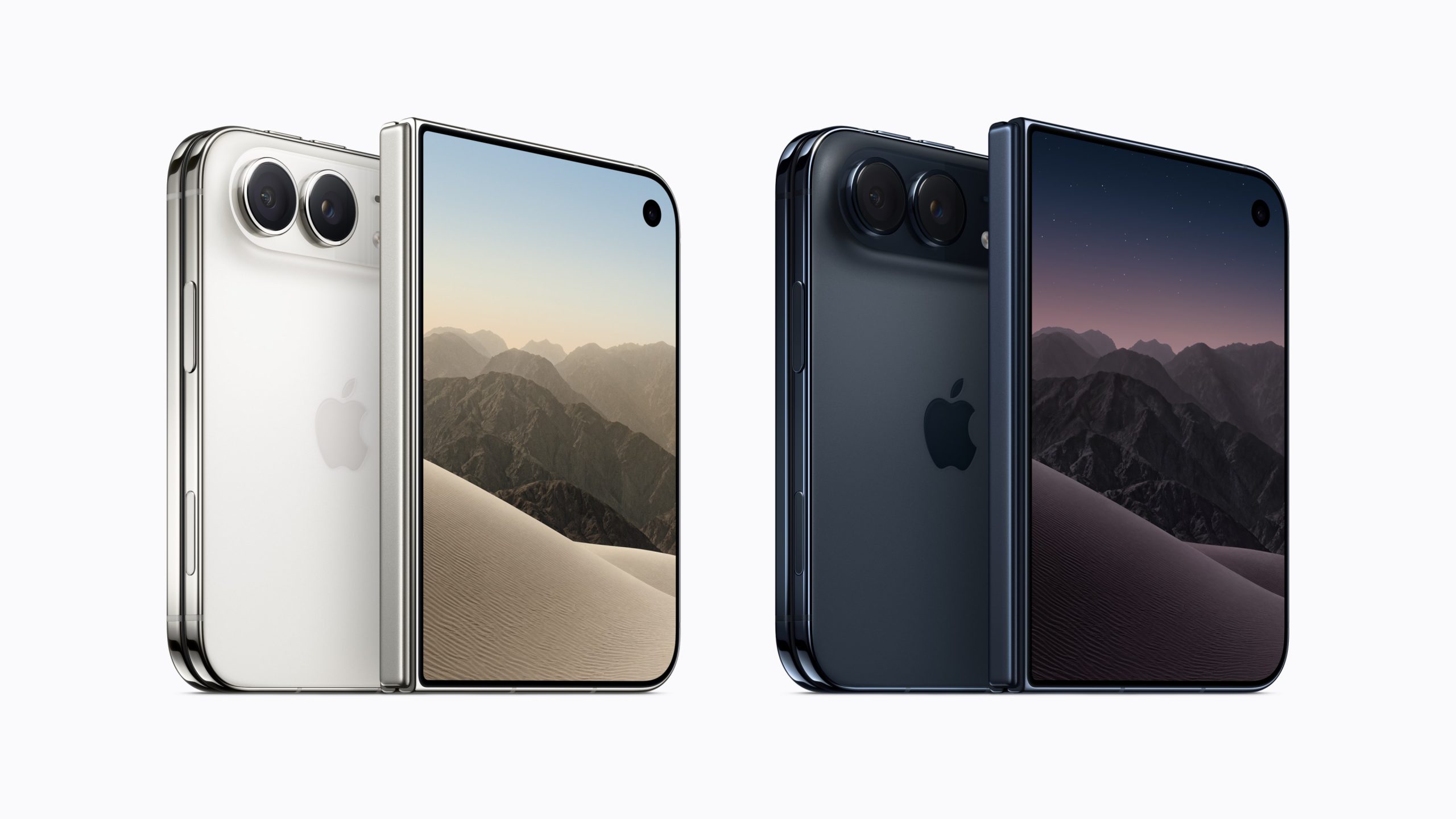

The star of the event was unquestionably the iPhone Duo, Apple’s first foldable smartphone. Rather than use a clamshell design, Apple has opted for a book-style device that opens to reveal a 7.6-inch Super Retina XDR inner display. When closed, users interact with a 5.4-inch outer screen, which Apple says provides more than 90 per cent of the screen area of an iPhone 18 Pro despite the device’s compact footprint. The inner display is 50 per cent larger than that of the iPhone 18 Pro Max.
Both displays support ProMotion at up to 120Hz, Always-On functionality and up to 3,000 nits of peak brightness. The folding screen uses a custom nano-texture finish designed to reduce reflections and make the crease less visually prominent. Apple has also approached the Duo as more than simply an iPhone with a larger screen. iOS 27 has been reworked around the foldable format, introducing Split View multitasking that allows two applications to run side by side. Users can open two windows of the same app, drag content between applications, store frequently used app pairings and keep Siri visible on one portion of the display while working on the other.
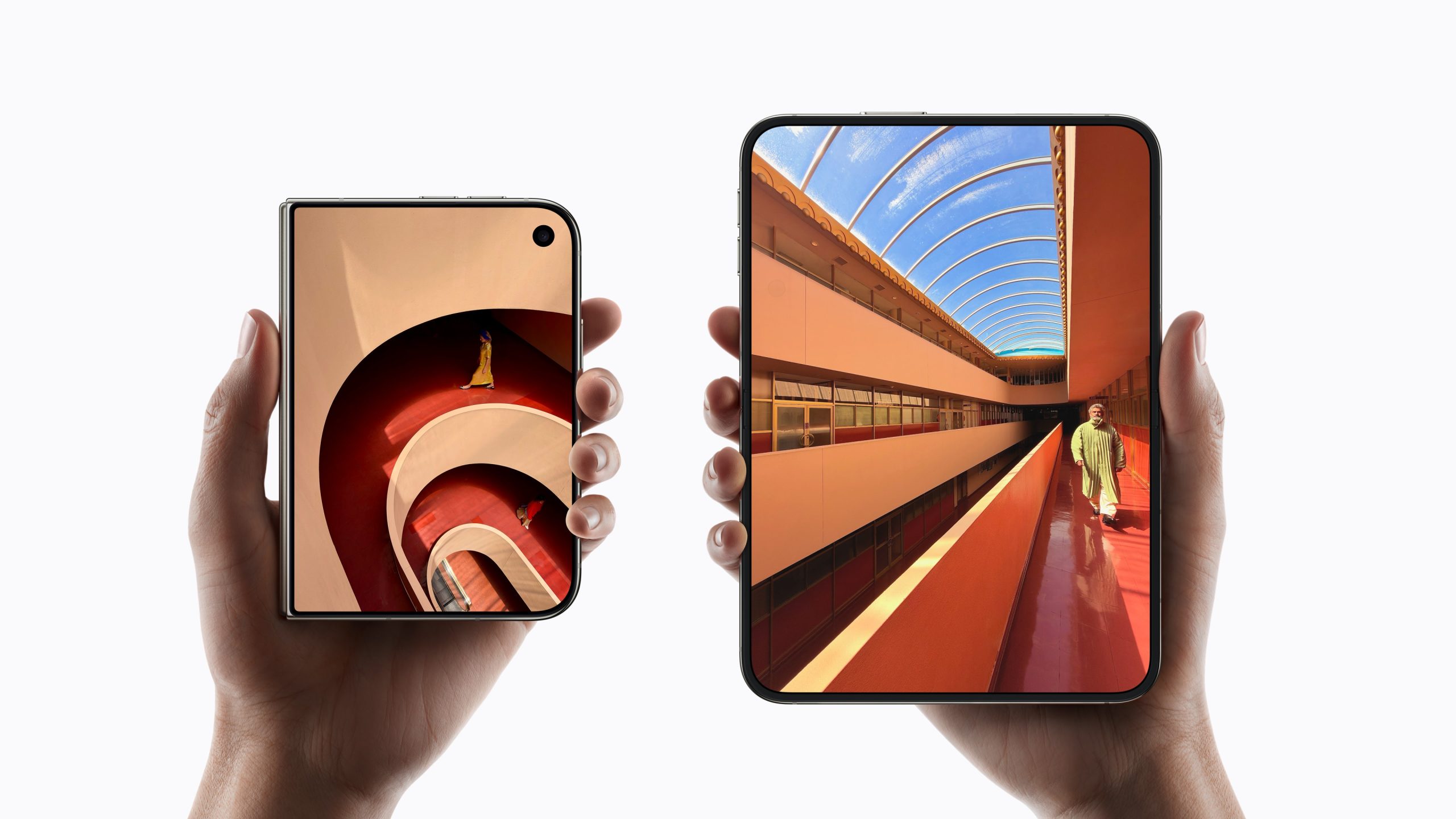
The hinge allows the device to operate in several positions. It can effectively become its own stand for video calls or media consumption, while an upgraded StandBy experience works even when the Duo is not connected to a charger.
Later in 2026, Apple says the Duo will also support the USB-C Apple Pencil, effectively blurring the traditional boundary between an iPhone and the smaller iPad.
Apple has put a lot of engineering into the fold
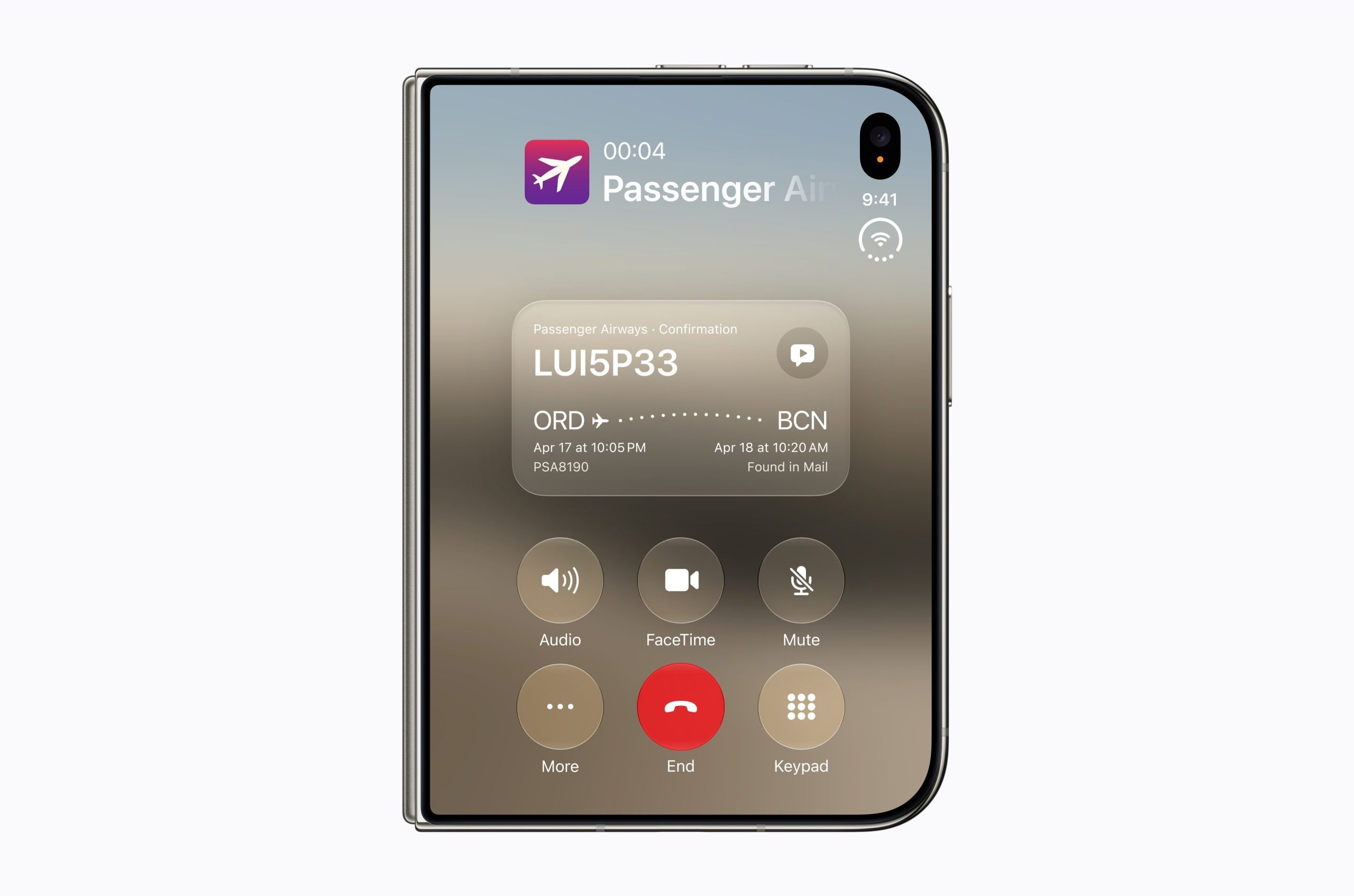

Durability has historically been one of the biggest questions surrounding foldable smartphones, and Apple appears determined to address that directly. The Duo uses a Grade 5 titanium frame and hinge cover, Ceramic Shield protection on the exterior, a scratch-resistant coating on the inner screen and a hinge assembled from more than 100 components. More unusually for a foldable, Apple rates the Duo at IP68 for water and dust resistance.
Apple has also abandoned Face ID on the Duo in favour of Touch ID integrated into the side button, allowing fingerprint authentication regardless of whether the device is open or closed. The Duo is eSIM-only worldwide.
Inside is the same A20 Pro silicon used in the iPhone 18 Pro family, paired with a custom vapour chamber and dual-battery architecture. Apple says typical battery use can reach 24 hours, while video playback is rated at up to 31 hours on the inner screen or 44 hours using the outer display. These are separate usage scenarios rather than figures that can be combined.
The Duo also changes how the iPhone camera is used
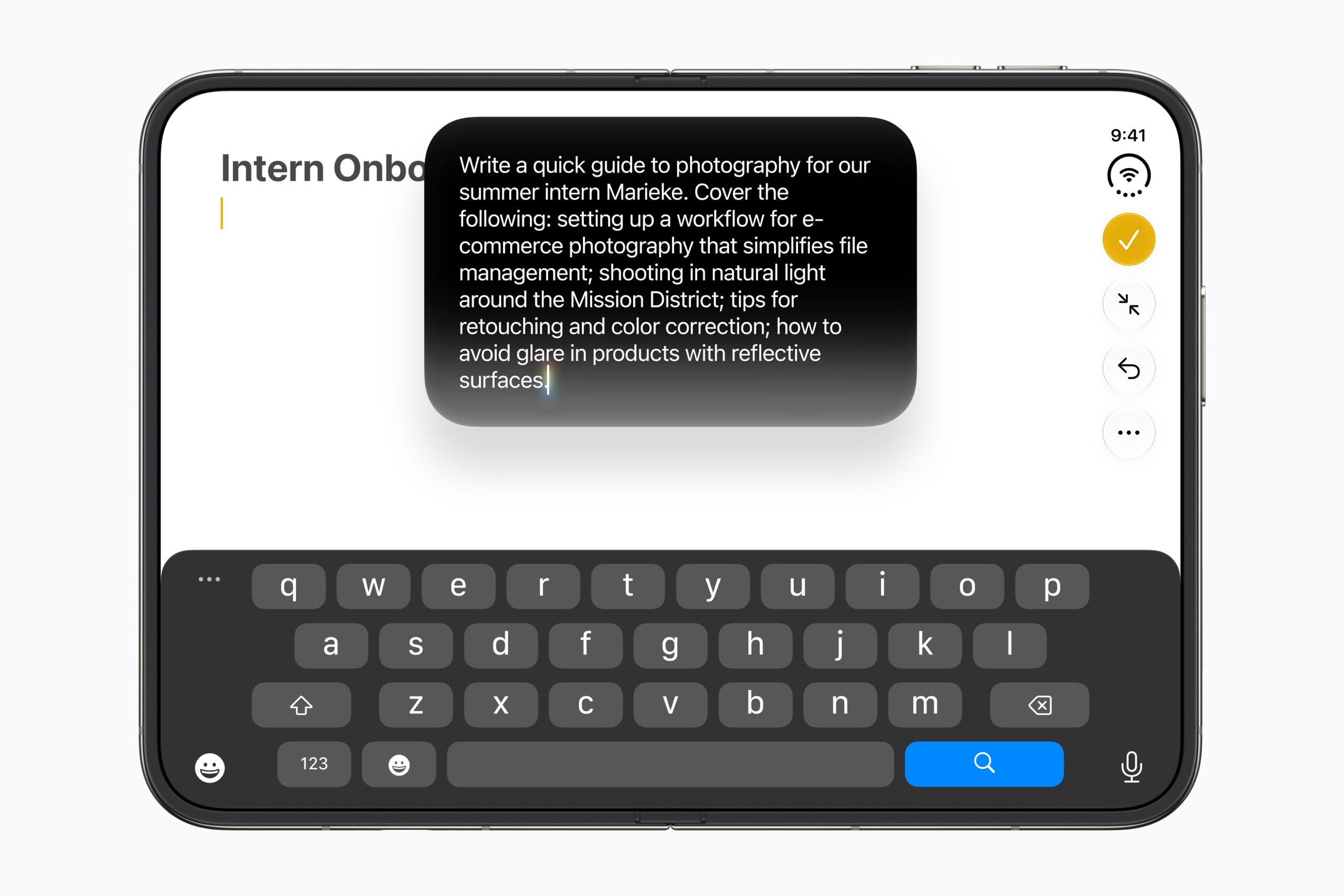

Instead of copying the full three-camera Pro configuration, the Duo uses a 48MP Dual Fusion camera system, with main and ultra-wide cameras and up to 2x optical-quality zoom.
The foldable design, however, introduces camera functions unavailable on conventional iPhones. Duo Preview displays the photographer’s framing on the outside screen so the subject can see the shot before it is taken, while users can take higher-resolution selfies using the rear camera system.
Apple has also introduced Smart Take, which uses on-device AI to analyse a scene and automatically take photographs when people are posing, and Kid Cue, which displays animated Peanuts characters on the outer display to encourage children to look towards the camera. The Duo can additionally share different camera views across its two displays during FaceTime calls.
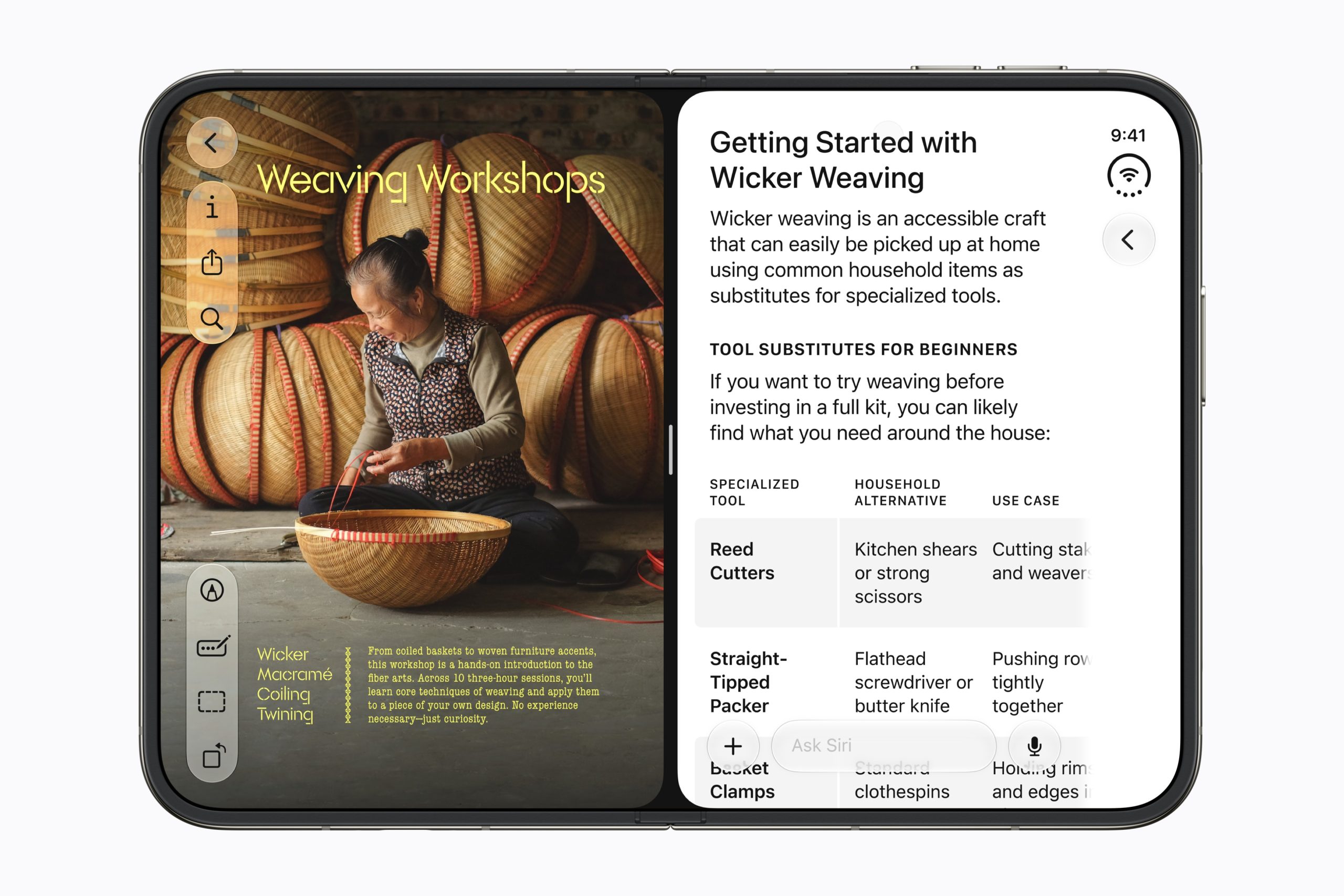
The device starts at US$1,999 in the United States and AED 8,499 in the UAE (Oman prices are yet to be revealed), with 256GB, 512GB, 1TB and 2TB storage options. Pre-orders open on October 16, ahead of availability from October 23 in the first wave of markets.
That price places the Duo firmly above Apple’s conventional flagship phones. But strategically, its significance extends beyond immediate sales. Samsung, for instance, has spent several generations refining folding smartphones while Huawei has built a major presence in China and other Asian markets. Foldables nonetheless remain a relatively small part of the wider smartphone industry, and analysts expect Apple’s entry to significantly increase consumer attention to the category.
iPhone 18 Pro and Pro Max: Apple turns the camera more ‘PRO’
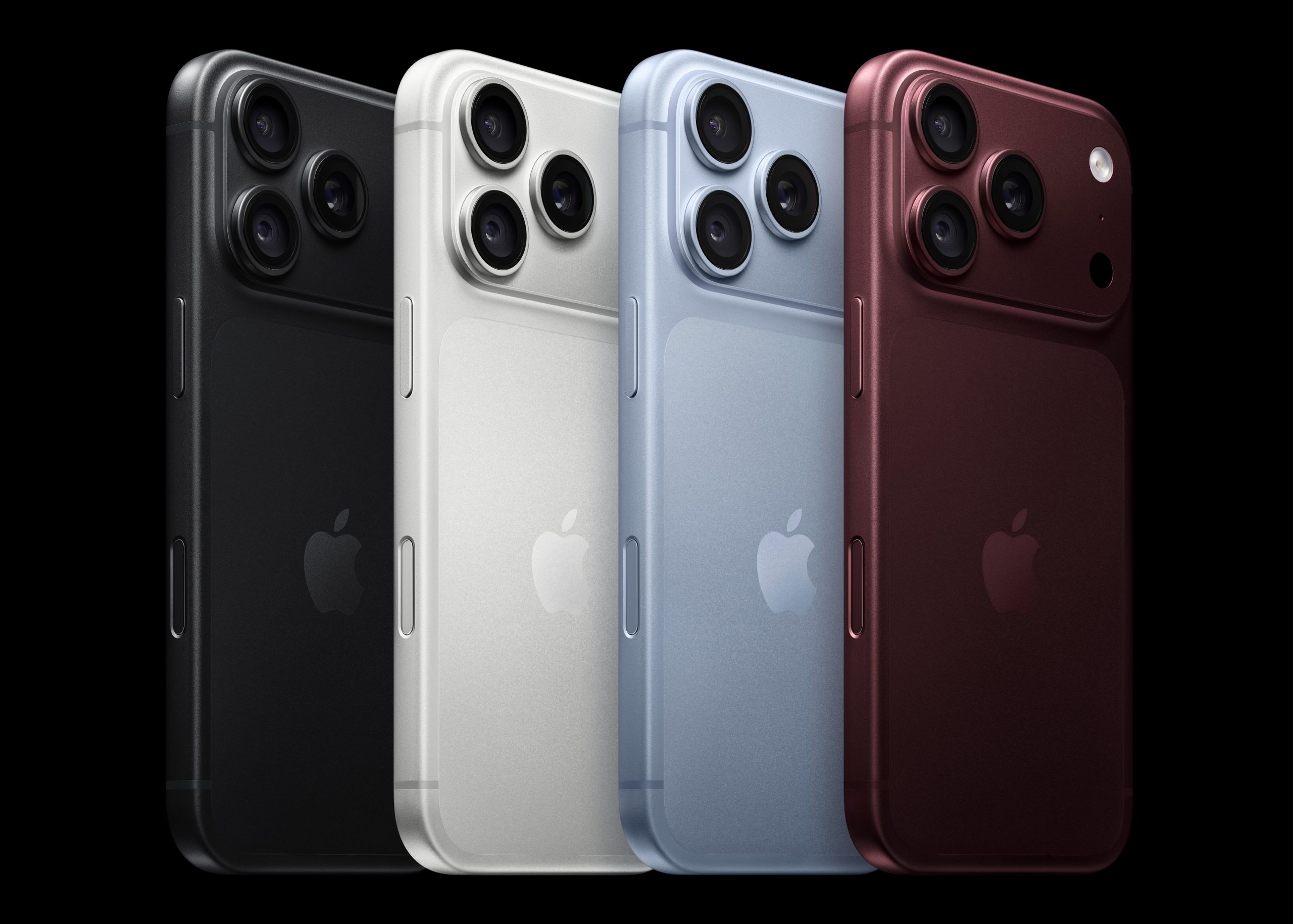

Apple’s more conventional flagships have not undergone the same physical transformation, but the iPhone 18 Pro and iPhone 18 Pro Max bring substantial upgrades under the surface. Display sizes remain at 6.3 inches for the Pro and 6.9 inches for the Pro Max, with both models offered in Black, Silver, Glacier and a new (and let us say, “gorgeous”) Burgundy finish.
One visible change is a smaller Dynamic Island, which can now display information from as many as three Live Activities simultaneously. The bigger story, however, is the camera system: Apple has equipped the phones with three 48MP rear cameras: a Fusion Main, Fusion Ultra Wide and Fusion Telephoto. The Main camera becomes the first iPhone camera with a variable aperture, offering selectable apertures of f/1.48, f/1.8, f/2.8 and f/4.0.


That matters because aperture affects both how much light reaches the camera sensor and the depth of field in an image. Rather than relying almost entirely on computational photography to recreate these effects, users can now exercise more direct optical control. Apple is taking the professional theme further with native Pro controls for aperture, shutter speed and white balance, alongside a histogram for monitoring exposure.
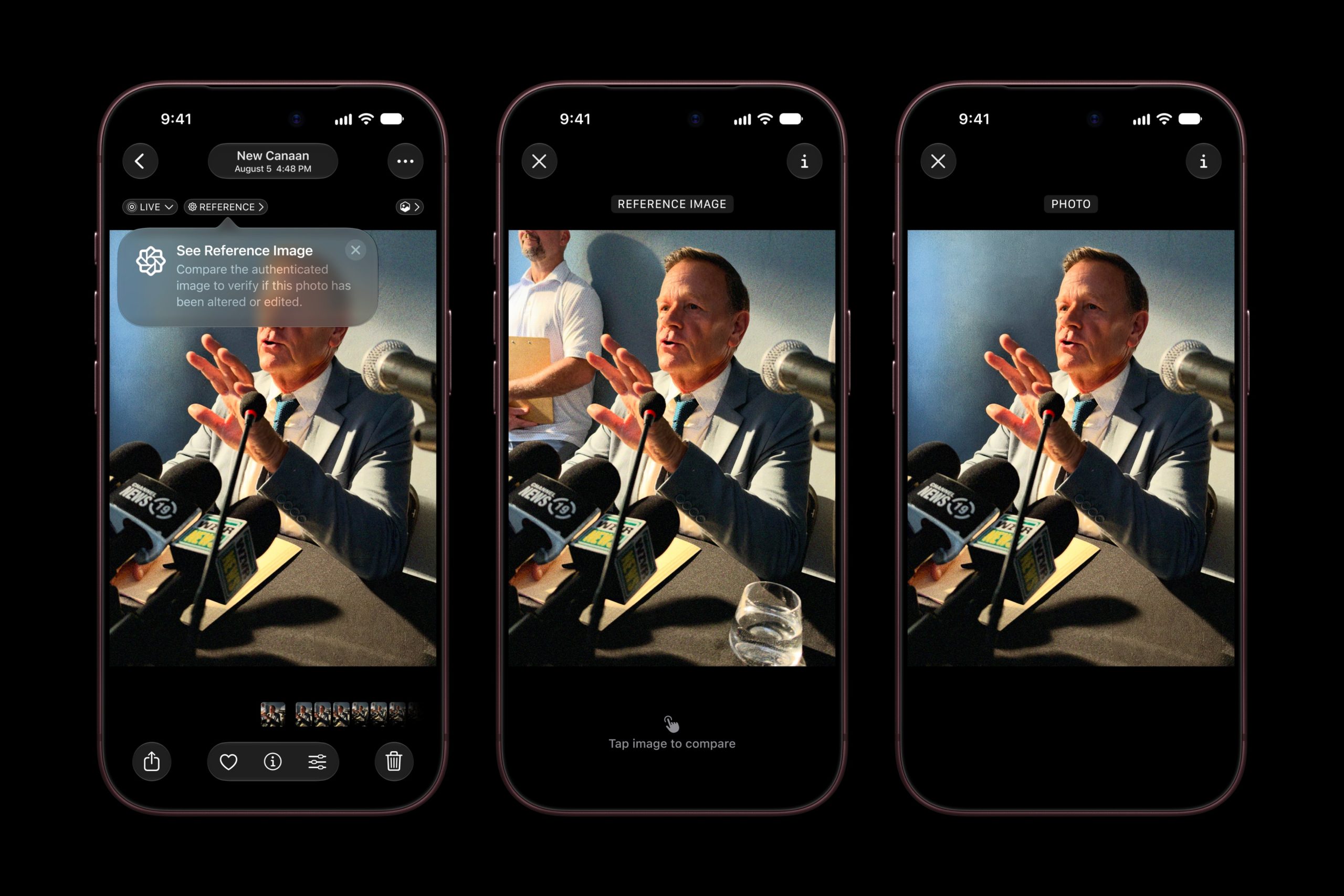
The 48MP telephoto camera offers 4x optical zoom and up to 8x optical-quality zoom, while Photographic Styles 3 introduces greater control over texture and grain. For professional photographers, another interesting addition is Apple Reference Image, which signs information associated with an image when it is captured as part of Apple’s wider effort around image provenance and authenticity. It could become useful in professional workflows increasingly affected by AI-generated imagery, although verifying the captured image itself is not the same as proving the wider context in which a photograph was taken.
A20 Pro moves deeper into on-device AI
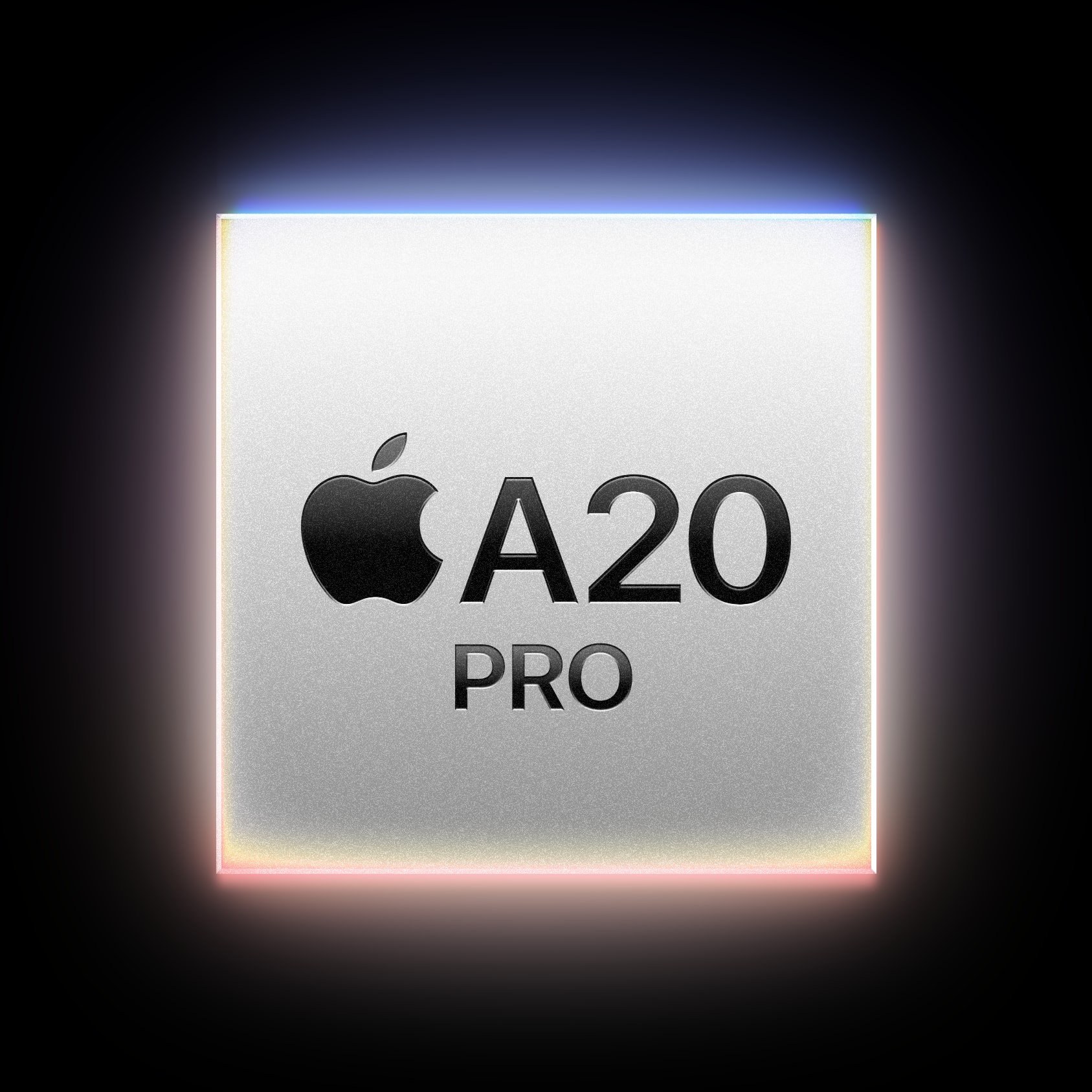

Both Pro phones are powered by the new A20 Pro, manufactured using a 2-nanometre process. The chip combines a six-core CPU, seven-core GPU and what Apple calls a Dual 16-core Neural Engine, giving the system 32 neural-processing cores. Apple claims double the AI processing capacity of the A19 Pro along with 50 per cent more memory bandwidth.
A redesigned vapour-chamber cooling system is intended to sustain higher performance for longer workloads, rather than simply producing higher short-duration benchmark results. Apple has also expanded the amount of its connectivity hardware designed internally. The phones use the N1 wireless chip for Wi-Fi 7, Bluetooth 6 and Thread, while Apple’s second-generation C2 cellular modem replaces more externally sourced modem technology.
Battery life reaches up to 36 hours of video playback on the iPhone 18 Pro and 45 hours on the Pro Max on Apple’s eSIM-only configurations. There is an interesting Oman-specific detail here: Apple explicitly lists Oman among the markets receiving eSIM-only versions of the iPhone 18 Pro and Pro Max. Removing the physical SIM tray gives Apple additional space for the battery, which it says contributes two extra hours of video playback on those models.
US prices start at US$1,199 for the iPhone 18 Pro and US$1,299 for the Pro Max, with storage extending to 2TB. Pre-orders begin on September 12, and first-market availability starts on September 18.
Apple’s UAE store currently lists the iPhone 18 Pro from AED 5,099, while the Pro Max starts from AED 5,499.
Siri AI may ultimately be the bigger change
Much of Apple’s hardware presentation was tied together by Siri AI, the company’s rebuilt artificial-intelligence assistant. Although Apple first previewed the system at WWDC26 in June, the September launch connects the technology directly with its newest hardware and gives users a firm starting point for the rollout.
This is not simply the existing Siri with a larger language model attached either. Apple says Siri AI can understand personal context across information stored in Messages, Mail, Photos and other apps. A user could, for example, ask Siri to locate a hotel booking buried in an old email or retrieve a recommendation previously sent through Messages.
It also has on-screen awareness, allowing users to ask questions about whatever they are viewing and take actions related to it. A dedicated Siri app stores conversations and allows users to continue them across iPhone, iPad, Mac, Apple Watch and Vision Pro through iCloud syncing.
Visual Intelligence is also expanding: on supported iPhones, a new Siri Camera mode allows the assistant to analyse objects and scenes through the camera and answer questions about what the user is seeing. And underneath all of this sits Apple’s next generation of foundation models, developed with technology from Google’s Gemini models while being integrated into Apple’s own AI architecture. Apple says smaller workloads can run directly on the device, while more computationally intensive requests can be sent to Private Cloud Compute. According to Apple, personal information processed through Private Cloud Compute is not stored or made accessible to Apple.
That privacy-centric architecture is becoming central to Apple’s attempt to differentiate itself in the generative-AI market. Siri AI begins rolling out in beta with iOS 27 on September 14 for supported devices configured in English. French, Japanese, Korean, Portuguese and Spanish support is scheduled to follow in October, although specific features and availability will differ between regions. For users in Oman, the language limitation is worth noting. Arabic is not part of the initial Siri AI rollout, meaning some of Apple’s most heavily promoted AI capabilities will initially be considerably more useful to English-speaking users.
iOS 27 brings much more AI into everyday apps
Siri may receive the attention, but iOS 27, also arriving September 14, pushes AI into considerably more of the operating system. Photos gains Spatial Reframing, which can use generative models to alter the perspective and composition of a photograph after capture. The Extend tool can generate additional image area around a photograph, while the upgraded Clean Up feature removes larger or more complex objects.
Apple is also introducing photorealistic output to Image Playground and support for Google’s SynthID standard to help identify some AI-generated or AI-edited images.
Safari is becoming more intelligent as well. A feature called Notify Me allows the browser to monitor webpages for changes such as product restocks or price reductions, while Apple Intelligence can organise large collections of browser tabs around topics.
The Passwords app can now even take action on eligible websites to replace weak or compromised passwords with stronger ones.
Away from AI, Apple has refined the Liquid Glass visual language introduced last year, adding a slider that lets users control how transparent or tinted the interface appears. Apple is also claiming significant performance improvements, including app launches up to 30 per cent faster, Photos loading improvements and substantially faster AirDrop transfers on supported hardware.
Apple Watch Series 12 becomes more focused on recovery and readiness
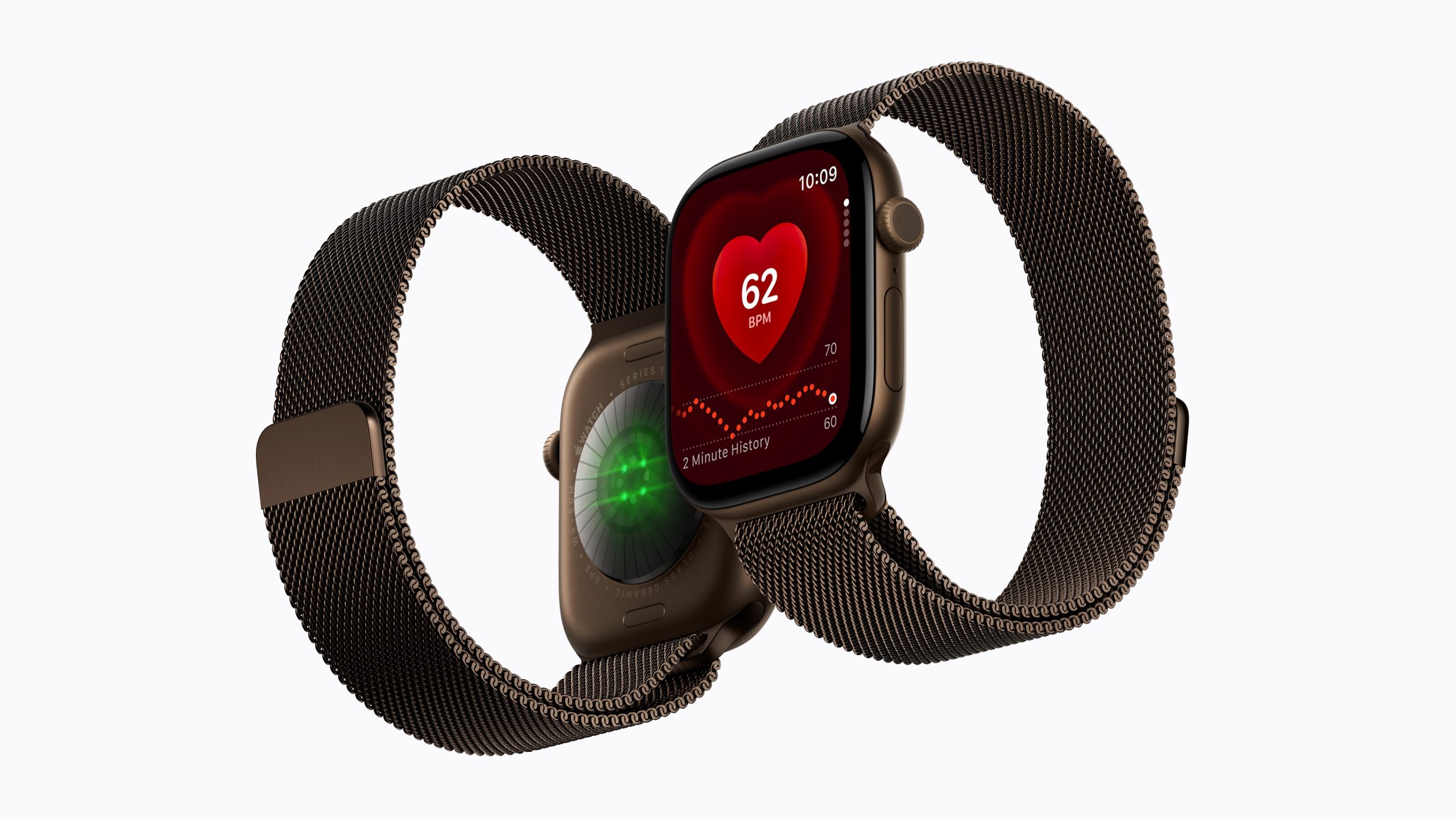
The Apple Watch Series 12 represents a different kind of upgrade. Rather than dramatically altering the shape of the watch, Apple has redesigned the sensor system and increased the frequency with which health measurements can be taken.
The new Health Sensing System, powered by Apple’s S11 chip, allows background heart-rate measurements as frequently as every five seconds and more frequent heart-rate variability measurements.
The headline addition is Readiness. Rather than simply showing individual health measurements, the watch analyses recent activity, training load, vitals and sleep to generate a daily 0-to-10 readiness score. The system can then recommend whether the user should recover, pace themselves, proceed normally or push harder. The score can change during the day as new information is collected.
Apple is also preparing a redesigned Health app with a Longevity section and Health Age, intended to show how a user’s health metrics compare with expectations for their chronological age.
Series 12 retains up to 24 hours of everyday battery life, but outdoor-workout battery life increases to 10 hours. Fifteen minutes of charging can provide up to 12 additional hours of regular use.
Prices start at US$399, with availability from September 18.
And Apple Watch is getting ‘Audio Intelligence’
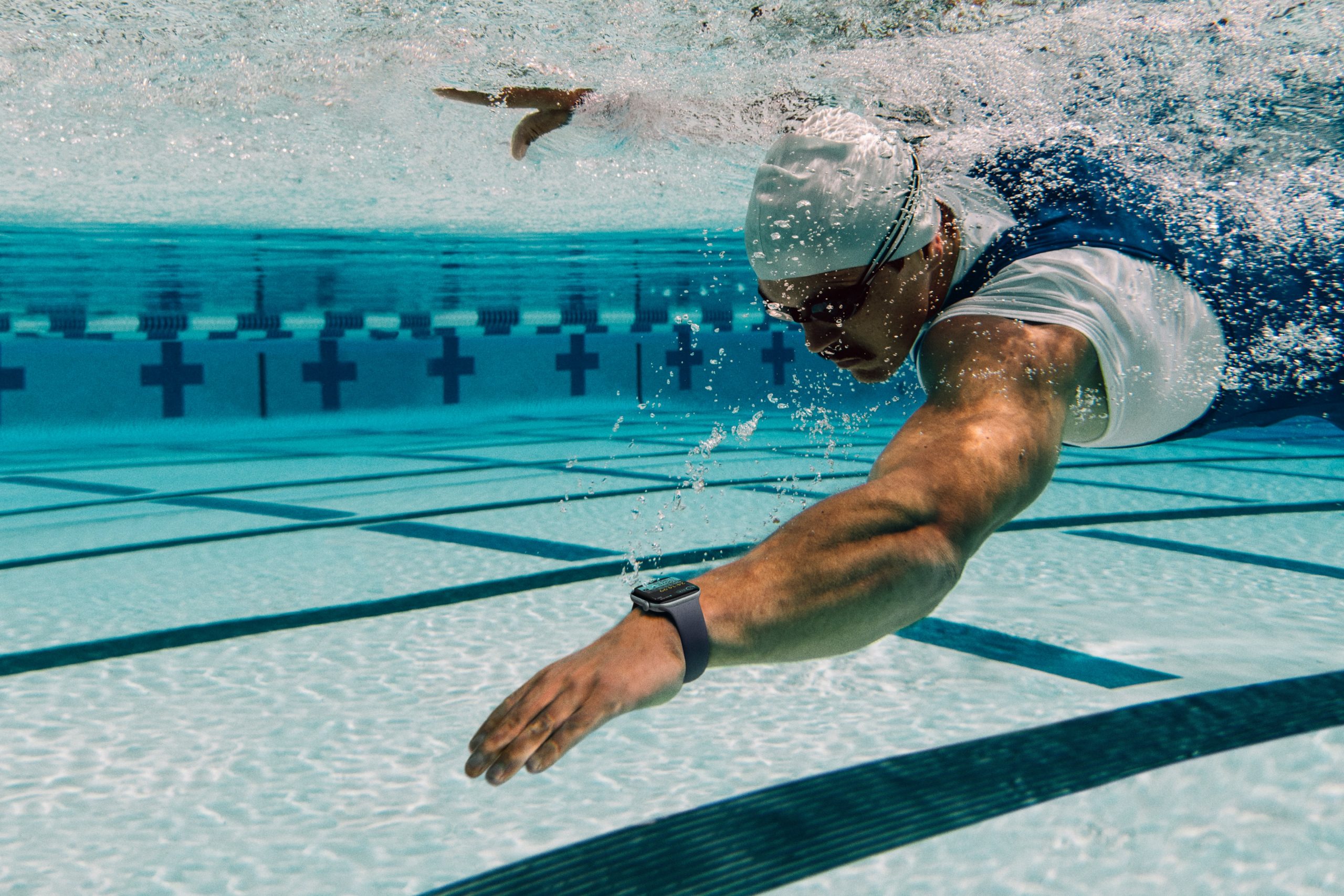
Perhaps the most futuristic – and potentially controversial – Apple Watch announcement is a new set of Audio Intelligence capabilities. Live Rewind allows a user to double-press the Digital Crown and see a transcription of the previous 15 seconds of conversation, potentially helping retrieve something they failed to hear.
Siri Recap, meanwhile, can create a title, summary and key points from conversations for review later in the Siri app. Because such functions inevitably raise questions around continuous listening and privacy, Apple has built visible and audible safeguards into the system. Live Rewind plays a chime and displays a full-screen indicator when activated, while Apple says raw audio is processed in a protected hardware environment rather than being retained as ordinary recordings. Saved Live Rewind text and Siri Recap summaries can be end-to-end encrypted through iCloud.
Both Siri Recap and Live Rewind are scheduled to arrive in beta later in 2026, rather than being fully available with the watch at launch.
Apple Watch Ultra 4 pushes battery life further
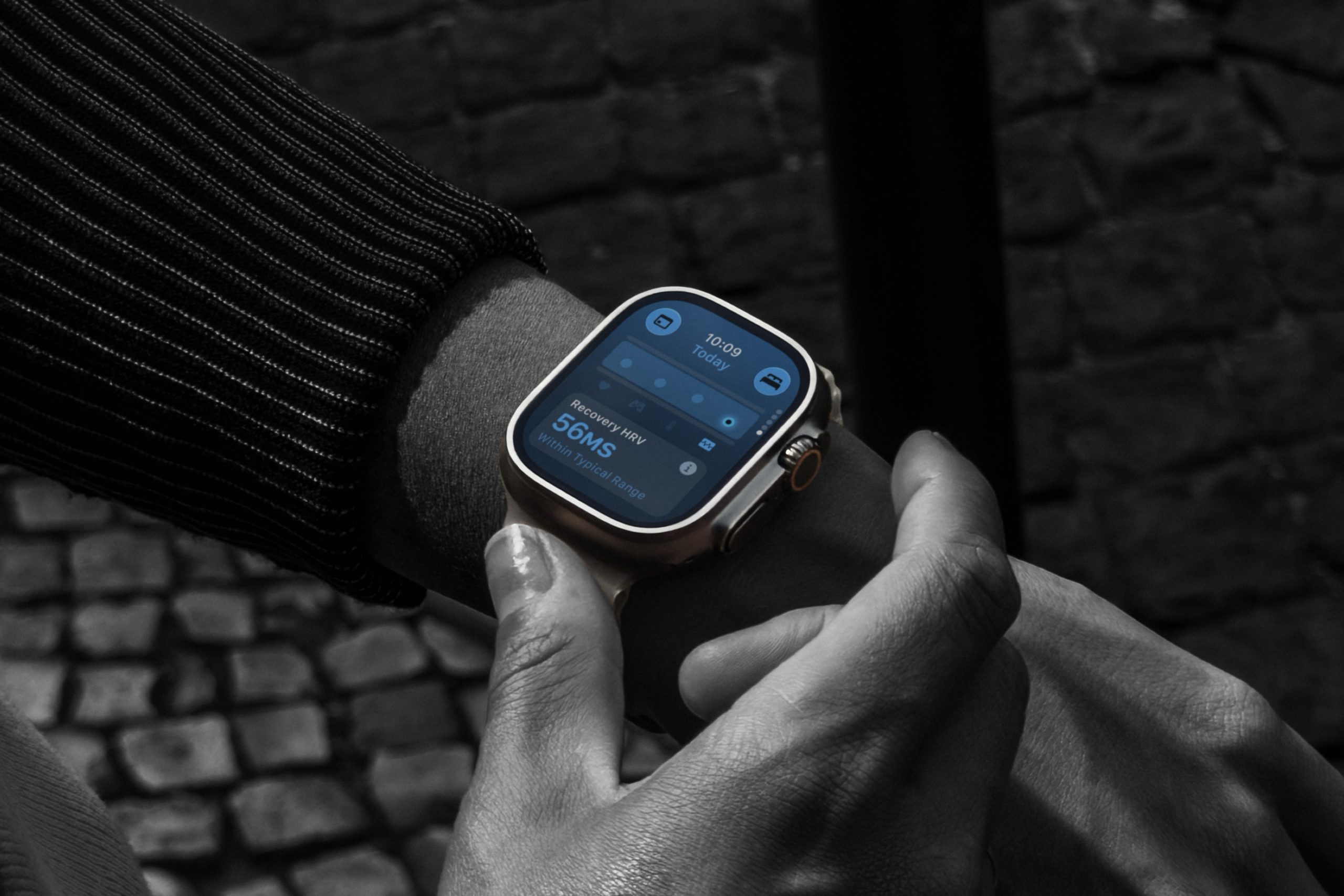
For endurance athletes and outdoor users, the Apple Watch Ultra 4 receives the same S11 chip, Health Sensing System, Readiness score and Audio Intelligence functions as Series 12.
Its advantage remains battery life: Apple rates the Ultra 4 for up to 50 hours of normal use or 84 hours in Low Power Mode. Standard outdoor workout tracking reaches 18 hours, Extended Workout mode reaches 25 hours, and the new Max Extended Workout mode can record runs, hikes and walks for up to 45 hours while continuing to take GPS readings every second.
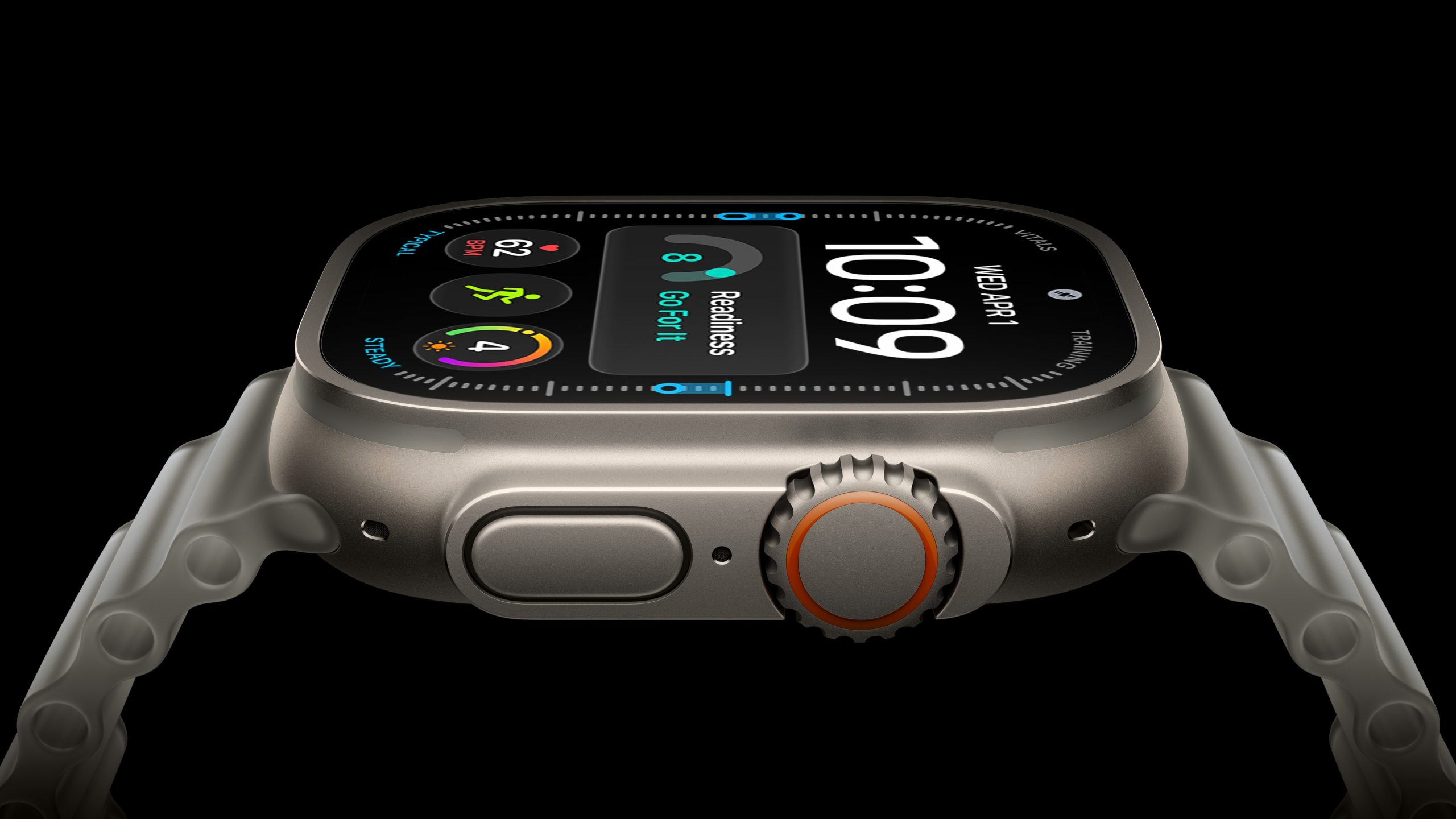
That potentially makes the Ultra considerably more practical for ultramarathons and multi-day outdoor activity. It also retains its 49mm titanium body, dual-frequency GPS and satellite communication capabilities, with Natural Titanium and Black Titanium finishes.
Pricing remains at US$799, with availability from September 18.
AirPods 5: active noise cancellation becomes cheaper

Apple also unveiled AirPods 5, with an interesting shift in pricing and product segmentation. For the first time, Active Noise Cancellation is included on both AirPods 5 configurations, including the base US$129 model.
Apple claims the redesigned acoustic architecture provides up to 1.5 times the noise cancellation of AirPods 4 with ANC, alongside improved Adaptive EQ and Transparency mode.
A second US$149 AirPods 5 with Wireless Charging Case adds wireless charging, longer battery life and an on-stem volume control. The latter is particularly notable because users can finally swipe directly on an open-ear AirPod to raise or lower volume rather than reaching for an iPhone or Apple Watch.
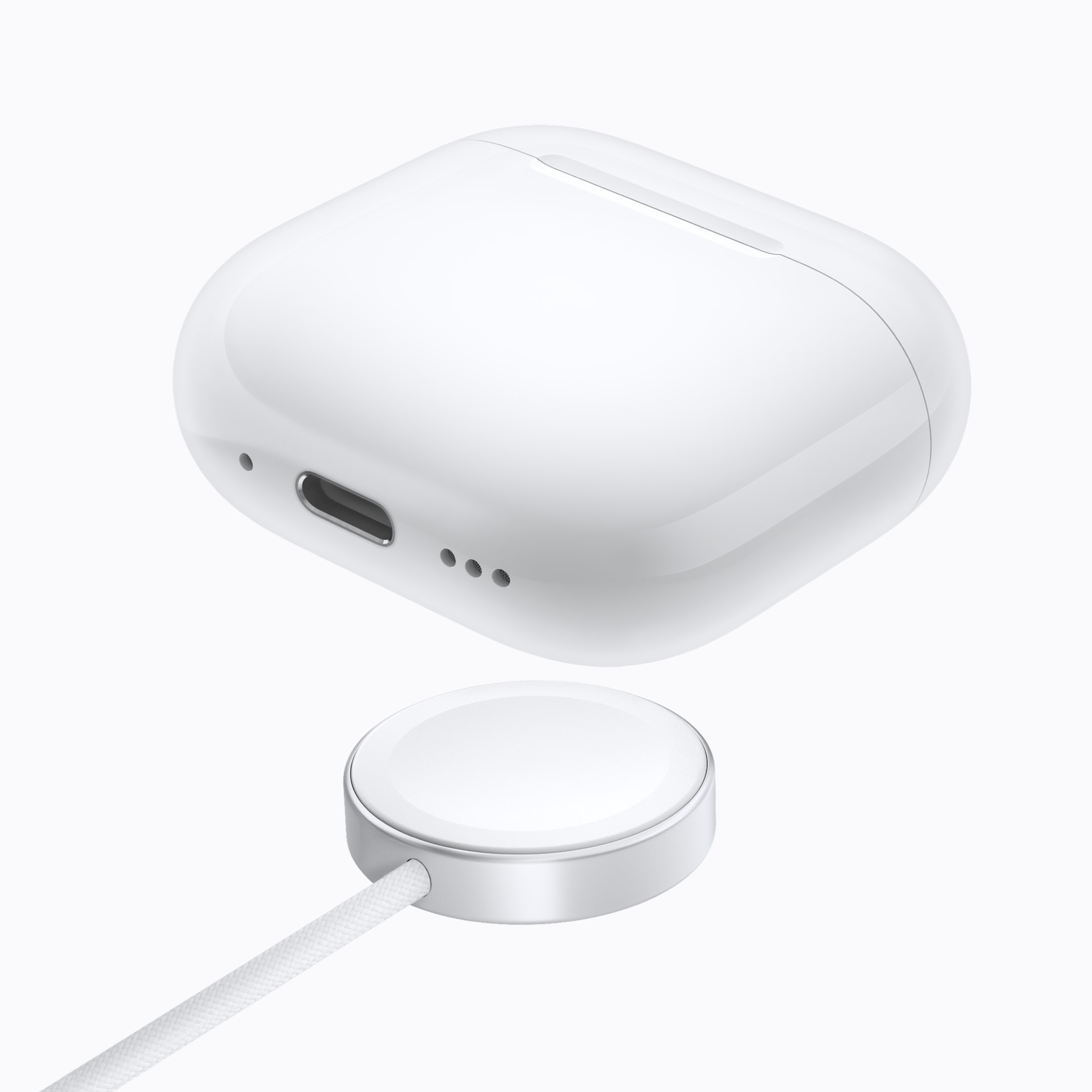

The premium configuration delivers up to five hours of listening with ANC enabled and up to 22 hours with the case. AirPods 5 also integrate with Siri AI for hands-free conversations and support Live Translation when paired with a compatible Apple Intelligence-enabled iPhone.
However, Arabic is again missing from Apple’s currently listed Live Translation languages, which include English, French, German, Italian, Japanese, Korean, Portuguese, Spanish and Mandarin Chinese variants.
Both AirPods 5 versions become available on September 18.
So, what actually launches when?
The majority of Apple’s new ecosystem arrives quickly. iOS 27 and the initial Siri AI beta begin rolling out on September 14, while the iPhone 18 Pro, iPhone 18 Pro Max, Apple Watch Series 12, Apple Watch Ultra 4 and AirPods 5 arrive from September 18 in their first markets.
The iPhone Duo follows later, with pre-orders beginning October 16 and availability from October 23.
Some of the most ambitious features require longer. Apple Pencil support for Duo, Siri Recap, Live Rewind, elements of the redesigned Health experience and several other intelligence capabilities are scheduled for later in 2026.
For Oman, Apple has explicitly confirmed that eSIM-only iPhone 18 Pro and Pro Max models will be offered in the market, but local retail pricing and the precise Oman sales schedule had not been published in the official material reviewed at the time of writing. UAE pricing therefore provides a useful regional reference, but should not be treated as confirmed Oman pricing.