Economy
GCC records 75.7 million tourist arrivals in 2025

The Statistical Centre of the Cooperation Council for the Arab States of the Gulf organised the eighth regional workshop on innovation in tourism statistics at the Grand Hormuz Hotel in Muscat, under the title “Innovation in Tourism Statistics: Data Integration and Trend Analysis.” The workshop is a part of the Centre’s efforts to enhance joint Gulf statistical work in the field of statistics, and to contribute to highlighting the economic and developmental role of the tourism sector in the GCC countries.
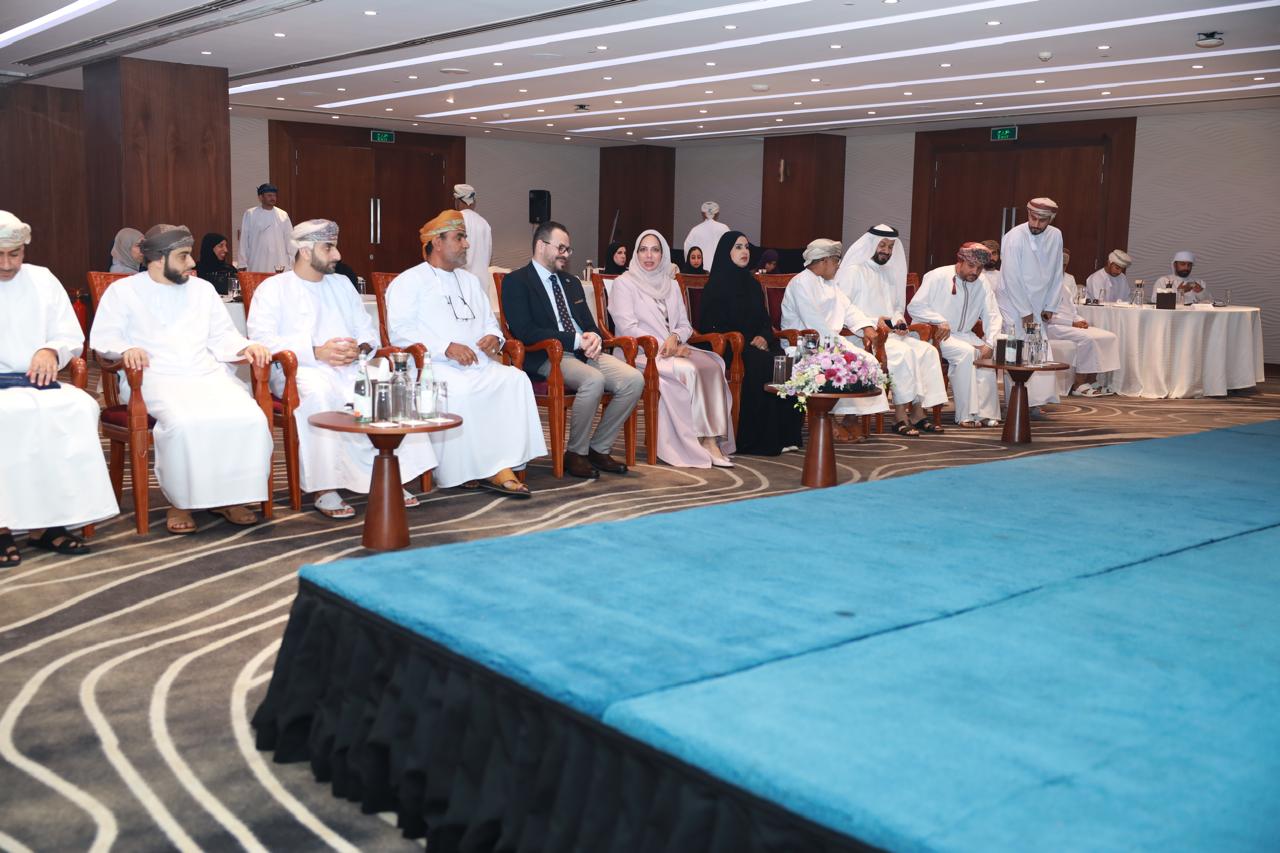

The workshop will continue for two days, with the participation of officials and 30 specialists in the production of tourism statistics from the statistical agencies in the Gulf Cooperation Council (GCC) countries.
The workshop aims to introduce the concept of data integration and multi-source statistics and its importance, identify tourism data sources and assess their suitability for statistical use, understand data exchange requirements and methodologies for linking, matching, calibrating and reconciling results, as well as assess the quality and consistency of the statistics produced, and benefit from integrated data in analysing trends and forecasting tourism demand.
The event will discuss a number of topics, including the challenges of relying on a single source for tourism statistics, tourism data sources system, legal, institutional and technical requirements for data exchange, and integration methodologies that enhance the quality, consistency and comparability of statistics among the GCC countries.
In her speech, HE Intisar bint Abdullah Al-Wahaibi, Director General of the Center, affirmed that the tourism sector in the GCC countries is witnessing continuous growth and occupies an advanced position within national development plans and strategies, noting that tourism statistics have become an essential tool for measuring economic contribution of the sector, analysing its trends, supporting public policies and investment in addition to taking development decisions.
HE Intisar explained that tourism indicators reflect the magnitude of the transformation that the sector has witnessed in the GCC countries in recent years, as its economic contribution grew during the period from 2019 to 2025 at an annual rate of 7.3 percent, exceeding the global growth rate of 6.7 percent.
She noted that the GCC countries received about 75.7 million tourists during 2025, while the spending of visitors coming to them amounted to about US$131.9 billion, and the total economic contribution of the tourism sector reached about US$254.7 billion.
Gulf tourism has also strengthened its position on the international tourism map, as the GCC countries’ share reached about 5 percent of international tourism traffic, compared to 6.9 percent of global tourism revenues, which reflects a tourism presence in terms of value and return that exceeds its share of the number of tourists.
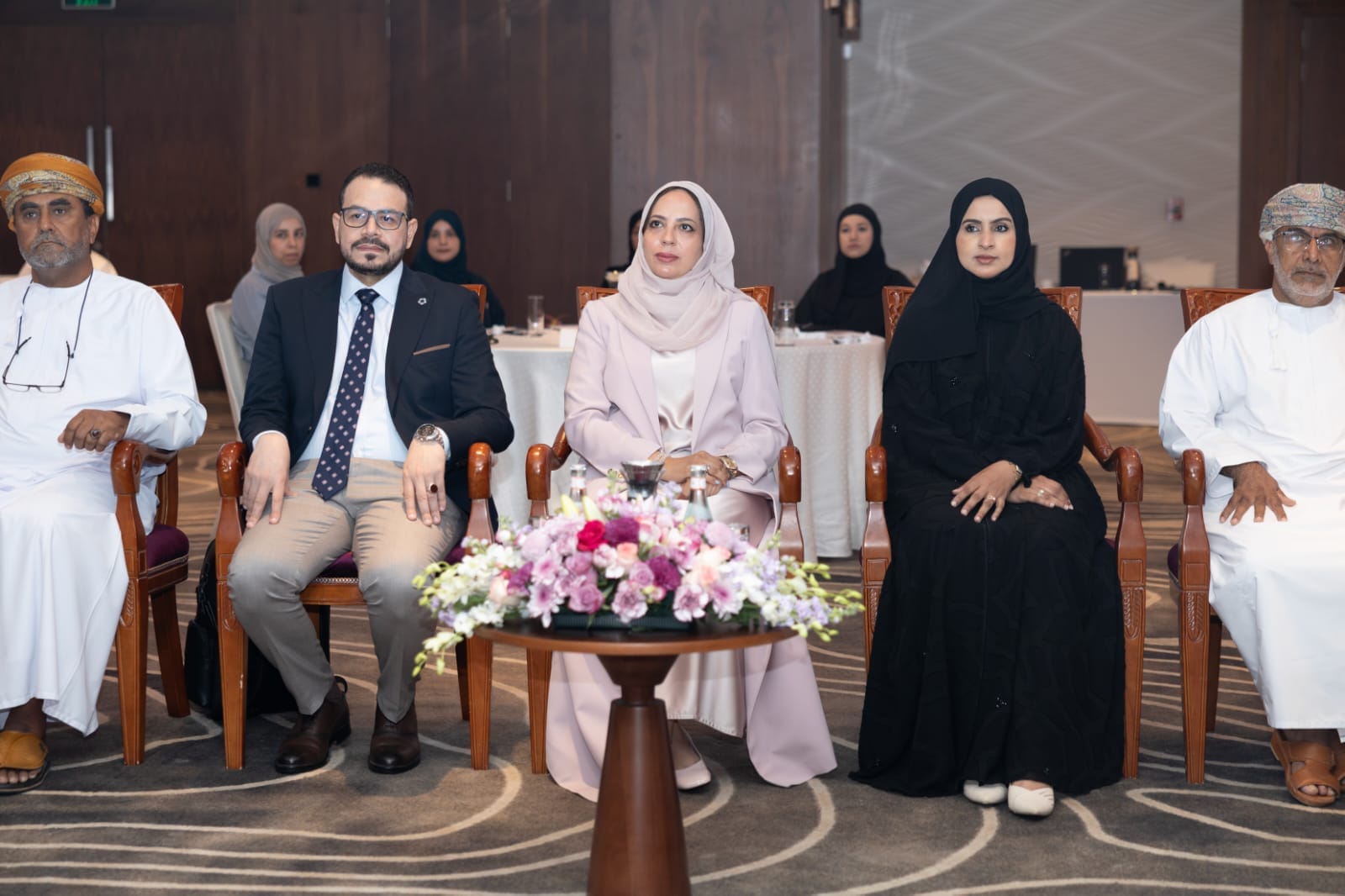

This growth coincided with the average progress in implementing the goals of the Gulf Tourism Strategy reaching about 73.8 percent by 2025.
It is worth noting that the workshop will contribute to enhance the exchange of experiences and practical expertise, identify statistical gaps, develop coordination mechanisms between data producers and owners, and come up with practical recommendations that support the quality of tourism statistics and standardise their methodologies. These will contribute to building more efficient tourism policies and enhancing the sector’s contribution to economic development in the GCC countries.